Ductless Mini Split System For Basement
Ductless Mini-Split Systems for Basements: Energy Savings and Comfort Unleashed
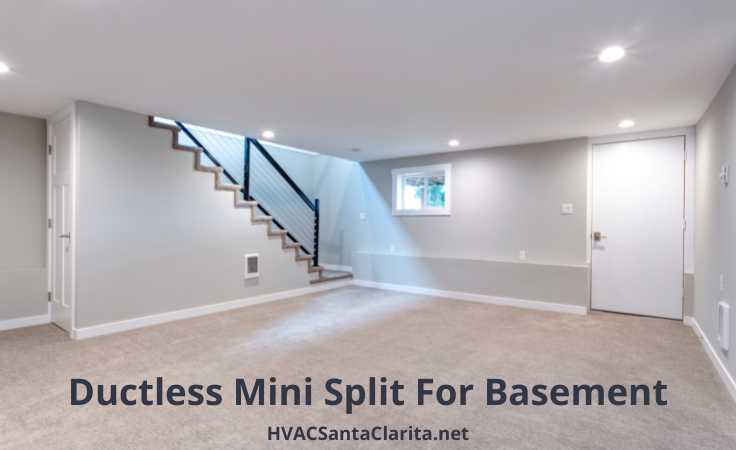
Basements often present unique heating and cooling challenges. Whether you're dealing with a damp, chilly space or a stuffy, overheated one, achieving consistent comfort and managing energy costs can be tricky. Traditional forced-air systems, reliant on ductwork, can be inefficient in basements, leading to energy waste and uneven temperatures. Fortunately, ductless mini-split systems offer a powerful, energy-efficient alternative, providing targeted climate control and significant savings.
Why Choose a Ductless Mini-Split for Your Basement?
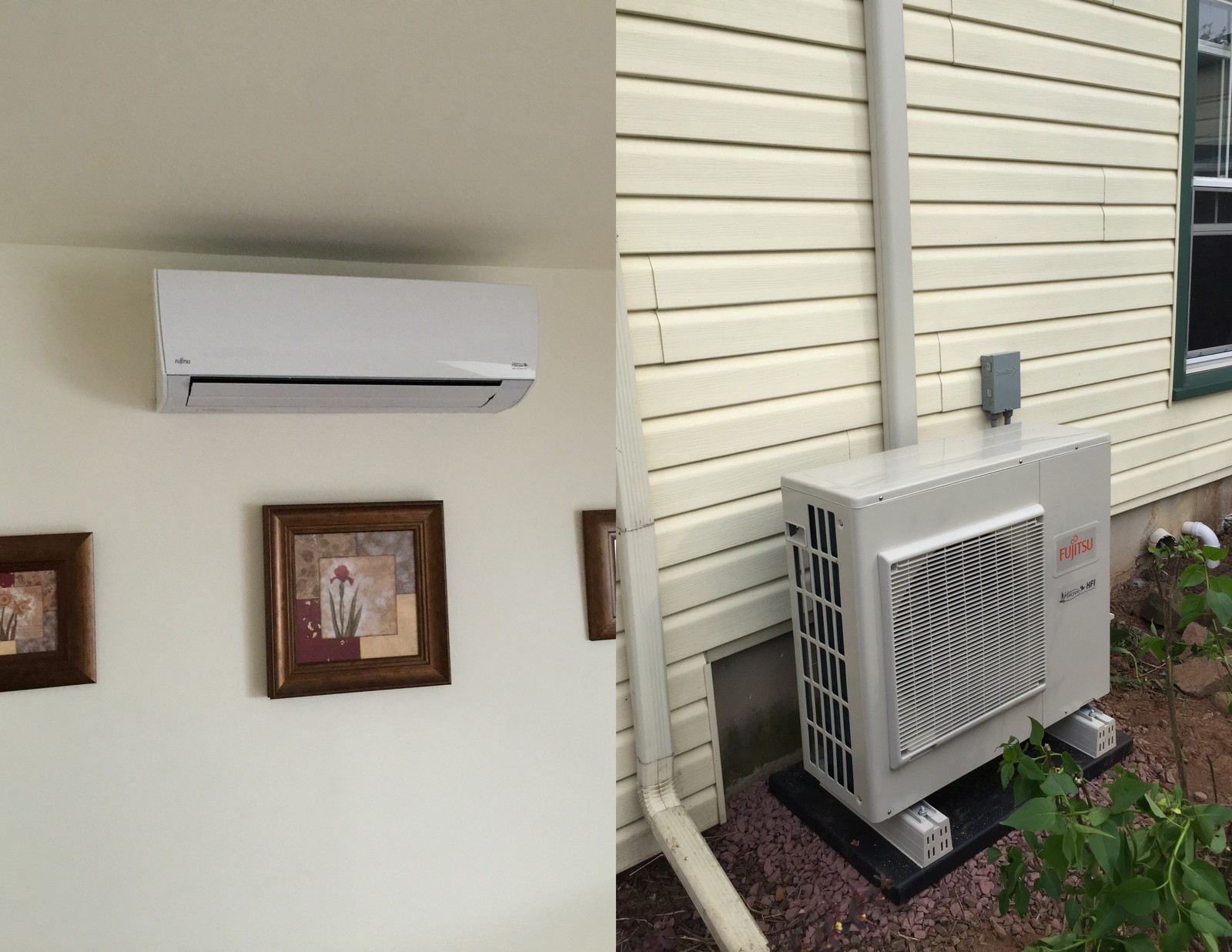
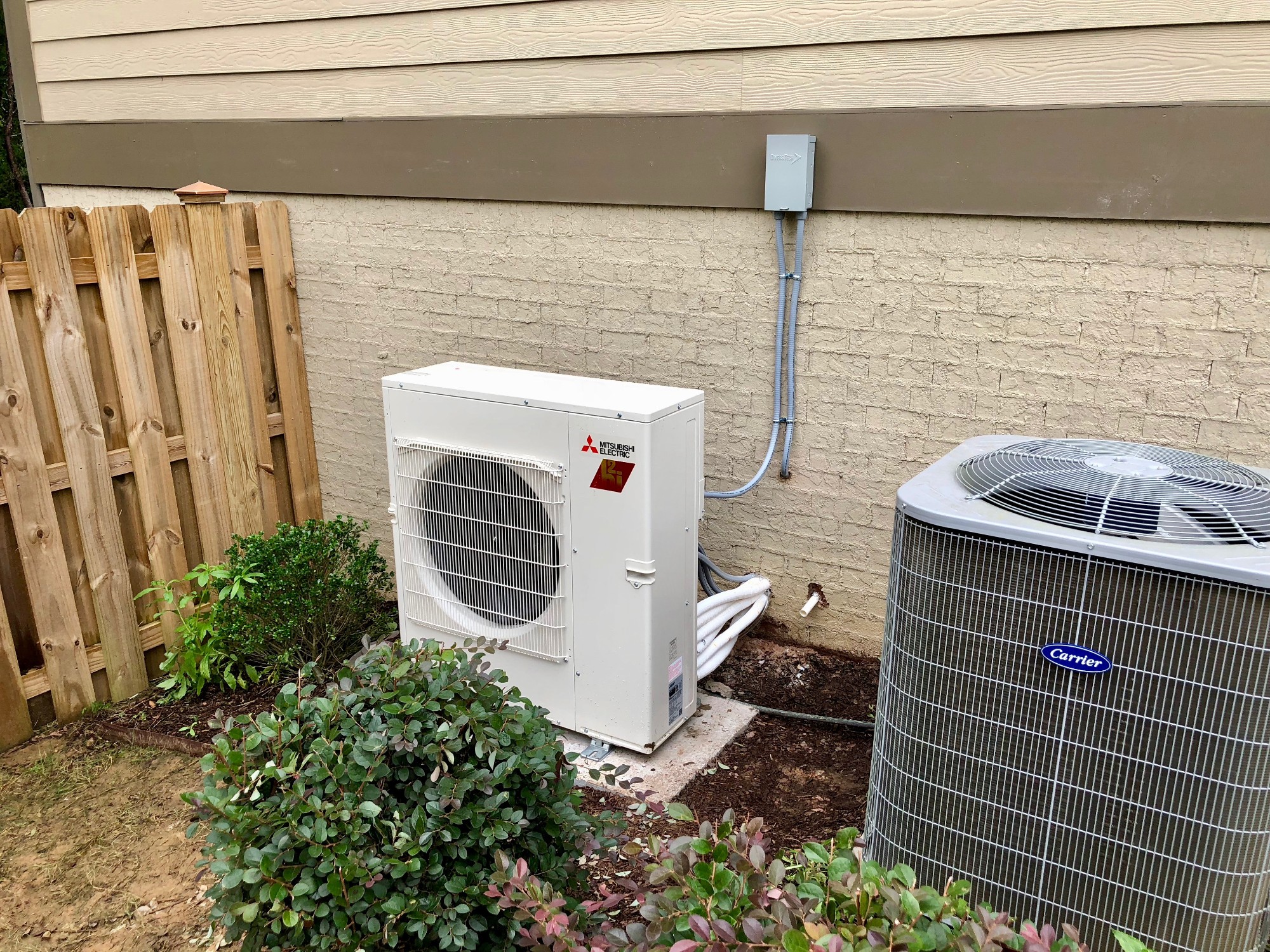
Ductless mini-splits, also known as mini-split heat pumps, are comprised of two main components: an outdoor compressor/condenser and one or more indoor air-handling units. These units are connected by a conduit that houses refrigerant lines, power cables, and a condensate drain. Unlike central air systems, they don't require extensive ductwork, making them ideal for basements where installing or extending ductwork can be costly and disruptive.
Energy Efficiency: A Major Advantage
One of the primary benefits of ductless mini-splits is their superior energy efficiency. They use inverter technology, which allows the compressor to operate at variable speeds, adjusting cooling and heating output to match the room's needs. This eliminates the energy-wasting on-off cycles of traditional systems, leading to significant energy savings. According to Energy Star, certified ductless mini-splits can be up to 30% more efficient than traditional window air conditioners and even more efficient than some central air systems, especially in older homes with poorly insulated ductwork.
The efficiency of a mini-split system is measured using the Seasonal Energy Efficiency Ratio (SEER) for cooling and the Heating Seasonal Performance Factor (HSPF) for heating. Higher SEER and HSPF ratings indicate greater efficiency. Look for models with a SEER rating of 16 or higher and an HSPF rating of 9 or higher to maximize your energy savings. Many modern mini-splits far exceed these minimums, reaching SEER ratings of 20 or even higher.
Targeted Climate Control
Ductless mini-splits provide zoned heating and cooling, allowing you to control the temperature in specific areas of your basement. This is particularly useful if you only use certain parts of your basement regularly, such as a home office, gym, or entertainment area. You can heat or cool only the occupied spaces, avoiding unnecessary energy consumption in unused areas. Traditional central systems often struggle with achieving consistent temperatures in basements due to poor airflow and insulation issues.
Easy Installation and Minimal Disruption
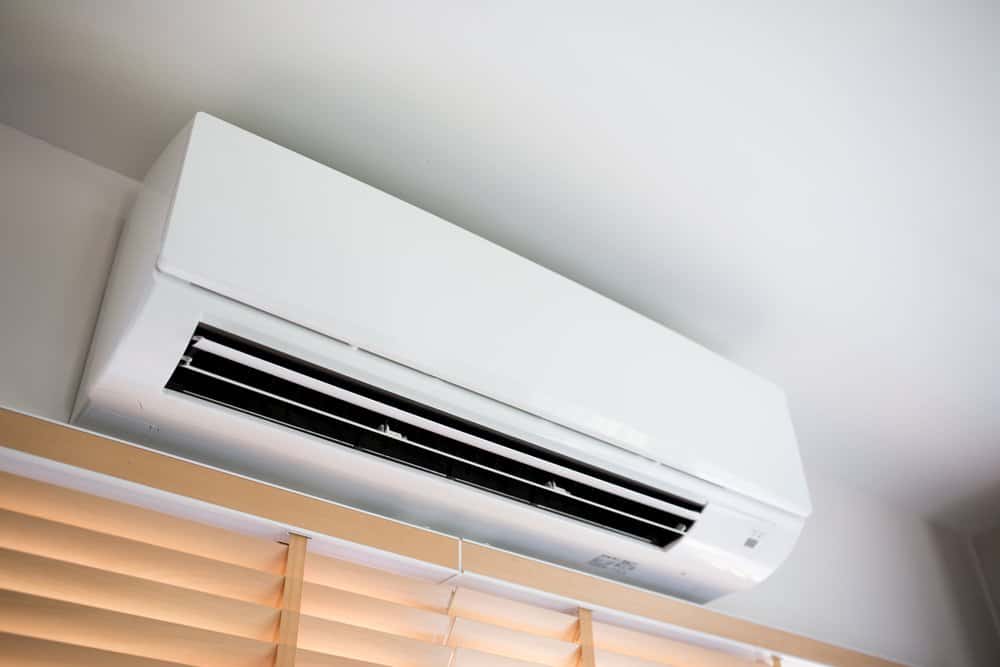
The installation of a ductless mini-split is generally less complex and disruptive than installing or extending ductwork. The indoor unit is typically mounted on a wall or ceiling, and the outdoor unit is placed on a concrete pad or mounted to an exterior wall. A small hole is drilled through the wall to connect the two units. This minimal construction translates to faster installation times and less mess compared to ductwork-based systems.
Improved Air Quality
Ductless mini-splits often incorporate advanced filtration systems that help improve indoor air quality. These filters can remove dust, pollen, allergens, and other airborne particles, creating a healthier environment in your basement. This is especially beneficial for individuals with allergies or respiratory sensitivities. Traditional ductwork can accumulate dust and allergens over time, which can then be circulated throughout your home. Since mini-splits don't rely on ductwork, they eliminate this potential source of indoor air pollution.
Key Considerations When Choosing a Mini-Split for Your Basement
Sizing the System
Properly sizing the mini-split system is crucial for optimal performance and energy efficiency. An undersized system will struggle to heat or cool the space adequately, while an oversized system will cycle on and off frequently, wasting energy and potentially leading to discomfort. Factors to consider when determining the appropriate size include the square footage of the basement, insulation levels, window area, climate zone, and the number of occupants. Consulting with a qualified HVAC contractor is essential to ensure accurate sizing.
Number of Indoor Units
Depending on the size and layout of your basement, you may need more than one indoor unit to provide adequate coverage. Multi-zone mini-split systems allow you to connect multiple indoor units to a single outdoor unit. This can be a cost-effective solution for heating or cooling multiple rooms or areas in your basement. Consider the specific heating and cooling needs of each zone when determining the number and placement of indoor units.
Placement of Indoor and Outdoor Units
The placement of both the indoor and outdoor units can impact the performance and aesthetics of the system. Indoor units should be placed in a location that allows for optimal airflow and even temperature distribution. Avoid placing them behind furniture or in areas where airflow is obstructed. The outdoor unit should be placed in a location that is easily accessible for maintenance and protected from the elements. Consider noise levels when choosing the location for the outdoor unit, as some models can generate a noticeable hum. It is also important to check local regulations and HOA guidelines regarding the placement of outdoor units.
Smart Home Integration and Smart Thermostats
Many modern ductless mini-split systems offer smart home integration, allowing you to control the system remotely using a smartphone app or voice commands. This can be particularly useful for adjusting the temperature while you're away from home or for setting up automated schedules. Some systems are also compatible with smart thermostats, such as Nest or Ecobee, providing even greater control and customization options. Smart thermostats can learn your preferences over time and automatically adjust the temperature to optimize comfort and energy savings. Integration with smart home systems allows for remote monitoring of energy usage and alerts for potential problems.
Cost and Return on Investment (ROI)
The initial cost of a ductless mini-split system can be higher than that of a window air conditioner or space heater. However, the long-term energy savings and improved comfort can more than offset the initial investment. The ROI of a mini-split system depends on factors such as the size of the system, the energy efficiency of the model, and your local energy rates. However, in many cases, homeowners can recoup their investment in a few years through reduced energy bills.
Rebates and Incentives
Many utility companies and government agencies offer rebates and incentives for installing energy-efficient appliances, including ductless mini-split systems. These rebates can significantly reduce the upfront cost of the system. Check with your local utility company and state energy office to see what incentives are available in your area. The Energy Star website also provides a searchable database of rebates and tax credits.
Installation Costs
Installation costs can vary depending on the complexity of the installation and the labor rates in your area. Be sure to get quotes from multiple HVAC contractors to ensure you're getting a fair price. A professional installation is crucial for ensuring optimal performance and longevity of the system.
Maintaining Your Ductless Mini-Split System
Regular maintenance is essential for keeping your ductless mini-split system running efficiently and reliably. This includes cleaning the air filters every month or two, inspecting the outdoor unit for debris, and scheduling annual maintenance with a qualified HVAC technician. Neglecting maintenance can lead to reduced efficiency, increased energy costs, and potential breakdowns.
Cleaning the Air Filters
Dirty air filters can restrict airflow and reduce the system's efficiency. Most mini-split systems have reusable air filters that can be easily cleaned with a vacuum cleaner or mild soap and water. Refer to the manufacturer's instructions for specific cleaning recommendations.
Professional Maintenance
A qualified HVAC technician can perform a comprehensive inspection of the system, including checking the refrigerant levels, cleaning the coils, and inspecting the electrical connections. This can help identify and address potential problems before they lead to costly repairs.
Making the Switch: Is a Ductless Mini-Split Right for Your Basement?
Ductless mini-split systems offer a compelling solution for heating and cooling basements efficiently and effectively. Their zoned control, ease of installation, and superior energy efficiency make them a smart choice for homeowners looking to improve comfort and reduce energy costs. By carefully considering your needs and consulting with a qualified HVAC contractor, you can determine if a ductless mini-split system is the right choice for your basement.
"Ductless mini-splits are an increasingly popular choice for homeowners seeking energy-efficient and customizable climate control solutions." - Energy Star