Ductless Mini Split System For Garage
Ductless Mini Split Systems for Garages: A Comprehensive Buying Guide
Garages often get overlooked when it comes to heating and cooling. Whether you use your garage as a workshop, home gym, or simply for parking, maintaining a comfortable temperature can significantly enhance its usability. Ductless mini-split systems offer a versatile and efficient solution for garage climate control, circumventing the limitations of traditional HVAC systems. This guide explores everything you need to know about mini-splits for garages, helping you make an informed decision.
Why Choose a Ductless Mini-Split for Your Garage?
Unlike central HVAC systems, ductless mini-splits don't require extensive ductwork, making them ideal for spaces like garages that might not be connected to your home's central system. Here's a breakdown of the key advantages:
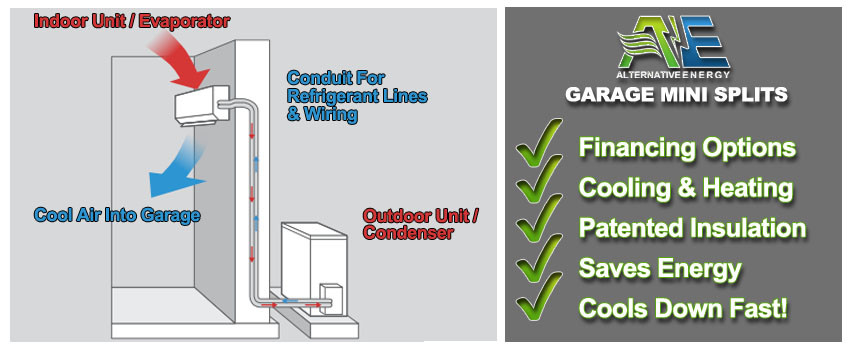
- Easy Installation: Mini-splits are relatively easy to install, requiring only a small hole in the wall for the refrigerant lines and electrical wiring.
- Energy Efficiency: With high SEER (Seasonal Energy Efficiency Ratio) and HSPF (Heating Seasonal Performance Factor) ratings, mini-splits can significantly reduce energy consumption compared to space heaters or window AC units.
- Zoned Heating and Cooling: You can control the temperature in your garage independently from the rest of your house, saving energy and ensuring comfort only when and where it's needed.
- Quiet Operation: Mini-splits operate much quieter than window units or portable ACs, creating a more pleasant environment.
- Year-Round Comfort: Many mini-splits offer both heating and cooling capabilities, making them suitable for year-round climate control.
Understanding Key Terminology: SEER, HSPF, and AFUE
When evaluating mini-split systems, understanding these energy efficiency ratings is crucial:
- SEER (Seasonal Energy Efficiency Ratio): Measures the cooling efficiency of an air conditioner or heat pump during a typical cooling season. The higher the SEER rating, the more efficient the unit. Look for a SEER rating of 16 or higher for optimal energy savings.
- HSPF (Heating Seasonal Performance Factor): Measures the heating efficiency of a heat pump. A higher HSPF rating indicates greater heating efficiency. Aim for an HSPF of 9 or higher.
- AFUE (Annual Fuel Utilization Efficiency): While less relevant for heat pumps in mini-splits, AFUE measures the heating efficiency of furnaces. It's important to note if you are considering a system that uses gas for heating in conjunction with the mini-split.
Factors to Consider Before Buying
Choosing the right mini-split system for your garage involves considering several key factors:
- Garage Size: The size of your garage is the most important factor in determining the appropriate BTU (British Thermal Units) rating of the mini-split. A larger garage will require a higher BTU rating to effectively heat or cool the space. Online BTU calculators can assist in determining the right size.
- Insulation: Proper insulation is crucial for maximizing the efficiency of your mini-split system. Poorly insulated garages will require larger units and consume more energy. Consider adding insulation to the walls, ceiling, and garage door.
- Climate: The climate in your region will influence the type of mini-split system you need. Colder climates may require a heat pump with a higher HSPF rating to provide adequate heating.
- Power Supply: Ensure your garage has an adequate electrical supply to handle the power requirements of the mini-split system. Consult with a qualified electrician to assess your electrical panel and wiring.
- Features: Consider features like remote control, programmable timers, sleep mode, and air purification capabilities.
- Budget: Mini-split systems vary in price depending on their features, BTU rating, and brand. Establish a budget before you start shopping to narrow down your options.
Popular Mini-Split Brands and Models for Garages
Several reputable HVAC brands offer mini-split systems suitable for garage applications. Here's a comparison of some popular options:
Mitsubishi Electric
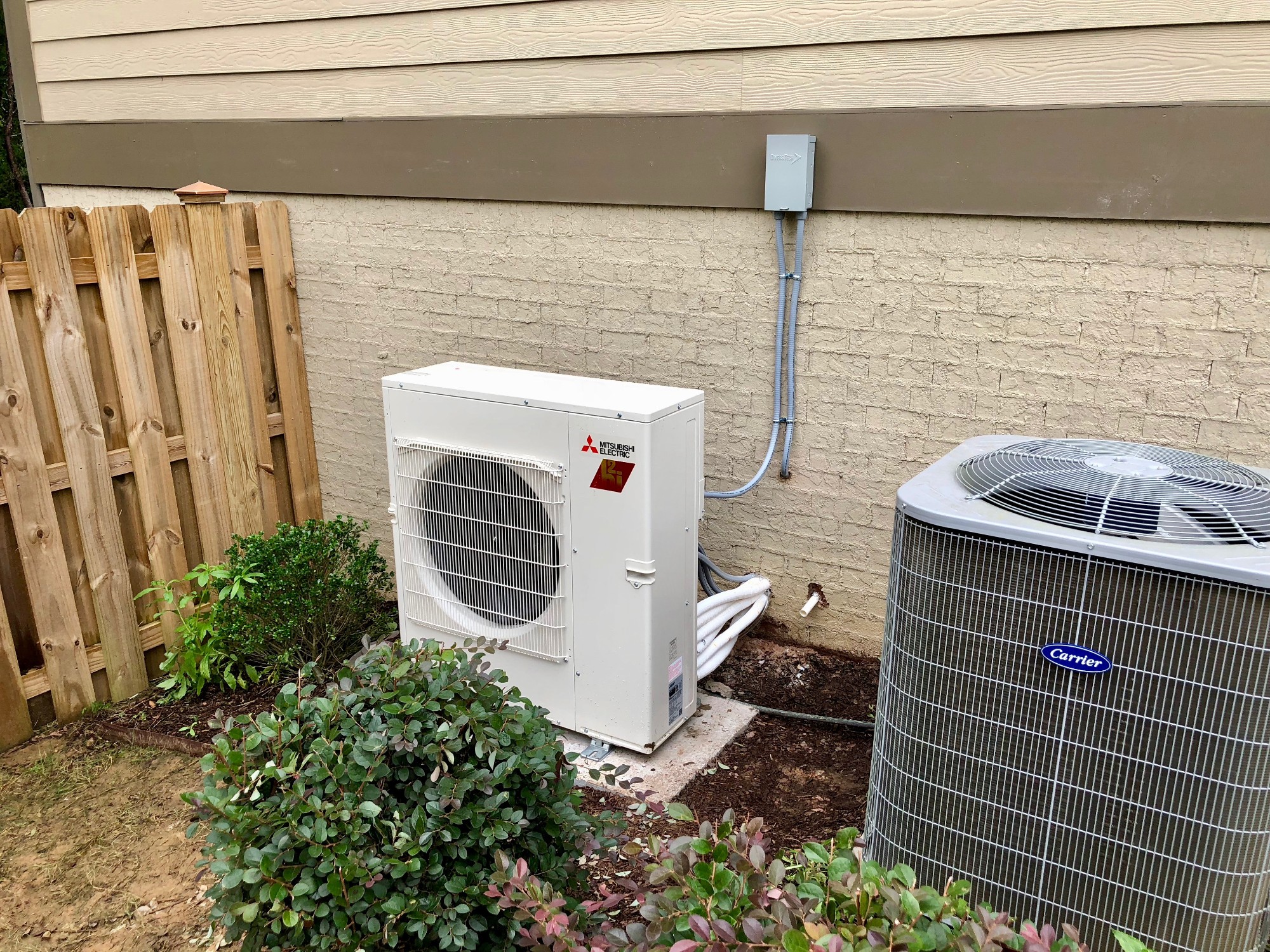
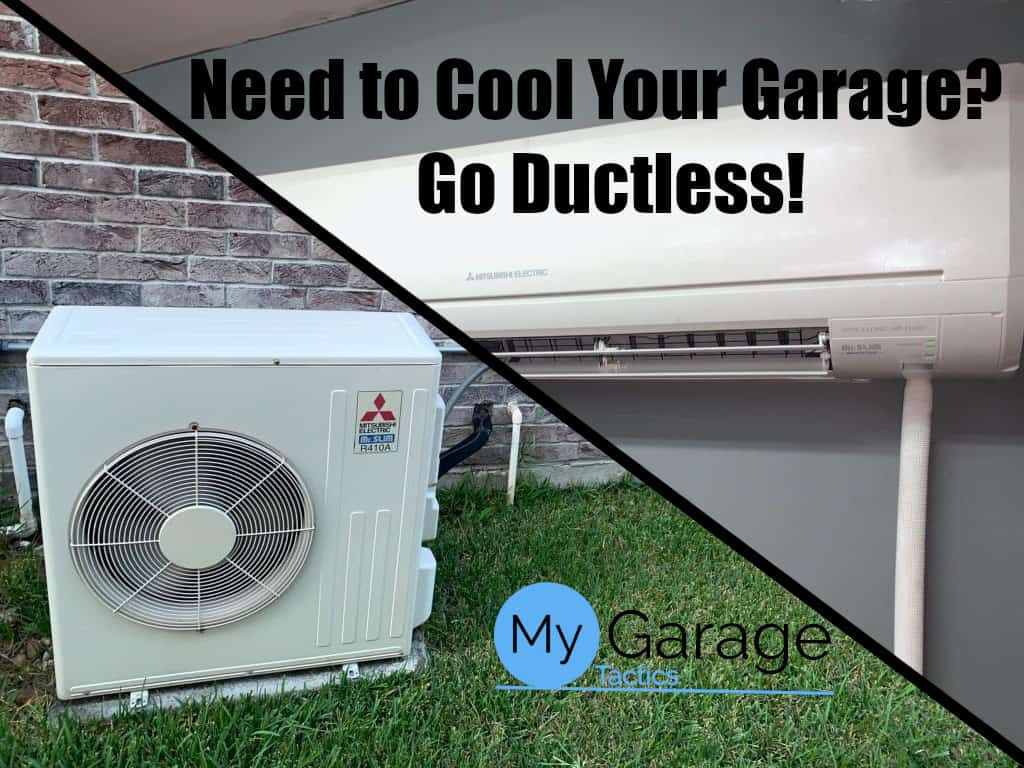
Mitsubishi Electric is renowned for its high-quality and energy-efficient mini-split systems. Their Mr. Slim series is a popular choice for residential applications, including garages.
Key Features: Inverter technology, quiet operation, advanced filtration, and a wide range of BTU options. Pros: Excellent energy efficiency, reliable performance, and advanced features. Cons: Higher price point compared to some other brands. SEER: Up to 33.1 HSPF: Up to 13.5
Daikin
Daikin is another leading manufacturer of mini-split systems, offering a wide range of models to suit various needs and budgets. Their systems are known for their durability and energy efficiency.
Key Features: Inverter technology, quiet operation, advanced filtration, and a variety of control options. Pros: Reliable performance, energy-efficient, and a good balance of features and price. Cons: May not have as many advanced features as some other high-end brands. SEER: Up to 24.5 HSPF: Up to 12.5
LG
LG offers a range of mini-split systems that combine performance with stylish design. Their systems are known for their ease of use and smart features.
Key Features: Inverter technology, Wi-Fi connectivity, smart controls, and a sleek design. Pros: User-friendly interface, smart features, and a competitive price point. Cons: May not be as energy-efficient as some other high-end brands. SEER: Up to 27 HSPF: Up to 12
Pioneer
Pioneer is a more budget-friendly option that provides good value for money. While they might not have all the bells and whistles of higher-end brands, they offer reliable performance at a more accessible price.
Key Features: Inverter technology, basic features, and a straightforward design. Pros: Affordable price, easy to install, and reliable performance. Cons: Fewer advanced features, may not be as energy-efficient as other brands. SEER: Up to 20.5 HSPF: Up to 10
Installation and Maintenance
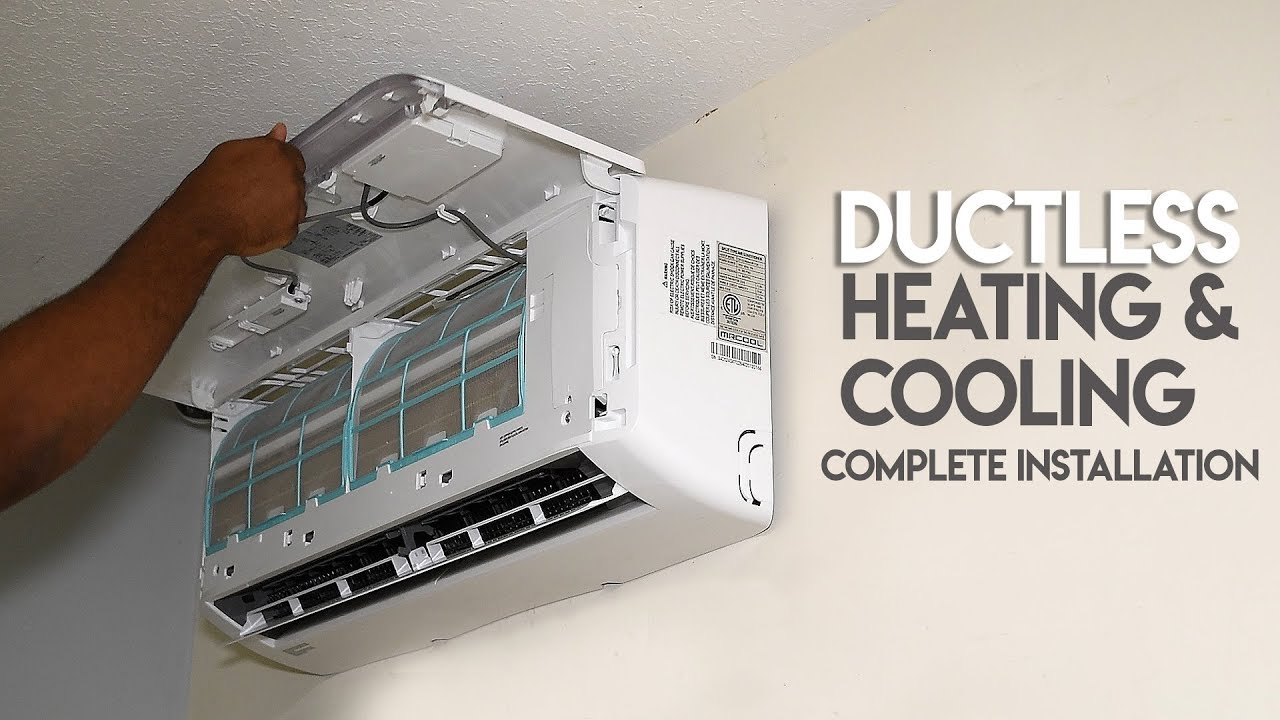
While some homeowners may be tempted to install a mini-split system themselves, it's generally recommended to hire a qualified HVAC technician. Proper installation is crucial for ensuring optimal performance and preventing future problems. The installation process typically involves:
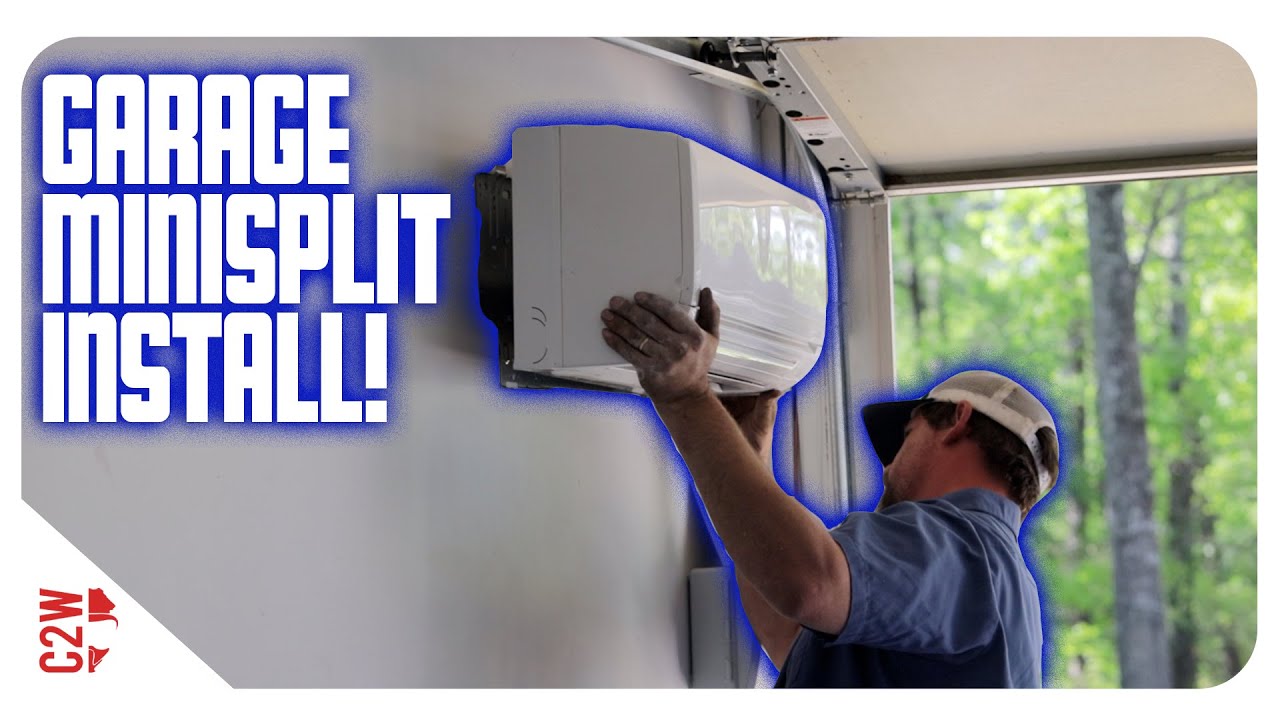
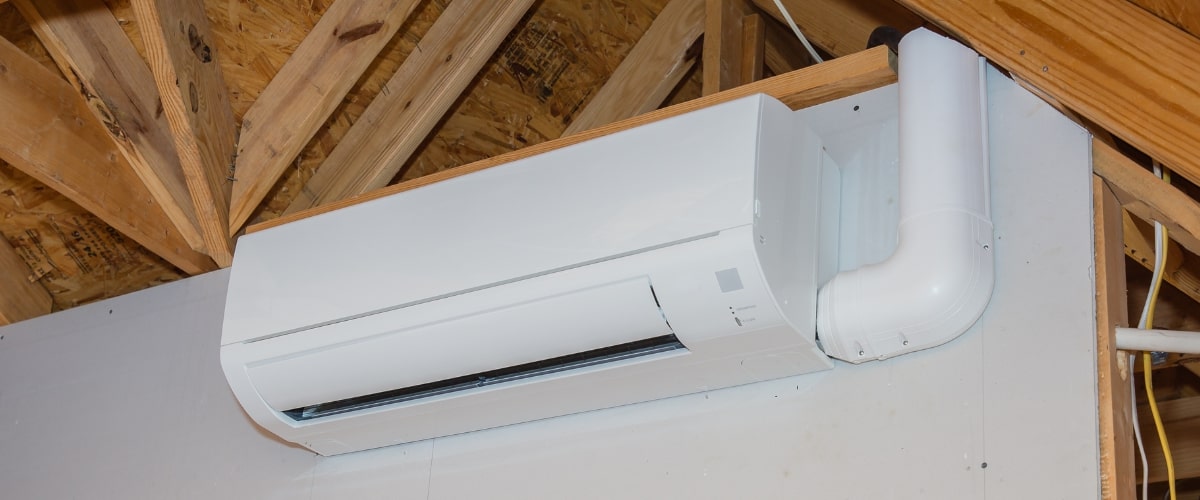
- Mounting the indoor unit on the wall.
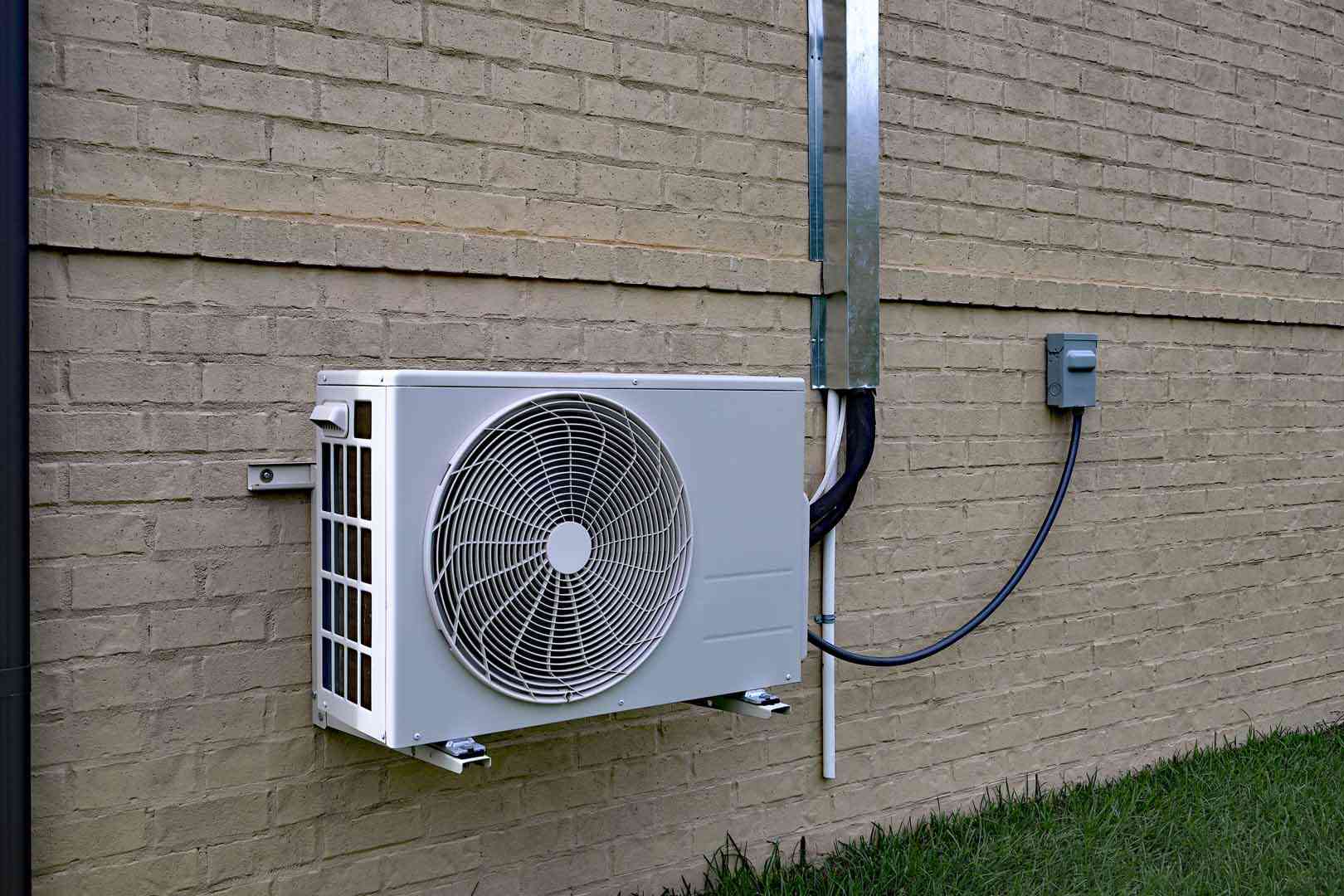
- Mounting the outdoor unit on a concrete pad or wall bracket.
- Connecting the refrigerant lines and electrical wiring.
- Vacuuming the refrigerant lines to remove air and moisture.
- Charging the system with refrigerant.
- Testing the system to ensure proper operation.
Regular maintenance is essential for prolonging the life of your mini-split system and maintaining its efficiency. Recommended maintenance tasks include:
- Cleaning the air filters every month or two.
- Cleaning the outdoor unit coils annually.
- Inspecting the refrigerant lines for leaks.
- Checking the electrical connections.
- Scheduling a professional inspection and tune-up every year or two.
Warranty Information
Most mini-split systems come with a manufacturer's warranty that covers parts and labor for a specified period. Be sure to read the warranty carefully to understand the terms and conditions. Typical warranties range from 5 to 10 years on parts and 1 to 5 years on labor. Proper installation and maintenance are often required to maintain the validity of the warranty.
Cost Considerations
The cost of a mini-split system for your garage will vary depending on several factors, including the BTU rating, brand, features, and installation costs. Here's a general breakdown of the costs:
- Equipment Costs: $800 to $4,000 per unit, depending on the size and features.
- Installation Costs: $500 to $1,500, depending on the complexity of the installation.
- Operating Costs: Variable, depending on energy usage and electricity rates.
While the initial investment in a mini-split system may be higher than other heating and cooling options, the long-term energy savings and improved comfort can make it a worthwhile investment.
Conclusion
A ductless mini-split system offers a versatile and efficient solution for heating and cooling your garage. By considering your garage size, insulation, climate, and budget, you can choose the right system to meet your needs. Investing in a quality mini-split system can transform your garage into a comfortable and usable space year-round. Remember to prioritize professional installation and regular maintenance to ensure optimal performance and longevity.