Duo Therm Furnace Fan Not Working
A malfunctioning furnace fan can quickly turn a comfortable living space into a frigid zone. When your Duo Therm furnace fan refuses to kick on, it’s time for troubleshooting. This guide provides a comprehensive look at common causes, diagnostic steps, and potential solutions for dealing with a non-operational Duo Therm furnace fan. Whether you're a homeowner, an HVAC technician, or a facility manager, understanding these issues can save you time, money, and discomfort.
Understanding the Duo Therm Furnace Fan
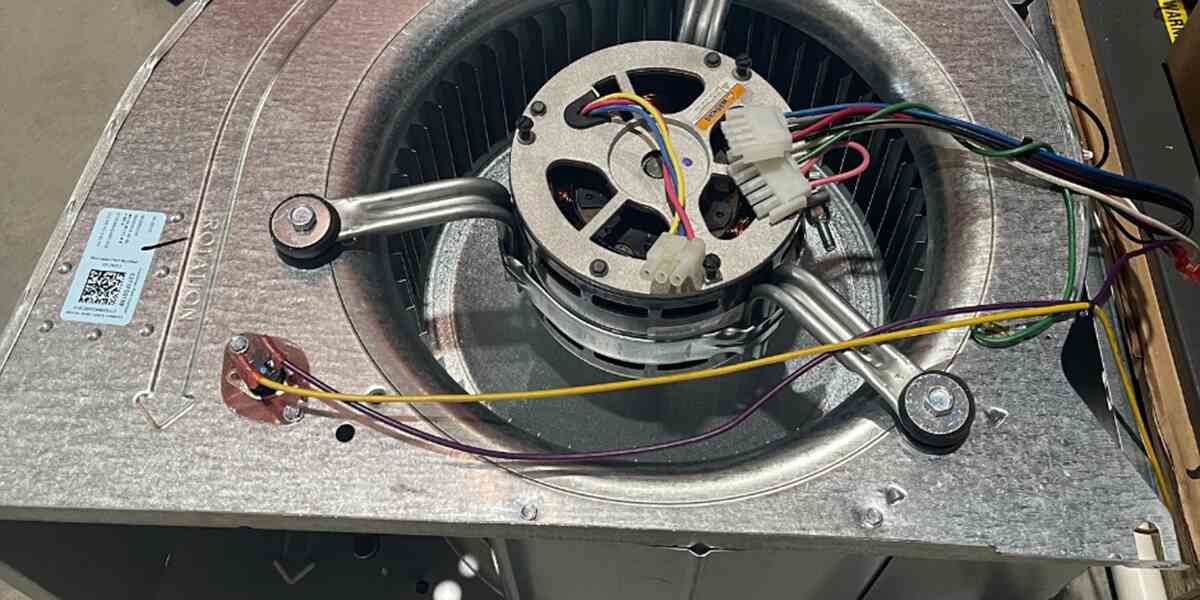
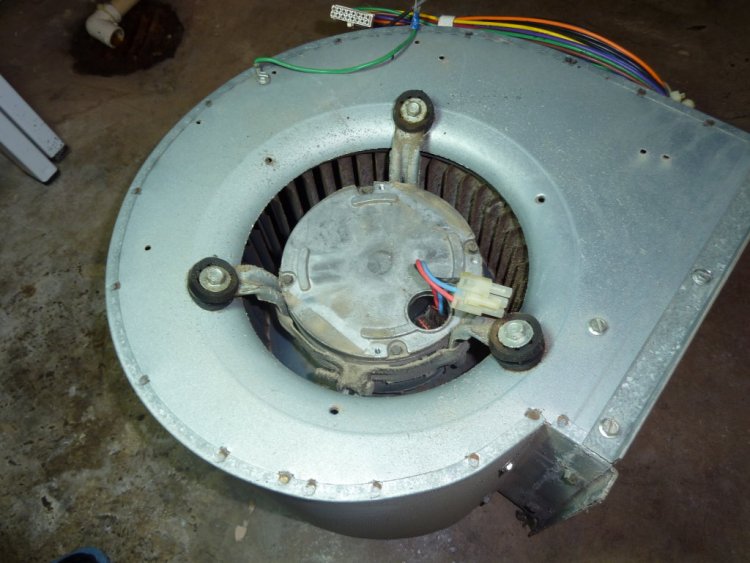
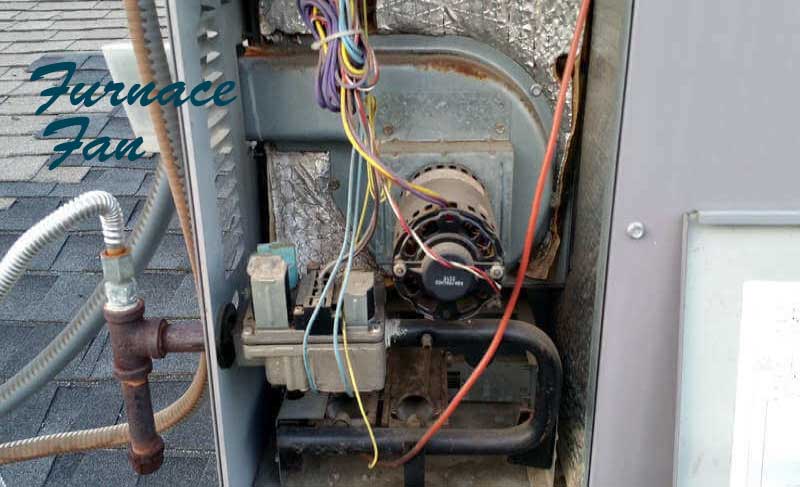
The furnace fan, also known as the blower motor, is responsible for circulating heated air throughout your home via the ductwork. In Duo Therm furnaces, this fan is a critical component for efficient heating. It pulls air across the heated heat exchanger and distributes that warm air. When the fan fails, heat remains trapped within the furnace, leading to inefficient heating and potential overheating issues. Understanding how the fan is supposed to work is crucial for diagnosing failures.
Types of Furnace Fans
Duo Therm furnaces commonly utilize two main types of blower motors:
- Single-Speed Motors: These motors operate at a constant speed, either on or off. They are the simplest and most common type, often found in older or more basic furnace models. They are generally less efficient than variable speed options.
- Multi-Speed Motors: These motors have multiple speed settings, allowing for more precise airflow control. Some newer Duo Therm models may incorporate these for improved efficiency and comfort.
- Variable-Speed Motors (ECM): Electronically Commutated Motors (ECMs) offer the most precise control and energy efficiency. These adjust speed continuously based on heating demands. They are typically more expensive, but significantly more energy efficient.
Common Causes of a Non-Working Duo Therm Furnace Fan
Several factors can contribute to a furnace fan malfunction. Here's a breakdown of the most prevalent culprits:
Electrical Issues
A lack of electrical power is the most fundamental reason for a fan not working. This could stem from:
- Tripped Circuit Breaker: Check the circuit breaker dedicated to the furnace. A tripped breaker is often the result of an electrical surge or an overloaded circuit. Reset the breaker and monitor for recurrence.
- Blown Fuse: The furnace may have a fuse protecting the fan motor. Locate the fuse (usually near the control board) and check for continuity. Replace if blown.
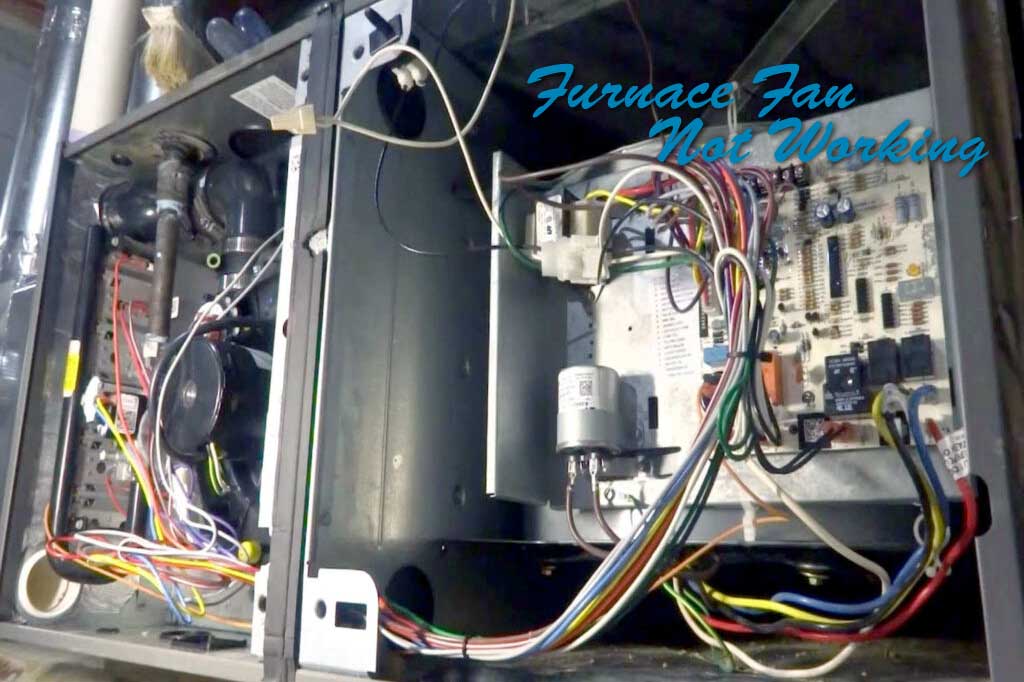
- Loose Wiring: Inspect the wiring connections to the fan motor and the control board. Loose or corroded connections can disrupt power flow. Tighten or clean connections as needed.
- Faulty Capacitor: The capacitor provides the initial jolt of energy to start the fan motor. A failing capacitor can prevent the motor from starting, resulting in a humming sound. A multimeter can be used to test the capacitor's capacitance. A visual inspection may also reveal a bulging or leaking capacitor.
Mechanical Problems
Physical obstructions or damage can hinder fan operation:
- Dirty Blower Wheel: Accumulation of dust and debris on the blower wheel can significantly reduce airflow and even stall the motor. Clean the blower wheel thoroughly.
- Obstructed Air Filter: A severely clogged air filter restricts airflow, putting undue stress on the fan motor. This can lead to overheating and premature failure. Replace the air filter regularly (every 1-3 months).
- Damaged Blower Wheel: Cracks, bends, or imbalances in the blower wheel can cause the fan to vibrate excessively or seize completely. Replacement is often necessary.
- Motor Bearing Failure: Over time, the bearings in the fan motor can wear out, causing friction and eventually seizing. This often presents as a squealing or grinding noise before complete failure.
Control System Issues
The furnace's control system dictates when the fan should operate. Problems here can prevent the fan from activating:
- Faulty Thermostat: A malfunctioning thermostat may not be sending the correct signals to the furnace. Test the thermostat's functionality by adjusting the temperature settings and observing if the furnace responds accordingly.
- Defective Fan Relay: The fan relay switches the power to the fan motor. A faulty relay can prevent the fan from turning on. Test the relay with a multimeter.
- Failed Control Board: The control board is the brain of the furnace, managing various functions including fan operation. A damaged or failing control board can lead to erratic behavior or complete failure of the fan.
- Limit Switch Problems: The limit switch is a safety device that shuts down the furnace if it overheats. A faulty limit switch can prevent the fan from running, even if the furnace isn't actually overheating.
Diagnosing the Problem: A Step-by-Step Guide
Before calling a professional, you can perform some basic troubleshooting:
- Check the Power Supply: Verify that the furnace is receiving power by checking the circuit breaker and ensuring the power switch is on.
- Inspect the Air Filter: A dirty air filter is a common culprit. Replace it with a clean one.
- Listen for Unusual Noises: A humming sound might indicate a capacitor problem, while squealing could suggest bearing issues.
- Observe the Furnace Operation: Does the burner ignite? If so, is the fan failing to turn on after a normal delay (usually 60-90 seconds)?
- Check the Thermostat: Ensure the thermostat is set to "heat" and the temperature is set above the current room temperature.
- Examine Wiring: Look for loose or corroded connections.
Potential Solutions
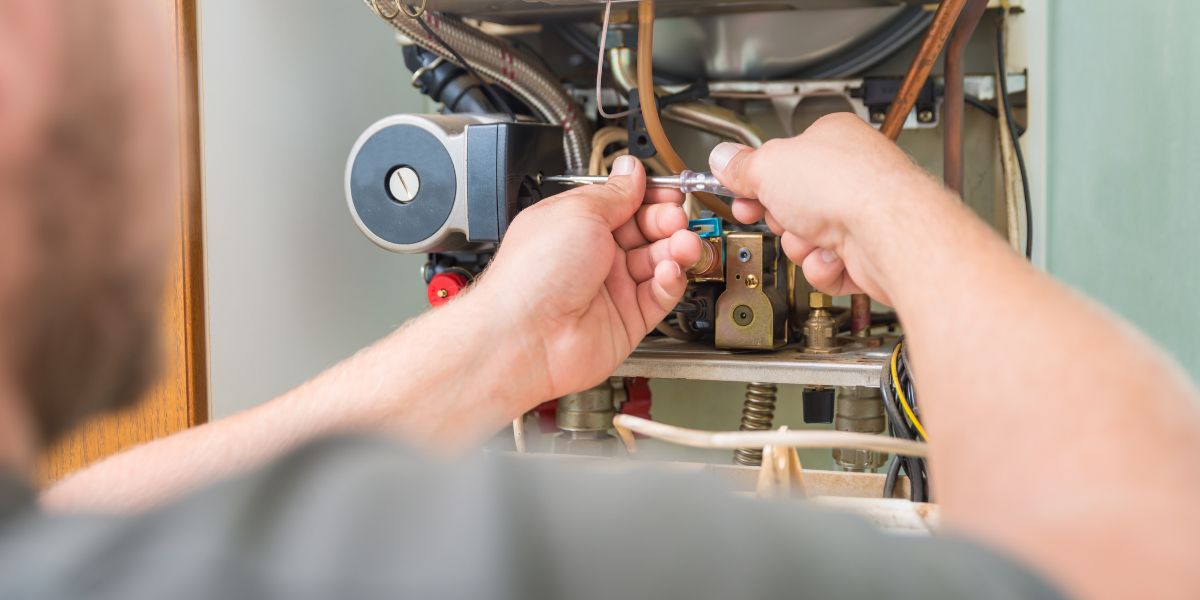
Depending on the diagnosis, you may be able to resolve the issue yourself. However, if you're not comfortable working with electricity or gas, it's best to call a qualified HVAC technician.
- Replacing a Blown Fuse: Simple and inexpensive. Ensure you use the correct amperage fuse.
- Tightening Loose Wiring: Easy to do, but ensure the power is off before working with electrical components.
- Replacing a Dirty Air Filter: A preventative maintenance task that can significantly improve system performance. Costs only a few dollars.
- Cleaning the Blower Wheel: Requires removing the blower assembly, but can often be done with household cleaning supplies.
- Replacing a Capacitor: Relatively inexpensive, but requires knowledge of electrical safety and proper capacitor matching.
For more complex issues like replacing a fan motor, control board, or thermostat, it's recommended to consult a professional HVAC technician. These repairs often require specialized tools and knowledge.
Cost Considerations
The cost of fixing a Duo Therm furnace fan varies depending on the cause of the problem:
- Air Filter Replacement: $5 - $20
- Capacitor Replacement: $50 - $150 (including labor if done by a professional)
- Fan Relay Replacement: $75 - $200 (including labor)
- Blower Motor Replacement: $200 - $800 (including labor)
- Control Board Replacement: $300 - $1000 (including labor)
Preventative maintenance, such as regular air filter replacements and annual furnace inspections, can help prevent costly repairs down the line.
Preventative Maintenance
To ensure your Duo Therm furnace operates efficiently and reliably, implement these preventative measures:
- Regular Air Filter Replacement: Replace the air filter every 1-3 months, depending on usage and air quality.
- Annual Furnace Inspection: Schedule a yearly inspection by a qualified HVAC technician. This includes cleaning, lubrication, and safety checks.
- Duct Cleaning: Have your ductwork professionally cleaned every few years to remove dust and debris that can restrict airflow and impact indoor air quality.
- Clearance Around the Unit: Ensure adequate clearance around the furnace for proper ventilation.
Conclusion
A non-working Duo Therm furnace fan can be a frustrating issue, but understanding the potential causes and diagnostic steps can empower you to troubleshoot effectively. By following this guide and taking proactive maintenance measures, you can keep your furnace running smoothly and maintain a comfortable home environment. Remember, when in doubt, always consult with a qualified HVAC professional for assistance. Ignoring problems can lead to more costly repairs and unsafe operating conditions. Investing in regular maintenance now can save you money and headaches in the long run, ensuring your Duo Therm furnace provides reliable heat for years to come.