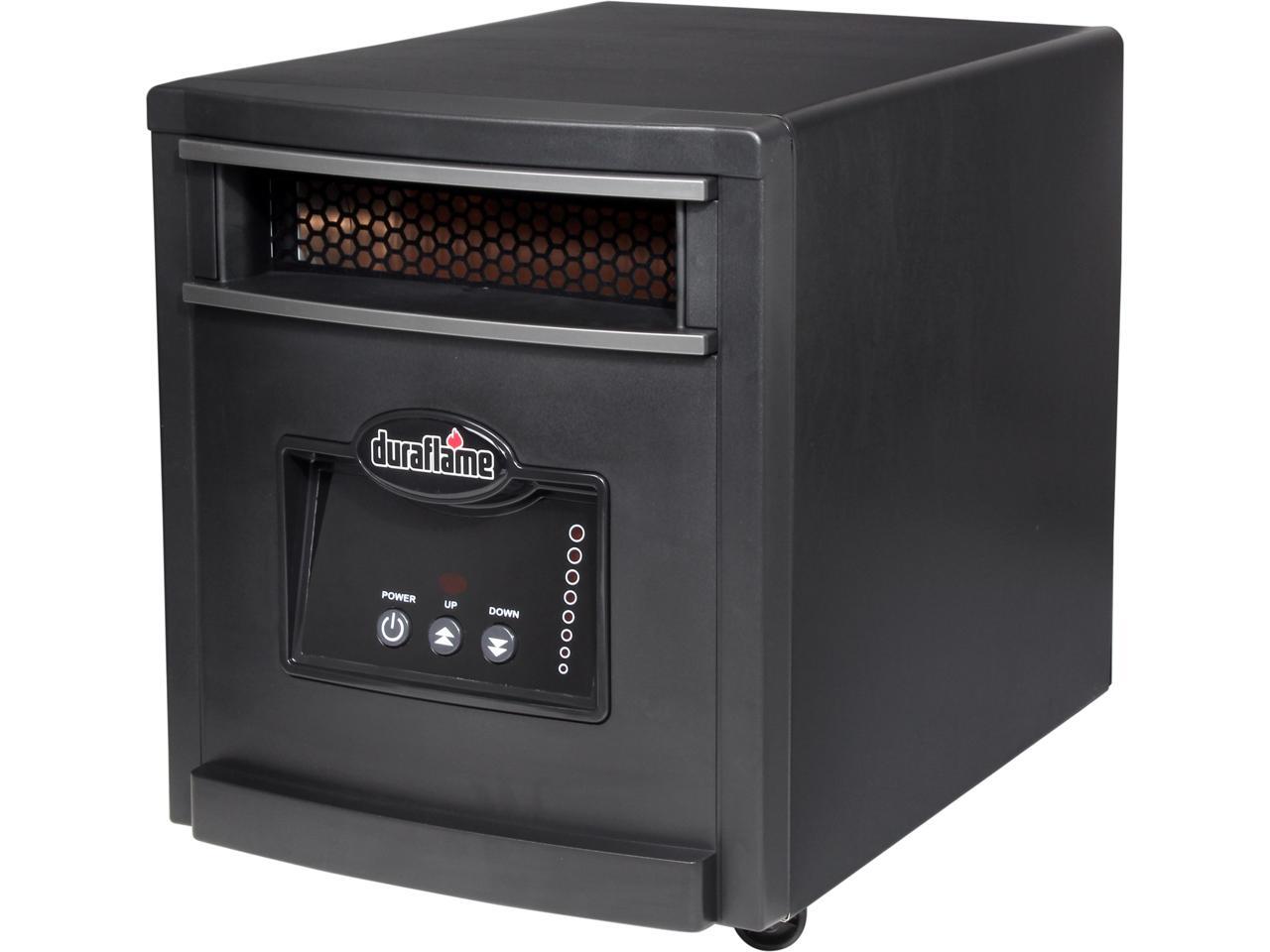
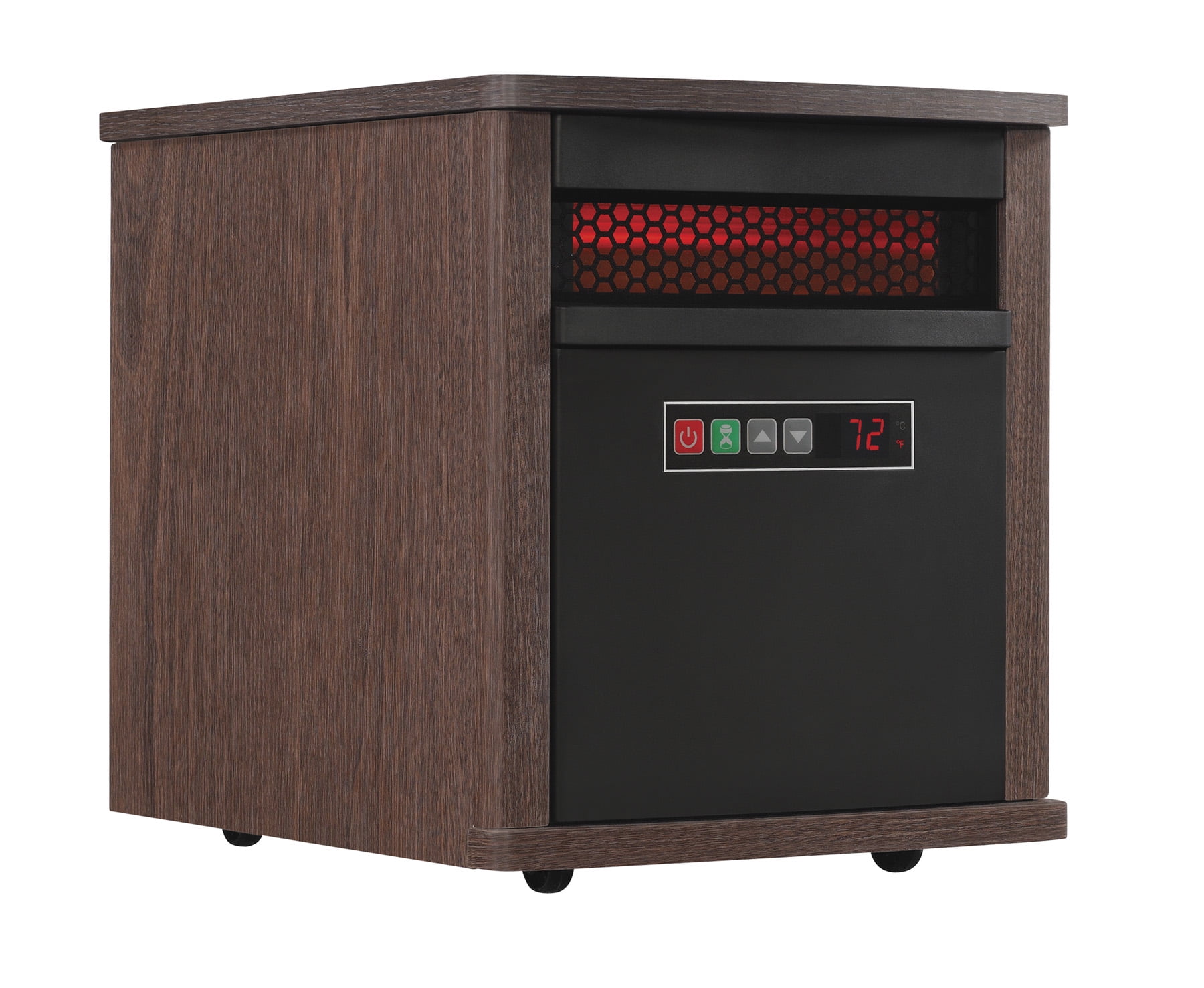
Duraflame Infrared Tower Heater
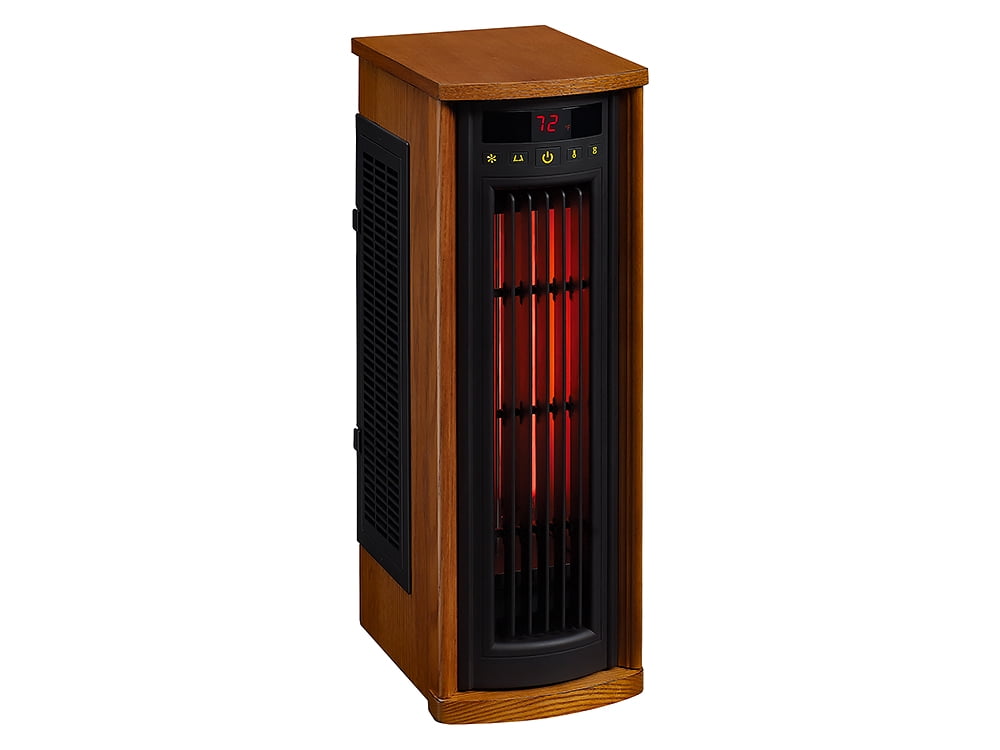
Duraflame Infrared Tower Heater: A Smart Way to Slash Heating Costs?
As energy prices continue to rise, homeowners and businesses are scrambling for cost-effective heating solutions. The Duraflame Infrared Tower Heater has emerged as a popular choice, promising targeted warmth and energy savings. But does it live up to the hype? This article delves into the technology behind infrared heaters, analyzes the Duraflame's performance, and explores how it stacks up against traditional heating methods, all with an eye on your wallet and the environment.
Understanding Infrared Heating
Unlike traditional convection heaters that warm the air, infrared heaters work by emitting electromagnetic radiation that directly heats objects and people in their path. Think of it like the sun: you feel its warmth even on a cold day. This direct heating approach offers several advantages:
- Faster Heating: Infrared heaters provide almost instant warmth, eliminating the long wait associated with convection heaters.
- Targeted Heating: You can focus the heat on specific areas, rather than heating an entire room, saving energy by only warming occupied spaces.
- Reduced Energy Loss: Because they don't rely on heating the air, infrared heaters are less susceptible to heat loss due to drafts or poor insulation.
- Improved Air Quality: Convection heaters can circulate dust and allergens, while infrared heaters do not.
Duraflame Infrared Tower Heater: Features and Specifications
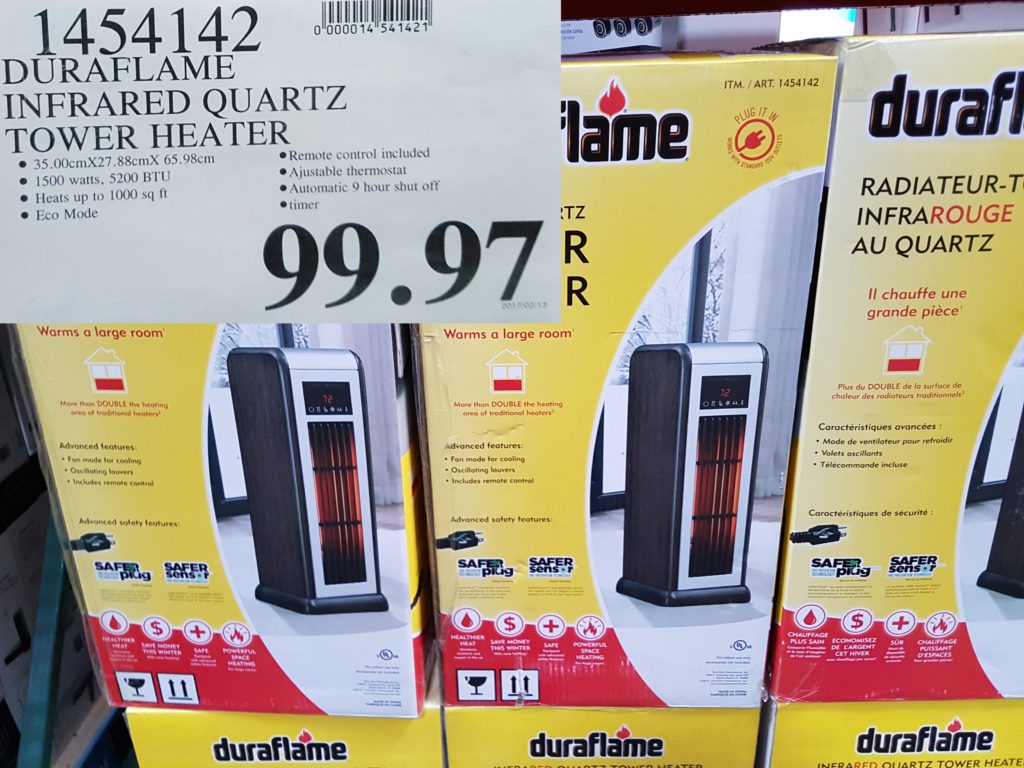
The Duraflame Infrared Tower Heater typically boasts features designed for convenience and efficiency:
- Infrared Quartz Heating Elements: These elements provide efficient and long-lasting heat.
- Adjustable Thermostat: Allows you to precisely control the desired temperature.
- Multiple Heat Settings: Offers flexibility to adjust the heat output based on your comfort level and energy-saving goals. A common configuration is a low setting around 750 watts and a high setting around 1500 watts.
- Oscillation Function: Distributes heat more evenly throughout the room.
- Tip-Over Safety Switch: Automatically shuts off the heater if it's accidentally knocked over.
- Overheat Protection: Prevents the heater from overheating and potentially causing a fire.
- Remote Control: Enables convenient operation from across the room.
- Digital Display: Provides clear and easy-to-read temperature settings and other information.
Most Duraflame Infrared Tower Heaters operate on standard 120V power and have a maximum power consumption of 1500 watts. This translates to approximately 1.5 kilowatt-hours (kWh) of electricity per hour of operation at the highest setting. Checking the heater's specific energy guide sticker is crucial for precise consumption information.
Energy Savings: Quantifying the Potential
The energy savings potential of the Duraflame Infrared Tower Heater depends on several factors, including:
- Usage Habits: How often and for how long you use the heater.
- Room Size and Insulation: The size of the room you're heating and the quality of its insulation.
- Comparison to Existing Heating System: How the Duraflame heater's efficiency compares to your current heating system (e.g., central furnace, electric baseboard heaters).
- Local Energy Costs: The price you pay per kWh of electricity.
Let's consider a scenario: Imagine you typically heat a 500-square-foot room with a central furnace set to 70°F. You decide to use the Duraflame Infrared Tower Heater to supplement the furnace, allowing you to lower the thermostat to 65°F. Assuming you use the heater for 4 hours per day at the high setting (1500 watts), your daily energy consumption would be 6 kWh (1.5 kW x 4 hours). If your electricity costs $0.15 per kWh, your daily heating cost would be $0.90. Whether this represents a savings depends on the operating cost of your furnace and the reduction in its run time.
The key is zone heating. Instead of heating the entire house, you're only heating the room you're occupying. According to the U.S. Department of Energy, you can save up to 10% on your heating bill by lowering your thermostat 7-10 degrees for 8 hours a day. Using a supplemental heater like the Duraflame can help you achieve this.
Comparing to Other Heating Systems
To truly assess the Duraflame's value, it's essential to compare it to other common heating systems:
- Central Furnace (Gas or Oil): Generally the most efficient way to heat an entire house, but can be wasteful if you only need to heat a single room. Annual Fuel Utilization Efficiency (AFUE) ratings are key here; a higher AFUE means greater efficiency.
- Electric Baseboard Heaters: Highly inefficient, as they directly convert electricity into heat with little control over where the heat goes.
- Space Heaters (Convection): Better than baseboard heaters, but still less efficient than infrared heaters due to heat loss.
- Heat Pumps: Highly efficient for both heating and cooling, but require a higher upfront investment.
A study by the Environmental Protection Agency (EPA) found that heat pumps, when used correctly, can reduce energy consumption for heating by as much as 50% compared to electric resistance heating (like baseboard heaters). While the Duraflame Infrared Tower Heater isn't a direct replacement for a whole-house heating system like a heat pump or efficient furnace, it can be a valuable supplement for targeted heating, potentially reducing your reliance on less efficient heating methods.
Smart Home Integration: Maximizing Efficiency
The Duraflame Infrared Tower Heater, in its standard form, isn't typically a "smart" device. However, you can integrate it into a smart home ecosystem using smart plugs and smart thermostats. Here's how:
- Smart Plug: Connect the heater to a smart plug that can be controlled remotely via a smartphone app or voice assistant (e.g., Amazon Alexa, Google Assistant). This allows you to turn the heater on or off from anywhere, set schedules, and monitor energy consumption.
- Smart Thermostat: Pair the smart plug with a smart thermostat that has occupancy sensors. The thermostat can automatically turn on the heater when someone is in the room and turn it off when the room is empty.
By automating the heater's operation based on occupancy and temperature, you can further optimize energy savings and ensure that you're only heating the space when needed. This level of control is particularly beneficial for businesses that want to minimize energy waste in unoccupied offices or conference rooms.
Safety Considerations
While infrared heaters are generally safe, it's important to follow these safety precautions:
- Keep flammable materials away from the heater. Maintain a safe distance between the heater and curtains, furniture, bedding, and other combustible items.
- Do not use the heater in bathrooms or other wet environments.
- Never leave the heater unattended.
- Ensure the heater is placed on a stable, level surface.
- Inspect the heater regularly for damage. If you notice any frayed wires or other issues, discontinue use immediately.
Always look for heaters that are UL listed or have other safety certifications from reputable organizations. This indicates that the heater has been tested and meets safety standards.
Rebates and Incentives
While rebates specifically for infrared space heaters are uncommon, there might be broader energy efficiency programs available in your area. Check with your local utility company or state energy office to see if there are any incentives for upgrading to energy-efficient heating systems or implementing energy-saving measures in your home or business. Sometimes, rebates are tied to the installation of a smart thermostat, which, as mentioned, can be used in conjunction with the Duraflame heater.
The Verdict: Is the Duraflame Infrared Tower Heater Right for You?
The Duraflame Infrared Tower Heater can be a valuable tool for reducing heating costs, especially when used strategically for zone heating. Its rapid heating, targeted warmth, and relatively low energy consumption make it a compelling alternative to inefficient heating methods like electric baseboard heaters. By integrating it with smart home technology, you can further optimize its performance and maximize energy savings.
However, it's crucial to consider your individual needs and circumstances. If you need to heat an entire house, a more efficient central heating system or heat pump may be a better long-term investment. But for targeted heating in specific rooms, the Duraflame Infrared Tower Heater offers a convenient and cost-effective solution. Always compare the heater's energy consumption to your existing heating system and calculate the potential savings based on your usage habits and local energy costs. With careful planning and responsible use, the Duraflame Infrared Tower Heater can help you stay warm while keeping your energy bills in check.