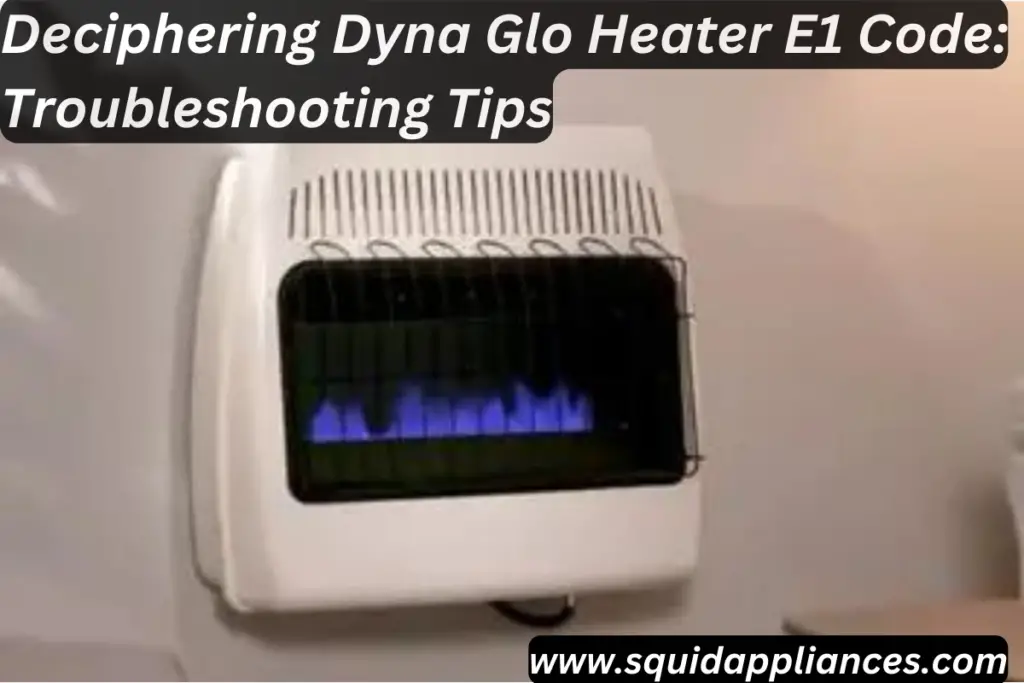
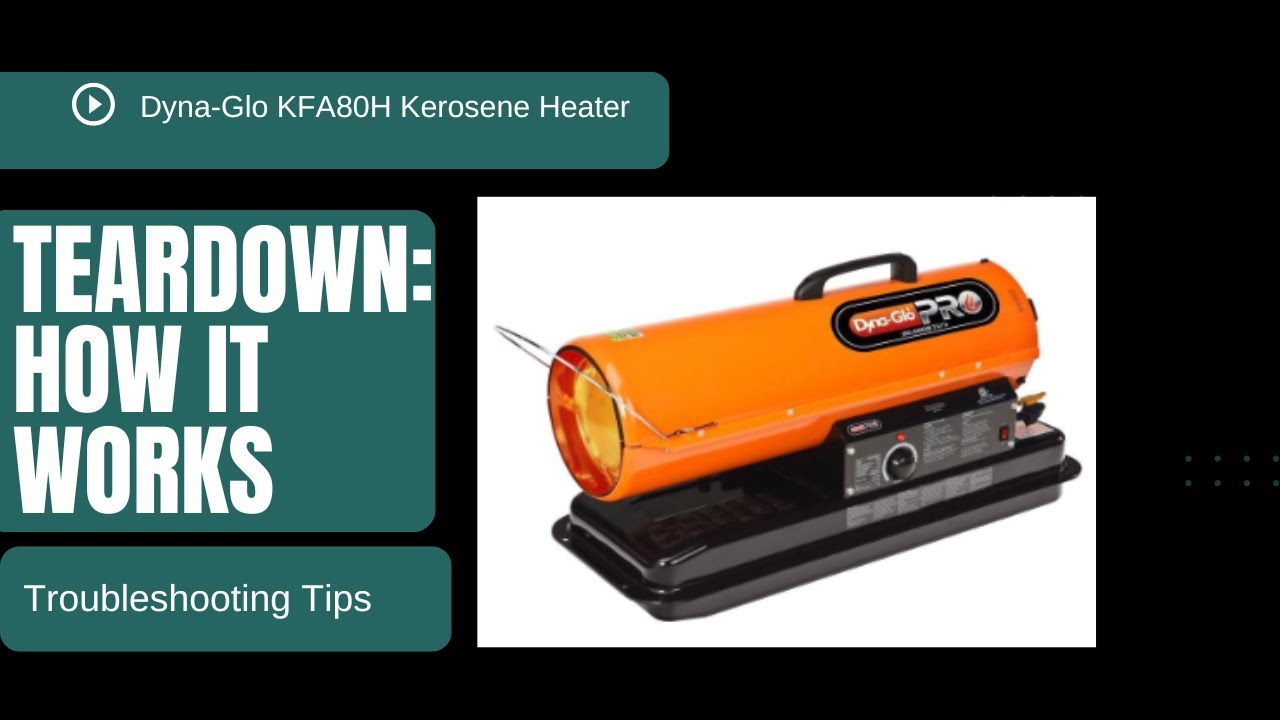
Dyna Glo Pro Heater Troubleshooting

Dyna-Glo Pro heaters are powerful and reliable tools for heating large spaces like garages, workshops, and construction sites. However, like any piece of equipment, they can sometimes experience issues. This guide provides comprehensive troubleshooting steps to help you diagnose and resolve common problems with your Dyna-Glo Pro heater. We'll cover everything from basic checks to more advanced troubleshooting, ensuring you can get your heater back up and running safely and efficiently.
Safety First!
Before attempting any troubleshooting or repair, always disconnect the heater from its power source (unplug it or disconnect the propane tank). Allow the heater to cool down completely. Work in a well-ventilated area and never attempt repairs you are not comfortable performing. If you are unsure, contact a qualified technician.
Understanding Your Heater Type
Dyna-Glo Pro offers various types of heaters, including:
- Propane Forced Air Heaters: These are powerful and efficient, using a fan to distribute heat.
- Kerosene Forced Air Heaters: Similar to propane heaters but use kerosene as fuel.
- Radiant Heaters: These heat objects directly, rather than heating the air.
- Infrared Heaters: A type of radiant heater that emits infrared radiation.
Identifying your heater type is crucial for effective troubleshooting as the components and potential issues differ.
Common Problems and Solutions
1. Heater Won't Start
This is perhaps the most common issue. Here's a breakdown of potential causes and solutions:
a) Fuel Supply Issues (Propane/Kerosene):
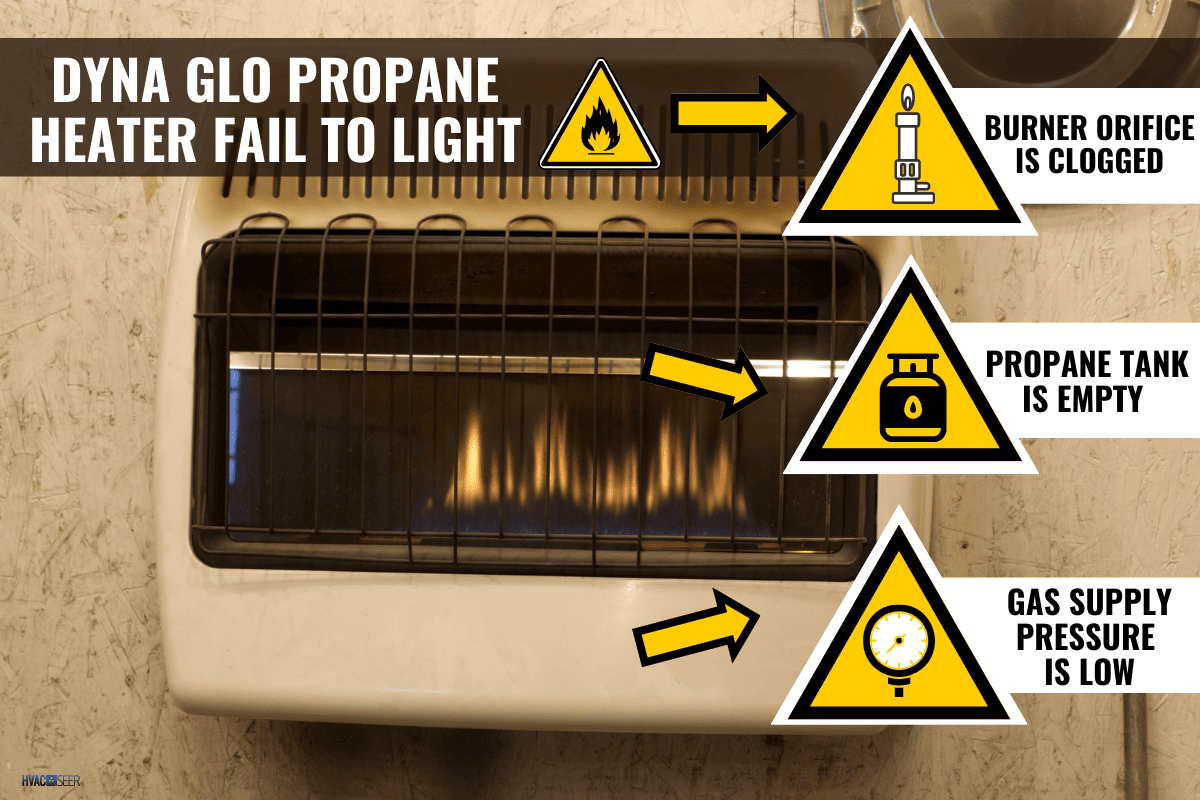
- Empty Tank: This might seem obvious, but always double-check. Ensure the propane tank is full or that the kerosene tank has sufficient fuel.
- Tank Valve Closed: Make sure the valve on the propane tank is fully open.
- Clogged Fuel Filter (Kerosene Heaters): Kerosene heaters have a fuel filter that can become clogged with debris. Locate the filter (refer to your owner's manual) and clean or replace it.
- Fuel Line Obstruction: Check the fuel line for kinks or obstructions that could be preventing fuel flow. Straighten any kinks and ensure the line is securely connected.
- Contaminated Fuel (Kerosene Heaters): If the kerosene is old or contaminated, it can prevent proper ignition. Drain the tank and refill with fresh, clean kerosene.
b) Ignition Problems:
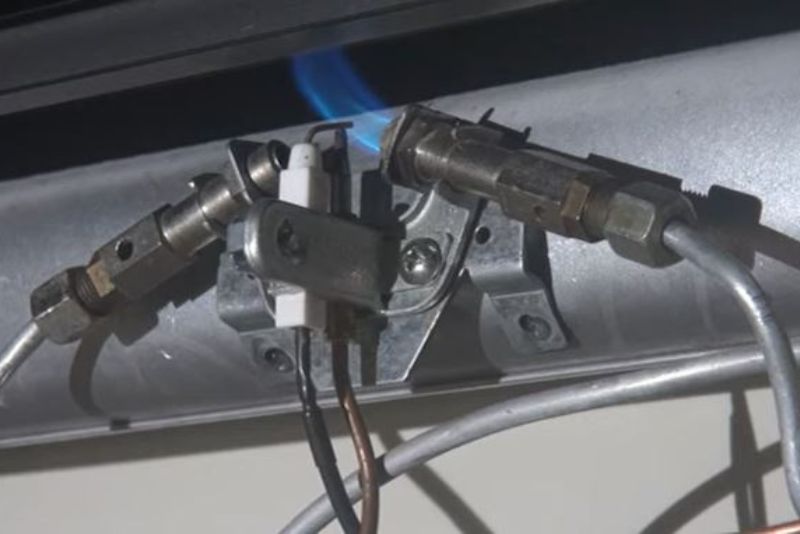
- Spark Igniter Malfunction: Listen for the clicking sound of the igniter when you try to start the heater. If you don't hear it, the igniter may be faulty. Check the igniter for damage or debris. You may need to replace the igniter.
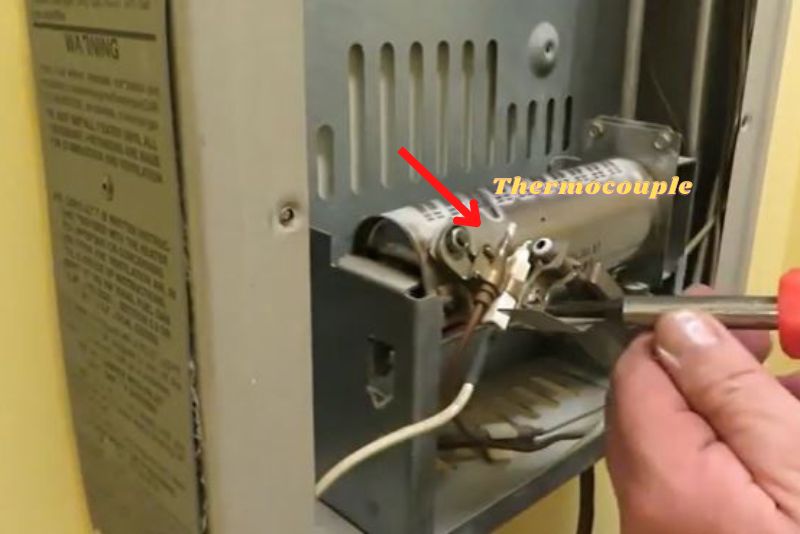
- Thermocouple Issues: The thermocouple is a safety device that senses the presence of a flame. If it's not functioning correctly, it will prevent the heater from staying lit. Inspect the thermocouple for damage or corrosion. A weak thermocouple may need replacement.
- Electronic Ignition Module Failure: Some heaters use an electronic ignition module to generate the spark. If this module fails, the heater won't start. Testing and replacing this module often requires a qualified technician.
c) Electrical Issues:
- Power Cord Problems: Ensure the power cord is securely plugged into a working outlet. Check the cord for damage or frays.
- Circuit Breaker Tripped: Check the circuit breaker for the outlet the heater is plugged into. Reset the breaker if necessary.
- Faulty On/Off Switch: The on/off switch can fail over time. Test the switch with a multimeter to ensure it's functioning correctly.
d) Safety Features:
- Overheat Protection: Most Dyna-Glo Pro heaters have an overheat protection feature that shuts off the heater if it gets too hot. Allow the heater to cool down completely and reset the overheat protection (refer to your owner's manual for the reset procedure).
- Tip-Over Switch: Some heaters have a tip-over switch that shuts off the heater if it's accidentally knocked over. Ensure the heater is on a level surface.
2. Heater Starts, But Shuts Off Quickly
This often indicates a problem with the flame sensor or a lack of consistent fuel supply.
- Thermocouple Failure: As mentioned earlier, a faulty thermocouple can prevent the heater from staying lit. Inspect and potentially replace the thermocouple.
- Dirty Flame Sensor: The flame sensor detects the presence of a flame. If it's dirty or coated with soot, it may not function correctly. Clean the flame sensor with a clean cloth.
- Low Fuel Pressure: Insufficient fuel pressure can cause the heater to shut off. Check the fuel pressure regulator (if applicable) and ensure it's functioning correctly.
- Airflow Obstruction: Restricted airflow can cause the heater to overheat and shut down. Ensure the air intake and exhaust vents are clear of obstructions.
3. Heater Produces Smoke or Odor
This is a serious issue that requires immediate attention. It could indicate incomplete combustion or a fuel leak.
- Incomplete Combustion: This can be caused by a lack of oxygen, a dirty burner, or contaminated fuel. Ensure the heater is in a well-ventilated area. Clean the burner with a wire brush. Use fresh, clean fuel.
- Fuel Leak: Carefully inspect the fuel lines, fittings, and tank for any signs of leaks. If you detect a fuel leak, immediately shut off the fuel supply and ventilate the area. Do not use the heater until the leak is repaired by a qualified technician.
- Improper Fuel Type (Kerosene Heaters): Using the wrong type of fuel in a kerosene heater can cause it to produce smoke and odor. Only use kerosene that is specifically designed for kerosene heaters.
- New Heater Burn-Off: New heaters sometimes produce a slight odor during the initial burn-off period. This is normal and should dissipate after a few hours of use. However, if the odor is strong or persistent, investigate further.
4. Heater Runs Noisily
Excessive noise can indicate a problem with the fan, motor, or burner.
- Fan Blade Obstruction: Check the fan blades for any obstructions that could be causing them to vibrate or make noise. Remove any debris.
- Loose Fan Blades: Tighten any loose fan blades.
- Motor Bearing Failure: A failing motor bearing can cause the motor to run loudly. You may need to replace the motor.
- Dirty Burner: A dirty burner can cause the flame to burn unevenly, resulting in noise. Clean the burner.
- Air Leak: An air leak in the fuel system can cause a whistling or hissing sound. Inspect the fuel lines and fittings for leaks.
5. Heater Produces Insufficient Heat
This could be due to a variety of factors, including a low fuel supply, a dirty burner, or a faulty regulator.
- Low Fuel Supply: Ensure the fuel tank is full or that the fuel line is not obstructed.
- Dirty Burner: Clean the burner to ensure proper combustion.
- Faulty Regulator: The fuel pressure regulator controls the flow of fuel to the burner. If it's not functioning correctly, it can restrict the fuel supply and reduce heat output. You may need to replace the regulator.
- Airflow Obstruction: Restricted airflow can reduce the efficiency of the heater. Ensure the air intake and exhaust vents are clear of obstructions.
- Incorrect Heater Size: Make sure the heater is appropriately sized for the space you are trying to heat. An undersized heater will not be able to effectively heat a large area.
Preventative Maintenance
Regular maintenance can help prevent many of the problems described above. Here are some tips:
- Clean the Heater Regularly: Clean the heater regularly to remove dust, dirt, and debris. Pay particular attention to the burner, fan blades, and air intake/exhaust vents.
- Inspect Fuel Lines and Fittings: Regularly inspect the fuel lines and fittings for leaks or damage. Replace any damaged components.
- Clean or Replace Fuel Filter (Kerosene Heaters): Clean or replace the fuel filter regularly to prevent fuel contamination.
- Store Fuel Properly: Store fuel in a cool, dry place, away from direct sunlight and heat. Use fresh fuel.
- Follow Manufacturer's Instructions: Always follow the manufacturer's instructions for operation and maintenance.
When to Call a Professional
While this guide provides comprehensive troubleshooting steps, some repairs are best left to qualified technicians. Call a professional if:
- You are uncomfortable performing any of the troubleshooting steps.
- You suspect a fuel leak.
- The heater requires complex repairs, such as replacing the motor or electronic ignition module.
- You are unsure about the cause of the problem.
By following these troubleshooting steps and performing regular maintenance, you can keep your Dyna-Glo Pro heater running safely and efficiently for years to come. Remember, safety is paramount, so always prioritize caution when working with fuel-burning appliances.