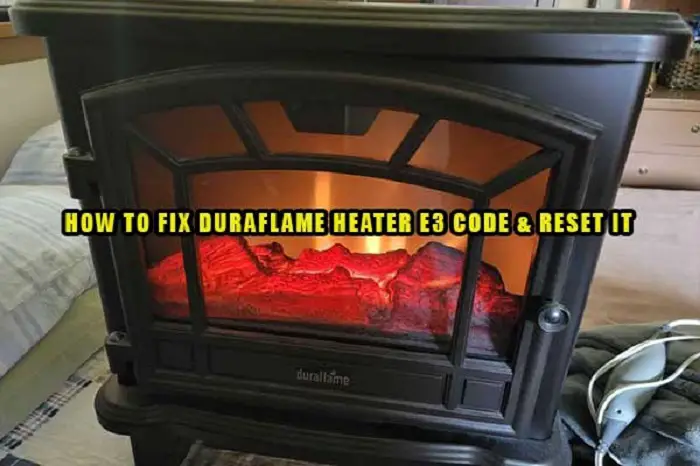
E3 Error Code Heater

Encountering an error code on your heater can be frustrating, especially when you're trying to stay warm during the colder months. One common error code you might see is the E3 error code. This guide will provide you with a detailed understanding of what the E3 error code means, common causes, troubleshooting steps, and when it’s time to call a professional HVAC technician.
Understanding the E3 Error Code
The E3 error code on a heater typically indicates a problem with the flame sensor. The flame sensor is a crucial safety component responsible for detecting the presence of a flame after the igniter has started. If the flame sensor doesn't detect a flame, it signals the control board to shut off the gas supply, preventing a dangerous buildup of unburned gas. Therefore, an E3 error often points to an issue where the heater is attempting to ignite but failing to maintain a consistent flame.
Common Causes of the E3 Error Code
Several factors can contribute to the E3 error code appearing on your heater's display. Let's explore the most frequent culprits:
- Dirty or Faulty Flame Sensor: Over time, the flame sensor can accumulate carbon buildup, hindering its ability to accurately detect the flame. A damaged or failing sensor can also trigger the E3 error.
- Ignition Problems: If the igniter isn't working correctly, the flame won't establish properly, leading the flame sensor to report the error.
- Gas Supply Issues: A disruption in the gas supply, whether due to a closed gas valve, a problem with the gas regulator, or issues with the gas line, can prevent the flame from igniting.
- Blocked or Dirty Burners: Obstructions or debris on the burners can disrupt the flame pattern, preventing the flame sensor from detecting the flame.
- Wiring Issues: Loose, corroded, or damaged wiring connecting the flame sensor to the control board can cause intermittent or complete failure.
- Faulty Control Board: In some cases, the control board itself may be malfunctioning, sending incorrect signals or failing to interpret the flame sensor's readings accurately.
- Ventilation Problems: Inadequate airflow due to blocked vents or a faulty inducer motor can affect combustion and trigger the E3 error.
Troubleshooting the E3 Error Code: A Step-by-Step Guide
Before attempting any repairs, remember to prioritize safety. Turn off the power to your heater at the circuit breaker. This is crucial to prevent electrical shock. Also, if you smell gas at any point, evacuate the area immediately and contact your gas company.
Step 1: Visual Inspection
Start by visually inspecting the heater for any obvious signs of damage or problems.
- Check the Flame Sensor: Locate the flame sensor (typically a thin metal rod positioned near the burner). Look for any signs of carbon buildup, corrosion, or damage.
- Inspect the Wiring: Examine the wiring connected to the flame sensor and the control board. Ensure the connections are secure and free from corrosion.
- Check the Burners: Look for any blockages or debris on the burners.
- Verify Gas Supply: Make sure the gas valve is open and that there are no obvious issues with the gas line.
Step 2: Cleaning the Flame Sensor
If the flame sensor appears dirty, cleaning it might resolve the E3 error.
- Locate the Flame Sensor: It's usually a single metal rod near the burners, held in place by a screw.
- Remove the Flame Sensor: Carefully unscrew the fastener and gently pull the flame sensor out.
- Clean the Flame Sensor: Use a piece of fine-grit sandpaper or steel wool to gently clean the metal rod, removing any carbon buildup or corrosion.
- Reinstall the Flame Sensor: Carefully reinsert the flame sensor and secure it with the screw.
Step 3: Checking the Igniter
A faulty igniter can prevent the flame from establishing, triggering the E3 error.
- Visually Inspect the Igniter: Locate the igniter (it's usually a ceramic component near the burner). Look for any cracks or damage.
- Test the Igniter (with Multimeter): Warning: This step involves electrical components. If you are uncomfortable working with electricity, contact a professional. Using a multimeter set to ohms, check the resistance of the igniter. A reading outside the manufacturer's specified range indicates a faulty igniter.
- Replace the Igniter: If the igniter is damaged or tests outside the acceptable range, replace it with a new one. Follow the manufacturer's instructions for replacement.
Step 4: Checking the Gas Supply
A restricted gas supply can prevent the heater from igniting properly.
- Ensure Gas Valve is Open: Confirm that the gas valve supplying the heater is fully open.
- Check Gas Pressure (If Qualified): Warning: This step requires specialized knowledge and equipment. Only qualified technicians should perform this step. Use a manometer to check the gas pressure at the gas valve. Ensure it falls within the manufacturer's specified range.
- Inspect Gas Line: Look for any kinks or obstructions in the gas line.
Step 5: Clearing Blocked Burners
Blocked or dirty burners can disrupt the flame pattern, preventing the flame sensor from detecting the flame.
- Access the Burners: Remove the burner assembly cover.
- Clean the Burners: Use a brush or vacuum to remove any debris or obstructions from the burner ports.
- Reassemble the Burner Assembly: Carefully reassemble the burner assembly and replace the cover.
Step 6: Checking the Wiring
Loose or corroded wiring can cause intermittent or complete failure of the flame sensor circuit.
- Inspect Wiring Connections: Carefully inspect all wiring connections to the flame sensor and the control board.
- Tighten Loose Connections: Tighten any loose connections.
- Clean Corroded Connections: Clean any corroded connections with a wire brush or electrical contact cleaner.
Step 7: Resetting the Heater
After performing the above troubleshooting steps, reset the heater by turning off the power at the circuit breaker for a few minutes, then turning it back on. This may clear the error code.
Tools and Parts You Might Need
- Screwdrivers (Phillips and flathead)
- Fine-grit sandpaper or steel wool
- Multimeter
- Wire brush or electrical contact cleaner
- Vacuum cleaner or brush
- Replacement flame sensor
- Replacement igniter
Estimating Repair Costs
The cost to repair an E3 error code can vary depending on the underlying cause. Here’s a general estimate:
- Cleaning the Flame Sensor: DIY – $0 - $10 (for sandpaper or steel wool). Professional service call: $75 - $150.
- Replacing the Flame Sensor: DIY – $20 - $50 (for the part). Professional service call: $150 - $300 (including the part and labor).
- Replacing the Igniter: DIY – $30 - $80 (for the part). Professional service call: $200 - $400 (including the part and labor).
- Control Board Replacement: DIY (if experienced) – $100 - $500 (for the part). Professional service call: $300 - $800 (including the part and labor).
- Gas Valve or Regulator Repair/Replacement: Highly recommended to use a professional due to safety concerns. Professional service call: $200 - $600+.
These are just estimates, and the actual cost can vary depending on your location, the specific model of your heater, and the rates charged by the HVAC technician.
When to Call a Professional
While some troubleshooting steps can be performed safely by homeowners, certain situations require the expertise of a qualified HVAC technician.
- If you smell gas. Evacuate the area immediately and contact your gas company and a qualified HVAC technician.
- If you are uncomfortable working with electrical components.
- If you suspect a problem with the gas valve or regulator.
- If you have exhausted all DIY troubleshooting steps and the E3 error code persists.
- If you are unsure about any aspect of the repair process.
Attempting complex repairs without proper knowledge and experience can be dangerous and could potentially damage your heater or create a safety hazard. When in doubt, always err on the side of caution and call a professional.
Preventative Maintenance Tips
Regular maintenance can help prevent the E3 error code and other heater problems.
- Schedule annual professional inspections and tune-ups.
- Replace your air filter regularly (every 1-3 months).
- Keep the area around your heater clean and free from obstructions.
- Visually inspect your heater periodically for any signs of damage or problems.
By following these tips, you can keep your heater running efficiently and safely, and minimize the chances of encountering the dreaded E3 error code.
Disclaimer: This guide is for informational purposes only and should not be considered a substitute for professional advice. Always consult with a qualified HVAC technician for any repairs or maintenance on your heating system. Working with gas and electricity can be dangerous, so prioritize safety at all times.