Ecm Blower Motor Problems

Imagine this: It's a sweltering summer day, or a freezing winter night, and your furnace or air conditioner suddenly stops blowing air. The unit itself is humming, but no comforting cool or warm air is coming through the vents. A likely culprit? The ECM blower motor. This article will guide you through some basic troubleshooting steps you can take to diagnose and potentially resolve the issue, while also highlighting when it's crucial to call in a qualified HVAC technician.
Understanding the ECM Blower Motor
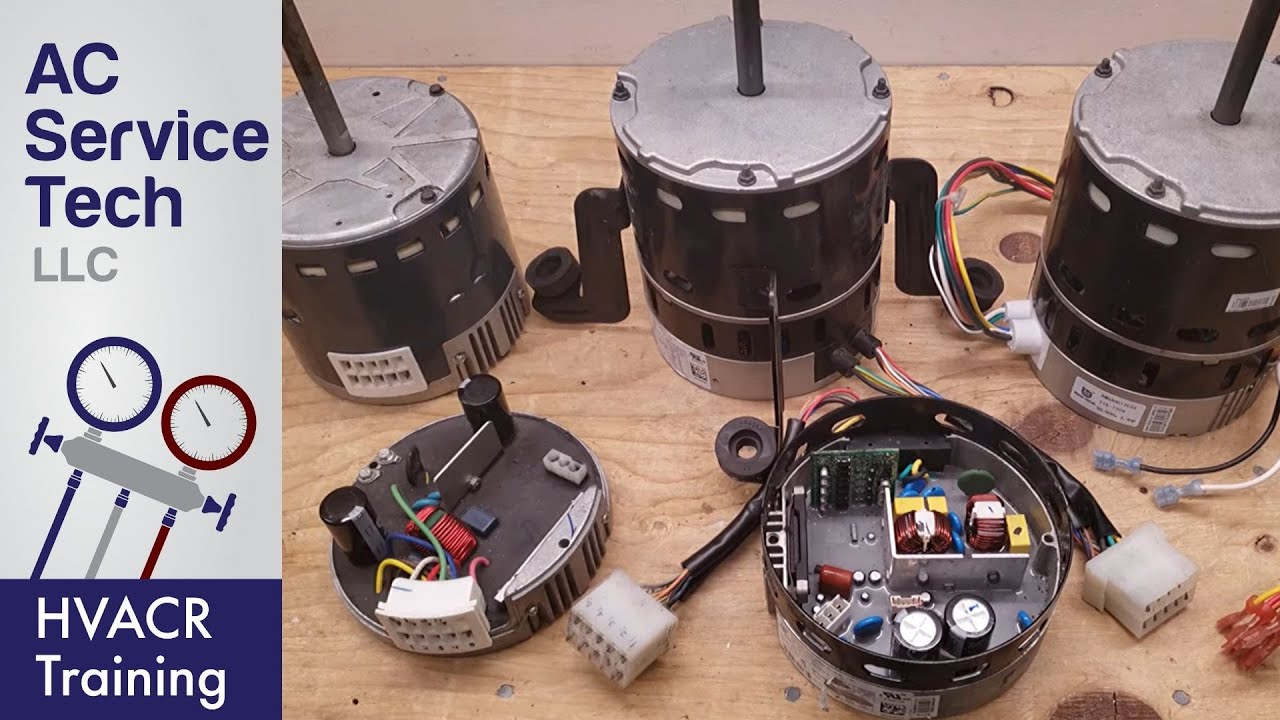
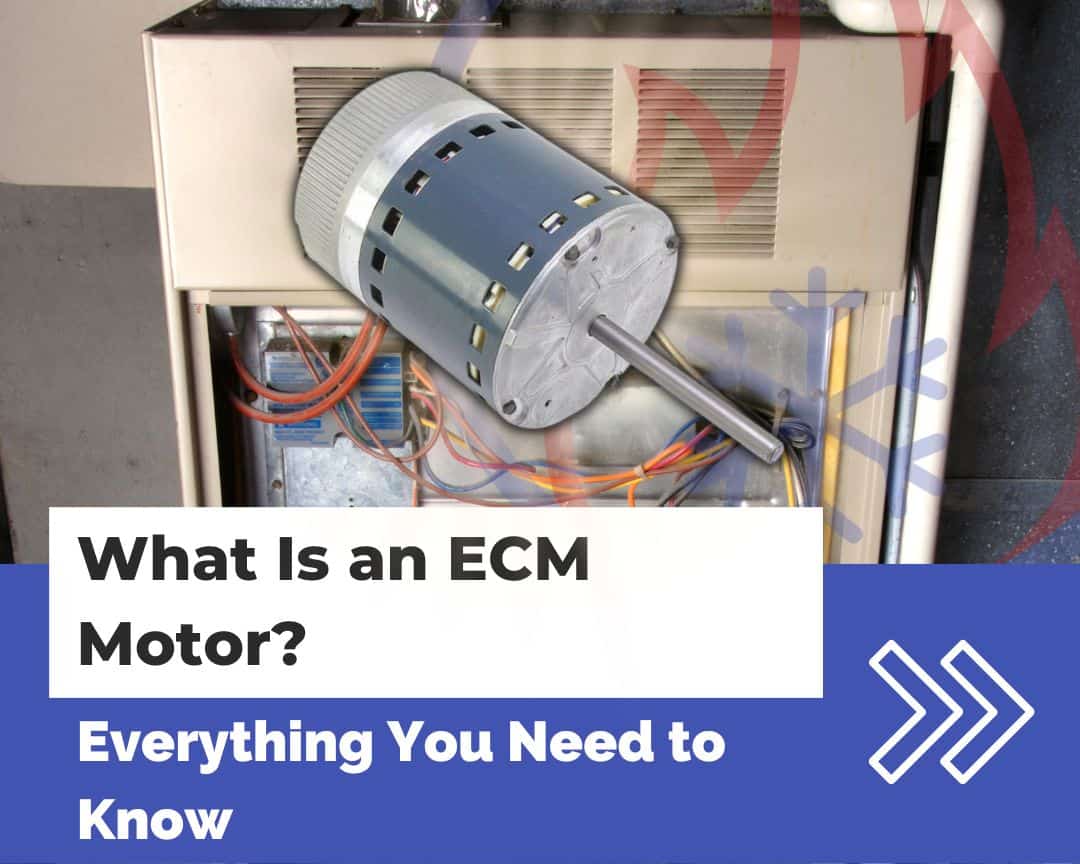
First, let's clarify what we're dealing with. ECM stands for Electronically Commutated Motor. These motors are more energy-efficient and offer more precise control over airflow compared to older, traditional blower motors. They're commonly found in newer, high-efficiency furnaces and air conditioning systems. Because they are electronically controlled, troubleshooting them can sometimes be a bit more complex, but don't worry, we'll start with the basics.
Safety First!
Before you begin any troubleshooting, it's absolutely essential to prioritize your safety.
- Turn off the power! Locate the breaker that controls your furnace or air conditioner and switch it off. This is non-negotiable. Working with electrical components without disconnecting the power can be extremely dangerous.
- Wait a few minutes after turning off the breaker before starting. Some components may retain a charge for a short period.
- If you smell gas, do not attempt any repairs. Immediately leave the building and call your gas company or emergency services.
- If you're uncomfortable working with electrical components, stop now and call a qualified HVAC technician.
Step-by-Step Troubleshooting Guide
1. Basic Checks: Is Power Getting to the Unit?
Even if the unit is humming, there's a chance it's not getting the full power it needs. Start with the simplest checks:
- Check the breaker: Ensure the breaker for your furnace/AC hasn't tripped. If it has, reset it. If it trips again immediately, there's a significant electrical issue, and you need to call an electrician or HVAC technician.
- Check the disconnect switch: Many units have a disconnect switch located near the unit itself (usually a red or yellow switch). Make sure it's in the "on" position.
2. Thermostat Settings and Operation
Sometimes the problem isn't the motor itself, but rather the thermostat settings.
- Verify the thermostat mode: Make sure your thermostat is set to "heat" or "cool" mode, and not "off" or "fan only."
- Check the fan setting: Ensure the fan setting is on "auto" or "on," depending on your desired operation. "Auto" means the fan will only run when the system is heating or cooling. "On" means the fan will run continuously. If it's on "on" and the blower isn't running, that's a problem.
- Increase the temperature/lower the temperature: Make sure you're calling for heat or cool. Raise the temperature setting on the thermostat a few degrees above the current room temperature (for heat) or lower it a few degrees below (for cool). Listen for the unit to start and the blower to engage.
- Check thermostat batteries: Some thermostats require batteries. If the batteries are low, the thermostat may not be able to communicate with the furnace or AC unit. Replace them.
3. Air Filter Inspection
A dirty air filter is a common cause of blower motor problems. A clogged filter restricts airflow, which can cause the motor to overheat and potentially fail.
- Locate the air filter: It's usually located near the furnace or air handler, often in a slot on the side or bottom.
- Remove the filter: Carefully slide the filter out.
- Inspect the filter: If the filter is visibly dirty (covered in dust, dirt, or debris), it needs to be replaced.
- Replace the filter: Install a new filter of the correct size and type. Make sure the arrow on the filter points in the direction of airflow (usually towards the furnace or air handler).
4. Visual Inspection of the Blower Motor and Surrounding Area (POWER OFF!)
With the power off, take a close look at the blower motor and the area around it.
- Look for visible damage: Check for any obvious signs of damage to the motor, such as cracks, burns, or loose wires.
- Check for debris: Remove any debris that may be obstructing the blower wheel. Leaves, dust bunnies, or other objects can prevent the blower wheel from spinning freely.
- Inspect the blower wheel: Gently try to turn the blower wheel by hand. It should spin freely without any significant resistance. If it's difficult to turn, there may be a mechanical issue with the motor or blower assembly.
- Check the motor capacitor (if accessible): Some ECM motors have a capacitor. Exercise extreme caution when working near capacitors as they can hold an electrical charge even after the power is disconnected. Look for bulging, leaking, or other signs of damage. If you suspect a faulty capacitor, DO NOT attempt to test or replace it yourself. Call a qualified HVAC technician.
5. Checking Wiring Connections (POWER OFF!)
Loose or corroded wiring connections can cause intermittent or complete blower motor failure. Again, ensure the power is off before inspecting any wiring.
- Locate the wiring harness: The wiring harness connects the blower motor to the control board.
- Inspect the connections: Carefully check the wiring connections for looseness or corrosion. Gently tug on each wire to ensure it's securely connected.
- Clean corroded connections: If you find any corroded connections, you can try cleaning them with a wire brush or electrical contact cleaner.
- Re-secure loose connections: If any connections are loose, re-secure them.
6. Basic Voltage Check (Advanced - Requires a Multimeter and Knowledge of Electrical Safety - Proceed with Extreme Caution or Call a Professional)
This step requires a multimeter and some basic knowledge of electrical safety. If you're not comfortable using a multimeter or working with electricity, STOP NOW and call a qualified HVAC technician.
With the power ON (exercise extreme caution!), you can use a multimeter to check the voltage at the blower motor. However, be aware that ECM motors are often controlled by a variable voltage signal, making it difficult to get a definitive reading without knowing the specific motor's operating parameters. This is generally best left to a professional.
If you are comfortable and knowledgeable, here's a general approach:
- Refer to the wiring diagram: Locate the wiring diagram for your furnace or air handler. This diagram will show you the voltage requirements for the blower motor.
- Set your multimeter: Set your multimeter to the appropriate voltage setting (AC or DC, depending on the wiring diagram).
- Test the voltage: Carefully touch the multimeter probes to the appropriate terminals on the blower motor wiring harness.
- Compare the reading: Compare the voltage reading to the voltage requirements listed in the wiring diagram. If the voltage is significantly lower than expected, there may be a problem with the power supply or the control board.
When to Call a Professional
While these troubleshooting steps can help you identify and resolve some common blower motor problems, there are certain situations where it's essential to call a qualified HVAC technician:
- You're uncomfortable working with electricity or gas.
- You smell gas.
- The breaker trips repeatedly.
- You see any signs of damage to the blower motor, wiring, or other components.
- The blower motor is making unusual noises (e.g., screeching, grinding).
- You suspect a problem with the control board.
- You suspect a faulty capacitor.
- You've tried the troubleshooting steps above and the blower motor still isn't working.
- Your system is still under warranty. Attempting repairs yourself could void the warranty.
Important Considerations Regarding ECM Motor Replacement
Replacing an ECM blower motor is not a simple DIY project for most homeowners. These motors are often programmed specifically for the unit they're installed in, and require specialized tools and knowledge to properly install and configure.
Do not attempt to replace an ECM motor unless you have:
- The correct replacement motor (identical make and model number).
- The necessary tools (including a multimeter, screwdrivers, and potentially specialized programming tools).
- A thorough understanding of the wiring diagram and the motor's operating parameters.
- Experience working with electrical components.
Even with the proper tools and knowledge, there's a risk of damaging the new motor or the control board if the installation isn't done correctly. It's almost always best to leave ECM motor replacement to a qualified HVAC technician. They have the expertise and equipment to properly diagnose the problem, install the correct replacement motor, and configure it for optimal performance.
Preventative Maintenance
The best way to avoid blower motor problems is to perform regular preventative maintenance on your furnace and air conditioning system.
- Change your air filter regularly: At least every 1-3 months, or more often if you have pets or allergies.
- Schedule annual maintenance: Have a qualified HVAC technician inspect and clean your system annually. They can identify and address potential problems before they become major issues.
- Keep the area around your outdoor unit clear of debris: Ensure that leaves, branches, and other debris don't block airflow to the outdoor unit.
By following these troubleshooting steps and preventative maintenance tips, you can help keep your furnace and air conditioning system running smoothly and efficiently for years to come. Remember, when in doubt, always consult a qualified HVAC technician.