Ecobee Smart Thermostat Premium Vs Enhanced

The smart thermostat market is booming, driven by consumer demand for energy efficiency, convenience, and remote control of their home climate. For HVAC professionals, understanding the features and benefits of leading smart thermostats like those from Ecobee is becoming increasingly crucial. This article delves into a detailed comparison of the Ecobee Smart Thermostat Premium and the Ecobee Smart Thermostat Enhanced, providing valuable insights for HVAC students, experienced technicians, and employers seeking to leverage smart technology.
Ecobee Smart Thermostat Premium Vs. Enhanced: A Technical Comparison
Both the Ecobee Smart Thermostat Premium and Enhanced offer robust features, but key differences exist that impact their suitability for various applications and customer needs.
Key Features Shared by Both Models:
- Smart Home Integration: Seamless compatibility with Amazon Alexa, Google Assistant, and Apple HomeKit.
- Energy Savings: Ecobee claims up to 26% savings on heating and cooling costs. These figures are based on internal studies and real-world user data, and HVAC professionals can use these claims to demonstrate the value proposition to customers.
- Smart Sensor Compatibility: Both work with Ecobee's Smart Sensors (sold separately) to manage hot and cold spots and optimize comfort in specific rooms.
- Mobile App Control: Full control of thermostat settings and scheduling from anywhere via the Ecobee mobile app.
- Learning Capabilities: The thermostats learn your routines and preferences to automatically adjust the temperature for optimal comfort and efficiency.
- Geofencing: Automatically adjusts temperature based on your location (using your smartphone's GPS).
- IFTTT (If This, Then That) Integration: Allows for customized automation and integration with other smart devices.
- Energy Reports: Provides detailed energy usage reports to help users track savings and identify areas for improvement. This data is valuable for HVAC professionals to demonstrate the effectiveness of their installations and offer further energy-saving recommendations.
Ecobee Smart Thermostat Premium: Key Advantages
- Built-in Air Quality Monitor: This is a significant differentiator. The Premium model monitors indoor air quality, including VOCs and CO2 levels, providing alerts and recommendations for improving air quality. This is particularly relevant in today's market, where indoor air quality is a major concern for homeowners.
- Radar Technology: Uses radar to improve occupancy detection. Offers better accuracy in detecting when people are home or away, leading to more efficient energy usage.
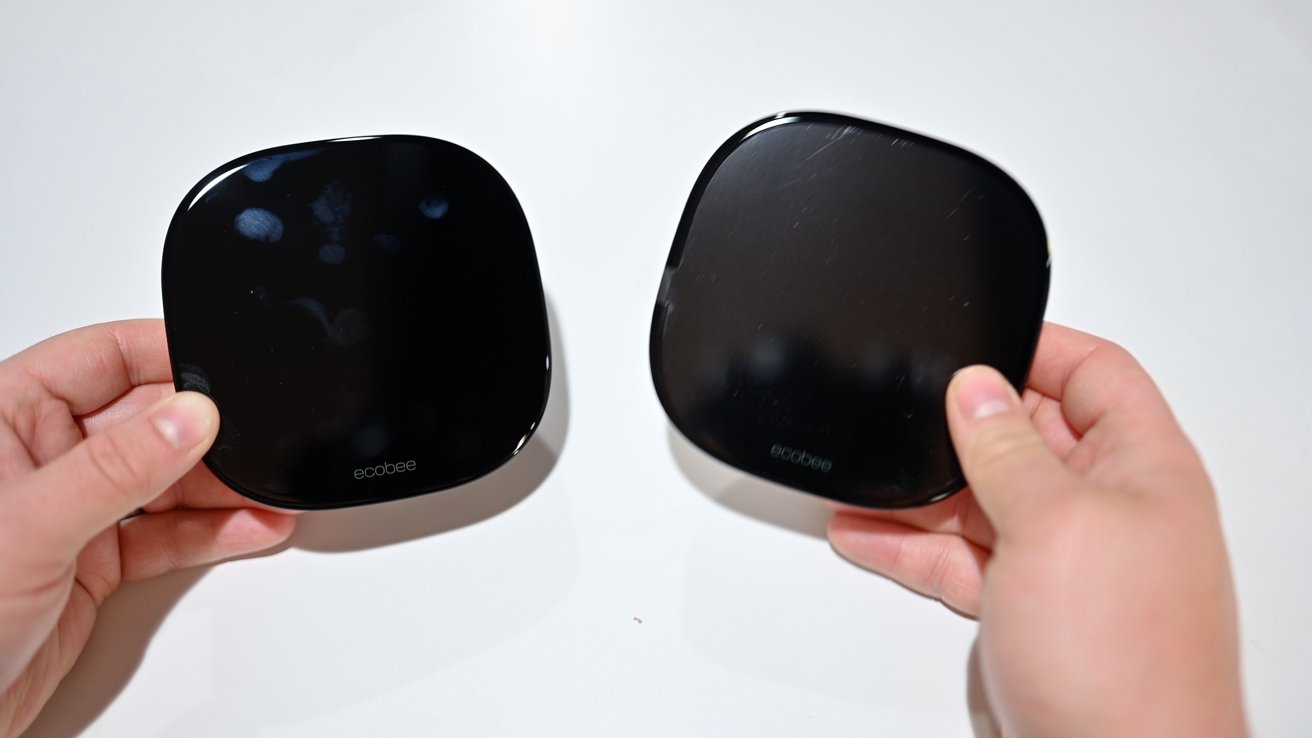
- Glass Touchscreen: Offers a more premium aesthetic and potentially improved durability.
- Includes a Smart Sensor: Comes with one Smart Sensor in the box.
Ecobee Smart Thermostat Enhanced: Key Considerations
- Price Point: Generally more affordable than the Premium model.
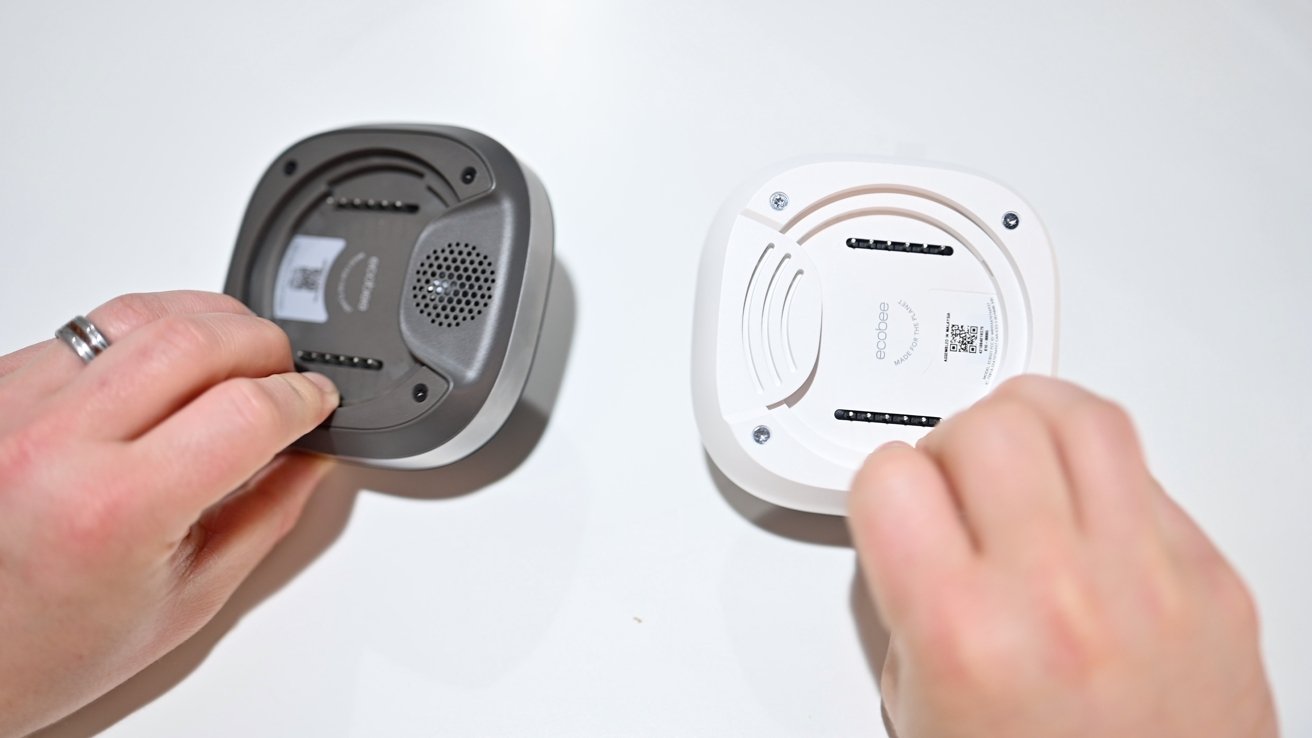
- Simplified Design: Lacks the built-in air quality monitor and radar occupancy detection found in the Premium model.
- Sensor Sold Separately: Smart Sensors are not included and must be purchased separately.
HVAC Career Implications and Smart Thermostat Expertise
The increasing adoption of smart thermostats presents significant opportunities for HVAC professionals. Mastering the installation, configuration, and troubleshooting of these devices is becoming a critical skill. Here's how:
For HVAC Students and Apprentices:
Understanding smart thermostat technology is no longer optional; it's essential. Focus on:
- Wiring and Installation: Smart thermostats often require different wiring configurations than traditional thermostats. Practice proper wiring techniques and understand the importance of low-voltage circuits.
- Networking and Connectivity: Learn about Wi-Fi connectivity, network security, and troubleshooting common network issues.
- Smart Home Integration: Gain familiarity with various smart home platforms (Amazon Alexa, Google Assistant, Apple HomeKit) and how they integrate with smart thermostats.
- Energy Efficiency Principles: Understand the principles of heating and cooling efficiency, and how smart thermostats can optimize energy usage.
Consider pursuing NATE (North American Technician Excellence) certification, specifically the HVAC Efficiency Analyst certification, to demonstrate your expertise in energy-efficient HVAC systems, including smart thermostat integration. The median salary for HVAC technicians is around $50,590 per year (Bureau of Labor Statistics, May 2022), and technicians with specialized skills in smart home technology can often command higher wages.
For Experienced HVAC Technicians:
Upskilling in smart thermostat technology can significantly enhance your career prospects and earning potential. Consider:
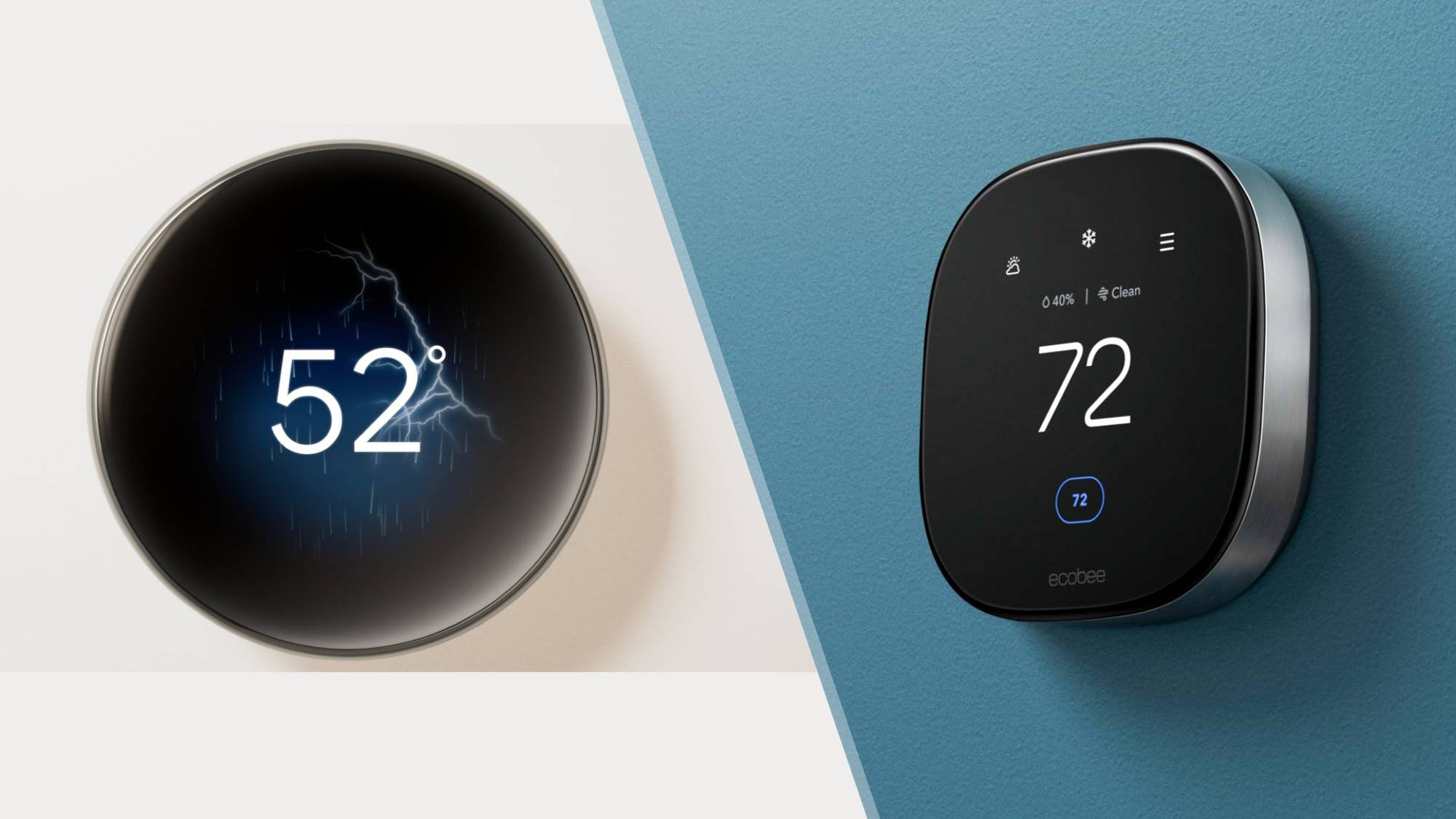
- Manufacturer-Specific Training: Attend training sessions offered by smart thermostat manufacturers like Ecobee and Nest. These sessions provide in-depth knowledge of their products and installation procedures.
- Advanced Troubleshooting: Develop advanced troubleshooting skills to diagnose and resolve complex issues related to smart thermostats, such as connectivity problems, sensor malfunctions, and integration errors.
- Sales and Marketing: Learn how to effectively communicate the benefits of smart thermostats to customers and position yourself as a trusted advisor.
Holding certifications like EPA 608 (required for handling refrigerants) and demonstrating expertise in smart thermostat technology can open doors to higher-paying positions, such as lead technician or service manager. The job outlook for HVAC technicians is projected to grow 6 percent from 2022 to 2032, about as fast as the average for all occupations (Bureau of Labor Statistics).
For HVAC Employers:
Investing in training and certification for your technicians in smart thermostat technology is crucial for staying competitive in the market. Consider:
- Providing Training Opportunities: Offer in-house training programs or subsidize external training courses for your technicians.
- Encouraging Certification: Encourage your technicians to pursue relevant certifications, such as NATE and EPA 608.
- Investing in Diagnostic Tools: Equip your technicians with the necessary diagnostic tools and equipment for troubleshooting smart thermostat issues.
- Promoting Smart Home Expertise: Market your company as a provider of smart home HVAC solutions to attract customers who are interested in energy efficiency and automation.
Companies that embrace smart technology are better positioned to attract and retain both customers and skilled employees. Offering competitive salaries and benefits packages, along with opportunities for professional development, is essential for building a high-performing team.
Real-World Career Paths:
Here are some examples of how expertise in smart thermostat technology can shape your HVAC career:
- Smart Home HVAC Specialist: Focus on installing, configuring, and troubleshooting smart thermostats and other smart home HVAC devices.
- Energy Efficiency Consultant: Advise homeowners and businesses on how to optimize their energy usage through smart HVAC systems and other energy-efficient technologies.
- HVAC Sales Engineer: Sell smart HVAC systems and services to commercial and residential clients, highlighting the benefits of energy efficiency and automation.
- HVAC Service Manager: Oversee a team of HVAC technicians and ensure that they have the skills and knowledge to handle smart thermostat installations and repairs.
Conclusion
The Ecobee Smart Thermostat Premium offers advanced features like the built-in air quality monitor and radar occupancy detection, making it a compelling choice for customers who prioritize air quality and precise occupancy sensing. The Ecobee Smart Thermostat Enhanced provides a more budget-friendly option for those seeking core smart thermostat functionality. For HVAC professionals, staying ahead of the curve by mastering smart thermostat technology is essential for career advancement and business success. Embrace the opportunities presented by this rapidly evolving field, and you'll be well-positioned to thrive in the future of HVAC.