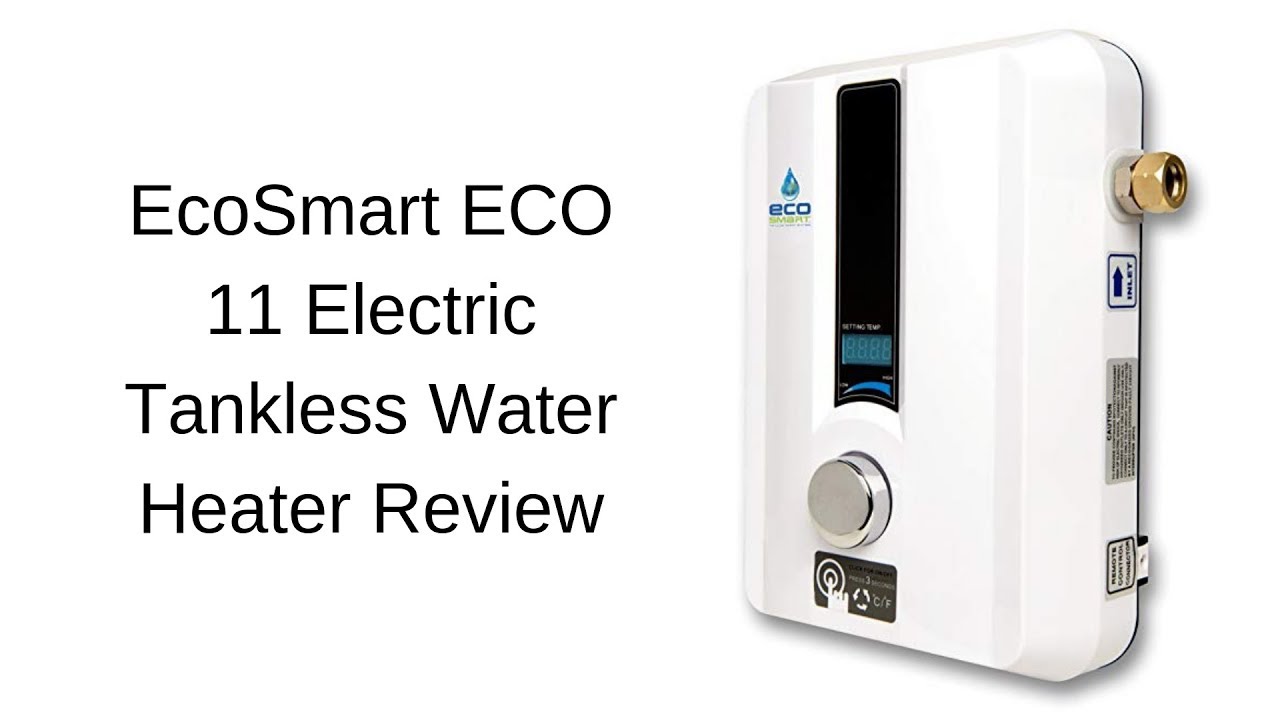
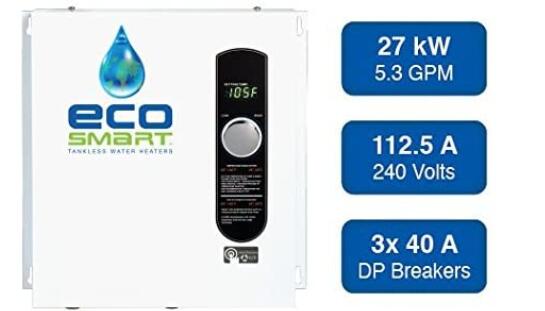
Ecosmart Tankless Water Heaters
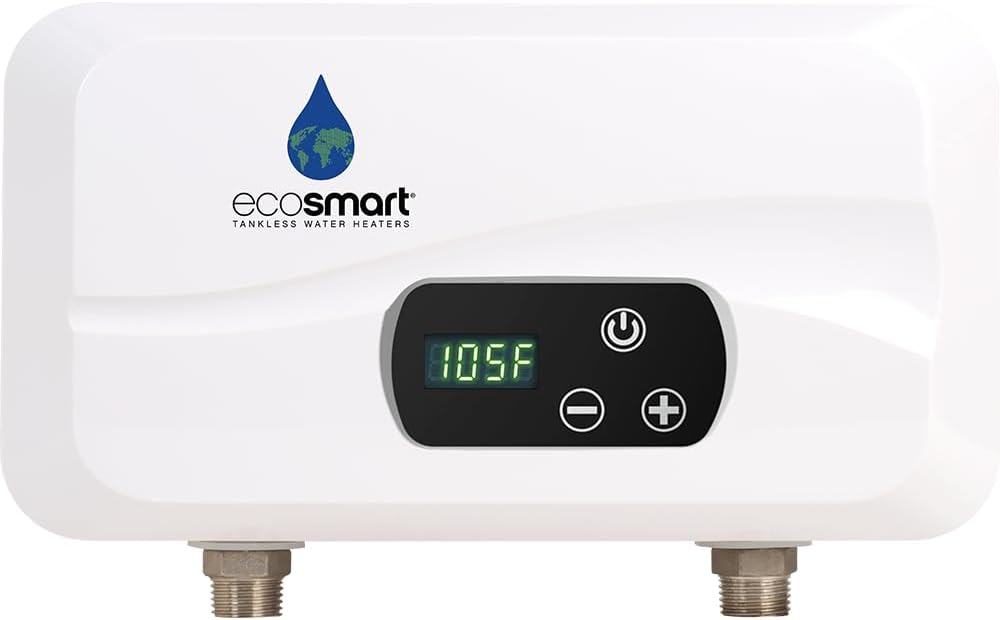
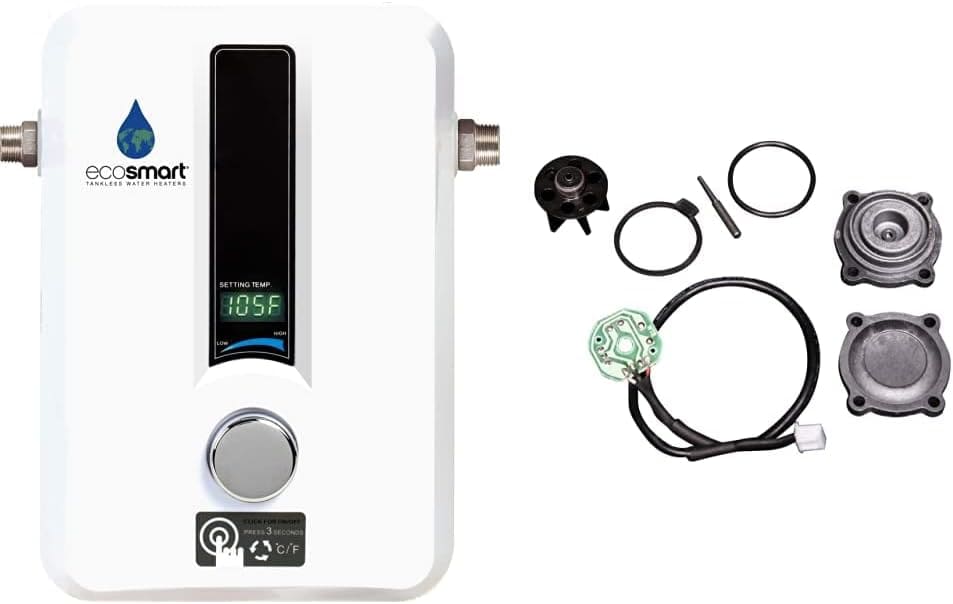
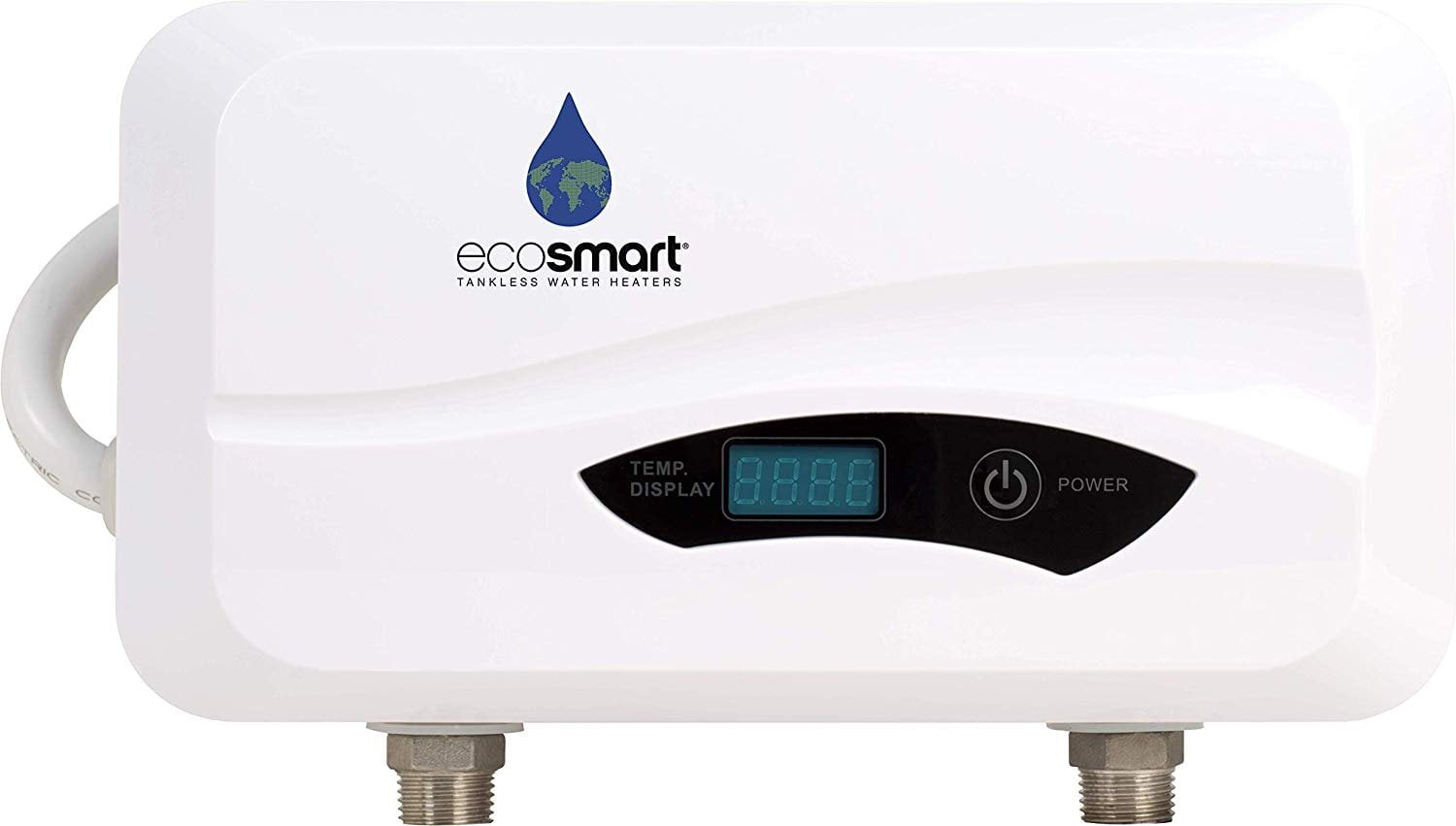
Ecosmart tankless water heaters offer a convenient and energy-efficient way to heat water on demand. However, like any appliance, they can occasionally experience problems. One of the most frustrating issues homeowners face is inconsistent water temperature – either the water is not heating to the desired temperature, or it fluctuates between hot and cold during use.
Diagnosing Inconsistent Water Temperature
Before calling a professional, let's run through a systematic diagnosis to see if you can identify and resolve the problem yourself. We'll start with checks that require no tools, and then move onto a few basic troubleshooting steps.
Step 1: Initial Assessment (No Tools Required)
First, gather some information. This will help narrow down the possible causes:
- What fixtures are affected? Is the problem only in one faucet, or all faucets in the house? If it's only one faucet, the problem is likely localized to that fixture (aerator blockage, faulty valve) and not the water heater itself.
- When did the problem start? Did it start suddenly, or has it been gradually worsening? Sudden issues can point to power problems or major component failures, while gradual issues often indicate scaling or blockage.
- What's the flow rate like? Is the water pressure normal at the affected fixtures? Low flow can prevent the water heater from activating properly.
- What temperature is the unit set to? Confirm that the temperature setting on the Ecosmart unit itself is set to your desired temperature. Accidental adjustments happen!
Step 2: Check the Basics (No Tools Required)
Let's rule out some common, simple causes:
- Simultaneous Hot Water Use: Tankless water heaters have a flow rate limit. If someone is running the shower while you're trying to wash dishes, the unit may struggle to keep up, leading to temperature fluctuations. Try running only one hot water fixture at a time to see if the problem persists.
- Bypass Valves: Some homes have bypass valves installed on the water heater plumbing. These allow water to bypass the heater entirely. Ensure that any bypass valves are fully closed. Even a slightly open bypass valve can dilute the hot water and cause temperature issues.
- Air in the Lines: If you recently had plumbing work done, there might be air trapped in the water lines. Run each hot water faucet in your home for a few minutes to purge any trapped air.
Step 3: Electrical Supply Check (No Tools, But Safety First!)
Ecosmart tankless water heaters require a significant amount of electricity. An inadequate or fluctuating power supply can cause heating problems.
- Breaker Check: Locate the breaker for your Ecosmart unit in your electrical panel. Make sure the breaker is fully switched ON. If it's tripped, reset it. If it trips again immediately, this could indicate a more serious electrical fault that requires a qualified electrician. Do not keep resetting the breaker!
- Voltage Fluctuations (Observe, Don't Test): Pay attention to other appliances in your home while the water heater is running. Do lights flicker? Do other appliances seem to struggle? This could indicate voltage fluctuations in your home's electrical system, which an electrician needs to address.
Step 4: Flow Rate Test (Requires a Measuring Cup and Timer)
Tankless water heaters require a minimum flow rate to activate. If the flow rate is too low, the unit won't fire up properly.
- Test Procedure: Place a measuring cup (at least 1 liter or 1 quart in size) under a hot water faucet. Time how long it takes to fill the cup completely. Calculate the flow rate in gallons per minute (GPM) or liters per minute (LPM). For example, if it takes 15 seconds to fill a 1-liter cup, the flow rate is 4 LPM (60 seconds / 15 seconds = 4).
- Compare to Specs: Consult your Ecosmart owner's manual to find the minimum flow rate required for your specific model. If your measured flow rate is below the minimum, you need to investigate the cause of the low flow. Potential causes include:
- Clogged Faucet Aerator: Remove and clean the aerator on the affected faucet. Calcium buildup is a common culprit.
- Clogged Showerhead: Remove and clean the showerhead.
- Partially Closed Shut-Off Valve: Check the shut-off valves under the sink or near the water heater. Ensure they are fully open.
- Low Water Pressure: If the water pressure throughout your home is generally low, you may need to contact a plumber to investigate your home's plumbing system.
Step 5: Scale Buildup Inspection (Requires Basic Tools - Screwdriver, Wrench)
Scale buildup (mineral deposits) inside the water heater is a common cause of reduced performance and inconsistent water temperature, especially in areas with hard water.
- External Signs (Observe, Don't Disassemble): Look for any signs of mineral buildup around the water heater's fittings and connections. White or chalky deposits indicate hard water and potential internal scaling.
- Flushing the Unit (DIY with Caution): Ecosmart recommends flushing the unit periodically to remove scale buildup. Consult your owner's manual for specific instructions for your model. Generally, this involves:
- Disconnecting Power: Turn off the breaker to the water heater.
- Closing Shut-Off Valves: Close the cold water inlet and hot water outlet valves on the water heater.
- Connecting a Pump: Connect a submersible pump and hoses to the drain valves on the water heater.
- Circulating Vinegar: Circulate a solution of white vinegar through the water heater for several hours to dissolve mineral deposits.
- Flushing with Water: Flush the unit thoroughly with clean water to remove any remaining vinegar and scale.
- Important Safety Note: Flushing a tankless water heater involves working with water and electricity. If you are not comfortable with these tasks, hire a qualified plumber.
Step 6: Filter Check (Requires Basic Tools - Wrench)
Some Ecosmart models have a built-in filter to prevent debris from entering the unit. A clogged filter can restrict water flow and affect performance.
- Locate the Filter: Consult your owner's manual to find the location of the filter on your specific model.
- Disconnect Power and Water: Turn off the breaker to the water heater and close the cold water inlet valve.
- Remove and Inspect the Filter: Carefully remove the filter and inspect it for debris.
- Clean or Replace the Filter: Clean the filter thoroughly or replace it with a new one if it's heavily clogged.
- Reassemble: Reinstall the filter, open the cold water inlet valve, and turn the breaker back on.
When to Call a Professional
If you've gone through these troubleshooting steps and are still experiencing inconsistent water temperature, it's time to call a qualified HVAC technician or plumber experienced with Ecosmart tankless water heaters. Here are some situations that definitely require professional help:
- Electrical Issues: If you suspect any electrical problems, such as a tripped breaker that keeps tripping, do not attempt to fix it yourself. Electricity is dangerous, and you could be seriously injured.
- Gas Leaks (for Gas Models): If you smell gas, immediately evacuate your home and call your gas company and the fire department.
- Complex Internal Problems: If you suspect a problem with the water heater's internal components, such as the flow sensor, heating elements, or circuit board, do not attempt to disassemble the unit. These repairs require specialized knowledge and tools.
- Persistent Low Flow: If you've ruled out clogged fixtures and valves, and the water pressure in your home is generally low, you may have a problem with your home's plumbing system that requires professional diagnosis and repair.
- No Hot Water at All: If you've tried all the basic troubleshooting steps and are still not getting any hot water, there may be a more serious problem with the water heater that requires professional attention.
Important: Attempting to repair complex issues yourself can void your warranty and potentially damage the water heater further. It's always best to err on the side of caution and call a professional when you're unsure.
By following these troubleshooting steps, you can often diagnose and resolve common problems with your Ecosmart tankless water heater. Remember to always prioritize safety and call a professional when necessary. With proper maintenance and prompt attention to issues, your Ecosmart tankless water heater can provide years of reliable and efficient hot water.


:max_bytes(150000):strip_icc()/amazon-ecosmart-eco-11-electric-tankless-water-heater-fb638dc2d47e4cffbbdf4c51c47056e1.jpg)