Electric Anode Rods For Water Heaters

One of the most frustrating homeownership experiences is stepping into the shower and finding only lukewarm or no hot water at all. While numerous factors can cause this, a often-overlooked culprit in electric water heaters is the anode rod, especially if you have hard water.
This article will guide you through a simple, step-by-step process to diagnose and potentially resolve issues related to your electric water heater's anode rod. We'll cover basic checks you can perform yourself, tools you might need, and, most importantly, when it's time to call in a qualified professional.
Understanding the Anode Rod's Role
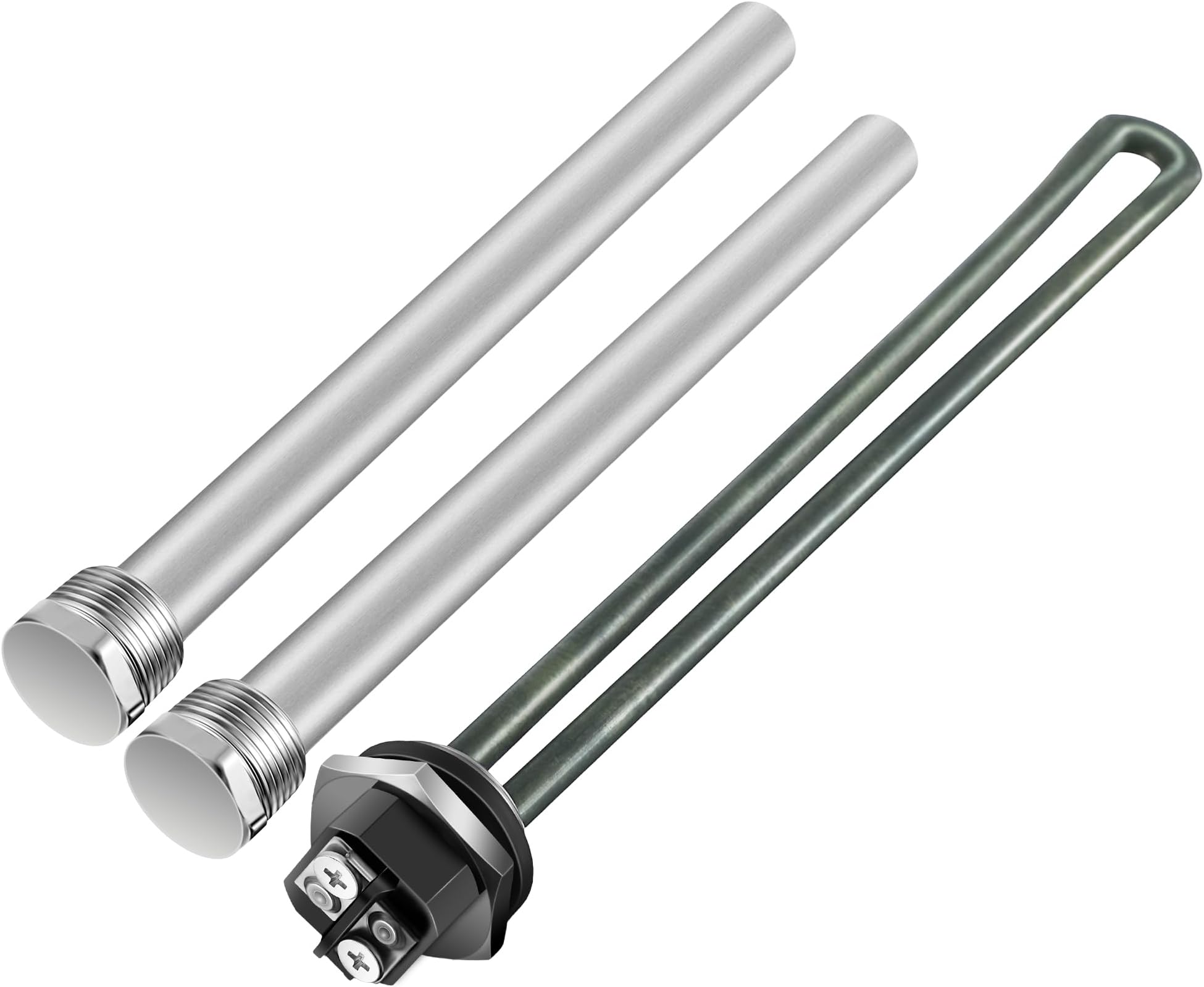
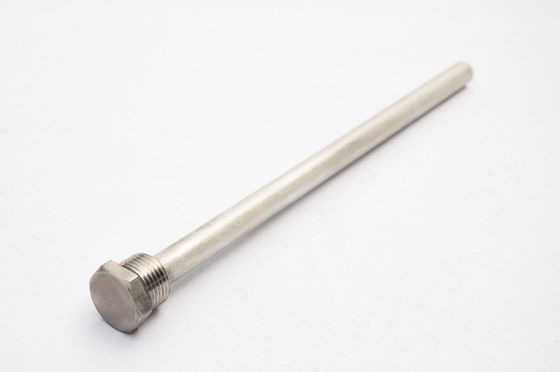
Before diving into troubleshooting, it's crucial to understand what an anode rod does. Think of it as a sacrificial lamb. Your water heater tank is made of steel, which is susceptible to corrosion. The anode rod, typically made of aluminum, magnesium, or zinc, is designed to corrode *instead* of the tank. It attracts corrosive elements in the water, effectively prolonging the life of your water heater. An electric anode rod uses a small electrical current to protect the tank, which is especially useful in areas with softened water, where standard anode rods can become ineffective.
Initial Checks (No Tools Required)
Let's start with the easiest checks – the ones that don't require any tools. This is about gathering information to narrow down the potential causes.
1. Check the Thermostat Settings
This might seem obvious, but it's the first and simplest thing to check. Ensure the thermostat on your water heater is set to the desired temperature, usually around 120-130°F (49-54°C). It’s also helpful to confirm that the thermostat hasn't been accidentally turned down or off.
2. Check the Circuit Breaker
Locate the circuit breaker for your water heater in your electrical panel. Is the breaker tripped (in the "off" position)? If so, reset it by flipping it to the "off" position and then back to the "on" position. If the breaker trips again immediately, there's likely a more significant electrical issue requiring professional attention – do not repeatedly reset the breaker.
3. Check for Obvious Leaks
Visually inspect the area around your water heater for any signs of leaks. Even a small, persistent leak can indicate a problem with the tank or connections, and a corroded anode rod can contribute to this.
4. Water Heater Age
How old is your water heater? Water heaters typically last 8-12 years. If yours is older, the lack of hot water could simply be due to its age and overall wear and tear, regardless of the anode rod's condition. The date of manufacture is usually stamped on the water heater's label.
Diagnosing Potential Anode Rod Issues (Tools Required)
If the initial checks don't reveal the problem, you'll need some basic tools to investigate further. Safety is paramount when working with electrical appliances and water. Always turn off the circuit breaker to the water heater before performing any of the following steps.
Tools You'll Need:
- Multimeter: To test for voltage and continuity.
- Adjustable Wrench: To remove the anode rod.
- Socket Set: Depending on the type of anode rod and its access point.
- Pipe Wrench: For stubborn fittings.
- Penetrating Oil (e.g., WD-40): To loosen corroded parts.
- Bucket or Hose: To drain some water from the tank.
- Gloves: To protect your hands.
- Eye Protection: Safety glasses or goggles.
- Screwdrivers (Phillips and Flathead): To access the anode rod.
Step-by-Step Anode Rod Inspection:
- Turn Off the Power and Water: Locate the circuit breaker for your water heater and switch it off. Then, turn off the cold water supply valve to the water heater.
- Drain Some Water: Connect a hose to the drain valve at the bottom of the water heater and drain a few gallons of water into a bucket or nearby drain. This will reduce the pressure in the tank and make it easier to remove the anode rod.
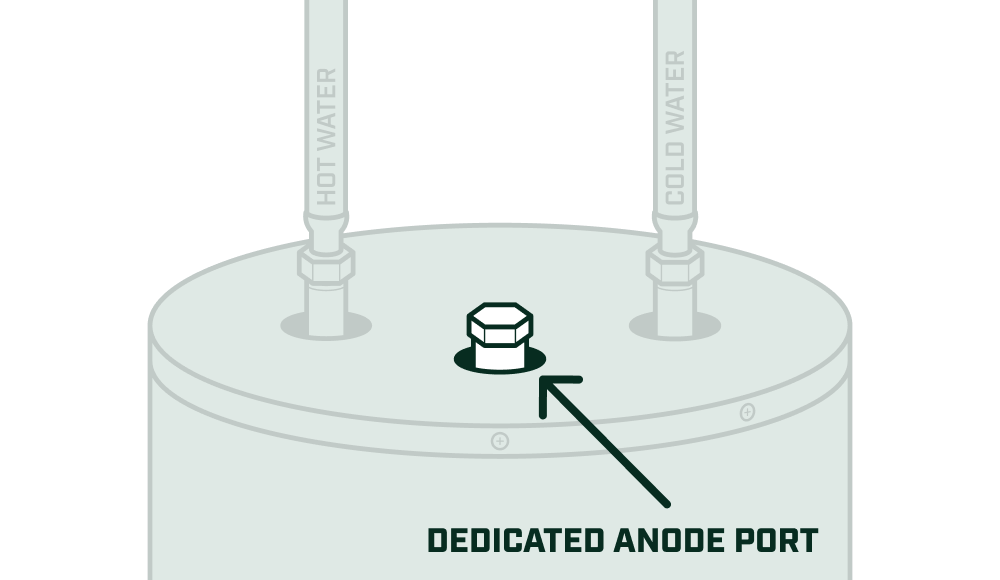
- Locate and Access the Anode Rod: The anode rod is usually located on the top of the water heater. It may be under an access panel. Some water heaters have the anode rod integrated with the hot water outlet. You might need to remove some insulation to expose the rod's access point.
- Remove the Anode Rod: This can be the trickiest part. The anode rod can be very tightly secured, especially if it's been in place for many years.
- Apply penetrating oil to the threads of the anode rod fitting and let it sit for 15-30 minutes.
- Use an adjustable wrench or socket set to loosen the fitting. Be prepared to apply significant force. If it's extremely difficult to remove, consider calling a plumber to avoid damaging the water heater.
- Once the fitting is loose, carefully unscrew the anode rod. Be aware that some water may still come out.
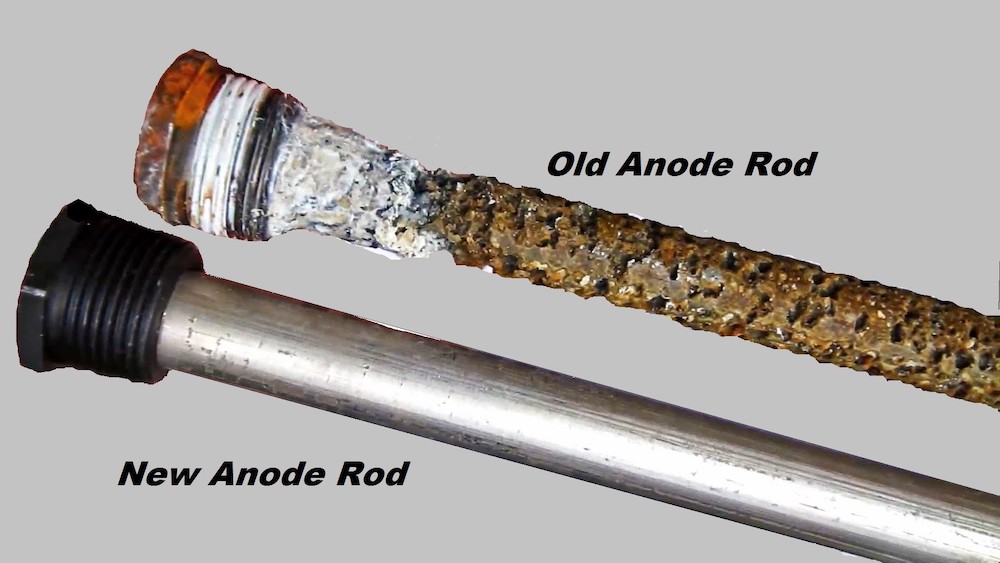
- Inspect the Anode Rod: Examine the anode rod closely. A healthy anode rod should be relatively thick and intact. Signs that it needs replacement include:
- Significant Corrosion: If the rod is heavily corroded, pitted, or has large chunks missing.
- Thin or Bare Wire Core: If the metal has corroded away, leaving only a thin wire core, or if the core is exposed.
- Completely Dissolved: If the rod is almost completely gone, leaving only a small stub.
Testing an Electric Anode Rod with a Multimeter:
Because electric anode rods use a small electrical current, you can use a multimeter to test if it's functioning properly. Remember to turn the power back ON to the water heater circuit breaker AFTER you have reinstalled the anode rod and *before* you attempt to test it with the multimeter.
- Set the Multimeter: Set your multimeter to measure DC voltage.
- Locate the Anode Rod Wire: Find the wire connected to the electric anode rod. It usually runs from the rod to the water heater's control panel or a separate power source.
- Test the Voltage:
- Place the positive (red) probe of your multimeter on the wire connected to the anode rod.
- Place the negative (black) probe on the metal casing of the water heater.
- Read the Voltage: A functioning electric anode rod should show a small voltage reading, typically in the range of 1-5 volts DC. A reading of 0 volts indicates that the rod is not receiving power or is not functioning correctly.
DIY Actions You Can Take
Based on your diagnosis, here are some DIY actions you might be able to take:
1. Replace the Anode Rod
If the anode rod is heavily corroded, replacing it is a relatively straightforward process. Purchase a new anode rod that is compatible with your water heater model. Make sure the new rod is the correct length and has the same thread size. Teflon tape can be used on the threads. Before reinserting the new anode rod, be sure to flush the tank. Follow the reverse steps of removal to install the new rod. Ensure the fitting is tightened securely, but do not overtighten. Once installed, slowly turn the water supply back on and check for leaks.
2. Check and Tighten Connections
If you notice any loose connections or fittings around the water heater, tighten them carefully. Use two wrenches – one to hold the fitting in place and the other to tighten the connection. This can prevent leaks and improve efficiency.
When to Call a Professional
While many anode rod issues can be addressed with basic DIY skills, some situations require the expertise of a qualified plumber or HVAC technician. Do not attempt repairs beyond your comfort level.
Call a Professional If:
- You're Uncomfortable Working with Electricity or Plumbing: If you are not confident in your ability to safely handle electrical wiring or plumbing connections, it's best to leave the work to a professional.
- The Anode Rod Is Severely Stuck: If you cannot remove the anode rod despite using penetrating oil and applying significant force, you risk damaging the water heater tank. A professional has specialized tools and experience to remove stubborn anode rods.
- You Suspect a More Serious Issue: If you've replaced the anode rod and the water heater still isn't producing hot water, there may be a more significant problem with the heating elements, thermostat, or other components.
- The Water Heater Is Leaking from the Tank: A leaking water heater tank often indicates internal corrosion and failure. Replacing the entire unit is usually the most cost-effective solution.
- You Have an Electric Water Heater with Complex Wiring: Electric water heaters can have complex wiring configurations. If you are unsure how to test or troubleshoot the electrical components, consult a professional.
- Repeated Tripping of the Circuit Breaker: This is a sign of a serious electrical issue that requires immediate attention. A professional can diagnose the cause of the short circuit and repair it safely.
- If the anode rod breaks off inside the tank.
Preventative Maintenance
The best way to avoid anode rod problems is to perform regular maintenance on your water heater. Here are a few tips:
- Flush the Water Heater Annually: Flushing the tank removes sediment buildup that can accelerate corrosion and reduce efficiency.
- Inspect the Anode Rod Every Few Years: Check the anode rod every 2-3 years, or more frequently if you have hard water.
- Consider a Powered Anode Rod: If you have softened water or consistently experience anode rod corrosion, a powered (electric) anode rod can provide superior protection.
- Maintain Proper Water Chemistry: If you're on well water, consider having your water tested regularly to ensure it's not overly acidic or corrosive.
By understanding the role of the anode rod and following these troubleshooting steps, you can potentially save money on costly repairs and extend the life of your water heater. Remember to prioritize safety and call a professional when needed.