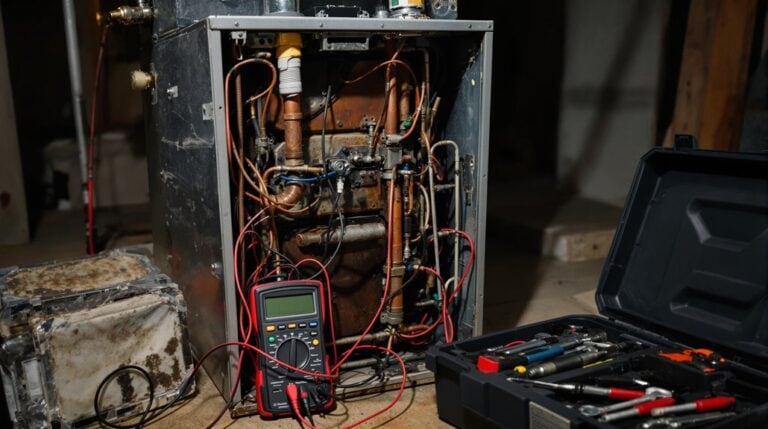
Electric Furnace Heating Element Not Working
Facing a chilly home and spiking energy bills? A malfunctioning electric furnace heating element could be the culprit. While gas furnaces often dominate the conversation, electric furnaces are a common heating solution, especially in regions with lower electricity costs or where natural gas isn't readily available. This article delves into diagnosing and addressing heating element issues, emphasizing energy efficiency and cost savings for homeowners, businesses, and HVAC professionals alike.
Understanding Electric Furnaces and Heating Elements
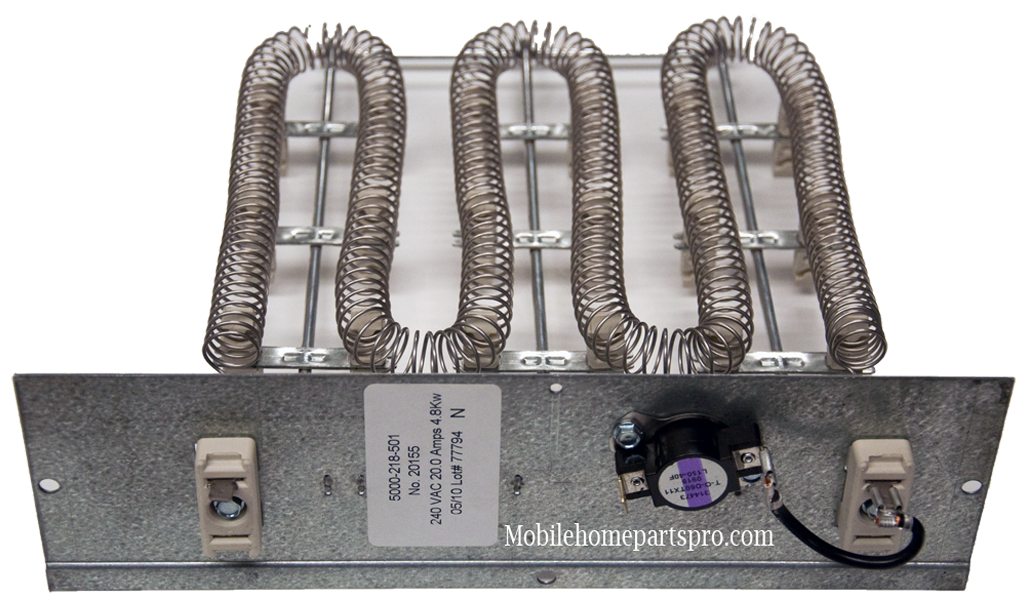
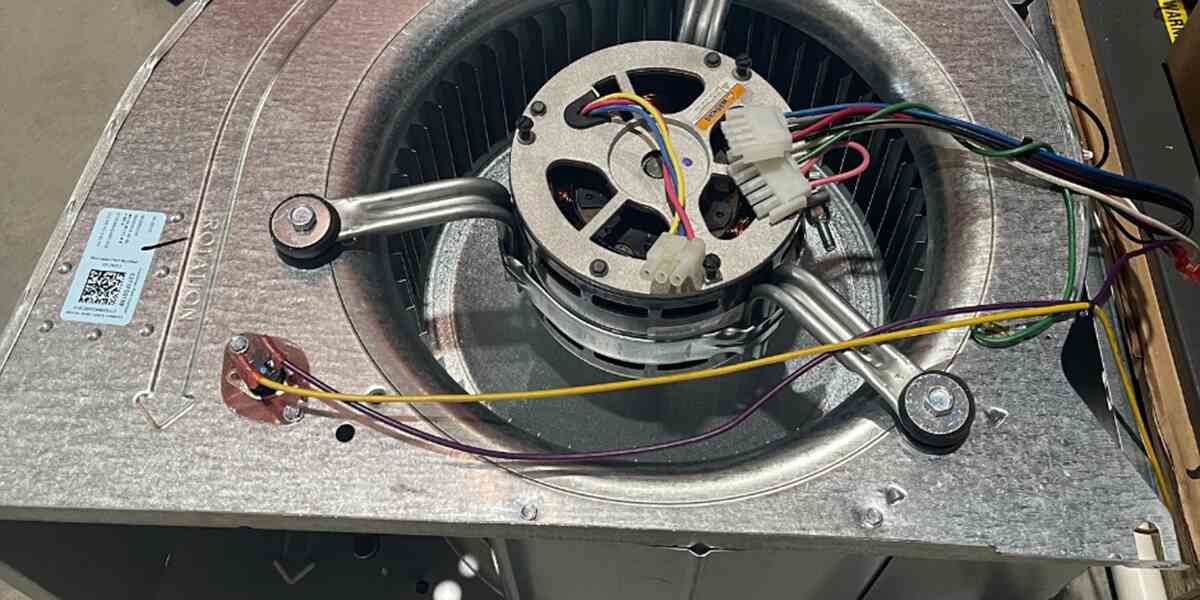
Electric furnaces operate on a simple principle: electricity passes through a high-resistance coil (the heating element), generating heat. A blower then circulates this warm air throughout your home or building. These elements are the heart of the system, and when they fail, your heating capacity plummets.
Unlike gas furnaces, electric furnaces boast near 100% efficiency in converting electricity to heat. However, electricity costs can be higher than natural gas, making efficient operation crucial. A failing heating element doesn't just mean less heat; it also means your furnace works harder, consuming more energy and potentially leading to higher bills.
Common Symptoms of a Faulty Heating Element
Recognizing the signs of a failing heating element is the first step towards a fix. Look out for these telltale indicators:
- Insufficient Heat: This is the most obvious symptom. The air coming from your vents feels lukewarm or cold.
- Uneven Heating: Some rooms might be warmer than others, suggesting that some elements are working while others aren't.
- Burning Smell: A burning odor could indicate a damaged element or dust buildup on a hot element.
- Tripped Circuit Breaker: A shorted heating element can overload the circuit and trip the breaker dedicated to your furnace. If the breaker trips repeatedly, it's a strong indication of an electrical problem.
- Higher Energy Bills: If your energy bill has suddenly increased without a corresponding change in usage, a struggling heating element could be the reason.
Diagnosing the Problem: A Step-by-Step Guide
Before calling an HVAC technician, you can perform some basic troubleshooting. Safety First! Always turn off the power to your furnace at the circuit breaker before inspecting any components.
- Visual Inspection: Check the heating elements for any visible signs of damage, such as cracks, breaks, or burn marks.
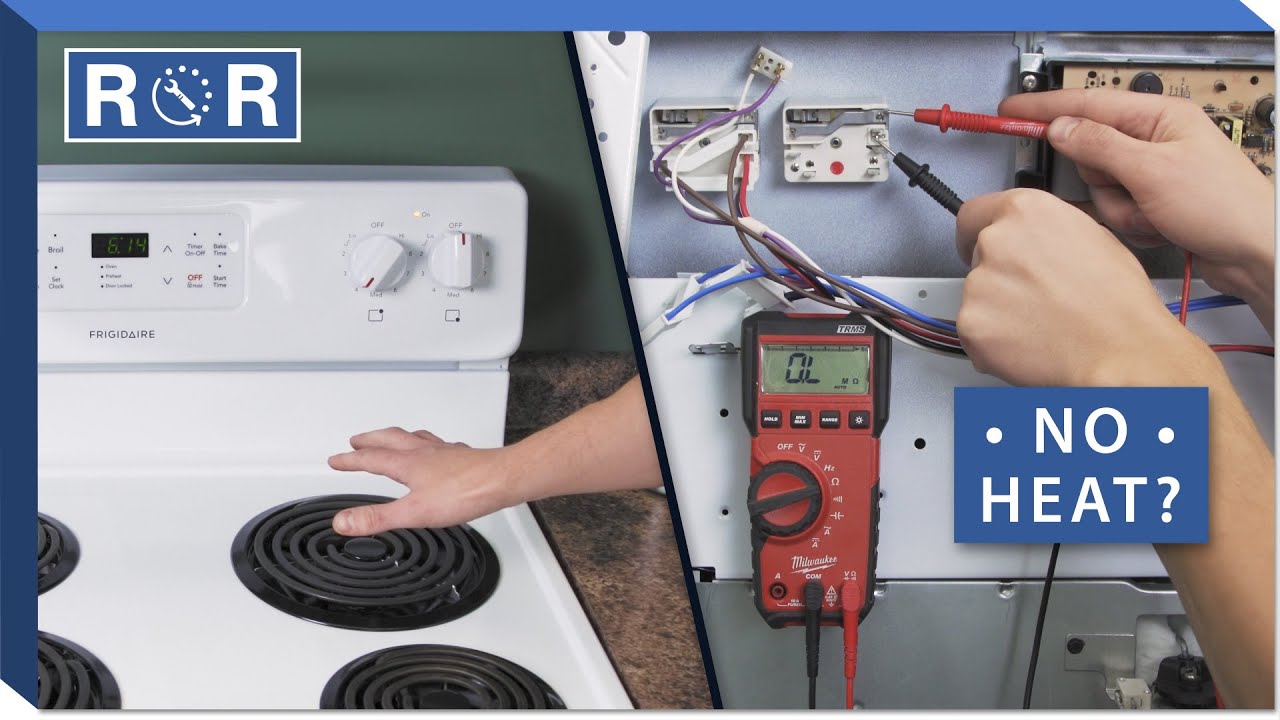
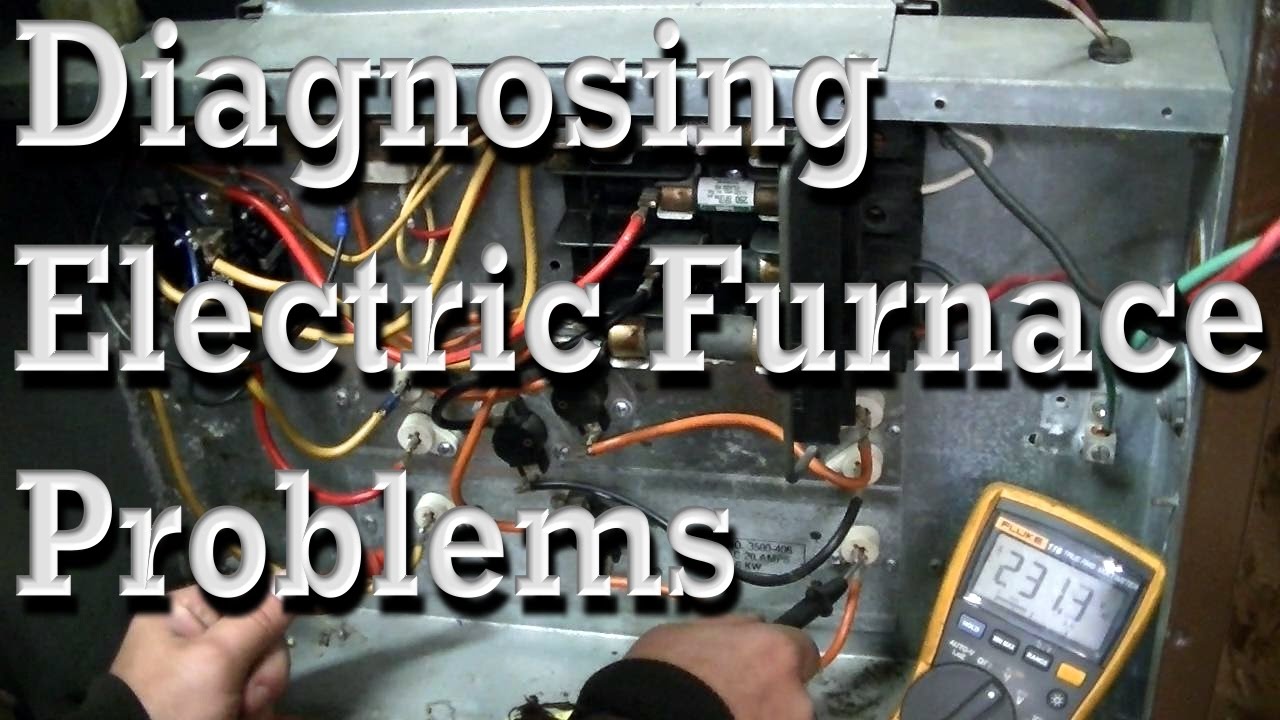
- Continuity Test: This is the most reliable method. Using a multimeter, test the continuity of each heating element. A working element should show a low resistance reading (typically between 10 and 30 ohms, but consult your furnace's manual for specific values). An open circuit (infinite resistance) indicates a failed element.
- Voltage Test: (Advanced - proceed with caution) With the power on (and proper safety precautions), use a multimeter to check for voltage at the heating element terminals. If voltage is present but the element isn't heating, the element is likely faulty.
- Check the Sequencer: The sequencer controls the order in which the heating elements turn on and off. A faulty sequencer can prevent elements from receiving power.
- Inspect the High Limit Switch: This safety device shuts down the furnace if it overheats. A tripped or faulty high limit switch can prevent the heating elements from operating.
Important Note: If you're uncomfortable working with electricity, or if you suspect a major electrical problem, always call a qualified HVAC technician.
Replacing a Heating Element: A Detailed Guide
If you've determined that a heating element is faulty, you can often replace it yourself, saving on labor costs. However, ensure you have the necessary skills and tools.
- Turn off the Power: Absolutely crucial! Disconnect the power to the furnace at the circuit breaker.
- Remove the Access Panel: Unscrew and remove the access panel to expose the heating elements.
- Disconnect the Wires: Carefully disconnect the wires from the faulty heating element. Note the wire positions for correct reassembly.
- Remove the Old Element: Depending on the design, the heating element may be held in place by screws, clips, or brackets. Remove these fasteners and carefully extract the old element.
- Install the New Element: Install the new heating element in the reverse order, ensuring it's securely fastened.
- Reconnect the Wires: Reconnect the wires to the new element, matching the original configuration.
- Replace the Access Panel: Reinstall the access panel and secure it with screws.
- Turn on the Power: Restore power to the furnace at the circuit breaker.
- Test the Furnace: Turn on the furnace and verify that the new heating element is working correctly.
Caution: Always use a replacement heating element that is the exact same voltage, wattage, and physical size as the original. Using the wrong element can damage your furnace or create a fire hazard.
Optimizing Energy Efficiency: Beyond Heating Element Replacement
Replacing a faulty heating element is just one step towards improving your electric furnace's efficiency and lowering your energy bills. Consider these additional measures:
- Regular Maintenance: Schedule annual furnace maintenance to ensure all components are functioning optimally. This includes cleaning the blower, checking for leaks, and inspecting the heating elements.
- Air Filter Replacement: A dirty air filter restricts airflow, forcing the furnace to work harder and consume more energy. Replace your air filter every 1-3 months, or more frequently if you have pets or allergies. Energy Star recommends checking your filter monthly.
- Ductwork Sealing: Leaky ductwork can waste up to 30% of your heating and cooling energy. Seal any leaks with duct tape or mastic sealant. Consider professional duct sealing for optimal results.
- Insulation Upgrade: Proper insulation in your walls, attic, and floors can significantly reduce heat loss, allowing your furnace to work less. Aim for Energy Star recommended insulation levels for your climate zone.
- Smart Thermostat Integration: A smart thermostat allows you to program your heating schedule and remotely control your furnace. Many smart thermostats also offer features like geofencing and energy usage reports, helping you optimize your energy consumption. Studies show that smart thermostats can save homeowners an average of 10-12% on heating costs.
- Consider a Heat Pump: In milder climates, a heat pump can be a more energy-efficient alternative to an electric furnace. Heat pumps transfer heat rather than generating it, making them significantly more efficient. While the initial investment is higher, the long-term energy savings can be substantial.
Government Incentives and Rebates
Many government programs and utility companies offer incentives and rebates for energy-efficient upgrades, including furnace maintenance, insulation upgrades, and smart thermostat installations. Check the Energy Star website or your local utility company for available programs. These incentives can significantly reduce the upfront cost of these upgrades, making them even more attractive from an ROI perspective.
"Upgrading to energy-efficient HVAC systems and insulation can lead to significant long-term cost savings and reduce your carbon footprint," - U.S. Department of Energy
Choosing the Right HVAC Contractor
When selecting an HVAC contractor for furnace repair or maintenance, look for companies with:
- Experience and Expertise: Choose a contractor with a proven track record of working on electric furnaces.
- Certifications: Look for contractors who are NATE-certified (North American Technician Excellence).
- Positive Reviews and References: Check online reviews and ask for references from previous customers.
- Transparent Pricing: Obtain a detailed quote before work begins, outlining all costs involved.
- Energy Efficiency Focus: Choose a contractor who is knowledgeable about energy-efficient HVAC solutions and can help you optimize your system for maximum savings.
ROI and Long-Term Cost Savings
Investing in energy-efficient HVAC solutions and proper maintenance offers a significant return on investment (ROI). By addressing heating element issues, optimizing your furnace's performance, and implementing energy-saving measures, you can:
- Reduce Energy Bills: Lower your monthly energy bills and save money over the long term.
- Extend Furnace Lifespan: Regular maintenance and prompt repairs can extend the lifespan of your furnace, delaying the need for costly replacements.
- Increase Home Value: Energy-efficient homes are more attractive to potential buyers and can command a higher resale price.
- Improve Comfort: A properly functioning furnace provides consistent and comfortable heating throughout your home.
- Reduce Environmental Impact: By reducing your energy consumption, you're also reducing your carbon footprint and contributing to a more sustainable future.
Conclusion: Proactive Maintenance for a Warmer, Greener Home
Addressing a malfunctioning electric furnace heating element is a crucial step towards maintaining a comfortable and energy-efficient home. By understanding the symptoms, diagnosing the problem, and implementing energy-saving measures, you can significantly lower your energy bills, extend the lifespan of your furnace, and contribute to a more sustainable environment. Whether you're a homeowner, a business owner, or an HVAC professional, embracing energy-efficient HVAC solutions is a win-win for your wallet and the planet. Remember to leverage available government incentives and rebates to maximize your ROI and ensure a warmer, greener future.