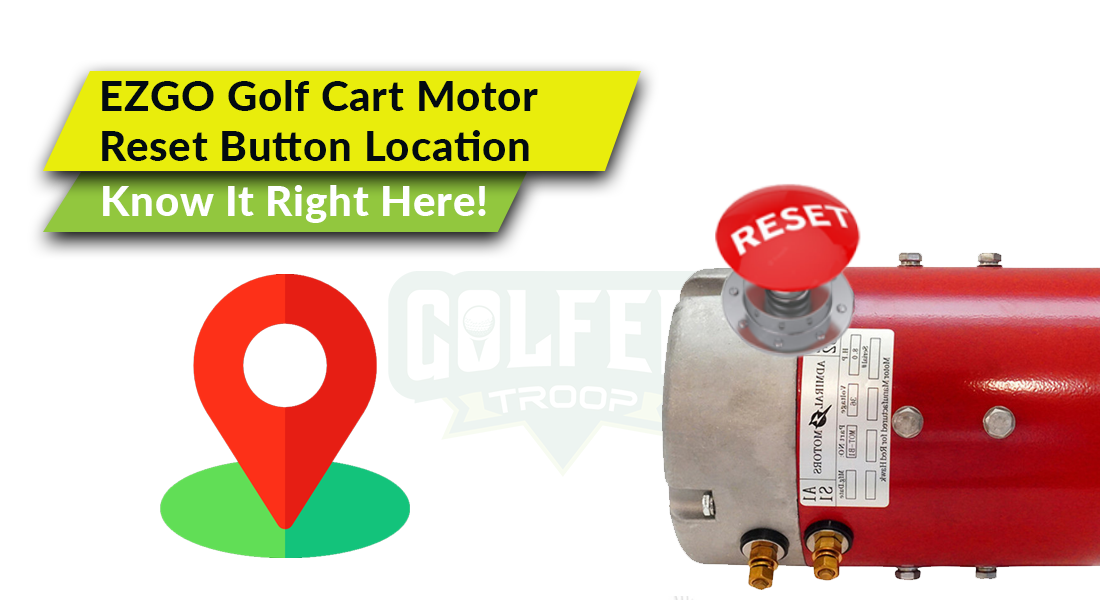
Electric Motor Reset Button
Electric Motor Reset Button: Your Key to HVAC Efficiency and Lower Energy Bills
The unsung hero of many HVAC systems, the electric motor reset button, often gets overlooked. Yet, understanding its function and when to use it can save you money, prevent costly repairs, and even contribute to a more sustainable lifestyle. This article delves into the electric motor reset button, explaining its role in protecting your HVAC system, troubleshooting common issues, and optimizing your energy consumption.
What is an Electric Motor Reset Button and Why is it Important?
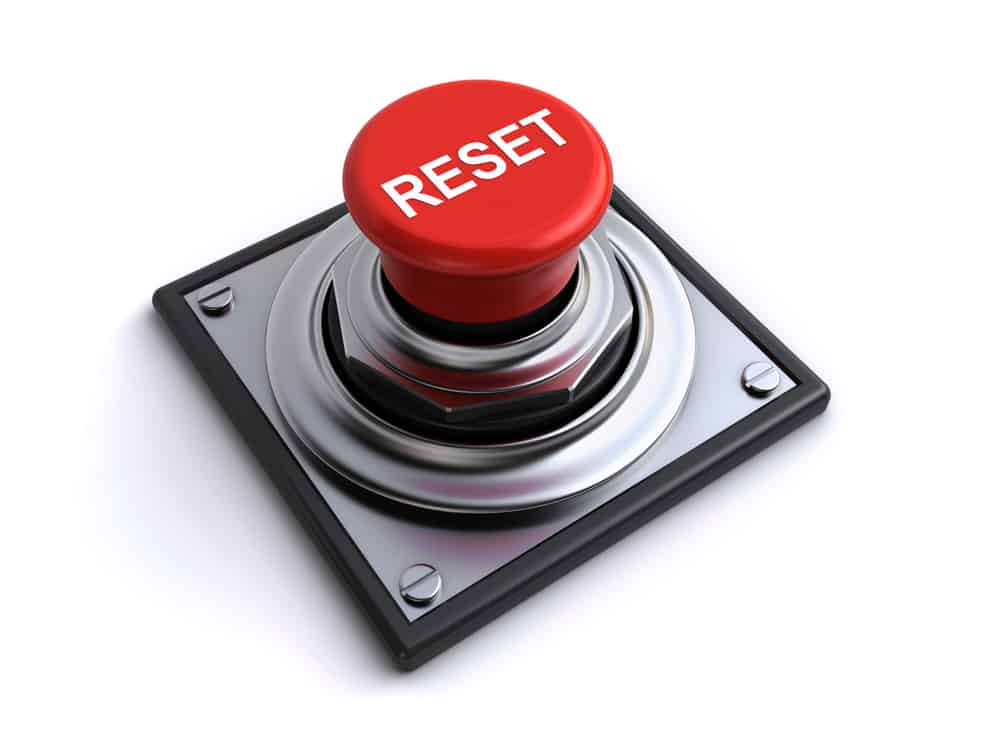
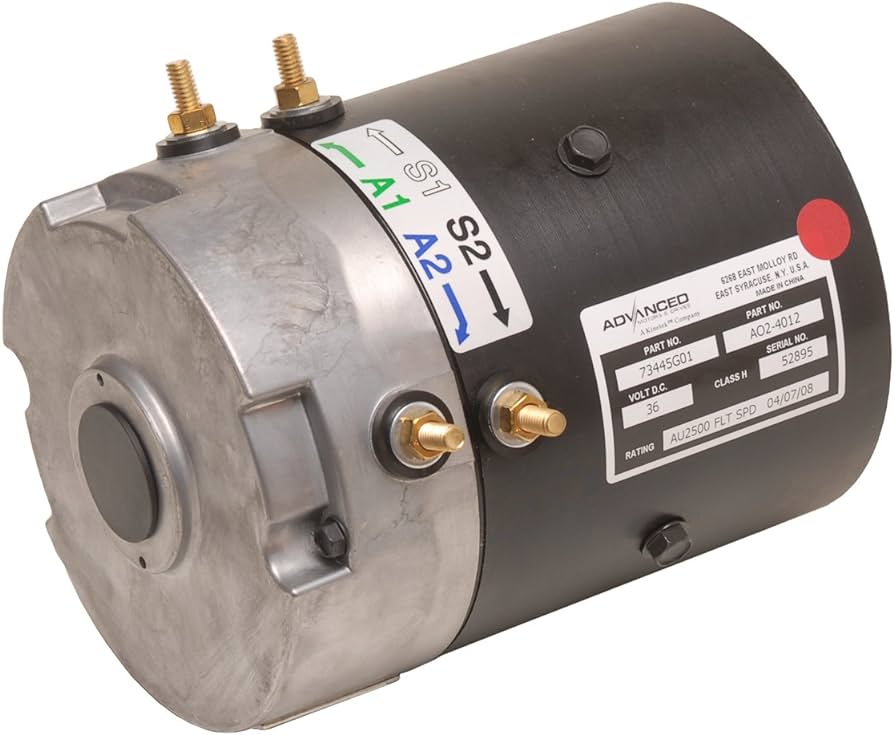
An electric motor reset button, also known as a thermal overload protector or overload relay, is a safety device designed to protect electric motors from overheating and potential damage. These motors are vital components in many HVAC systems, powering fans, blowers, and compressors. Overheating can occur due to various factors, including:
- Overload: The motor is drawing more current than it's designed for, often due to a blockage in the system (e.g., a dirty air filter restricting airflow).
- Locked Rotor: The motor is trying to start but cannot turn, leading to a rapid buildup of heat.
- Voltage Issues: Fluctuations in voltage can cause the motor to draw excessive current.
- Mechanical Problems: Faulty bearings or other mechanical issues can increase friction and heat.
When the motor overheats, the thermal overload protector trips, cutting off the power supply and preventing the motor from burning out. Think of it as a circuit breaker specifically for your motor. Without this protection, an overheating motor could suffer permanent damage, requiring expensive replacement.
Locating the Reset Button
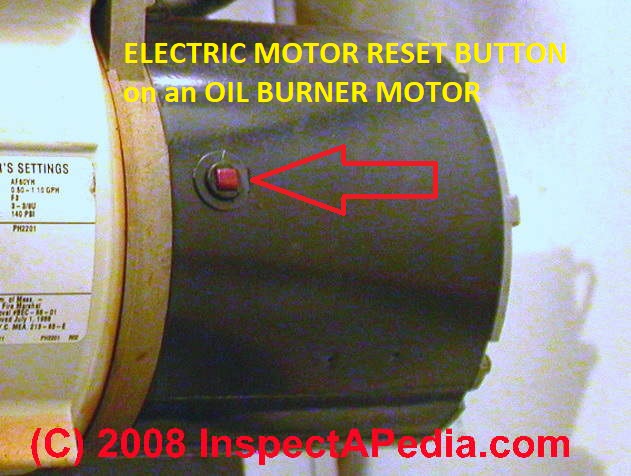
The location of the reset button varies depending on the type of motor and the HVAC equipment. Look for a small button, often red or black, located:
- Directly on the motor housing
- Inside the HVAC unit's control panel
- On the motor's starter or contactor (for larger commercial systems)
Consult your HVAC system's manual for specific instructions on locating the reset button. Caution: Always turn off the power to the HVAC unit at the breaker before attempting to locate or press the reset button.
Troubleshooting: When to Reset and When to Call a Pro
If your HVAC system suddenly stops working, checking the motor reset button should be one of your first troubleshooting steps. Here’s a step-by-step guide:
- Turn off the power: Locate the circuit breaker for your HVAC system and switch it off.
- Locate the reset button: Refer to your HVAC system's manual or the motor itself for the reset button location.
- Wait and Reset: Allow the motor to cool down for at least 30 minutes. This is crucial, as repeatedly resetting a hot motor can cause further damage.
- Press the reset button: Firmly press the reset button. You should feel a click.
- Turn the power back on: Switch the circuit breaker back on.
- Test the system: Turn on your HVAC system and observe its performance.
If the system runs normally after resetting the button, it's possible the motor overheated due to a temporary issue, such as a brief power surge. However, if the motor trips again shortly after resetting, it indicates a more serious underlying problem that requires professional attention.
Warning Signs: When to Call an HVAC Technician
Do not repeatedly reset the motor if:
- The motor trips again within a short period after resetting.
- You notice any unusual noises coming from the motor (e.g., grinding, squealing).
- You smell burning insulation or electrical odors.
- You see visible signs of damage to the motor (e.g., cracked housing, frayed wires).
These symptoms suggest a significant mechanical or electrical problem that needs to be addressed by a qualified HVAC technician. Ignoring these warning signs and repeatedly resetting the motor can lead to irreversible damage and potentially hazardous situations.
Optimizing Energy Efficiency and Reducing HVAC Costs
While the reset button is primarily a safety device, understanding the causes of motor overheating can lead to proactive measures that improve energy efficiency and lower your HVAC costs.
Maintain Clean Air Filters
A dirty air filter restricts airflow, forcing the motor to work harder and draw more current, leading to overheating and increased energy consumption. According to the U.S. Department of Energy, replacing a dirty air filter can lower your energy consumption by 5% to 15%. Aim to replace your air filter every 1-3 months, depending on the filter type and the air quality in your area.
Ensure Proper Ventilation
Make sure that your HVAC unit has adequate ventilation. Obstructions around the unit can restrict airflow and cause the motor to overheat. Keep the area around your HVAC unit clear of debris, plants, and other obstructions.
Regular HVAC Maintenance
Schedule regular maintenance with a qualified HVAC technician. They can inspect the motor, clean its components, lubricate moving parts, and identify potential problems before they lead to overheating or failure. A well-maintained HVAC system operates more efficiently, saving you money on energy bills and extending the lifespan of your equipment. Regular maintenance might uncover issues that trigger the reset button prematurely or frequently.
Consider Energy-Efficient Upgrades
If your HVAC system is old or inefficient, consider upgrading to a newer, more energy-efficient model. Energy Star certified HVAC systems can significantly reduce your energy consumption and lower your carbon footprint. Look for models with high Seasonal Energy Efficiency Ratio (SEER) ratings for cooling and high Annual Fuel Utilization Efficiency (AFUE) ratings for heating. Upgrading to a more efficient system can save you hundreds of dollars per year on energy bills. Many utility companies offer rebates and incentives for upgrading to energy-efficient HVAC equipment, further reducing your upfront costs.
Smart HVAC Integration
Integrating your HVAC system with smart home technology can provide additional benefits in terms of energy efficiency and cost savings. Smart thermostats, for example, allow you to remotely control your HVAC system, set custom schedules, and optimize temperature settings based on your occupancy patterns. Some smart thermostats also provide energy usage reports, allowing you to track your energy consumption and identify areas for improvement. Furthermore, some advanced systems can detect potential issues, such as motor overheating, and send alerts to your smartphone or email, allowing you to address the problem proactively. With the use of smart sensors, rooms can be controlled independently to improve efficency of the system.
Electric Motor Reset Buttons and Commercial HVAC Systems
In commercial settings, HVAC systems are often larger and more complex, utilizing larger motors. The principles of motor protection and energy efficiency remain the same, but the scale and potential consequences of motor failure are significantly greater. Regular maintenance, proper ventilation, and the use of Variable Frequency Drives (VFDs) are crucial for optimizing the performance and lifespan of motors in commercial HVAC systems. VFDs allow you to control the speed of the motor, reducing energy consumption when the system is not operating at full load. Understanding the function and proper use of the electric motor reset button is even more critical in commercial settings to prevent costly downtime and equipment repairs.
Conclusion
The electric motor reset button is a small but vital component that protects your HVAC system from overheating and potential damage. By understanding its function, troubleshooting common issues, and implementing proactive maintenance measures, you can improve energy efficiency, lower your energy bills, and extend the lifespan of your HVAC equipment. Whether you are a homeowner, a business owner, or an HVAC contractor, taking the time to learn about electric motor reset buttons and energy-efficient HVAC practices can lead to significant financial and environmental benefits. Don't underestimate the power of this little button – it can save you a lot of headaches and money in the long run.