Electric Tankless Water Heater For Whole House

Are you tired of running out of hot water in the middle of a shower? Do you want to save money on your energy bill? An electric tankless water heater might be the solution for your whole house. This guide will walk you through everything you need to know, from how they work to whether one is right for you.
What is an Electric Tankless Water Heater?
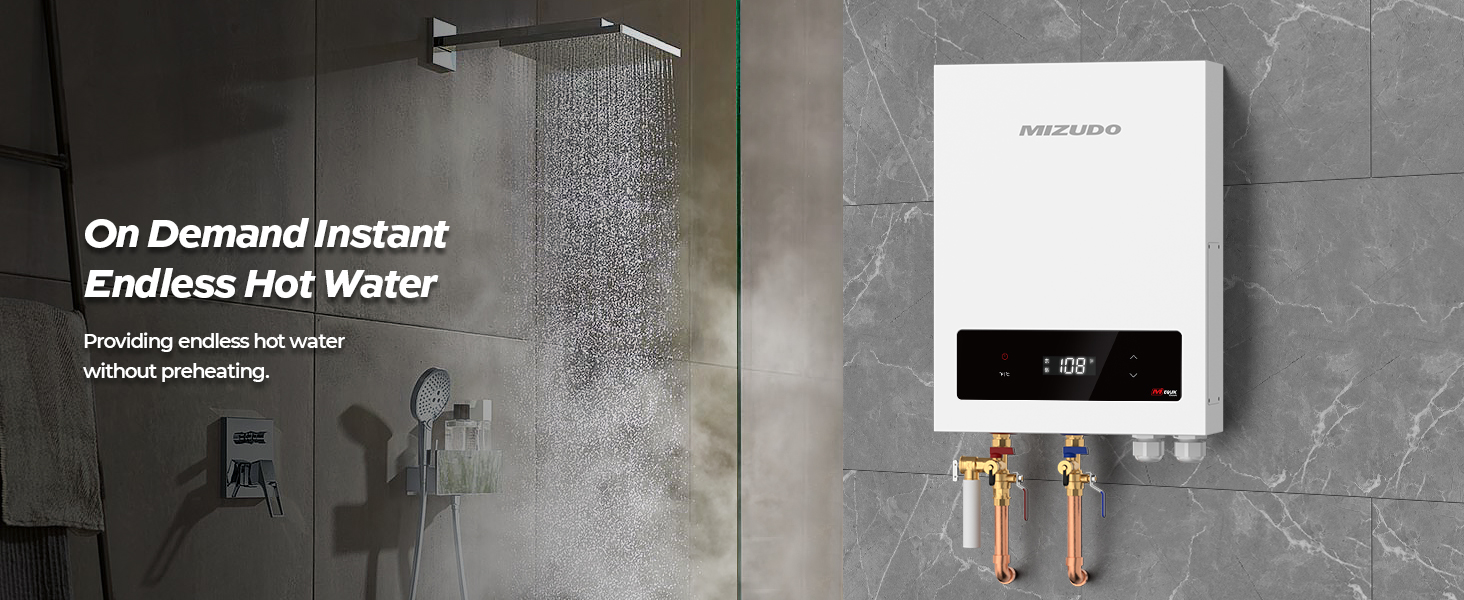
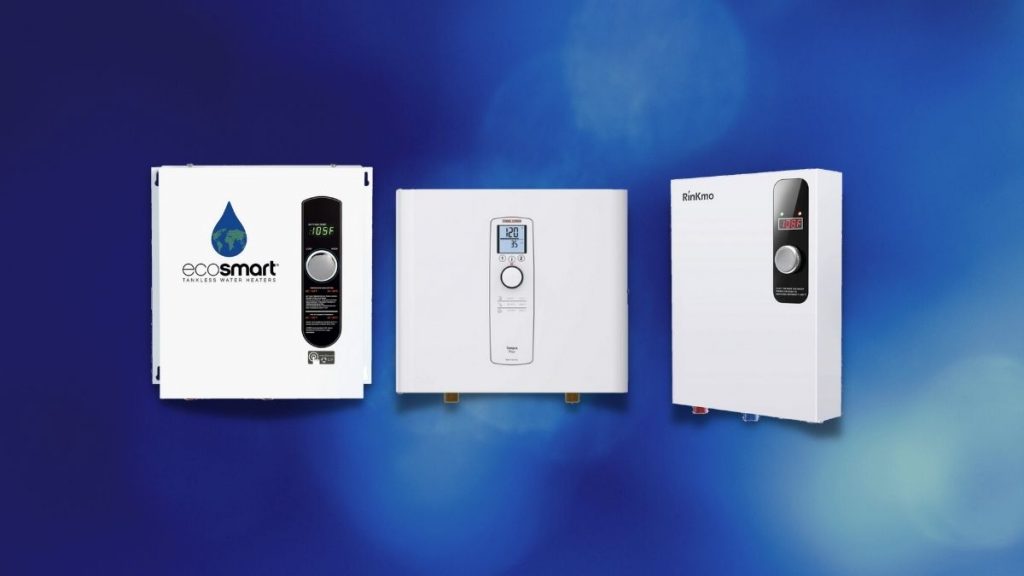
An electric tankless water heater, also known as an on-demand water heater, heats water only when you need it. Unlike traditional tank water heaters that constantly heat and store a large volume of water, tankless heaters use high-powered electric heating elements to rapidly raise the water temperature as it flows through the unit.
Think of it like this: a traditional tank heater is like keeping a pot of water simmering on the stove all day, whether you need hot water or not. A tankless heater is like having a high-powered kettle that boils water almost instantly when you turn it on.
How Does it Work?
The process is quite simple:
- Water Flow Activation: When you turn on a hot water tap, the cold water flowing through the pipe triggers a flow sensor inside the tankless unit.
- Heating Element Activation: The flow sensor activates powerful electric heating elements.
- Rapid Heating: These elements quickly heat the water to your desired temperature as it passes through the heat exchanger.
- On-Demand Hot Water: Hot water is then delivered to the tap.
- Deactivation: When you turn off the tap, the water flow stops, the heating elements deactivate, and the unit shuts down.
This on-demand heating process eliminates the standby heat loss associated with traditional tank heaters, which constantly lose heat to their surroundings, even when you're not using hot water.
Benefits of a Whole-House Electric Tankless Water Heater
There are several compelling reasons to consider a whole-house electric tankless water heater:
Endless Hot Water
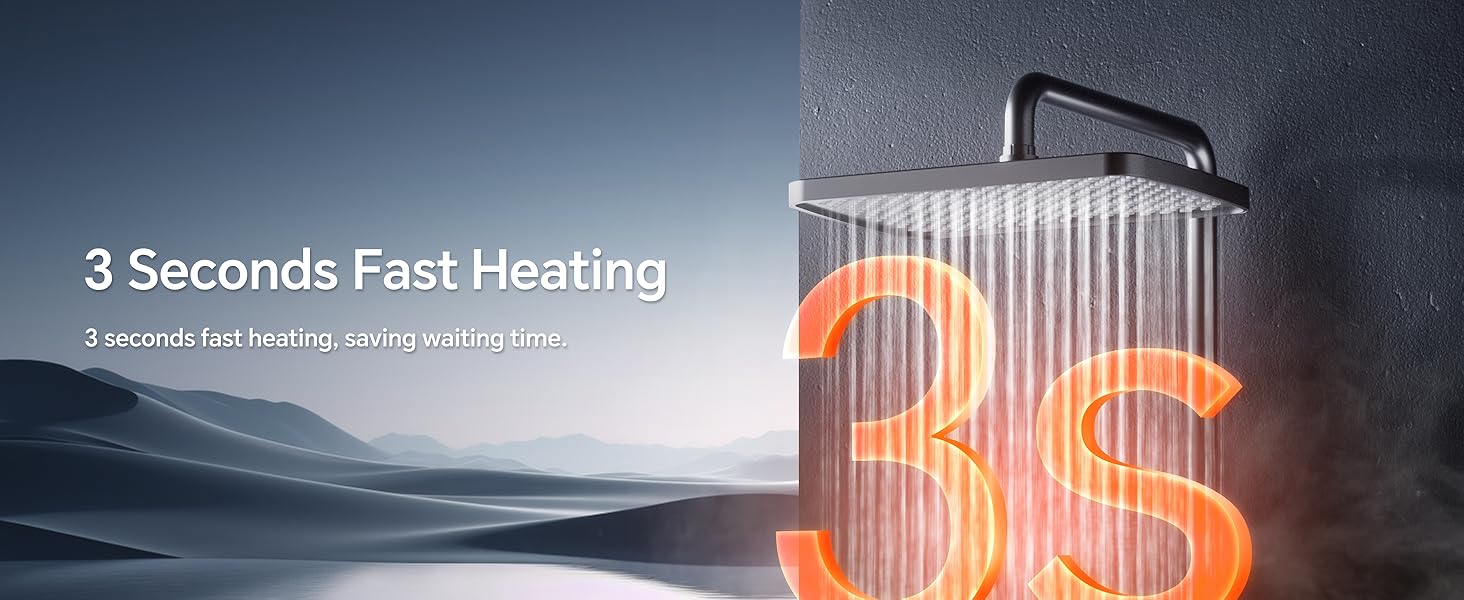
One of the most significant benefits is the unlimited supply of hot water. As long as you have power and water flowing through the unit, you'll never run out of hot water, no matter how long your shower is or how many appliances are running simultaneously (within the unit's capacity, which we'll discuss later).
Energy Efficiency
Tankless water heaters are generally more energy-efficient than traditional tank heaters. Because they only heat water when needed, they eliminate standby heat loss. The Department of Energy estimates that tankless water heaters can be 8% to 34% more energy-efficient than traditional tank water heaters, depending on usage patterns.
Space Saving
Tankless water heaters are much smaller than tank heaters. They can be mounted on a wall, freeing up valuable floor space in your basement, utility room, or closet. This is especially beneficial in smaller homes or apartments.
Longer Lifespan
Tankless water heaters typically last longer than tank heaters. While a traditional tank heater might last 10-15 years, a tankless water heater can last 20 years or more with proper maintenance.
Reduced Risk of Water Damage
Because tankless heaters don't store large volumes of water, there's a reduced risk of water damage if the unit fails. A leaking tank heater can cause significant flooding and damage to your home.
Drawbacks of a Whole-House Electric Tankless Water Heater
While tankless water heaters offer many advantages, there are also some potential drawbacks to consider:
Higher Upfront Cost
The initial cost of a tankless water heater is generally higher than a traditional tank heater. This includes the cost of the unit itself, as well as the cost of installation, which can be more complex due to the electrical requirements.
Higher Electrical Demand
Electric tankless water heaters require a significant amount of electricity to operate. Whole-house units often require multiple dedicated circuits and a substantial upgrade to your home's electrical panel. This can add to the overall cost of installation.
Flow Rate Limitations
Tankless water heaters have a maximum flow rate. This means that they can only heat a certain amount of water per minute. If you try to use too many hot water appliances at the same time, the water temperature may drop. You need to carefully calculate your household's hot water demand to ensure the unit can handle it.
Potential for Cold Water Sandwich
Some older tankless models can experience a "cold water sandwich," where a short burst of cold water is delivered before the hot water arrives. This is less common in newer, more sophisticated models.
Maintenance Requirements
While tankless water heaters are relatively low-maintenance, they do require periodic flushing to remove mineral buildup, especially in areas with hard water. Neglecting this maintenance can reduce the unit's efficiency and lifespan.
Sizing a Whole-House Electric Tankless Water Heater
Choosing the right size tankless water heater is crucial to ensure it can meet your household's hot water needs. This involves calculating your peak hot water demand, which is the maximum amount of hot water you're likely to use at any given time.
Here's how to estimate your peak demand:
- Identify Hot Water Fixtures: List all the hot water fixtures in your home, such as showers, faucets, dishwashers, and washing machines.
- Determine Flow Rates: Find the flow rate (in gallons per minute, or GPM) for each fixture. This information is usually printed on the fixture itself or in the owner's manual. Typical flow rates are:
- Shower: 2.5 GPM
- Bathroom Faucet: 1.0 GPM
- Kitchen Faucet: 2.0 GPM
- Dishwasher: 1.5 GPM
- Washing Machine: 2.0 GPM
- Calculate Simultaneous Use: Estimate which fixtures are likely to be used simultaneously. For example, you might have someone showering while the dishwasher is running.
- Add Up Flow Rates: Add up the flow rates of all the simultaneously used fixtures to determine your peak demand. For example, if you have a shower (2.5 GPM) and a dishwasher (1.5 GPM) running at the same time, your peak demand is 4.0 GPM.
- Consider Groundwater Temperature: Note your incoming groundwater temperature. This varies depending on your location. Tankless water heaters need to raise the water temperature by a certain number of degrees, so a colder incoming water temperature will require a more powerful unit.
Once you know your peak demand and groundwater temperature, you can use a sizing chart or consult with a qualified plumber to determine the appropriate size tankless water heater for your home. It's always better to slightly overestimate your needs than underestimate them.
Installation Considerations
Installing a whole-house electric tankless water heater is not a DIY project for most homeowners. It requires significant electrical and plumbing expertise.
Electrical Requirements
As mentioned earlier, electric tankless water heaters require a lot of electricity. You'll likely need to upgrade your electrical panel and run dedicated circuits for the unit. This is a critical step that must be done by a licensed electrician.
Plumbing Requirements
You'll also need to ensure that your plumbing system can handle the increased water flow and pressure. A plumber will need to connect the unit to your water supply and ensure proper venting (if required by your local codes).
Professional Installation
Because of the complex electrical and plumbing requirements, it's essential to hire a qualified and licensed plumber and electrician to install your tankless water heater. This will ensure that the unit is installed correctly and safely, and that it meets all local building codes.
Cost of a Whole-House Electric Tankless Water Heater
The cost of a whole-house electric tankless water heater can vary depending on several factors, including the size of the unit, the brand, and the complexity of the installation.
Here's a breakdown of the potential costs:
- Unit Cost: $500 to $2000 or more.
- Installation Cost: $500 to $3000 or more (depending on electrical and plumbing upgrades).
- Electrical Panel Upgrade: $500 to $2000 (if required).
- Permits: $50 to $200 (depending on your local regulations).
Overall, you can expect to spend anywhere from $1500 to $7000 or more to purchase and install a whole-house electric tankless water heater. While this is a significant investment, it's important to consider the long-term energy savings and the increased lifespan of the unit.
Maintenance Tips
To keep your tankless water heater running efficiently and reliably, it's important to perform regular maintenance:
- Flush the Unit: Flush the unit at least once a year (or more often if you have hard water) to remove mineral buildup. You can purchase a tankless water heater descaling kit for this purpose.
- Inspect Connections: Regularly inspect the water and electrical connections for leaks or damage.
- Clean the Air Filter: Some models have an air filter that needs to be cleaned or replaced periodically.
- Consult the Owner's Manual: Always refer to the owner's manual for specific maintenance instructions.
Is a Whole-House Electric Tankless Water Heater Right for You?
Deciding whether to invest in a whole-house electric tankless water heater is a personal decision that depends on your individual needs and circumstances. Consider the following factors:
- Hot Water Usage: How much hot water does your household use? If you have a large family and frequently use multiple hot water appliances simultaneously, a tankless heater might be a good choice.
- Energy Efficiency Goals: Are you looking to reduce your energy consumption and lower your utility bills? Tankless heaters can offer significant energy savings.
- Space Constraints: Do you need to free up space in your basement or utility room? Tankless heaters are much smaller than tank heaters.
- Budget: Can you afford the higher upfront cost of a tankless water heater and the potential electrical upgrades?
- Electrical Capacity: Does your home have sufficient electrical capacity to handle the high power demands of a tankless heater?
If you value endless hot water, energy efficiency, and space savings, and you're willing to invest in the upfront cost and potential electrical upgrades, then a whole-house electric tankless water heater might be the right choice for you.
Consult with a qualified plumber and electrician to assess your specific needs and determine the best option for your home. They can help you choose the right size unit, ensure proper installation, and answer any questions you may have.