Electric Water Heater With Heat Pump
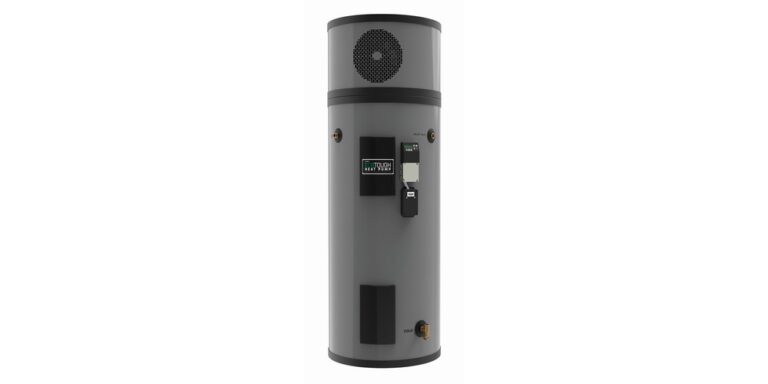
Frequently Asked Questions: Heat Pump Water Heaters
Thinking about upgrading your water heater? Heat pump water heaters are gaining popularity for their energy efficiency. Here are some answers to common questions you might have:
Question 1: What exactly is a heat pump water heater, and how does it work?
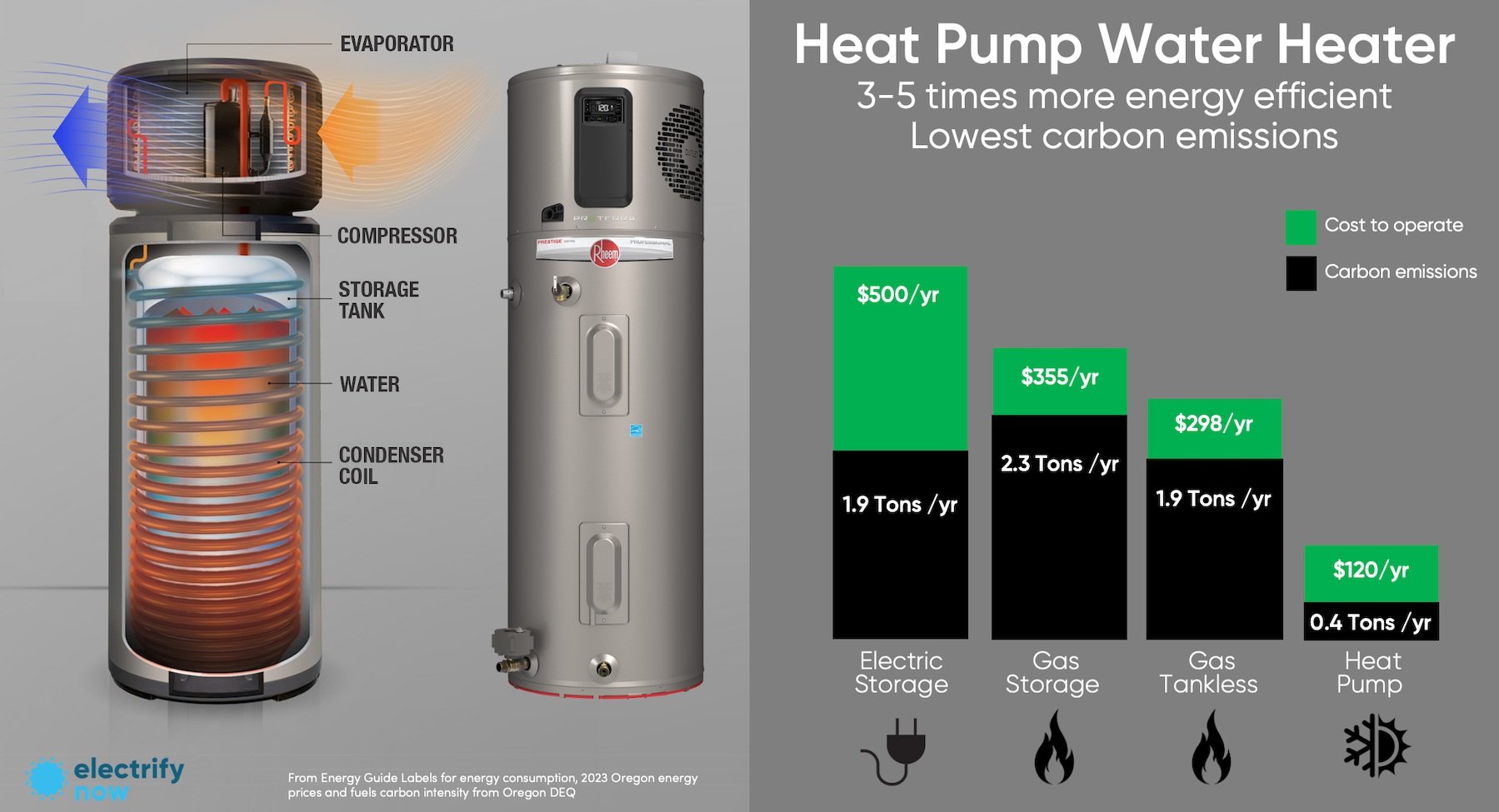
A heat pump water heater (HPWH) is an energy-efficient alternative to traditional electric resistance water heaters. Instead of directly generating heat like a standard electric heater, a HPWH moves heat from the surrounding air into the water tank. Think of it like a refrigerator working in reverse.
- Extraction: It pulls heat from the air (or sometimes from the ground or water, in more advanced systems).
- Transfer: It uses a refrigerant to absorb and then transfer this heat.
- Heating: The refrigerant is compressed, further increasing its temperature, and then used to heat the water in the tank.
Because it moves heat rather than generates it, it uses significantly less electricity to heat the same amount of water.
Question 2: How much money can I really save with a heat pump water heater?
The savings can be substantial! Heat pump water heaters are far more efficient than traditional electric resistance models. They typically use about 60-70% less electricity.
- Energy Factor (EF): Look for the Energy Factor rating on the water heater. A standard electric water heater usually has an EF around 0.9, while a HPWH typically has an EF of 2.0 or higher. The higher the EF, the more efficient it is.
- Savings Example: If you currently spend $500 per year on heating water with a standard electric heater, you could potentially save $300-$350 per year with a HPWH.
- Factors Affecting Savings: Actual savings depend on your water usage, the climate you live in, the cost of electricity, and the specific model of HPWH you choose.
Over the lifespan of the unit (typically 10-15 years), these savings can really add up. Don't forget to consider available rebates and tax credits, which can further reduce the upfront cost.
Question 3: Are there any downsides to consider before buying a heat pump water heater?
Yes, there are a few things to keep in mind:
- Higher Upfront Cost: HPWHs are typically more expensive to purchase than standard electric water heaters. However, the long-term energy savings usually offset this initial investment.
- Space Requirements: HPWHs are often larger than traditional water heaters. They also need adequate space around them to draw in air. Check the manufacturer's specifications for clearance requirements.
- Noise: HPWHs have a fan and compressor, so they generate some noise while operating, similar to a refrigerator. This is usually not a significant issue, but it's something to consider when choosing a location.
- Cooling Effect: Since HPWHs draw heat from the air, they can slightly cool the surrounding room. This can be beneficial in the summer but might be undesirable in colder climates if the unit is located in a living area.
- Recovery Time: In some cases, HPWHs may have a slightly longer recovery time than standard electric heaters, meaning it might take a bit longer to heat a full tank of water. However, many models have a "hybrid" mode that uses electric resistance heating to supplement the heat pump when needed.
Weigh these potential drawbacks against the significant energy savings and environmental benefits to make an informed decision.
Question 4: Where is the best place to install a heat pump water heater?
Location is crucial for optimal performance. Here are some key considerations:
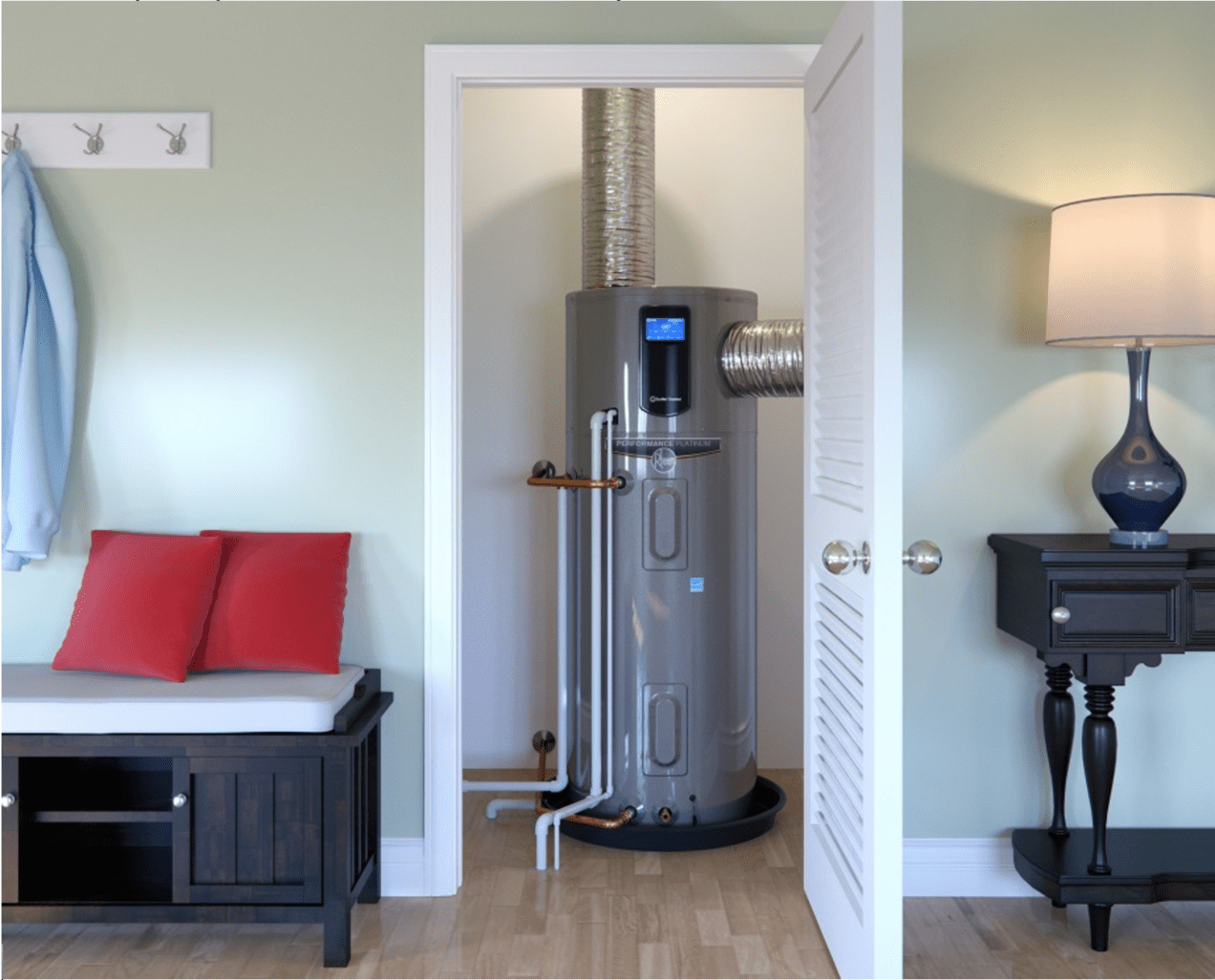
- Adequate Airflow: The HPWH needs access to a good volume of air. Aim for a space of at least 1,000 cubic feet.
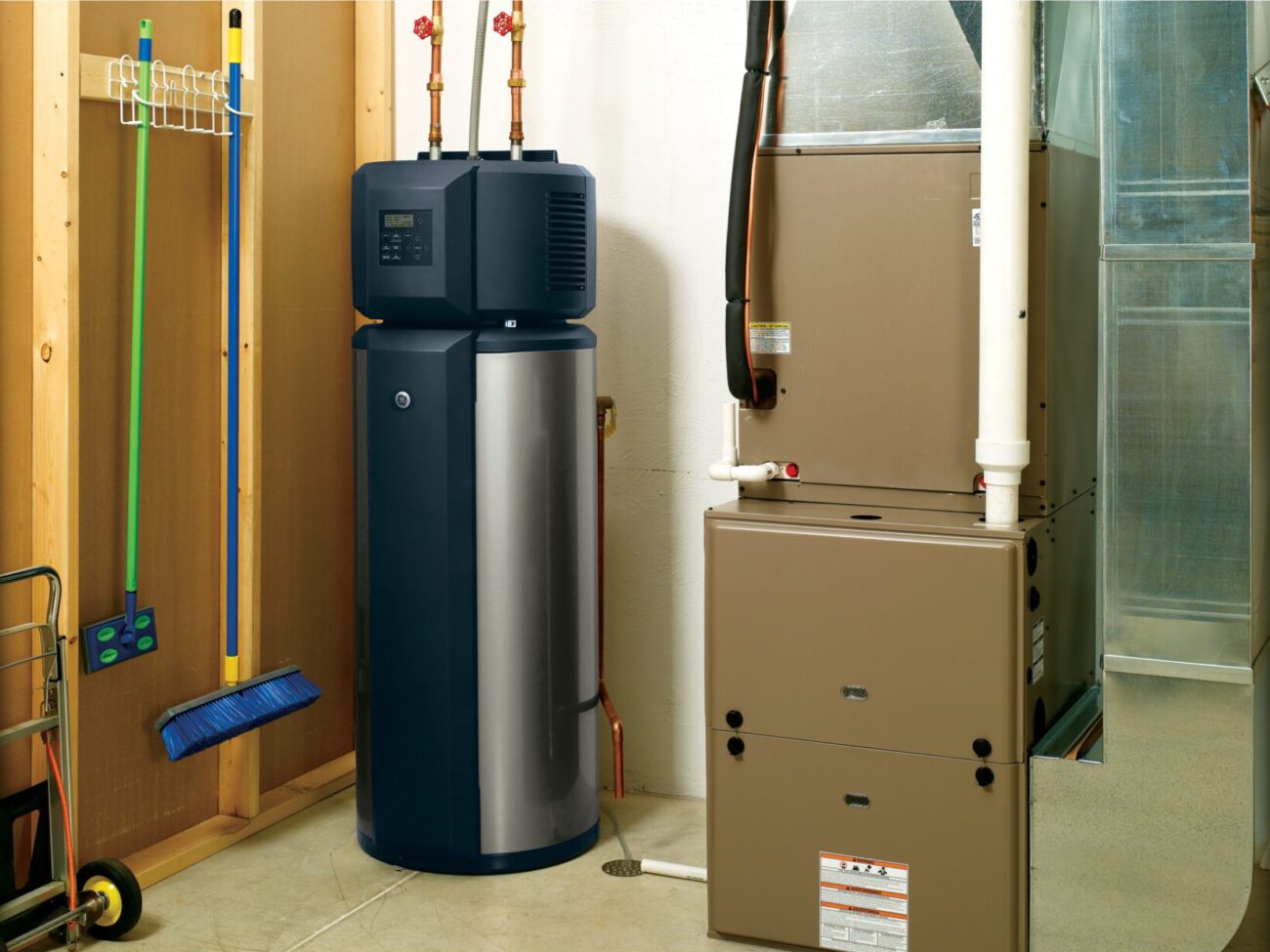
- Temperature: The HPWH works best in a space with a fairly consistent temperature, ideally between 40°F and 90°F. Garages, basements, and utility rooms are often good choices.
- Climate: In colder climates, avoid placing the HPWH in unheated areas where the temperature may drop below 40°F for extended periods. This will reduce its efficiency and potentially damage the unit.
- Drainage: Install the HPWH near a drain in case of leaks or condensation.
- Noise Considerations: If noise is a concern, avoid placing the HPWH near bedrooms or living areas.
- Avoid Dusty or Dirty Environments: Dust and debris can clog the coils and reduce the efficiency of the heat pump.
Careful planning of the installation location will ensure optimal performance and longevity of your HPWH.
Question 5: Do I need a professional to install a heat pump water heater?
While some homeowners with plumbing and electrical experience may be able to install a HPWH themselves, it's generally recommended to hire a qualified professional.
- Plumbing Connections: Proper plumbing connections are essential to prevent leaks and ensure safe operation.
- Electrical Wiring: HPWHs require a dedicated electrical circuit. Incorrect wiring can be dangerous and void the warranty.
- Refrigerant Handling: HPWHs contain refrigerant. Improper handling can be harmful to the environment and potentially illegal.
- Warranty Considerations: Improper installation can void the manufacturer's warranty.
- Permits and Inspections: In some areas, a permit may be required for water heater installation. A professional will be familiar with local codes and regulations.
A professional installer will ensure that the HPWH is installed correctly, safely, and according to the manufacturer's specifications, maximizing its efficiency and lifespan. They can also help you navigate any applicable rebates or tax credits.
Question 6: What maintenance is required for a heat pump water heater?
Like any appliance, a heat pump water heater requires some routine maintenance to keep it running efficiently.
- Air Filter Cleaning: Check and clean the air filter regularly, typically every 1-3 months. A dirty filter restricts airflow and reduces efficiency.
- Condensate Drain Cleaning: Periodically check and clean the condensate drain to prevent clogs and water damage.
- Anode Rod Inspection: The anode rod protects the tank from corrosion. Have it inspected every few years and replaced if necessary.
- Flushing the Tank: Flush the tank annually to remove sediment buildup. This will improve efficiency and extend the life of the water heater.
- Professional Servicing: Consider having a professional inspect and service the HPWH every few years to ensure optimal performance and identify any potential issues early on.
Following these simple maintenance steps will help you keep your HPWH running efficiently and reliably for many years.
Question 7: Are there any government incentives or rebates available for heat pump water heaters?
Absolutely! Many federal, state, and local governments, as well as utility companies, offer incentives to encourage the adoption of energy-efficient appliances like heat pump water heaters. These incentives can significantly reduce the upfront cost.
- Federal Tax Credits: The federal government often offers tax credits for qualified energy-efficient home improvements, including heat pump water heaters. Check the Energy Star website or consult with a tax professional for the latest information.
- State and Local Rebates: Many states and local municipalities offer rebates for purchasing and installing energy-efficient appliances. These rebates can vary depending on your location and the specific model of HPWH.
- Utility Company Rebates: Your local utility company may also offer rebates for HPWHs. Check their website or contact them directly for details.
- Database of State Incentives for Renewables & Efficiency (DSIRE): This is a comprehensive online resource for finding information about energy efficiency and renewable energy incentives across the United States.
Before purchasing a HPWH, be sure to research available incentives in your area to maximize your savings.