Electrical Inspection Sticker
Understanding Electrical Inspection Stickers: Your Key to Energy Efficiency and Safety
For homeowners and businesses alike, the pursuit of energy efficiency is often driven by a desire to lower operating costs, reduce environmental impact, and enhance safety. One often-overlooked element in this equation is the humble electrical inspection sticker. While it might seem like a simple formality, this sticker is a critical indicator of the safety and efficiency of your electrical system, directly impacting your energy consumption and potential savings.
What is an Electrical Inspection Sticker?
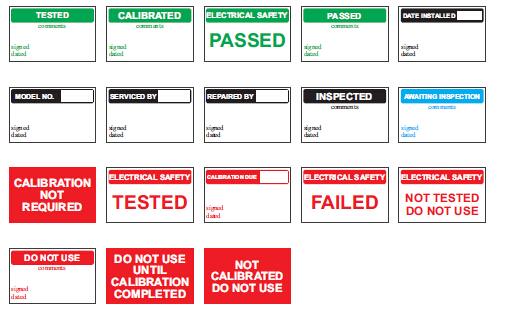
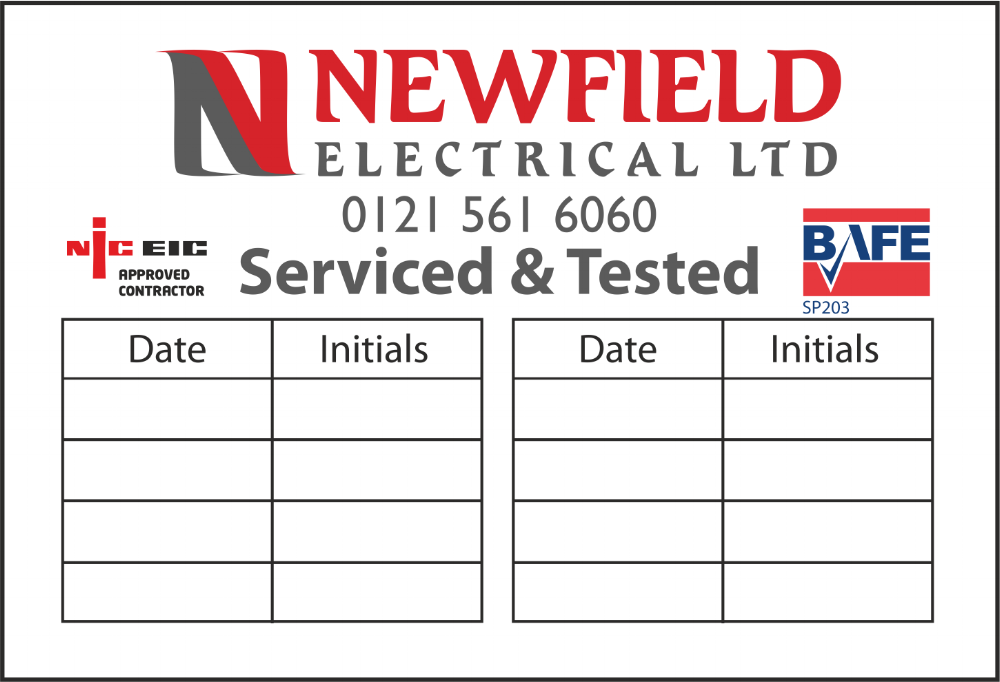
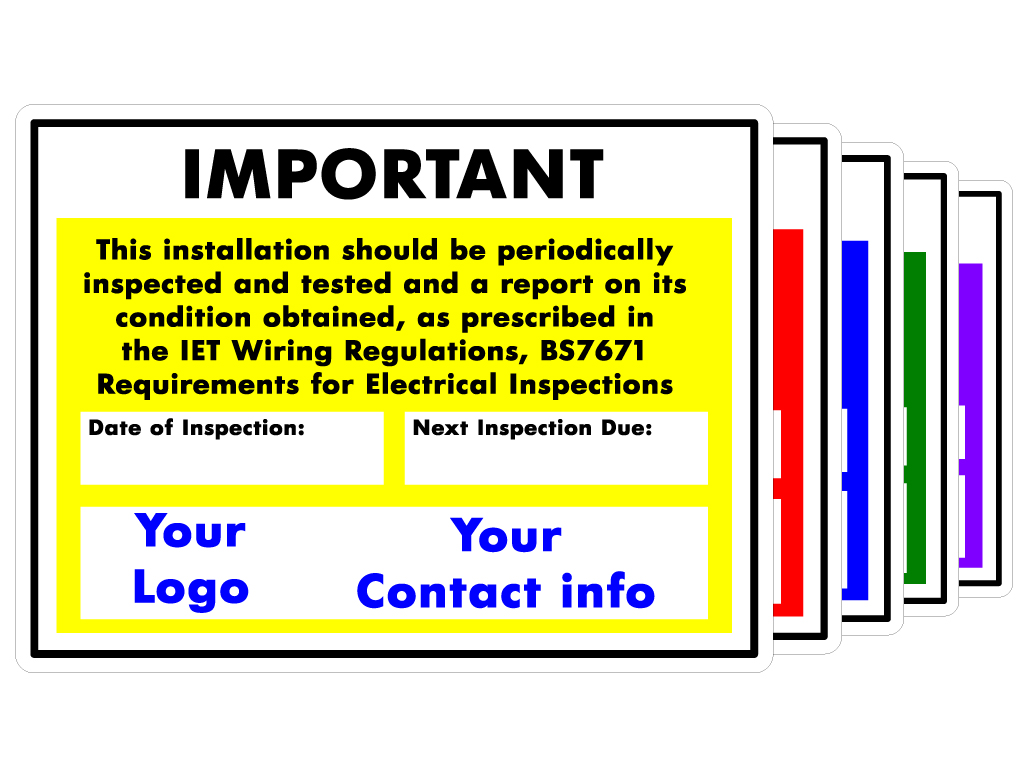
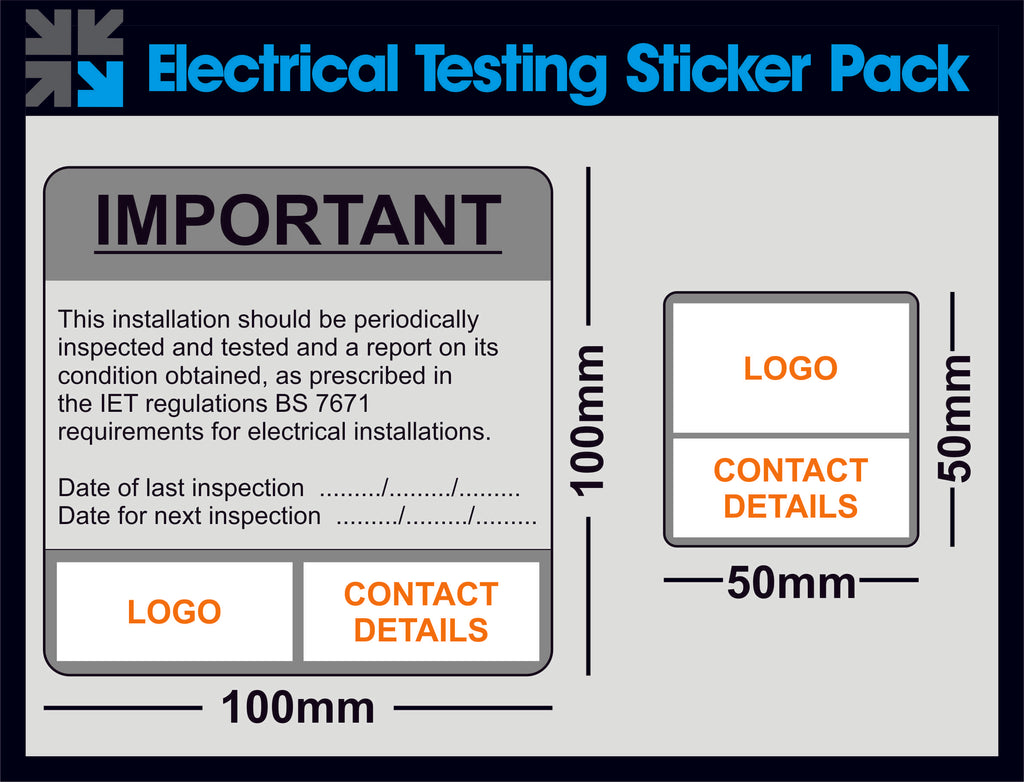
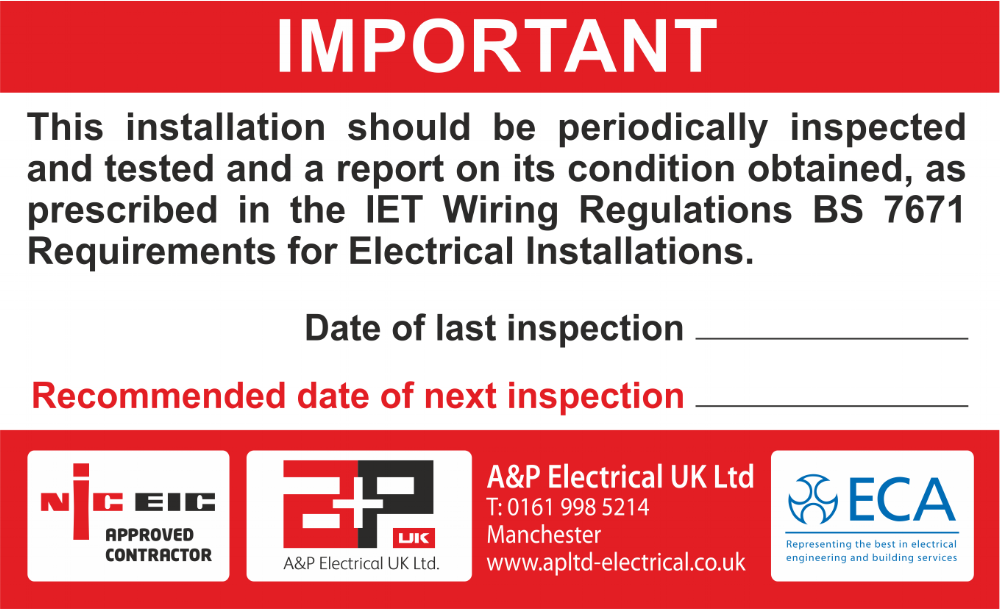
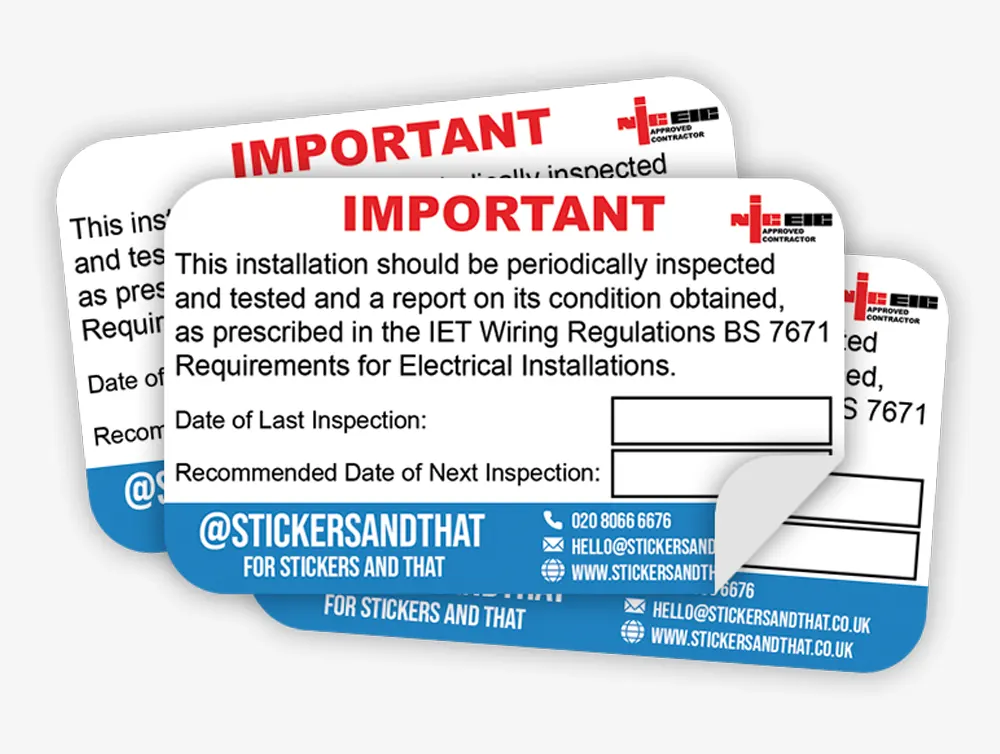
An electrical inspection sticker is a visual confirmation that a certified electrician has assessed your electrical system against established safety codes and standards. These codes, often based on the National Electrical Code (NEC), are designed to minimize the risk of electrical fires, shocks, and equipment damage. The sticker typically includes the date of inspection, the electrician's license number, and sometimes a brief description of the work performed. Think of it as a 'seal of approval' for your electrical system's health.
Why is Electrical Safety Important for Energy Efficiency?
While the immediate benefit of an electrical inspection is safety, its indirect impact on energy efficiency is substantial. Consider these points:
- Faulty Wiring: Old or damaged wiring can lead to significant energy waste. Frayed insulation, loose connections, and overloaded circuits can create resistance, generating heat and consuming excess electricity. This wasted energy translates directly into higher utility bills. An inspection identifies and addresses these issues, reducing energy waste and improving efficiency. Data from the Electrical Safety Foundation International (ESFI) shows that faulty wiring is a leading cause of residential fires, highlighting the urgency of regular inspections.
- Outdated Electrical Panels: Older electrical panels may not be equipped to handle the demands of modern appliances and electronics. Overloading these panels can not only create a safety hazard but also lead to voltage drops, causing appliances to work harder and consume more energy. Upgrading to a modern panel can improve energy efficiency and allow for the safe integration of new energy-saving technologies.
- Phantom Loads: An electrical inspection can help identify "phantom loads," also known as "vampire loads," which are the energy consumed by devices when they are turned off but still plugged in. While seemingly insignificant individually, these loads can add up to a considerable amount of energy waste over time. Smart power strips, identified during an inspection, can help eliminate phantom loads and save energy. The U.S. Department of Energy estimates that phantom loads can account for up to 10% of a household's energy consumption.
- Compatibility with Smart HVAC Systems: Integrating smart thermostats, sensors, and other energy-efficient HVAC technologies requires a robust and reliable electrical system. An electrical inspection ensures that your system can handle the increased electrical demands of these smart devices without compromising safety or efficiency. A well-maintained electrical system is the foundation for a smart, energy-efficient home.
The ROI of Electrical Inspections: Savings and Rebates
Investing in a professional electrical inspection offers a significant return on investment in several ways:
- Reduced Energy Bills: By identifying and addressing electrical inefficiencies, an inspection can lead to a noticeable reduction in your monthly energy bills. Even small improvements, such as fixing loose connections or replacing outdated wiring, can contribute to substantial savings over time.
- Extended Appliance Lifespan: A properly functioning electrical system protects your appliances from voltage fluctuations and surges, extending their lifespan and preventing costly repairs or replacements.
- Increased Home Value: A recent electrical inspection sticker is a valuable selling point for potential homebuyers, demonstrating that the home is safe and well-maintained. This can translate into a higher resale value for your property.
- Insurance Benefits: Many homeowners insurance companies offer discounts for homes with up-to-date electrical inspections. Check with your insurance provider to see if you qualify for a reduced premium.
- Rebates and Incentives: Depending on your location, you may be eligible for rebates or incentives for energy-efficient electrical upgrades, such as installing new panels or energy-efficient lighting. Your electrician can help you identify available programs and guide you through the application process. Programs like Energy Star offer guidance on qualifying appliances and energy-saving strategies.
Smart HVAC Integration and Electrical Inspections
The growing popularity of smart HVAC systems, including smart thermostats, sensors, and automated controls, presents both opportunities and challenges for homeowners and businesses. While these technologies can significantly improve energy efficiency, they also require a reliable and up-to-date electrical system. Here's how electrical inspections play a crucial role in smart HVAC integration:
- Ensuring Compatibility: Smart HVAC systems often require specific voltage and amperage requirements. An electrical inspection ensures that your existing system can handle these requirements without overloading circuits or creating safety hazards.
- Supporting Smart Thermostats: Smart thermostats rely on a stable power supply to function correctly. Fluctuations in voltage can disrupt their operation and compromise their energy-saving capabilities. An inspection identifies and addresses any issues that could affect the performance of your smart thermostat.
- Integrating Sensors and Controls: Smart HVAC systems often incorporate a network of sensors and controls to optimize energy consumption. These devices require a robust electrical infrastructure to function reliably. An inspection ensures that your system can support the integration of these devices without compromising safety or efficiency.
- Optimizing Performance: A well-maintained electrical system can improve the overall performance of your smart HVAC system. By ensuring that all components are functioning optimally, you can maximize energy savings and minimize operating costs.
How to Choose a Qualified Electrician
When it comes to electrical inspections, it's crucial to choose a qualified and experienced electrician. Here are some tips to help you find the right professional:
- Check Licensing and Credentials: Ensure that the electrician is licensed and insured in your state or locality. Verify their credentials with the appropriate regulatory agency.
- Ask for References: Request references from previous clients and contact them to inquire about their experience with the electrician.
- Review Online Reviews: Check online review sites, such as Yelp or Google Reviews, to see what other customers have to say about the electrician.
- Get Multiple Quotes: Obtain quotes from several electricians before making a decision. Compare their prices, services, and warranties.
- Look for Specializations: If you are planning to install a smart HVAC system or other energy-efficient technologies, look for an electrician who specializes in these areas.
Understanding the Electrical Inspection Process
Knowing what to expect during an electrical inspection can help you prepare and ensure a smooth process. Here's a general overview of what a typical inspection involves:
- Visual Inspection: The electrician will conduct a visual inspection of your electrical panel, wiring, outlets, and other components.
- Testing and Measurement: The electrician will use specialized equipment to test the voltage, amperage, and grounding of your electrical system.
- Code Compliance: The electrician will ensure that your electrical system complies with all applicable safety codes and standards, including the NEC.
- Report and Recommendations: The electrician will provide you with a detailed report of their findings, including any recommendations for repairs or upgrades.
- Sticker Placement: Upon successful completion of the inspection, the electrician will affix an electrical inspection sticker to your electrical panel.
Frequency of Electrical Inspections
The frequency of electrical inspections depends on several factors, including the age of your home, the condition of your electrical system, and local regulations. As a general guideline, it's recommended to have your electrical system inspected at least every five to ten years. However, if you notice any signs of electrical problems, such as flickering lights, burning smells, or frequently tripping circuit breakers, it's essential to schedule an inspection immediately. If you're adding new major appliances or upgrading to a smart home system, it is also recommended to have an electrical inspection.
Conclusion: Proactive Safety and Energy Savings
The electrical inspection sticker is more than just a piece of paper; it's a symbol of safety, efficiency, and peace of mind. By investing in regular electrical inspections, homeowners and businesses can ensure the safety of their occupants, reduce energy consumption, and save money on utility bills. From addressing faulty wiring to optimizing smart HVAC integration, electrical inspections play a vital role in creating a safe, energy-efficient, and sustainable future. Don't underestimate the power of a simple sticker – it could be your key to unlocking significant energy savings and a safer living environment.