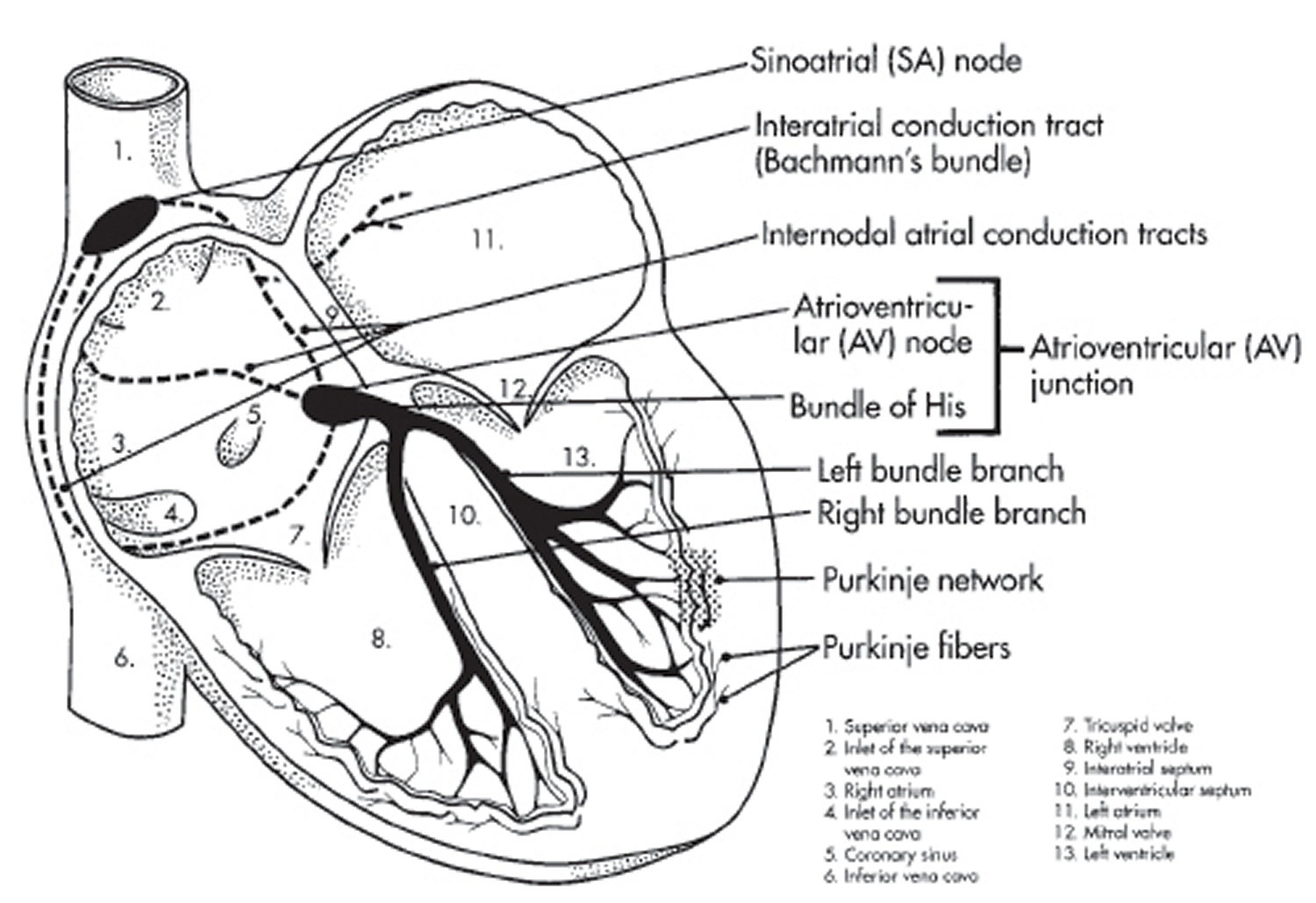
Electrical System Of The Heart Diagram

The heart, a remarkable organ, functions as the body's primary pump, circulating blood and delivering essential oxygen and nutrients to every cell. Its rhythmic contractions are not random; they are orchestrated by a sophisticated electrical system. Understanding this system is crucial for comprehending how the heart works and identifying potential issues. This guide will walk you through the electrical system of the heart, focusing on the components, how they interact, and what happens when things go wrong.
The Heart's Electrical Circuit: An Overview
Imagine the heart as a house with its own dedicated power grid. This grid, the heart's electrical system, isn't powered by wall outlets but by specialized cells that generate and conduct electrical impulses. These impulses trigger the heart muscle to contract, creating the heartbeat we feel. The system needs to be precisely timed and coordinated for efficient pumping.
Think of it like this: a conductor needs to lead an orchestra. The instruments (the heart muscles) need clear signals to play in harmony. Without that precise electrical signaling, the whole performance (blood circulation) falls apart.
Key Components: The Players in the Electrical System
Let's break down the essential components of the heart's electrical system:
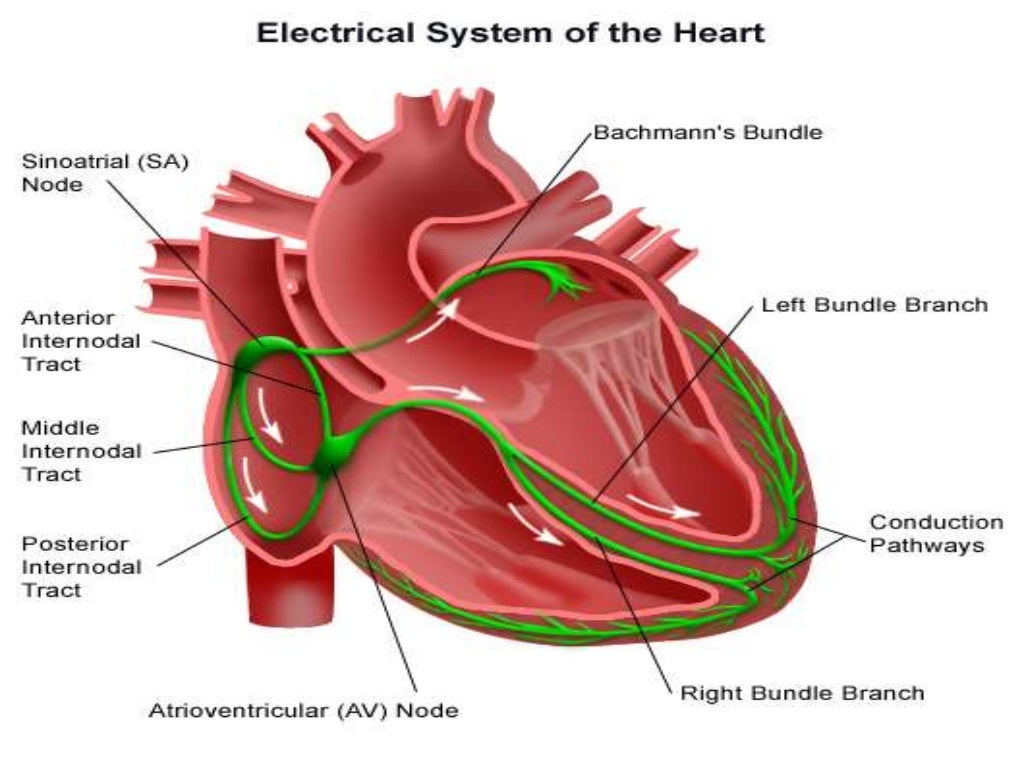
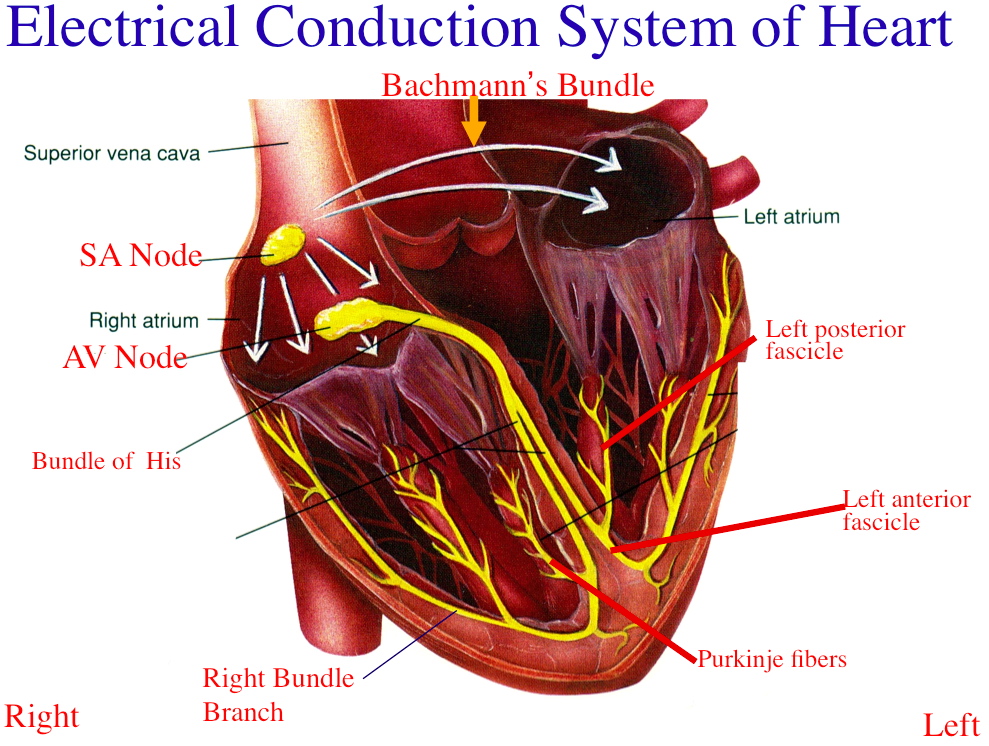
- Sinoatrial (SA) Node: This is the heart's natural pacemaker. Located in the right atrium, the SA node initiates the electrical impulses that start each heartbeat. It sets the heart rate, typically between 60 and 100 beats per minute at rest. Imagine it as the conductor's baton, setting the rhythm.
- Atrioventricular (AV) Node: Located between the atria and ventricles, the AV node acts as a gatekeeper. It delays the electrical signal slightly, allowing the atria to contract and fully empty their contents into the ventricles before the ventricles contract. Think of it as a brief pause in the music, allowing one section of the orchestra to finish before the next begins.
- Bundle of His: This is a pathway that carries the electrical signal from the AV node down the interventricular septum (the wall separating the ventricles). It's like a main cable carrying the power surge to different rooms in the house.
- Left and Right Bundle Branches: The Bundle of His divides into two branches, the left and right bundle branches, which travel down the respective ventricles. These branches distribute the electrical signal further into the ventricular walls. They're like separate wiring circuits going to the left and right sides of the house.
- Purkinje Fibers: These are a network of fibers that spread throughout the ventricular walls. They rapidly transmit the electrical impulse to the ventricular muscle cells, causing them to contract in a coordinated manner. Think of these as the final connections to each individual appliance, ensuring each part receives the power simultaneously.
The Electrical Pathway: A Step-by-Step Guide
Now, let's trace the path of an electrical impulse through the heart:
- Initiation at the SA Node: The SA node spontaneously generates an electrical impulse.
- Atrial Depolarization: The impulse spreads across both atria, causing them to contract. This contraction pushes blood into the ventricles. This process is called atrial depolarization.
- AV Node Delay: The impulse reaches the AV node, where it is briefly delayed. This delay allows the atria to finish contracting before the ventricles begin.
- Rapid Conduction Through the Ventricles: The impulse travels down the Bundle of His, through the left and right bundle branches, and into the Purkinje fibers.
- Ventricular Depolarization: The Purkinje fibers rapidly distribute the impulse throughout the ventricles, causing them to contract. This contraction pumps blood to the lungs (from the right ventricle) and to the rest of the body (from the left ventricle). This process is called ventricular depolarization.
- Repolarization: After contraction, the heart muscle cells repolarize, meaning they return to their resting state, ready to receive the next electrical impulse. This cycle repeats continuously, driving the heartbeat.
Understanding the ECG: A Window into the Electrical System
An electrocardiogram (ECG or EKG) is a diagnostic tool that records the electrical activity of the heart over time. It provides a visual representation of the electrical impulses as they travel through the heart.
Imagine it as a graph plotting the heart's electrical activity. Each wave on the ECG corresponds to a specific event in the heart's electrical cycle.
Here are some key components of a normal ECG:
- P Wave: Represents atrial depolarization (the contraction of the atria).
- QRS Complex: Represents ventricular depolarization (the contraction of the ventricles). This is usually the largest wave on the ECG.
- T Wave: Represents ventricular repolarization (the ventricles returning to their resting state).
By analyzing the ECG's waves, intervals, and rhythm, doctors can identify abnormalities in the heart's electrical system, such as:
- Arrhythmias: Irregular heartbeats.
- Heart Blocks: Delays or interruptions in the electrical signal's path.
- Myocardial Infarction (Heart Attack): Damage to the heart muscle caused by a lack of blood flow.
Common Electrical System Problems: When Things Go Wrong
Various conditions can disrupt the heart's electrical system, leading to arrhythmias and other heart problems. Here are a few examples:
- Atrial Fibrillation (AFib): The atria beat irregularly and rapidly, leading to an uncoordinated and often rapid heart rate. The SA node is overridden by chaotic electrical signals in the atria. Imagine the conductor losing control of the orchestra.
- Ventricular Tachycardia (VT): A rapid heartbeat originating in the ventricles. This can be life-threatening if it is sustained. It's like the instruments playing at an uncontrolled, breakneck pace.
- Ventricular Fibrillation (VFib): A chaotic and disorganized electrical activity in the ventricles, preventing them from effectively pumping blood. This is a medical emergency. The orchestra is completely out of control and playing random notes.
- Heart Block: A block in the electrical conduction pathway, often at the AV node. This can cause a slow heart rate and can sometimes require a pacemaker. It is like a road closure interrupting traffic flow.
- Sick Sinus Syndrome: A malfunction of the SA node, causing a slow heart rate, pauses in the heartbeat, or alternating periods of slow and fast heart rates. The conductor is unable to maintain a steady rhythm.
Treating Electrical System Problems
Treatment for electrical system problems depends on the specific condition and its severity. Common treatments include:
- Medications: Antiarrhythmic drugs can help regulate the heart rate and rhythm.
- Pacemakers: Small devices implanted under the skin that deliver electrical impulses to the heart to regulate its rhythm. Think of this as a new conductor, providing a consistent and reliable rhythm.
- Implantable Cardioverter-Defibrillators (ICDs): Devices that can deliver an electrical shock to the heart to restore a normal rhythm if a life-threatening arrhythmia occurs. This is like a emergency reset button for the electrical system.
- Ablation: A procedure that uses heat or cold energy to destroy the abnormal tissue causing the arrhythmia. This is like removing the faulty instrument from the orchestra.
Maintaining a Healthy Heart: Prevention is Key
While some electrical system problems are unavoidable, you can take steps to maintain a healthy heart and reduce your risk of developing these issues:
- Maintain a healthy lifestyle: Eat a balanced diet, exercise regularly, and maintain a healthy weight.
- Control blood pressure and cholesterol: High blood pressure and high cholesterol can damage the heart and increase the risk of arrhythmias.
- Don't smoke: Smoking damages the heart and blood vessels.
- Limit alcohol consumption: Excessive alcohol consumption can lead to arrhythmias.
- Manage stress: Chronic stress can contribute to heart problems.
- Regular check-ups: See your doctor regularly for check-ups and screenings.
Conclusion
The electrical system of the heart is a complex but vital network responsible for coordinating the heart's rhythmic contractions. Understanding the components of this system, how they function, and what can go wrong is essential for maintaining good heart health. If you experience any symptoms such as palpitations, dizziness, or fainting, it is important to seek medical attention promptly. Early diagnosis and treatment can significantly improve outcomes and help you live a longer, healthier life. Remember that the heart's "electricity" is the key to its function, and taking care of it is crucial for overall well-being.



:max_bytes(150000):strip_icc()/VWH-MiraNorian-HeartElectricalSystem-Slide1-ba5b4bf3fdd2402da02cb0a48acdb8fe.jpg)