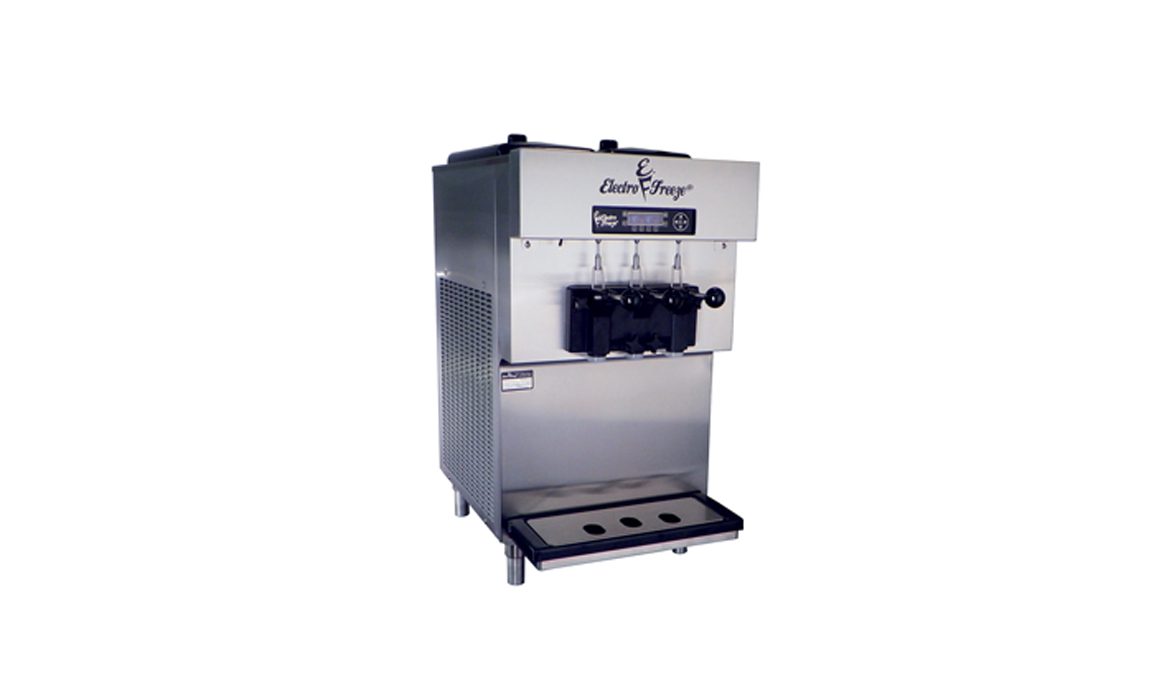
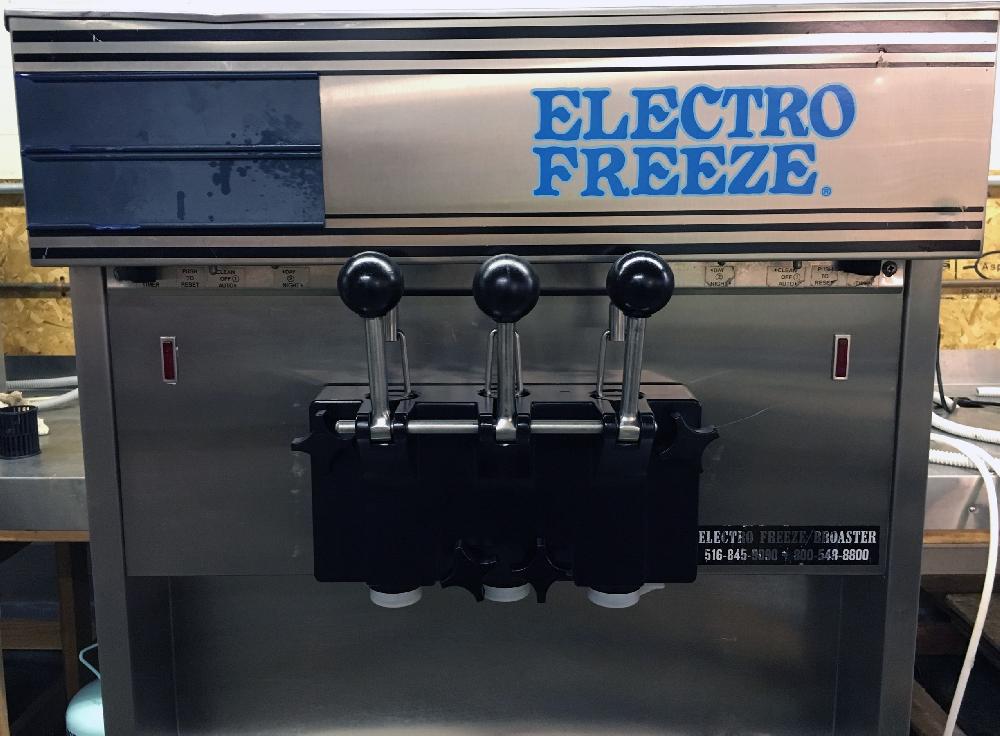
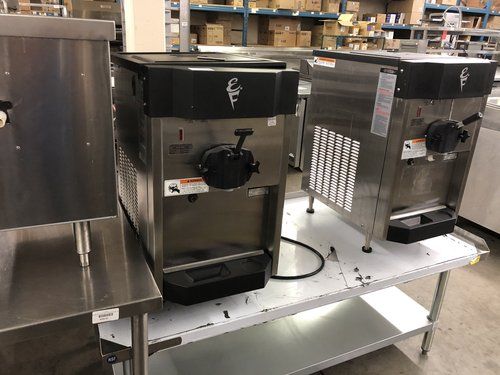
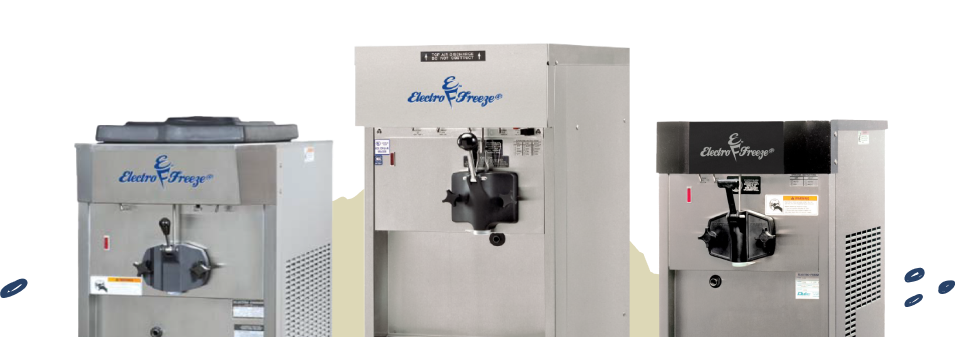
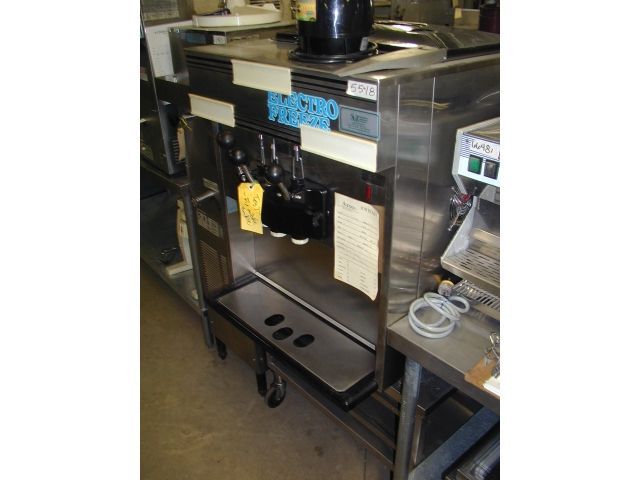
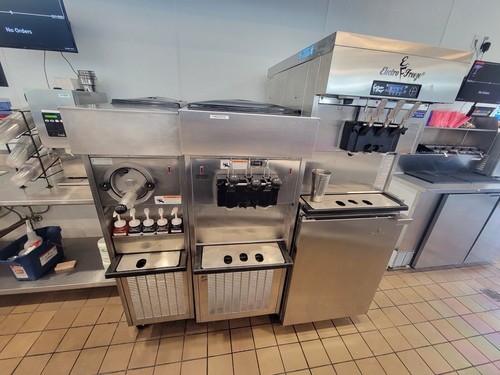
Electro Freeze Soft Serve Ice Cream Machine
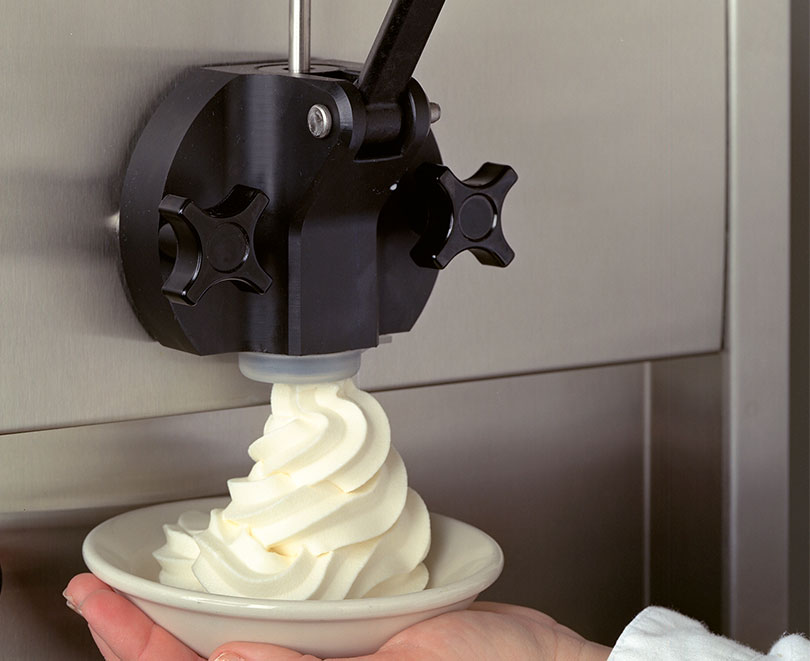
Electro Freeze soft serve ice cream machines are workhorses, bringing joy to countless customers. But like any appliance, they can experience issues. One of the most common problems homeowners face, especially with smaller, residential-grade models, is inconsistent cooling or heating. This manifests as ice cream that's either too soft and melty, or overly hard and icy. Let's break down how to troubleshoot this.
Diagnosing the Temperature Problem
Before jumping to conclusions, we need a systematic approach to identify the root cause. We'll start with the simplest checks and progressively move towards more complex ones.
Step 1: Initial Assessment (No Tools Required)
First, carefully observe the machine's behavior. Ask yourself these questions:
- Is the machine completely failing to cool/heat, or is the temperature just off?
- Has the problem appeared suddenly, or has it been a gradual decline in performance?
- Are there any unusual noises coming from the machine, such as rattling, grinding, or hissing?
- Is the digital display (if your model has one) showing any error codes? Write down any error codes immediately. They are crucial for diagnosis. Consult your user manual for error code definitions.
- Is the machine clean? A build-up of frozen mix or spilled product can insulate components and affect heat transfer.
- Check the air vents around the machine. Are they obstructed by anything, like walls, curtains, or debris? Proper ventilation is essential for efficient cooling.
Step 2: Power Supply Check (No Tools Required)
A surprising number of temperature problems are caused by power issues.
- Confirm the machine is properly plugged in and that the outlet is functioning. Test the outlet with another appliance to be sure.
- Check the circuit breaker for the machine. Has it tripped? If so, reset it. If it trips again immediately, there's likely a short circuit or overload, and you'll need to call a professional.
- Avoid using extension cords if possible. They can restrict power flow, especially with a high-demand appliance like an ice cream machine. If you must use one, ensure it's a heavy-duty cord designed for appliances.
Step 3: Ingredient Mix and Preparation (No Tools Required)
The ingredients you use and how you prepare the mix play a crucial role in the final product temperature and consistency.
- Are you using the correct mix for your Electro Freeze machine? Refer to your machine's manual for recommended mix types and ratios. Using an incompatible mix can lead to freezing problems.
- Is the mix properly pre-chilled before pouring it into the machine? Starting with a warm mix puts extra strain on the cooling system.
- Are you overfilling the hopper? Overfilling can prevent proper freezing and lead to overflow issues.
Step 4: Condenser Coil Inspection (Basic Equipment: Screwdriver or Nut Driver)
The condenser coil is responsible for releasing heat from the refrigeration system. If it's dirty or blocked, it can significantly impair cooling efficiency.
Warning: Disconnect the machine from the power outlet before performing this step.
- Locate the condenser coil. It's usually at the back or side of the machine. You may need to remove a panel using a screwdriver or nut driver. Refer to your manual for instructions.
- Visually inspect the coil. Is it covered in dust, lint, or other debris?
- If the coil is dirty, use a soft brush or vacuum cleaner with a brush attachment to gently clean it. Be careful not to damage the fins.
Step 5: Agitator Inspection (Basic Equipment: Screwdriver or Nut Driver)
The agitator keeps the mix moving within the freezing cylinder, preventing ice crystal formation and ensuring even cooling. A malfunctioning agitator can lead to uneven freezing and icy ice cream.
Warning: Disconnect the machine from the power outlet before performing this step.
- Locate the agitator. It's usually inside the freezing cylinder. You may need to remove some parts to access it. Consult your manual.
- Check the agitator for any signs of damage, such as cracks, bends, or loose parts.
- Ensure the agitator is rotating freely. If it's stuck or difficult to turn, there may be a problem with the motor or bearings.
- Check the scraper blades on the agitator. Are they worn or damaged? Replace them if necessary.
Step 6: Temperature Control Settings (No Tools Required)
Ensure that your temperature control settings are properly configured for the desired softness of your ice cream.
- Consult your user manual for the recommended temperature setting for the type of mix you are using.
- If your ice cream is too soft, lower the temperature setting incrementally and re-test. If it's too hard, increase the temperature setting.
- Give the machine time to adjust to the new settings before evaluating the results. This may take up to an hour.
DIY Actions You Can Take
Based on the diagnostics, here are some simple DIY actions you can try:
- Clean the Machine Thoroughly: This is always the first step. Remove any accumulated ice cream residue from all parts of the machine.
- Clean the Condenser Coils: As described in Step 4.
- Adjust the Temperature Settings: Fine-tune the temperature to achieve the desired consistency. Refer to your manual.
- Ensure Proper Ventilation: Make sure the machine has adequate airflow around it.
- Replace Worn Scraper Blades: If the agitator blades are worn, replace them with new ones.
- Use the Correct Mix and Preparation: Double-check that you're using the recommended mix and pre-chilling it properly.
When to Call a Professional
Some problems are beyond the scope of DIY repair and require the expertise of a qualified HVAC technician or Electro Freeze service representative. Do not attempt to repair the following issues yourself:
- Refrigerant Leaks: Handling refrigerant requires specialized equipment and training. Leaking refrigerant is harmful to the environment and can be dangerous.
- Compressor Problems: The compressor is the heart of the refrigeration system. Repairing or replacing it is a complex and costly task.
- Electrical Issues: If you suspect a short circuit, faulty wiring, or any other electrical problem, call a professional immediately. Electrical repairs can be extremely dangerous.
- Control Board Malfunctions: If the digital display is showing unusual error codes or the machine is not responding to commands, the control board may be faulty. Replacing the control board requires specialized knowledge and tools.
- Freezing Cylinder Issues: If you suspect damage or leaks within the freezing cylinder, this repair requires specific equipment and skills.
- If the Machine is Still Under Warranty: Attempting repairs yourself may void the warranty. Contact Electro Freeze or an authorized service center.
Specifically, any of these warning signs indicate you need professional help:
- You smell a burning odor coming from the machine.
- You see smoke coming from the machine.
- The machine is making loud, unusual noises that weren't present before.
- The machine is shocking you when you touch it.
- You suspect a refrigerant leak (e.g., a sweet, oily smell).
- You've tried the DIY steps and the problem persists.
Troubleshooting an Electro Freeze soft serve machine requires a methodical approach. By carefully assessing the symptoms, performing basic checks, and following the recommended DIY steps, you can often resolve minor temperature issues yourself. However, it's crucial to recognize when the problem is beyond your capabilities and to call a qualified professional to ensure your safety and prevent further damage to the machine. Remember to always prioritize safety and consult your user manual for specific instructions and warnings related to your model.