Electronic Expansion Valve Out Of Range

Understanding Electronic Expansion Valves (EEVs) and Out-of-Range Errors in HVAC Systems
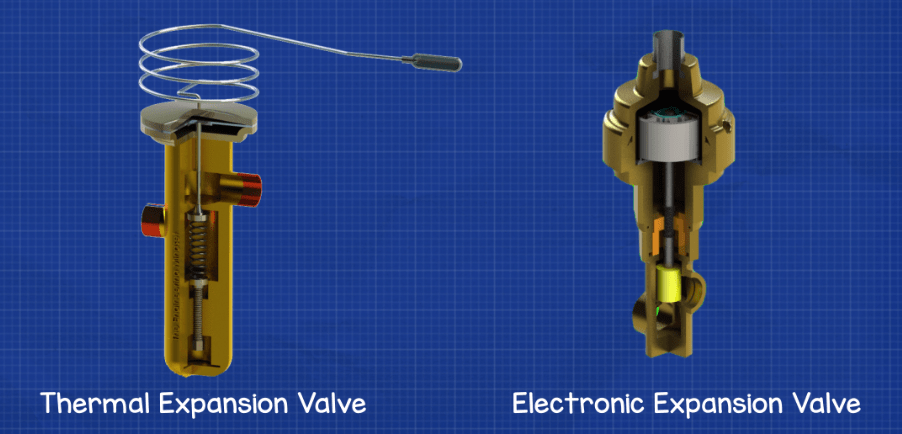
Modern HVAC systems are constantly evolving, and one of the most significant advancements is the introduction of the electronic expansion valve (EEV). Unlike traditional thermostatic expansion valves (TXVs), EEVs offer precise refrigerant flow control, leading to improved efficiency and performance. However, like any complex component, EEVs can experience issues, and one of the most common is an "out of range" error. This article will delve into what this error means, its potential causes, and how to address it, helping homeowners, real estate investors, and contractors make informed decisions.
What is an Electronic Expansion Valve (EEV)?
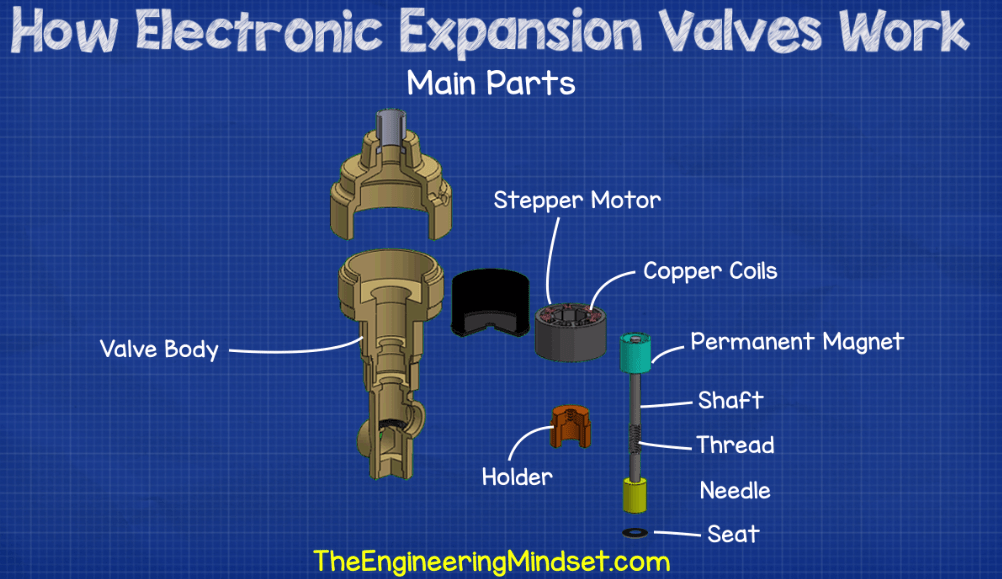
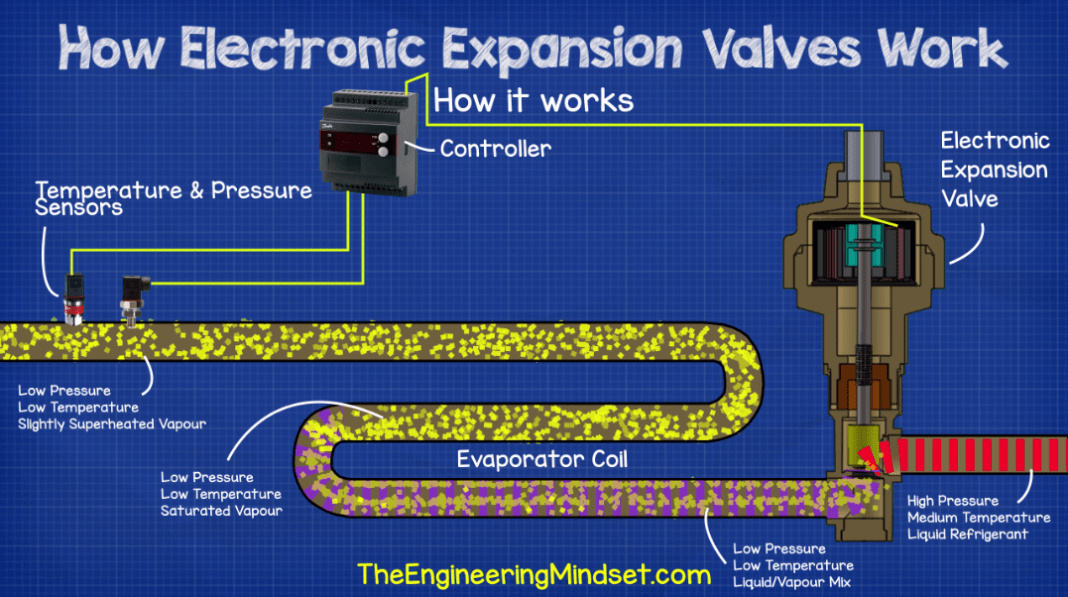
An EEV is a sophisticated control device that regulates the amount of refrigerant entering the evaporator coil in an air conditioner or heat pump. It uses sensors and a control board to dynamically adjust the valve opening based on real-time operating conditions. This precise control optimizes superheat, improves efficiency, and enables features like variable-speed compressor operation. Compared to a TXV, an EEV offers:
- Enhanced Efficiency: Precise refrigerant metering leads to better SEER (Seasonal Energy Efficiency Ratio) and HSPF (Heating Season Performance Factor) ratings.
- Improved Temperature Control: EEVs react quickly to changing load conditions, resulting in more consistent and comfortable temperatures.
- System Diagnostics: EEVs often integrate with system diagnostics, providing valuable troubleshooting information.
What Does "EEV Out of Range" Mean?
When an HVAC system displays an "EEV out of range" error, it indicates that the EEV is operating outside of its normal parameters. This could mean the valve is either fully open or fully closed, or that its position is not responding correctly to the control signal from the system's control board. This can manifest in several ways:
- Insufficient Cooling or Heating: The system may struggle to maintain the desired temperature.
- High or Low Superheat: Imprecise refrigerant control can lead to abnormal superheat readings.
- System Shutdown: In severe cases, the system may shut down completely to prevent damage.
Common Causes of EEV Out-of-Range Errors
Several factors can contribute to an EEV operating outside of its normal range. Understanding these causes is crucial for accurate diagnosis and effective repair.
1. Refrigerant Charge Issues
An incorrect refrigerant charge, whether due to a leak or improper installation, is a common culprit. Low refrigerant charge can cause the EEV to overcompensate, attempting to increase refrigerant flow, potentially reaching its maximum opening point and triggering the error. Conversely, an overcharged system can lead to excessively high pressures and temperatures, also pushing the EEV outside its normal operating parameters.
2. Sensor Malfunctions
The EEV relies on various sensors (temperature, pressure) to monitor system conditions and adjust refrigerant flow accordingly. A faulty sensor can provide inaccurate readings to the control board, causing the EEV to operate incorrectly. Specifically, look at:
- Suction Line Temperature Sensor: Inaccurate reading will impact superheat control
- Discharge Line Temperature Sensor: May cause high pressure cut-out faults in combination with EEV issues
- Pressure Transducers: Key for proper calculation of subcooling and superheat
3. Wiring Problems
Loose, corroded, or damaged wiring can disrupt communication between the control board and the EEV. This can lead to intermittent or complete failure of the EEV to respond to control signals. Carefully inspect all wiring connections associated with the EEV and the control board for any signs of damage or corrosion.
4. Control Board Issues
The control board is the brain of the HVAC system, responsible for processing sensor data and controlling the EEV. A faulty control board can send incorrect signals to the EEV or fail to recognize its position, leading to an out-of-range error. This is often harder to diagnose, but should be considered, especially after other potential causes have been ruled out.
5. Valve Sticking or Damage
Over time, the EEV itself can become damaged or develop internal issues, such as sticking. This can prevent the valve from moving freely, resulting in an inability to properly control refrigerant flow. Debris in the system, poor maintenance, and even extreme operating conditions can contribute to this problem.
6. Communication Errors
Many modern HVAC systems use digital communication protocols to link various components, including the EEV, to the main control board. Interference, software bugs, or issues with the communication bus can disrupt this communication, leading to errors, including "EEV out of range."
Troubleshooting and Repairing EEV Out-of-Range Errors
Diagnosing and repairing an EEV out-of-range error requires a systematic approach. Here's a general guide:
- Check Refrigerant Charge: Verify the refrigerant charge is within the manufacturer's specified range. If needed, add or remove refrigerant to achieve the correct charge. Use a digital manifold gauge set to get accurate readings.
- Inspect Sensors: Use a multimeter to test the resistance or voltage output of the temperature and pressure sensors. Compare the readings to the manufacturer's specifications. Replace any faulty sensors.
- Examine Wiring: Visually inspect all wiring connections associated with the EEV and control board. Tighten any loose connections and repair or replace any damaged wiring.
- Test EEV Operation: Many HVAC systems have built-in diagnostic modes that allow you to manually control the EEV. Use these modes to verify that the valve is responding correctly to control signals. This will require the service manual for the unit.
- Check for Debris: If possible, inspect the refrigerant lines and filter drier for any signs of debris. Clean or replace components as needed.
- Consider the Control Board: If other troubleshooting steps fail to identify the problem, consider the possibility of a faulty control board. Replacing the control board is often a last resort, as it can be expensive.
EEV and HVAC System Selection: Brands and Models
When choosing a new HVAC system, consider the inclusion of an EEV as a valuable feature. Here's a brief comparison of some popular brands and models known for their use of EEV technology and efficiency ratings:
Carrier Infinity Series
Carrier's Infinity series offers high-efficiency air conditioners and heat pumps with EEVs and advanced control systems. These systems often achieve SEER ratings of up to 26 and HSPF ratings of up to 13.
Trane XV Series
Trane's XV series features variable-speed compressors and EEVs for precise temperature control and energy savings. These models can reach SEER ratings of up to 22 and HSPF ratings of up to 12.
Lennox SL28XCV
Lennox's SL28XCV offers precise cooling with its Silent Comfort Technology. These systems can reach SEER ratings of up to 28 and HSPF ratings of up to 12. Lennox often has excellent warranty programs, but pay close attention to registration and maintenance requirements.
Note: *Always consult the manufacturer's specifications for the most accurate ratings and features.*
Warranty Considerations and Maintenance
When purchasing an HVAC system with an EEV, pay close attention to the warranty terms. Most manufacturers offer warranties on parts and labor, but the duration and coverage can vary. It's crucial to understand what is covered and what is not. Some manufacturers require professional installation and regular maintenance to maintain the warranty. For example, some extended warranties demand yearly servicing performed by certified technicians.
Preventative maintenance can significantly extend the lifespan of your HVAC system and prevent EEV-related issues. Regular maintenance should include:
- Cleaning or replacing air filters
- Inspecting and cleaning coils
- Checking refrigerant levels
- Inspecting wiring and connections
- Calibrating sensors
Conclusion
The electronic expansion valve (EEV) is a critical component in modern high-efficiency HVAC systems, providing precise refrigerant control and enhanced performance. While EEVs offer numerous benefits, they can also experience issues, such as "out of range" errors. Understanding the causes of these errors and how to troubleshoot them is essential for homeowners, real estate investors, and contractors. By choosing HVAC systems with robust EEVs, following proper maintenance procedures, and addressing issues promptly, you can ensure optimal performance, energy savings, and long-term reliability.