Energy Efficiency Ratio For Air Conditioners

Choosing the right air conditioner can be a daunting task, especially when faced with technical terms like Energy Efficiency Ratio (EER). This guide will break down EER in simple terms, explaining what it means, why it matters, and how it can help you save money and energy.
What is Energy Efficiency Ratio (EER)?
EER stands for Energy Efficiency Ratio. It's a measure of how efficiently an air conditioner cools a space. In essence, it tells you how much cooling you get for every unit of electricity you use.
Think of it this way: Imagine two air conditioners, both producing the same amount of cold air. If one uses less electricity to achieve that same level of cooling, it has a higher EER.
The EER is calculated by dividing the cooling output (measured in British Thermal Units or BTUs) by the power input (measured in watts). The formula is:
EER = Cooling Output (BTU) / Power Input (Watts)
Understanding the Numbers
A higher EER rating indicates a more efficient air conditioner. For example, an AC unit with an EER of 12 is more efficient than one with an EER of 10. This means the unit with the EER of 12 provides more cooling for the same amount of electricity consumed.
Important Note: EER is tested under specific conditions (usually 95°F outdoor temperature). While helpful for comparison, it doesn't represent real-world performance under varying conditions.
Why Does EER Matter?
Understanding EER is crucial for several reasons:
- Energy Savings: A higher EER translates directly to lower electricity bills. Efficient AC units use less power to deliver the same cooling, saving you money over the lifespan of the appliance.
- Environmental Impact: Using less electricity means reducing your carbon footprint. Energy-efficient air conditioners contribute to a more sustainable environment.
- Long-Term Cost Savings: While a more efficient AC unit might have a higher upfront cost, the long-term savings on energy bills often outweigh the initial investment.
- Government Regulations and Rebates: Many governments and utility companies offer rebates and incentives for purchasing energy-efficient appliances, including air conditioners with high EER ratings.
EER vs. SEER: What's the Difference?
You'll often hear about SEER (Seasonal Energy Efficiency Ratio) alongside EER. While both measure efficiency, they are calculated differently and represent different aspects of an air conditioner's performance.
EER is a snapshot of efficiency under a specific set of conditions (typically a constant outdoor temperature). SEER, on the other hand, represents the seasonal average efficiency, taking into account a range of temperatures throughout a typical cooling season.
Think of it like this: EER is like measuring a car's fuel efficiency on a perfectly flat road at a constant speed. SEER is like measuring the fuel efficiency over a whole trip, including hills, traffic, and varying speeds.
Key Differences:
- Test Conditions: EER is measured at a single, specific temperature. SEER is measured under a range of temperatures.
- Scope: EER provides a point-in-time efficiency rating. SEER provides a seasonal average efficiency rating.
- Real-World Relevance: SEER is generally considered a better indicator of real-world energy efficiency, as it reflects the fluctuating temperatures of a typical cooling season.
Which one should you focus on? While both are important, SEER is generally the more useful metric for evaluating the overall energy efficiency of an air conditioner. However, in very hot climates with consistently high temperatures, EER can also be a valuable factor to consider.
Factors Affecting EER
Several factors can influence an air conditioner's EER:
- Compressor Type: The compressor is the heart of the AC unit. More efficient compressor designs, like those found in inverter-driven systems, can significantly improve EER.
- Refrigerant Type: The type of refrigerant used also impacts efficiency. Modern refrigerants are designed to be more energy-efficient and environmentally friendly. Think of refrigerant as the 'blood' of your AC system, carrying heat from inside to outside.
- Coil Design: The design of the evaporator and condenser coils affects heat transfer. Larger, more efficient coils allow for better heat exchange, improving EER.
- Fan Motor Efficiency: The motors that drive the fans in the AC unit also consume electricity. Energy-efficient fan motors can contribute to a higher EER.
- Insulation: Proper insulation of the unit itself and the ductwork (if applicable) can minimize heat loss and improve overall efficiency.
How to Choose an Air Conditioner with a Good EER
When selecting an air conditioner, consider the following steps to ensure you choose a unit with a good EER (and SEER):
- Determine Your Cooling Needs: Calculate the appropriate BTU rating for your space. An undersized unit will struggle to cool effectively, while an oversized unit will cycle on and off frequently, wasting energy. Consulting a professional HVAC technician is recommended.
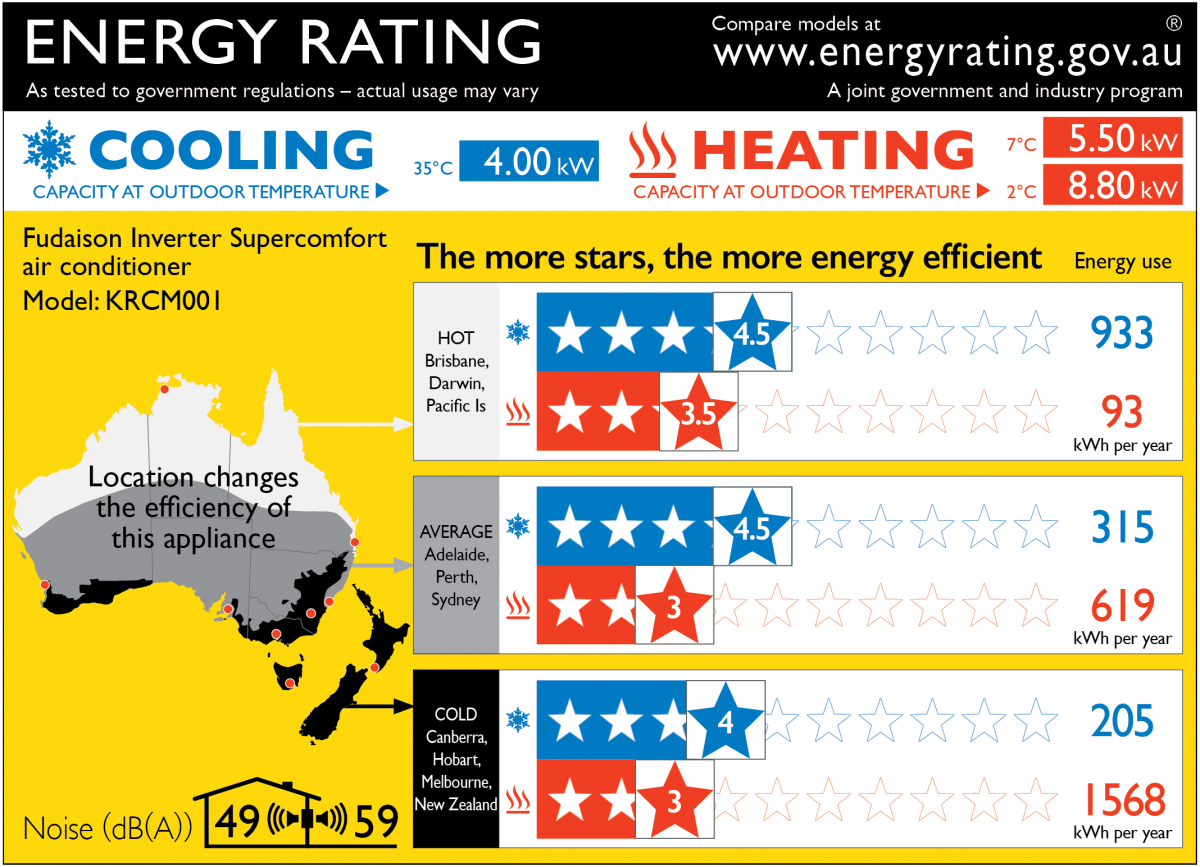
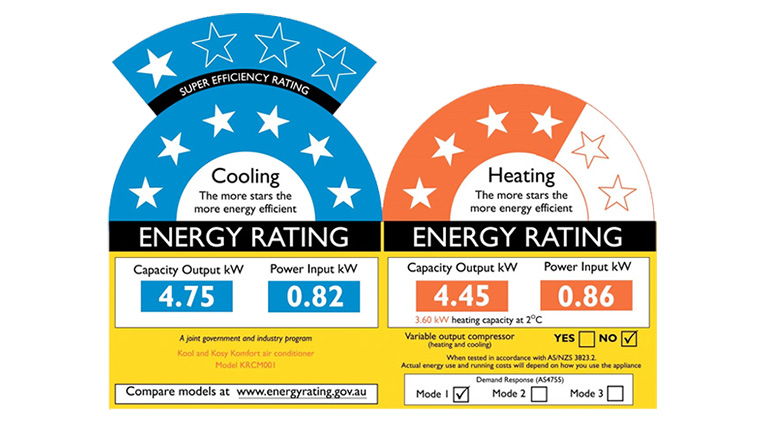
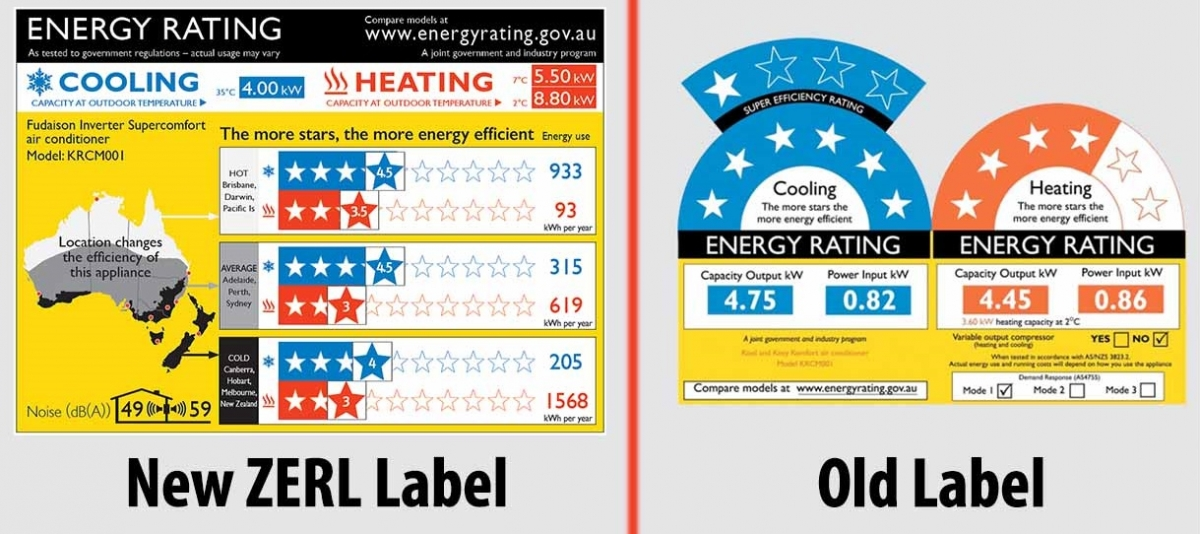
- Check the EER and SEER Ratings: Look for air conditioners with high EER and SEER ratings. In many regions, there are minimum efficiency standards that manufacturers must meet.
- Consider the Climate: If you live in a hot climate with consistently high temperatures, prioritize EER alongside SEER. If you live in a region with more moderate temperatures, SEER might be the more important factor.
- Look for Energy Star Certification: Energy Star certified air conditioners meet strict energy efficiency guidelines set by the EPA. These units are typically more efficient than standard models.
- Read Reviews and Compare Models: Research different air conditioner models and read reviews from other users. Pay attention to comments about energy efficiency, performance, and reliability.
- Consider Professional Installation: Proper installation is crucial for optimal performance and efficiency. Hire a qualified HVAC technician to install your new air conditioner. A poorly installed unit can significantly reduce its efficiency.
Minimum EER Standards and Rebates
Many countries and regions have minimum EER and SEER standards for air conditioners. These standards are designed to promote energy conservation and reduce energy consumption. Check your local regulations to ensure you are purchasing a compliant unit.
Additionally, many utility companies and government agencies offer rebates and incentives for purchasing energy-efficient air conditioners. These rebates can help offset the upfront cost of a more efficient unit, making it a more attractive investment.
Maintaining Your Air Conditioner for Optimal EER
Even the most efficient air conditioner will lose its efficiency over time if it is not properly maintained. Regular maintenance is essential for ensuring optimal performance and extending the lifespan of your unit.
Here are some tips for maintaining your air conditioner:
- Clean or Replace Air Filters Regularly: Dirty air filters restrict airflow, forcing the AC unit to work harder and consume more energy. Check your filters monthly and clean or replace them as needed.
- Clean the Coils: Dust and debris can accumulate on the evaporator and condenser coils, reducing their ability to transfer heat. Clean the coils regularly using a fin comb or a specialized coil cleaner.
- Check the Refrigerant Level: Low refrigerant levels can significantly reduce efficiency. If you suspect a refrigerant leak, contact a qualified HVAC technician to inspect and repair the system.
- Clear Debris Around the Outdoor Unit: Ensure that the outdoor unit is free from obstructions, such as plants, leaves, and debris. This will allow for proper airflow and prevent overheating.
- Schedule Regular Professional Maintenance: Schedule annual or bi-annual maintenance with a qualified HVAC technician. They can perform a thorough inspection of the system, identify potential problems, and ensure that it is operating at peak efficiency.
Conclusion
Understanding the Energy Efficiency Ratio (EER) is a key step in choosing an air conditioner that will save you money and reduce your environmental impact. While SEER is often a more comprehensive measure, EER provides valuable insight into efficiency under specific conditions, particularly in consistently hot climates. By considering EER, SEER, and other factors such as climate and cooling needs, you can make an informed decision and select an air conditioner that will provide efficient and reliable cooling for years to come. Remember that regular maintenance is crucial for maintaining optimal EER throughout the lifespan of your AC unit.