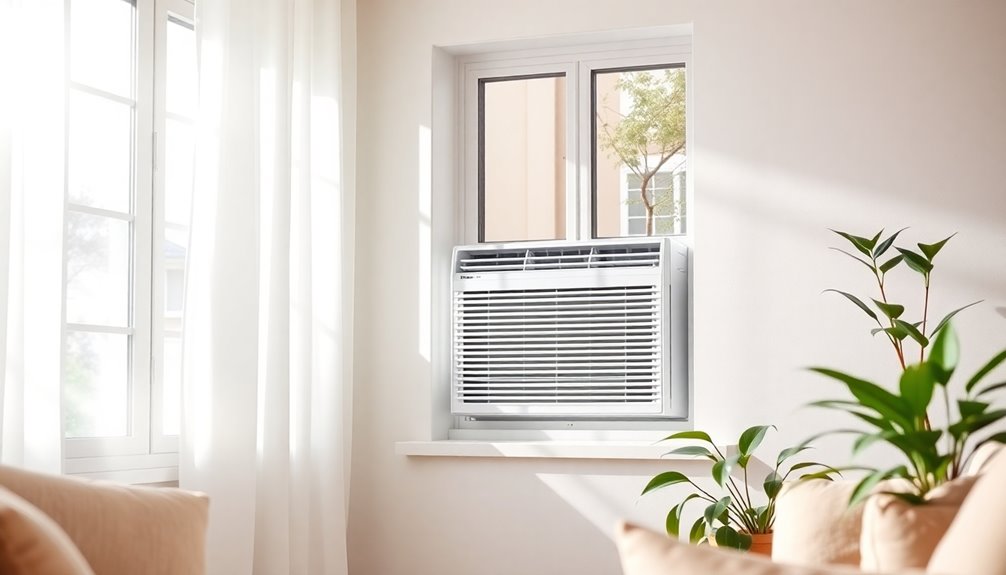
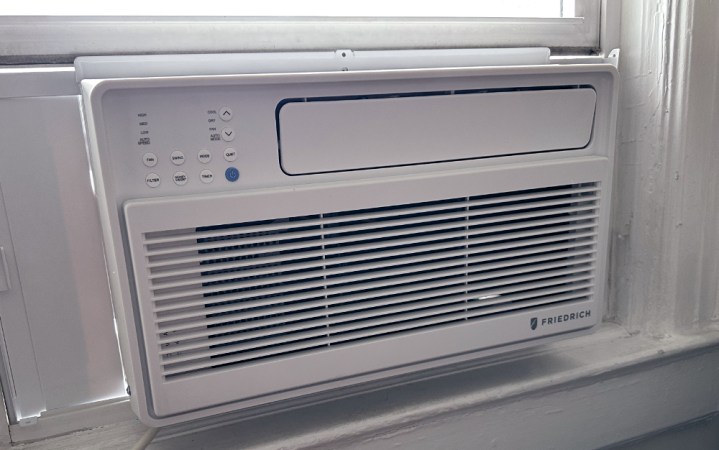
Energy Efficient Air Conditioner Window Unit

The demand for energy-efficient solutions is reshaping the HVAC industry, and window air conditioners are no exception. As consumers become increasingly conscious of their energy consumption and its impact on both their wallets and the environment, energy-efficient window AC units are gaining significant traction. This article explores the technology behind these units, their benefits, career opportunities related to their installation and maintenance, and the skills HVAC professionals need to thrive in this evolving landscape.
Understanding Energy-Efficient Window AC Technology
Traditional window AC units, while providing cooling, often consume substantial amounts of energy. Energy-efficient models, on the other hand, incorporate various technologies to minimize energy waste. Key features include:
- Inverter Technology: Unlike traditional AC units that cycle on and off, inverter-driven compressors modulate their speed to match the cooling demand. This eliminates energy-intensive start-stop cycles and provides more consistent temperature control, resulting in significant energy savings.
- High Energy Efficiency Ratio (EER) and Seasonal Energy Efficiency Ratio (SEER): EER measures the cooling output divided by the power input at a specific operating point. SEER, a more comprehensive metric, considers seasonal variations in temperature. Higher EER and SEER ratings indicate greater energy efficiency. Look for units with an EER of 12 or higher and a SEER of 15 or higher for optimal performance.
- Smart Features: Many energy-efficient window AC units come equipped with smart features like programmable timers, sleep modes, and Wi-Fi connectivity. These features allow users to optimize cooling schedules and monitor energy usage remotely, further reducing energy consumption.
- Eco-Friendly Refrigerants: Newer models utilize refrigerants with lower Global Warming Potential (GWP), such as R-32, which have a significantly reduced environmental impact compared to older refrigerants like R-410A.
- Improved Insulation and Sealing: Better insulation within the unit and tighter sealing around the window frame minimize heat leakage, reducing the workload on the compressor and improving energy efficiency.
The Environmental and Economic Benefits
The shift towards energy-efficient window AC units offers numerous advantages:
- Reduced Energy Consumption: Energy-efficient units consume significantly less power than their traditional counterparts, resulting in lower electricity bills.
- Lower Carbon Footprint: By reducing energy consumption, these units contribute to a smaller carbon footprint, helping to mitigate climate change.
- Increased Comfort: Inverter technology provides more consistent temperature control, eliminating temperature fluctuations and enhancing comfort.
- Longer Lifespan: The reduced strain on the compressor in inverter-driven units can extend their lifespan compared to traditional models.
Career Opportunities in Energy-Efficient Window AC Installation and Maintenance
The increasing adoption of energy-efficient window AC units is creating new opportunities for HVAC professionals. Here's a glimpse into the career paths available:
Installation Technicians
Installation technicians play a crucial role in ensuring that energy-efficient window AC units are properly installed and sealed for optimal performance. Responsibilities include:
- Accurately measuring window openings and selecting the appropriate AC unit size.
- Installing the unit securely and ensuring proper sealing to prevent air leaks.
- Connecting the unit to the power supply and testing its functionality.
- Educating customers on the unit's features and operation.
Salary Range: Entry-level installation technicians can expect to earn between $35,000 and $45,000 per year. Experienced technicians with specialized skills may earn upwards of $60,000 per year.
Maintenance and Repair Technicians
Maintenance and repair technicians are responsible for ensuring that energy-efficient window AC units operate efficiently and reliably. Responsibilities include:
- Performing routine maintenance tasks such as cleaning filters and coils.
- Diagnosing and repairing malfunctions, such as compressor failures or refrigerant leaks.
- Troubleshooting electrical issues and replacing faulty components.
- Providing preventative maintenance recommendations to customers.
Salary Range: Maintenance and repair technicians can expect to earn between $40,000 and $55,000 per year. Senior technicians with advanced diagnostic skills and experience may earn upwards of $70,000 per year.
HVAC System Designers
While less directly involved with window units, HVAC system designers play a role in selecting and specifying energy-efficient window AC units for supplemental cooling in larger buildings or specific zones. Their responsibilities include:
- Calculating cooling loads and determining the appropriate size and type of window AC unit.
- Integrating window AC units into overall building energy management systems.
- Ensuring compliance with energy efficiency codes and standards.
Salary Range: HVAC system designers typically earn between $60,000 and $90,000 per year, depending on experience and qualifications.
Essential Skills and Certifications
To succeed in the field of energy-efficient window AC installation and maintenance, HVAC professionals need a strong foundation of technical skills and relevant certifications. Key skills include:
- Refrigeration Cycle Knowledge: A thorough understanding of the refrigeration cycle is essential for diagnosing and repairing AC units.
- Electrical Troubleshooting: Technicians must be able to troubleshoot electrical issues and safely repair electrical components.
- HVAC System Controls: Familiarity with HVAC system controls, including thermostats and control boards, is crucial for optimizing performance.
- EPA 608 Certification: This certification is mandatory for technicians who handle refrigerants. It ensures that technicians understand and comply with regulations regarding refrigerant handling and disposal.
- NATE Certification: NATE (North American Technician Excellence) certification is a nationally recognized credential that demonstrates a technician's knowledge and skills in HVAC installation, maintenance, and repair. While not always mandatory, it can significantly enhance career prospects and earning potential.
The Job Outlook
The Bureau of Labor Statistics projects steady growth for HVAC mechanics and installers over the next decade. This growth is driven by factors such as:
- Increased demand for energy-efficient HVAC systems.
- The need to replace aging equipment.
- Growing awareness of indoor air quality.
This positive job outlook, coupled with the increasing demand for skilled technicians, makes a career in energy-efficient HVAC systems a promising choice.
Real-World Examples
Example 1: From Apprentice to Certified Technician
Sarah, a recent high school graduate, started as an HVAC apprentice with a local company. Through on-the-job training and coursework, she gained a solid understanding of HVAC systems and obtained her EPA 608 certification. She then pursued NATE certification, specializing in residential HVAC systems. Her expertise in energy-efficient technologies made her a valuable asset to her employer, leading to a promotion and increased responsibilities.
Example 2: Career Advancement through Specialization
Mark, an experienced HVAC technician, recognized the growing demand for energy-efficient solutions. He invested in training programs focused on inverter technology and smart HVAC systems. He also earned additional certifications related to building automation and energy management. This specialized knowledge allowed him to transition into a consulting role, advising clients on energy-efficient HVAC upgrades and retrofits.
Employer Perspective
Employers are actively seeking skilled technicians who possess the knowledge and skills to install, maintain, and repair energy-efficient HVAC systems. Companies value technicians who are:
- Certified: EPA 608 and NATE certifications are highly valued by employers.
- Experienced: Proven experience in HVAC installation and maintenance is essential.
- Adaptable: The ability to learn new technologies and adapt to changing industry trends is crucial.
- Customer-Focused: Strong communication and customer service skills are essential for building trust and rapport with clients.
Employers are also investing in training programs to upskill their existing workforce and ensure that technicians are equipped to handle the demands of the energy-efficient HVAC market. Investing in employees is a critical component for future success in a rapidly changing landscape.
Conclusion
Energy-efficient window AC units are not just a trend; they represent a fundamental shift in the HVAC industry. By understanding the technology behind these units, developing the necessary skills, and obtaining relevant certifications, HVAC professionals can position themselves for success in this evolving market. For students, this represents a growth area. For experienced technicians, certifications in energy efficient and smart home technologies can lead to higher pay and better positions. As demand for energy-efficient solutions continues to grow, the opportunities for skilled HVAC professionals will only increase.