Energy Efficient Ductless Air Conditioning Systems
Energy Efficient Ductless Air Conditioning: A Comprehensive Guide
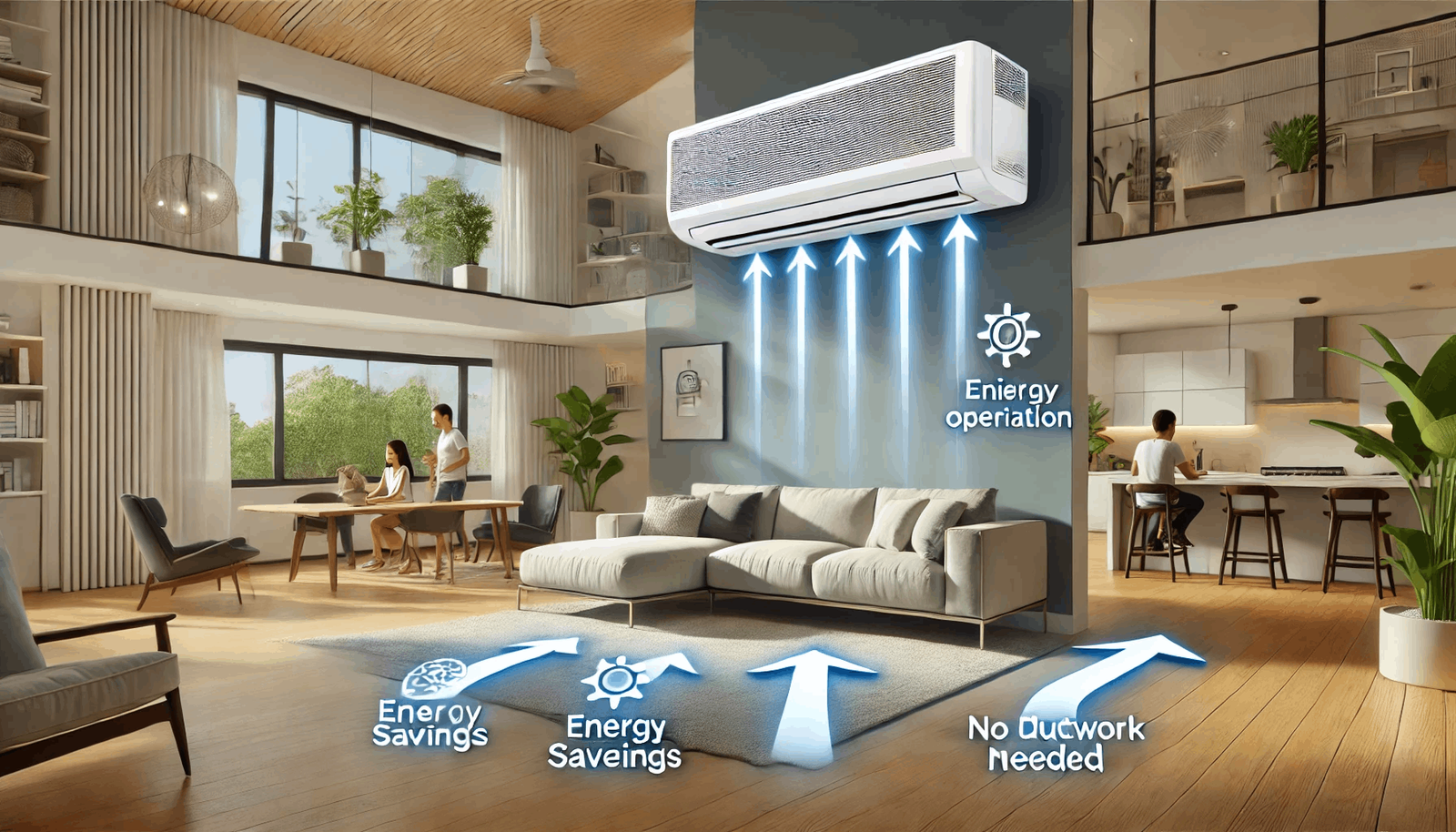
Ductless air conditioning systems, also known as mini-splits, are a popular alternative to traditional central air conditioning, especially for homes without existing ductwork, additions, or rooms that are difficult to cool. These systems offer impressive energy efficiency, flexible installation options, and zoned cooling capabilities, making them an attractive option for homeowners, real estate investors, and contractors alike. This guide will explore the pros and cons, features, pricing, and maintenance requirements of energy-efficient ductless air conditioning systems to help you make an informed decision.
What are Ductless Air Conditioning Systems?
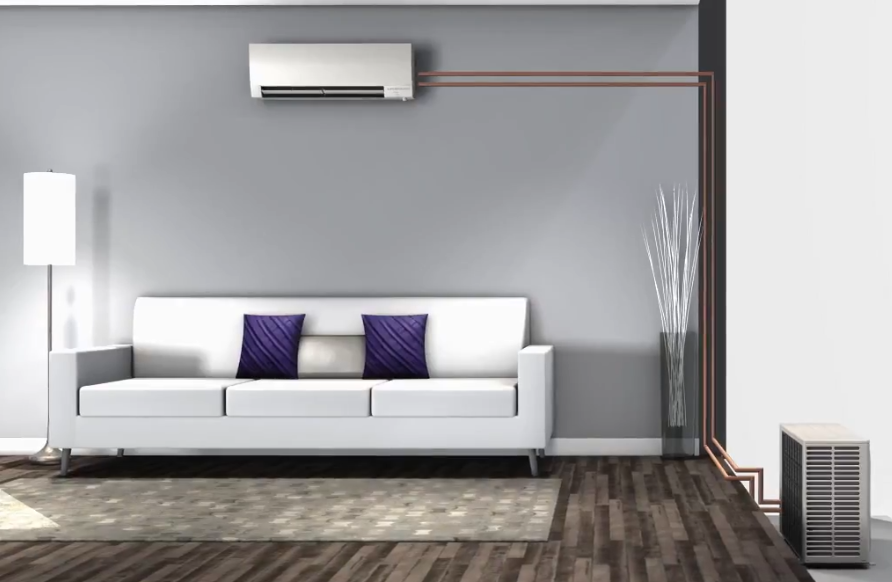
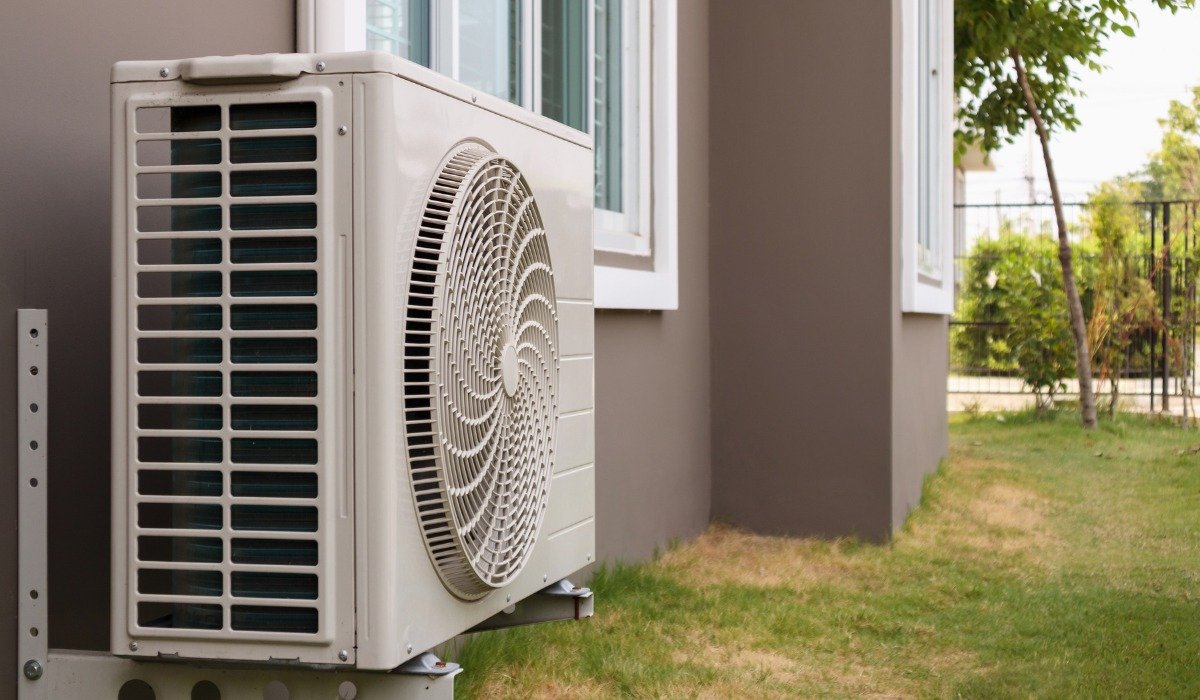
Unlike central air systems that rely on a network of ducts to distribute cool air, ductless systems consist of two main components: an outdoor compressor/condenser unit and one or more indoor air handling units. These units are connected by refrigerant lines and electrical wiring. Each indoor unit can be independently controlled, allowing for zoned cooling and heating, which can significantly improve energy efficiency and comfort.
Pros and Cons of Ductless Systems
Advantages
- Energy Efficiency: Ductless systems are known for their high SEER (Seasonal Energy Efficiency Ratio) and HSPF (Heating Seasonal Performance Factor) ratings, often exceeding those of traditional central air conditioners. This translates to lower energy bills.
- Zoned Cooling and Heating: Individual indoor units can be set to different temperatures, or turned off completely, allowing you to customize the climate in each room.
- Easy Installation: Compared to installing ductwork, ductless systems are relatively easy to install. A small hole in the wall is all that's needed for the refrigerant lines and wiring.
- Improved Air Quality: Ductless systems often include multi-stage filtration systems that remove dust, allergens, and other pollutants from the air.
- Quiet Operation: Both the indoor and outdoor units are generally quieter than traditional air conditioning systems.
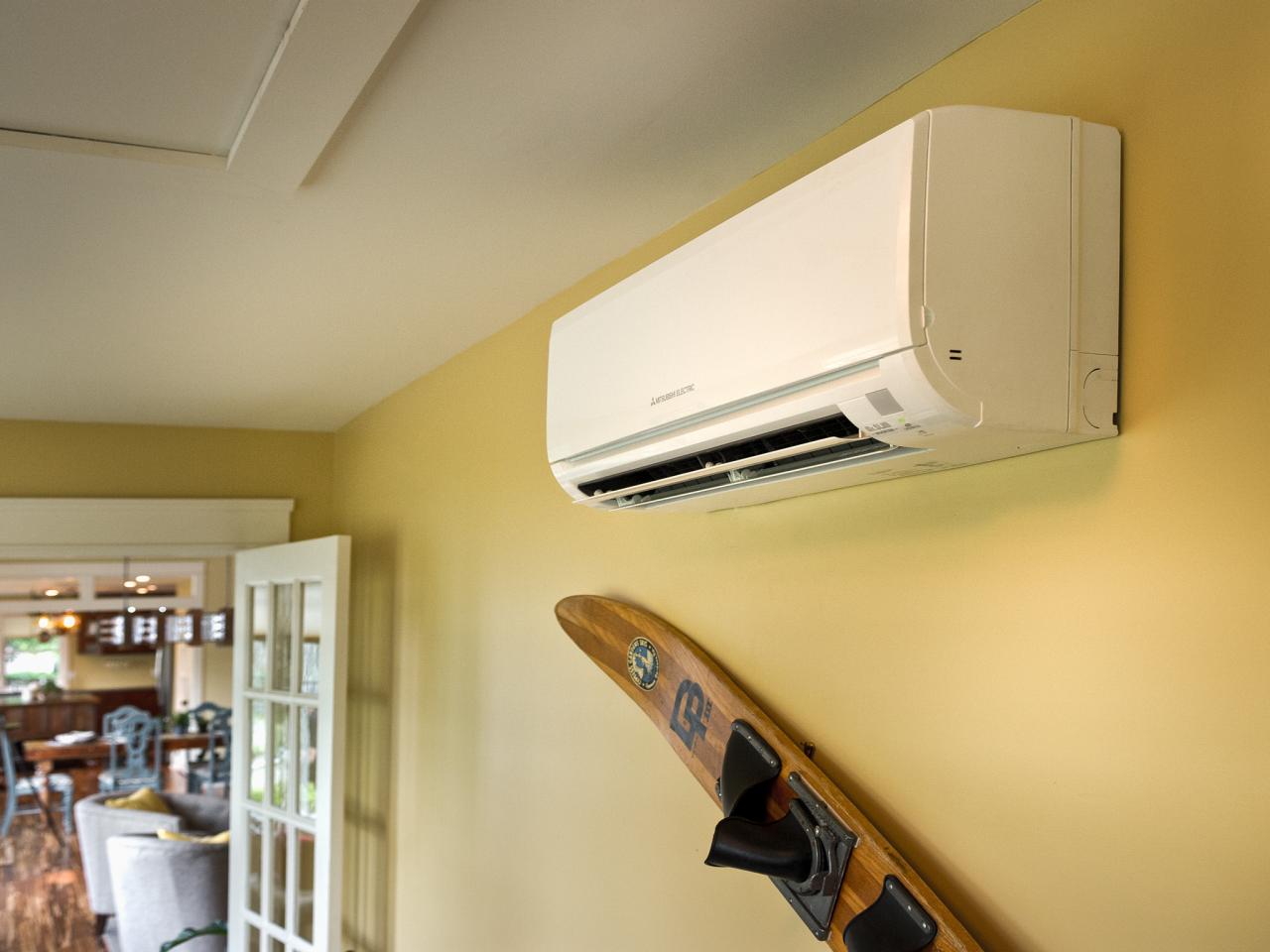
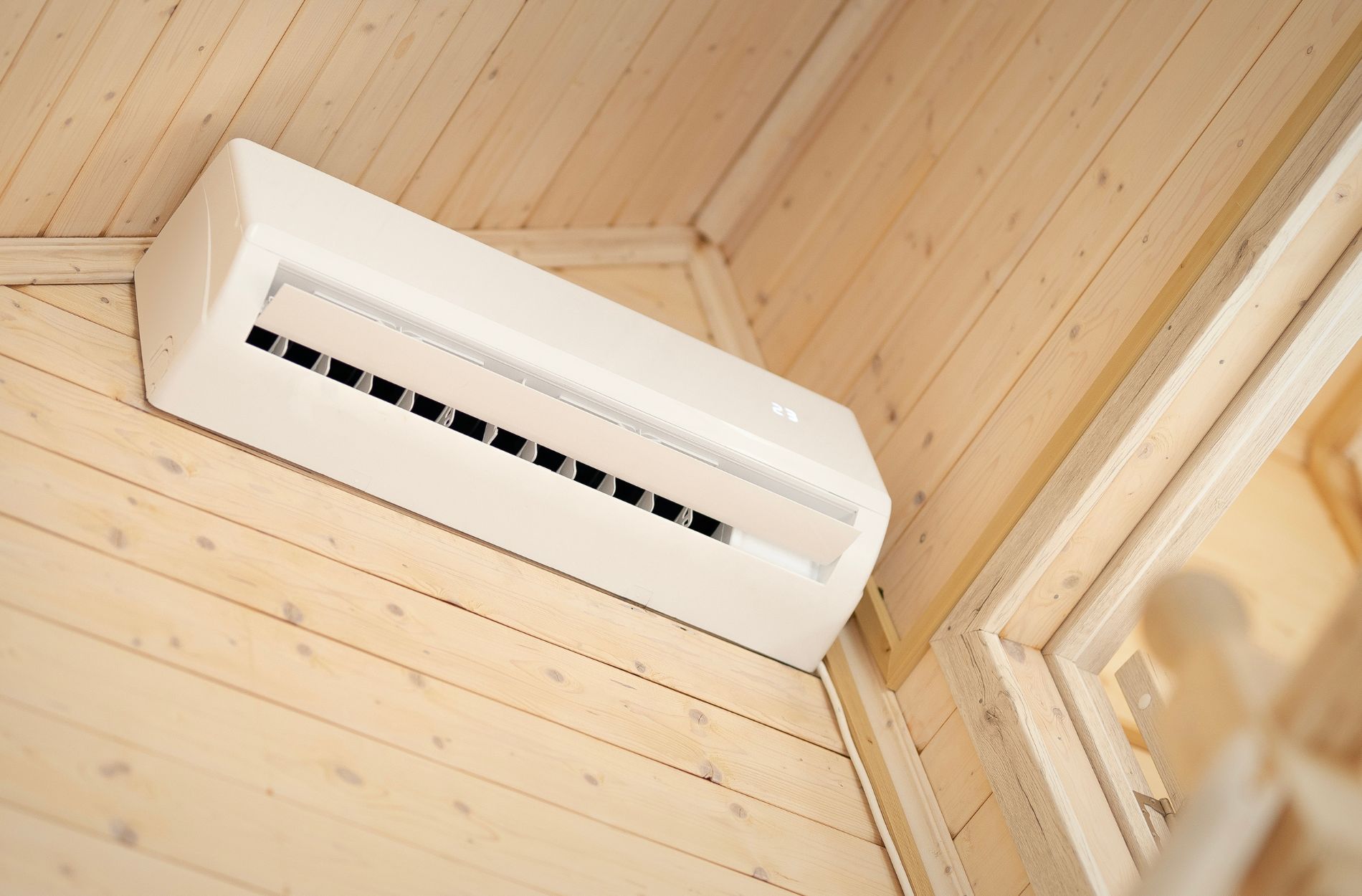
- Space Saving: Indoor units are compact and can be mounted on walls, ceilings, or floors, saving valuable floor space.
Disadvantages
- Initial Cost: Ductless systems can be more expensive to purchase and install than window units or even some central air conditioning systems, particularly if multiple indoor units are required.
- Aesthetics: Some homeowners find the appearance of the indoor units less appealing than traditional vents. However, many modern units are designed with sleek and discreet aesthetics.
- Maintenance: While generally reliable, ductless systems require regular cleaning and maintenance, including filter changes and coil cleaning, to maintain optimal performance.
- Professional Installation Required: Proper installation is crucial for performance and longevity. It's generally recommended to hire a qualified HVAC technician.
Key Features and Technologies
Modern ductless systems offer a variety of features designed to enhance comfort, efficiency, and convenience.
- Inverter Technology: This technology allows the compressor to operate at variable speeds, adjusting cooling and heating output to match the actual demand. This results in more consistent temperatures and significant energy savings.
- Multi-Stage Filtration: Advanced filtration systems remove allergens, dust, pollen, and other pollutants from the air, improving indoor air quality.
- Smart Controls: Many systems offer smart thermostat compatibility, allowing you to control the temperature from your smartphone or other devices.
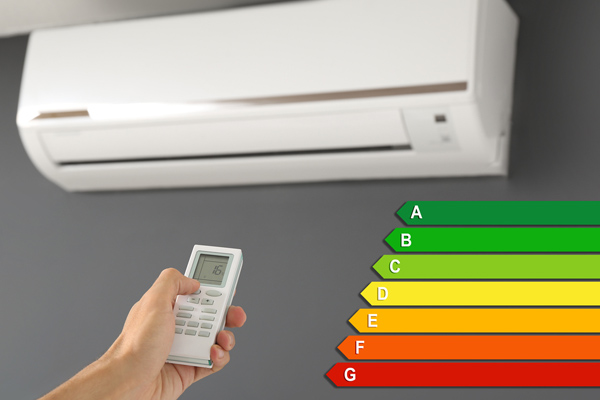
- Remote Control: All ductless units come with a remote control that will allow you to set temperature, fan speed and modes of operation.
- Auto Restart: In case of power interruption, the unit automatically restarts with the previous settings.
- Self-Cleaning Function: Some units have self-cleaning functions that help to prevent the buildup of mold and bacteria.
- Follow Me: Some remotes have a sensor on them, which when activated, will adjust the temperature by the location of the remote.
- Heating Function: Most ductless systems can also provide heating, making them a versatile year-round climate control solution.
Comparing Brands and Models
Several reputable HVAC brands offer high-quality ductless air conditioning systems. Here's a comparison of some popular options:
Mitsubishi Electric
Mitsubishi Electric is a leading manufacturer of ductless systems, known for their reliability, energy efficiency, and advanced features. Their Mr. Slim and M-Series are popular choices for residential applications. Mitsubishi systems are known for having high SEER ratings (up to 33.1) and quiet operation. Prices vary widely depending on the model and number of zones.
Key Features: i-See Sensor (detects occupancy and adjusts temperature), Hyper-Heating (provides reliable heating even in extreme cold), advanced filtration.
Daikin
Daikin is another well-regarded brand in the ductless market, offering a wide range of systems for various needs and budgets. Their Emura and LV Series are particularly popular for their sleek designs and high performance. Daikin systems offer SEER ratings up to 24.5.
Key Features: Streamer Technology (air purification), Intelligent Eye (detects occupancy), whisper-quiet operation.
Fujitsu
Fujitsu offers a range of ductless systems known for their affordability and reliability. Their Halcyon series is a popular choice for residential and light commercial applications. Fujitsu systems offer SEER ratings up to 33.
Key Features: Sleep Mode, Auto-Clean function, easy-to-use controls.
LG
LG offers a wide range of electronics, including ductless mini-split systems. LG offers many sizes and capacities in its units with some boasting SEER ratings of up to 27. Prices are normally slightly lower for LG systems compared to Mitsubishi or Daikin.
Key Features: Wi-Fi enabled controls, multiple airflow settings, smart diagnosis
Understanding SEER, HSPF, and AFUE Ratings
When evaluating ductless air conditioning systems, it's essential to understand the meaning of SEER (Seasonal Energy Efficiency Ratio), HSPF (Heating Seasonal Performance Factor), and AFUE (Annual Fuel Utilization Efficiency) ratings. These ratings provide a standardized measure of energy efficiency.
- SEER: Measures the cooling efficiency of an air conditioner or heat pump. The higher the SEER rating, the more efficient the unit. A minimum SEER of 15 is generally recommended.
- HSPF: Measures the heating efficiency of a heat pump. The higher the HSPF rating, the more efficient the unit.
- AFUE: This applies to furnaces only. Measures the efficiency of converting fuel into heat. The higher the AFUE, the more efficient the furnace.
Look for systems with high SEER and HSPF ratings to maximize energy savings. Energy Star certified models meet stringent energy efficiency guidelines.
Pricing and Installation Costs
The cost of a ductless air conditioning system depends on several factors, including the size of the system, the number of indoor units, the brand, and the complexity of the installation. Expect to pay more than traditional window units, but less than installing a central air conditioning with ductwork.
Here's a general cost breakdown:
- System Cost: $2,000 to $8,000 per zone (indoor unit and outdoor unit)
- Installation Cost: $500 to $2,000 per zone
Get quotes from multiple qualified HVAC contractors to ensure you're getting a fair price. Installation costs can vary depending on local labor rates and the complexity of the job.
Warranties and Maintenance
Most ductless air conditioning systems come with a manufacturer's warranty that covers parts and labor for a specific period, typically 5-10 years for parts and 1-5 years for labor. Be sure to read the warranty carefully and understand the terms and conditions. Proper installation and regular maintenance are usually required to maintain the warranty's validity.
Regular maintenance is essential to keep your ductless system running efficiently and reliably. Here are some essential maintenance tasks:
- Clean or Replace Air Filters: Air filters should be cleaned or replaced every 1-3 months, depending on usage and air quality.
- Clean Coils: The indoor and outdoor coils should be cleaned annually to remove dust and debris.
- Inspect Refrigerant Lines: Check for leaks and damage to the refrigerant lines.
- Professional Servicing: Schedule professional servicing annually to ensure proper operation and identify any potential problems.
Conclusion
Energy-efficient ductless air conditioning systems offer a compelling alternative to traditional central air conditioning, providing zoned cooling and heating, improved air quality, and significant energy savings. While the initial cost may be higher, the long-term benefits can outweigh the investment. By carefully considering your needs, comparing brands and models, and understanding the importance of proper installation and maintenance, you can choose the right ductless system to keep your home comfortable and energy-efficient for years to come. Always consult with qualified HVAC professionals to determine the best system for your specific needs and budget. Remember to look for systems with high SEER and HSPF ratings to maximize your energy savings.