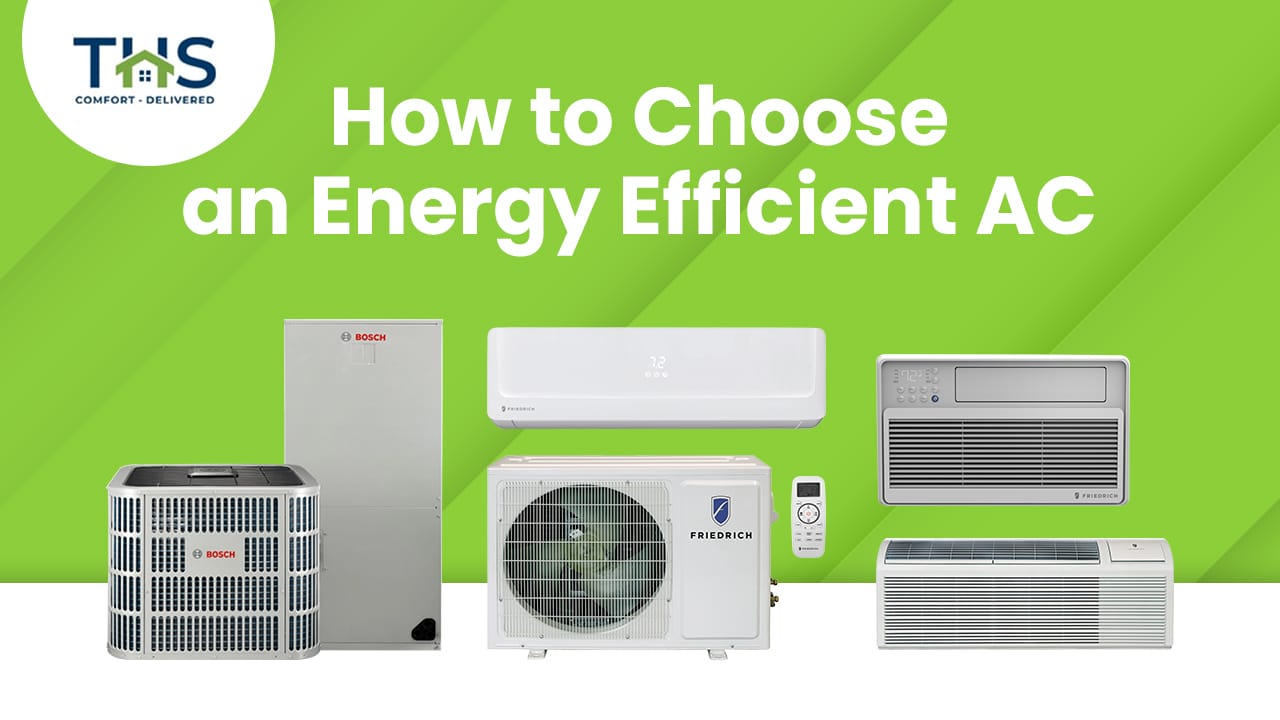
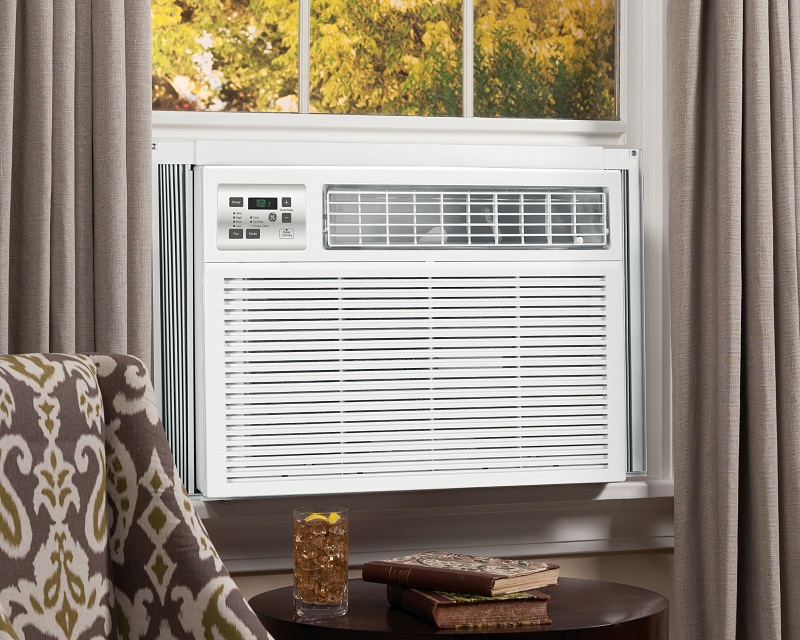
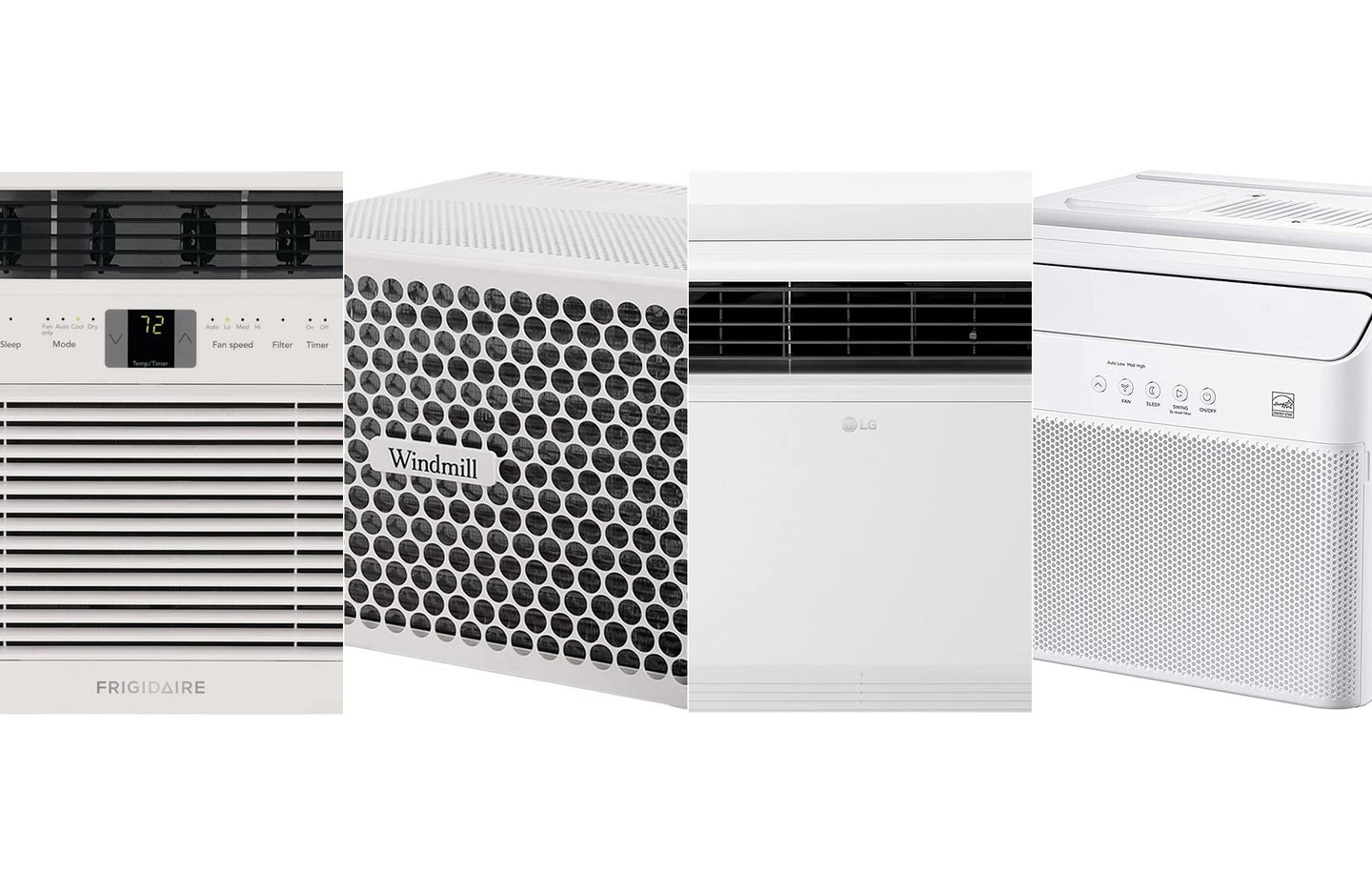
Energy Efficient Heater And Air Conditioner

Understanding Energy-Efficient Heating and Air Conditioning for Homeowners
Heating and cooling costs can be a significant portion of your home's energy bill. Optimizing your HVAC system for energy efficiency not only saves you money but also reduces your environmental impact. This guide provides practical information on identifying energy-efficient systems, maintaining them, and troubleshooting common issues. Remember, while some tasks are DIY-friendly, others require a qualified HVAC technician. Safety should always be your top priority.
Identifying Energy-Efficient HVAC Systems
The key to energy efficiency lies in understanding the ratings of your HVAC equipment. Here's what to look for:
- SEER (Seasonal Energy Efficiency Ratio): This applies to air conditioners and heat pumps. A higher SEER rating means greater efficiency. Look for systems with a SEER of 15 or higher.
- EER (Energy Efficiency Ratio): EER measures the cooling efficiency of an air conditioner at a specific operating point. It's less commonly used than SEER but can be useful for comparing models.
- HSPF (Heating Seasonal Performance Factor): This measures the heating efficiency of heat pumps. A higher HSPF rating indicates better heating efficiency. Aim for an HSPF of 8.2 or higher.
- AFUE (Annual Fuel Utilization Efficiency): This applies to furnaces. AFUE represents the percentage of fuel that's converted into usable heat. A higher AFUE rating signifies better efficiency. Consider furnaces with an AFUE of 90% or higher.
Energy Star certification is another helpful indicator. Energy Star-certified HVAC systems meet specific energy efficiency guidelines set by the EPA.
Essential Maintenance for Energy Efficiency
Regular maintenance is crucial for keeping your HVAC system running efficiently. Here are some key maintenance tasks:
Air Filter Replacement
This is the most important and easiest maintenance task you can perform. A dirty air filter restricts airflow, forcing your system to work harder and reducing its efficiency. Replace your air filter every 1-3 months, or more frequently if you have pets or allergies.
Tools Required:
- New air filter (correct size)
Steps:
- Turn off the HVAC system.
- Locate the air filter compartment (usually in the return air duct or the blower compartment).
- Remove the old filter, noting the direction of airflow (an arrow is usually printed on the filter).
- Insert the new filter, ensuring the airflow arrow points in the correct direction.
- Close the compartment.
- Turn the HVAC system back on.
Safety Tip: Always turn off the power to the HVAC system before replacing the air filter.
Coil Cleaning
Dirty evaporator and condenser coils reduce heat transfer, making your system less efficient. Clean the coils annually or bi-annually, depending on the environment.
Tools Required:
- Coil cleaning brush
- Fin comb (for straightening bent fins)
- Coil cleaner (specifically designed for HVAC coils)
- Garden hose (for rinsing)
Steps (for Condenser Coil - outdoor unit):
- Turn off the power to the outdoor unit at the disconnect switch.
- Remove the outer casing to access the coils.
- Use the coil cleaning brush to remove loose debris.
- Spray the coils with coil cleaner, following the manufacturer's instructions.
- Rinse the coils with a garden hose, using low pressure.
- Straighten any bent fins with a fin comb.
- Reassemble the unit.
- Turn the power back on.
Caution: Cleaning evaporator coils (indoor unit) is more complex and often requires professional assistance. Incorrect cleaning can damage the coils. Consider having a professional handle this task.
Ductwork Inspection and Sealing
Leaky ductwork can lose a significant amount of conditioned air, wasting energy. Inspect your ductwork for leaks and seal them with duct tape or mastic sealant.
Tools Required:
- Duct tape (aluminum foil tape is best)
- Mastic sealant
- Brush (for applying mastic sealant)
- Flashlight
Steps:
- Inspect the ductwork for visible leaks, especially at joints and seams.
- Clean the area around the leak.
- Apply duct tape over the leak, ensuring a tight seal.
- For larger leaks, apply mastic sealant with a brush.
- Allow the sealant to dry completely.
Note: For inaccessible ductwork or extensive leaks, consider hiring a professional duct sealing service.
Thermostat Programming
A programmable thermostat allows you to set different temperatures for different times of the day, saving energy when you're away or asleep.
Tip: Lower the thermostat by 7-10 degrees Fahrenheit for 8 hours a day to save up to 10% on your energy bill.
Troubleshooting Common HVAC Issues
Here are some common HVAC problems and potential solutions:
No Heat or Cooling
Possible Causes:
- Thermostat set incorrectly.
- Tripped circuit breaker.
- Dirty air filter.
- Pilot light out (for gas furnaces).
Troubleshooting Steps:
- Verify the thermostat settings.
- Check the circuit breaker for tripped breakers.
- Replace the air filter.
- If you have a gas furnace, check the pilot light. If it's out, follow the manufacturer's instructions to relight it.
When to Call a Professional: If none of these steps resolve the issue, contact an HVAC technician.
Weak Airflow
Possible Causes:
- Dirty air filter.
- Blocked vents.
- Leaky ductwork.
Troubleshooting Steps:
- Replace the air filter.
- Ensure that all vents are open and unobstructed.
- Inspect the ductwork for leaks.
When to Call a Professional: If the airflow remains weak after these steps, there may be a problem with the blower motor or ductwork, requiring professional attention.
Strange Noises
Possible Causes:
- Loose components.
- Worn-out motor bearings.
- Debris in the blower fan.
Troubleshooting Steps:
- Visually inspect the unit for any loose components.
- Listen carefully to pinpoint the source of the noise.
- If you suspect debris in the blower fan, try to remove it (after turning off the power).
When to Call a Professional: Unusual noises often indicate a serious mechanical problem. Contact an HVAC technician for diagnosis and repair.
Water Leaks
Possible Causes (for Air Conditioners):
- Clogged condensate drain line.
Troubleshooting Steps:
- Locate the condensate drain line (usually a PVC pipe near the indoor unit).
- Check for clogs. You can try to clear the line with a wet/dry vacuum or a stiff wire.
When to Call a Professional: If you're unable to clear the clog or if the leak persists, contact an HVAC technician.
Estimating Repair Costs
HVAC repair costs can vary widely depending on the issue, the type of system, and your location. Here are some general estimates:
- Air filter replacement: $10-$30 (DIY)
- Coil cleaning: $75-$200 (professional)
- Duct sealing: $200-$1000 (professional)
- Thermostat replacement: $100-$300 (professional)
- Blower motor replacement: $300-$700 (professional)
- Compressor replacement: $800-$2000 (professional)
- Furnace repair (minor): $100-$500 (professional)
- Furnace replacement: $3000-$7000 (professional)
- AC replacement: $3500-$8000 (professional)
Note: These are just estimates. Always get multiple quotes from reputable HVAC contractors before proceeding with any major repairs or replacements.
When to Call a Professional
While DIY maintenance and troubleshooting can save you money, some HVAC issues require professional expertise. Call a qualified HVAC technician if:
- You're uncomfortable working with electrical components or refrigerant.
- You suspect a refrigerant leak.
- You're experiencing frequent breakdowns.
- You need to repair or replace major components (e.g., compressor, heat exchanger).
- You're unsure about the proper course of action.
Safety First: Working with electricity and refrigerant can be dangerous. Always prioritize safety and consult a professional when in doubt.
By understanding the principles of energy-efficient HVAC systems, performing regular maintenance, and knowing when to call a professional, you can keep your home comfortable and your energy bills low.