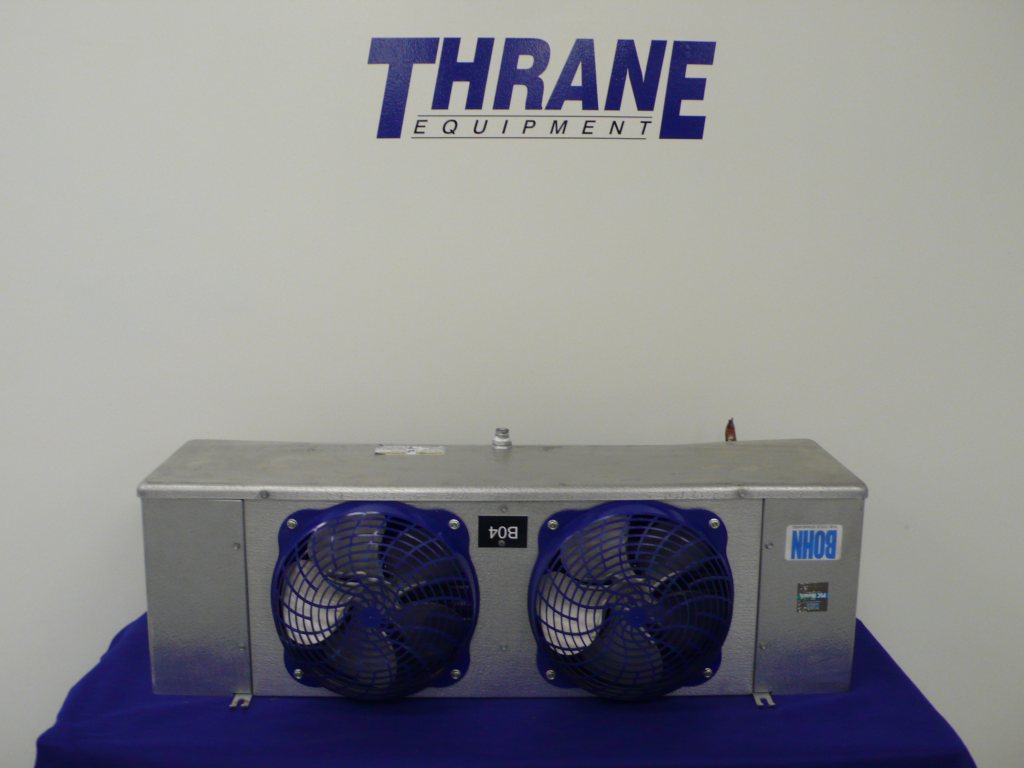
Evaporator Coil For Walk In Cooler
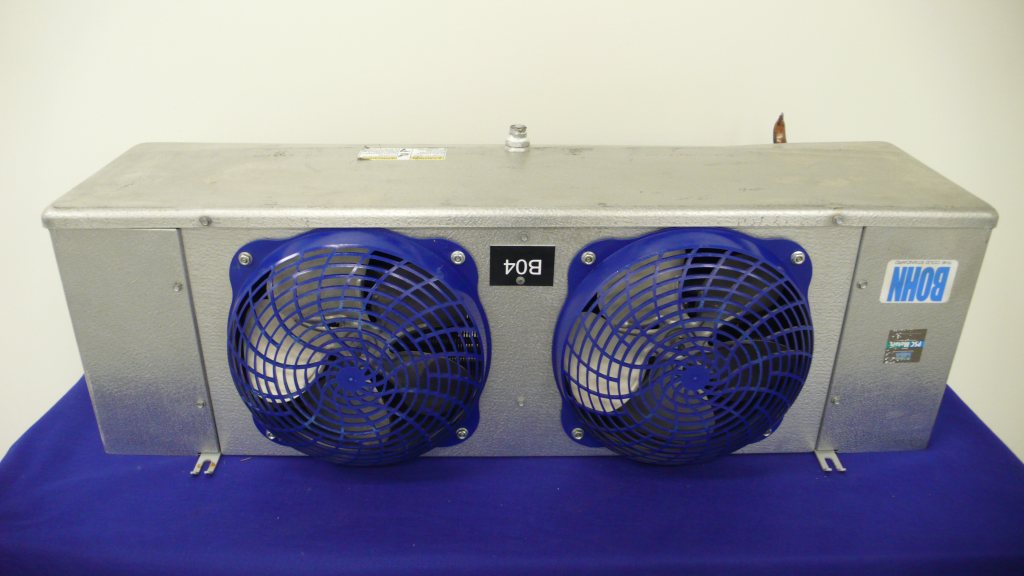
Walk-in coolers are essential for businesses that require consistent and reliable temperature control for perishable goods. From restaurants and grocery stores to pharmaceutical storage, these systems depend heavily on properly functioning components, and the evaporator coil is arguably one of the most crucial. Understanding the intricacies of evaporator coils in walk-in coolers is vital for HVAC technicians, designers, and anyone involved in the food service or related industries. This article delves into the specifics of these coils, their functionality, troubleshooting, and career opportunities for professionals working with them.
The Heart of Cooling: Understanding Evaporator Coils
The evaporator coil is a key component in the refrigeration cycle of a walk-in cooler. Its primary function is to absorb heat from the air inside the cooler, thereby lowering the temperature. This is achieved through the evaporation of refrigerant within the coil. Liquid refrigerant enters the coil at a low temperature and pressure. As it passes through the coil's tubes, it absorbs heat from the surrounding air, causing it to change state from a liquid to a gas. This gaseous refrigerant is then drawn back to the compressor to repeat the cycle.
Several factors influence the performance of an evaporator coil, including:
- Coil Size and Design: The size and configuration of the coil must be appropriate for the cooling load of the walk-in cooler. Undersized coils won't provide adequate cooling, while oversized coils can lead to inefficient operation.
- Airflow: Proper airflow across the coil is critical for efficient heat transfer. Obstructions, dirty coils, or malfunctioning fans can significantly reduce cooling capacity.
- Refrigerant Charge: The correct refrigerant charge is essential for optimal performance. Overcharging or undercharging can lead to various issues, including reduced cooling capacity, compressor damage, and energy inefficiency.
- Defrost Cycle: Walk-in coolers often operate at temperatures below freezing, leading to frost accumulation on the evaporator coil. A defrost cycle is necessary to remove this frost and maintain optimal performance. Defrost cycles can be time-initiated, temperature-initiated, or demand-initiated, depending on the system's design.
Types of Evaporator Coils Commonly Used
While the fundamental principle remains the same, evaporator coils come in various designs to suit different applications. Common types include:
- Finned Tube Coils: These are the most common type, consisting of copper or aluminum tubes with fins attached to increase the surface area for heat transfer.
- Plate Coils: These coils are constructed from flat plates with refrigerant channels running through them. They are often used in applications where space is limited.
- Microchannel Coils: These coils feature a large number of small channels, providing a high surface area for heat transfer and improved efficiency.
Troubleshooting Common Evaporator Coil Issues
Evaporator coils are susceptible to various issues that can impact the performance of a walk-in cooler. Common problems include:
- Frost Buildup: Excessive frost buildup can restrict airflow and reduce cooling capacity. This can be caused by a malfunctioning defrost cycle, air leaks, or high humidity.
- Refrigerant Leaks: Leaks can lead to reduced cooling capacity and potential environmental damage. EPA 608 certification is mandatory for technicians handling refrigerants.
- Dirty Coils: Dust and debris can accumulate on the coil, reducing heat transfer efficiency. Regular cleaning is essential.
- Fan Malfunctions: Faulty fans can restrict airflow across the coil, leading to reduced cooling capacity.
- Iced Coils: Icing can occur if the evaporator coil temperature drops below freezing, often caused by low refrigerant charge, poor airflow, or a malfunctioning TXV (Thermostatic Expansion Valve).
Effective troubleshooting requires a systematic approach. Technicians should check for airflow obstructions, refrigerant leaks, proper refrigerant charge, and the functionality of the defrost cycle and fan motors. Using tools like multimeters, refrigerant gauges, and infrared thermometers can aid in diagnosing the root cause of the problem.
Career Opportunities in Walk-In Cooler Maintenance and Repair
The demand for skilled HVAC technicians specializing in commercial refrigeration, including walk-in coolers, is consistently strong. The U.S. Bureau of Labor Statistics projects a growth rate of 6% for HVACR mechanics and installers from 2022 to 2032, about as fast as the average for all occupations. Approximately 38,000 openings for HVACR mechanics and installers are projected each year, on average, over the decade.
Here's a glimpse into potential career paths:
- Entry-Level Technician: Starting with an apprenticeship or vocational training, entry-level technicians assist experienced professionals with installation, maintenance, and repair tasks.
- HVAC Technician: With experience and certifications, technicians can diagnose and repair complex refrigeration systems, including walk-in coolers. Average salaries range from $45,000 to $65,000 per year, depending on location and experience.
- Refrigeration Specialist: Focusing specifically on refrigeration systems, these specialists possess advanced knowledge and skills in areas like system design, troubleshooting, and refrigerant management.
- Service Manager: With strong leadership and technical skills, technicians can advance to service manager roles, overseeing teams of technicians and managing service operations.
- HVAC Engineer: Holding a bachelor's degree in mechanical engineering, HVAC engineers design and develop refrigeration systems for commercial and industrial applications.
Certifications and Education
Several certifications can enhance career prospects and demonstrate expertise:
- EPA 608 Certification: Required for technicians who handle refrigerants.
- NATE (North American Technician Excellence) Certification: Demonstrates competency in specific areas of HVACR, including commercial refrigeration. NATE certification is highly valued by employers.
- RSES (Refrigeration Service Engineers Society) Membership: Provides access to training, resources, and networking opportunities.
- Vocational Training: Completing a vocational training program provides a solid foundation in HVACR principles and practices.
- Associate's Degree: An associate's degree in HVACR technology can provide more in-depth knowledge and skills, opening up opportunities for advanced roles.
Real-World Examples and Career Trajectories
Consider the journey of Sarah, a recent graduate of a vocational HVAC program. She started as an apprentice at a local HVAC company, assisting senior technicians with walk-in cooler repairs. Over time, she gained experience and obtained her EPA 608 certification and NATE certification. Within five years, Sarah became a lead technician, specializing in commercial refrigeration and earning a salary in the upper range for her region. She now mentors other apprentices and is considering pursuing further education to become a refrigeration specialist.
Another example is Mark, who started as a general HVAC technician. He noticed a growing demand for walk-in cooler expertise in his area. He focused his continuing education on commercial refrigeration and obtained specialized certifications. This allowed him to transition to a more lucrative and specialized role, focusing exclusively on walk-in cooler installation, maintenance, and repair.
The Employer Perspective: Hiring and Training Considerations
For employers, hiring skilled HVAC technicians with expertise in walk-in coolers is crucial for maintaining operational efficiency and preventing costly downtime. When recruiting, employers should prioritize candidates with:
- Relevant Certifications: EPA 608 and NATE certifications are strong indicators of competency.
- Experience: Prior experience working with commercial refrigeration systems is highly valuable.
- Problem-Solving Skills: The ability to diagnose and troubleshoot complex issues is essential.
- Communication Skills: Technicians must be able to communicate effectively with customers and colleagues.
Employers should also invest in ongoing training to keep their technicians up-to-date with the latest technologies and best practices. This can include providing access to manufacturer training programs, sponsoring certifications, and encouraging participation in industry events.
Industry Trends and Future Outlook
The HVACR industry is constantly evolving, with new technologies and regulations emerging regularly. Trends impacting walk-in cooler technology include:
- Energy Efficiency: Growing emphasis on energy-efficient systems to reduce operating costs and environmental impact.
- Refrigerant Regulations: Phasing out of older refrigerants with high global warming potential and adoption of more environmentally friendly alternatives.
- Smart Technology: Integration of sensors and controls to monitor performance, optimize energy consumption, and predict potential issues.
- Remote Monitoring: Utilizing remote monitoring systems to proactively identify and address problems before they lead to downtime.
Staying abreast of these trends is essential for HVAC technicians and employers alike. Continuous learning and adaptation are key to success in this dynamic field.
Conclusion
The evaporator coil is a critical component of walk-in cooler systems, and its proper functioning is essential for maintaining food safety and business operations. Understanding the principles of evaporator coil operation, troubleshooting common issues, and pursuing relevant certifications can lead to rewarding career opportunities in the HVACR industry. For employers, investing in skilled technicians and ongoing training is crucial for ensuring the reliability and efficiency of their walk-in cooler systems. As the industry continues to evolve, staying informed about emerging technologies and regulations will be vital for long-term success. The average HVAC technician salary in the USA is around $55,000 but specialists in walk-in coolers and commercial refrigeration can earn significantly more. For example, HVAC service managers can earn $70,000 to $90,000 annually based on location and experience.