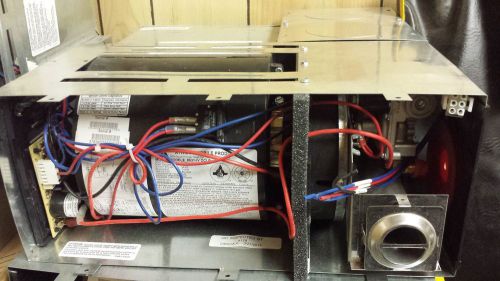
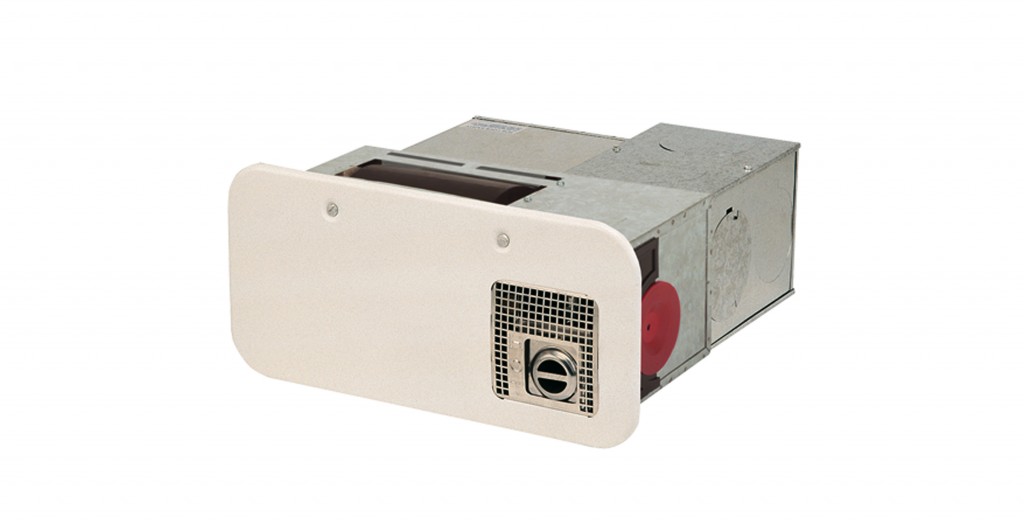
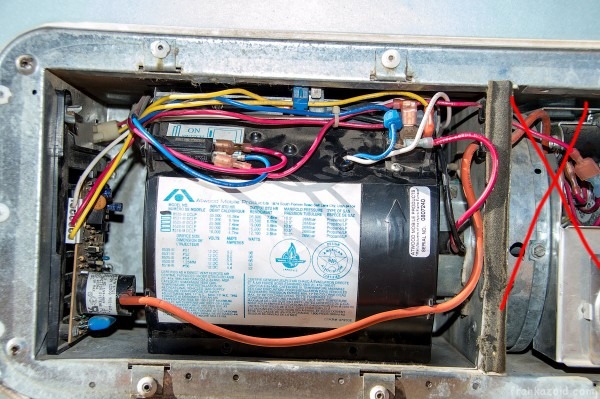
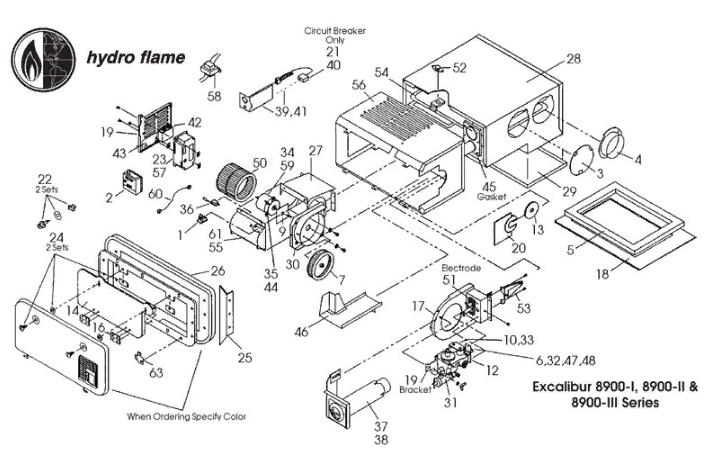
Excalibur 8500 Iii Series Hydro Flame Furnace
The HVAC industry is a cornerstone of modern comfort and safety, and staying abreast of the latest equipment is crucial for success. This article delves into the Excalibur 8500 III Series Hydro Flame Furnace, examining its technical specifications, market relevance, and the career opportunities associated with its installation and maintenance. We'll also explore the certifications that can boost your career in this field.
Excalibur 8500 III Series: An Overview
The Excalibur 8500 III Series Hydro Flame Furnace represents a significant advancement in heating technology, offering efficient and reliable performance for residential and light commercial applications. These furnaces are known for their compact design, ease of installation, and advanced control systems. While specific technical details may vary depending on the exact model within the series, some common features include:
- High-Efficiency Operation: Typically achieving AFUE (Annual Fuel Utilization Efficiency) ratings in the mid-to-high 80s or low 90s, making them more efficient than older models.
- Multi-Speed Blowers: Providing consistent and comfortable airflow while reducing energy consumption.
- Durable Heat Exchangers: Constructed from robust materials like aluminized steel to withstand high temperatures and prolong furnace lifespan.
- Advanced Controls: Featuring integrated diagnostic systems and compatibility with smart thermostats.
- Compact Design: Allows for installation in tight spaces, ideal for retrofitting existing homes.
These features translate to lower energy bills for homeowners and reduced maintenance requirements for technicians. The Excalibur series is often found in RV and mobile home applications, which poses specific installation and maintenance challenges.
Career Paths in HVAC: From Apprentice to Specialist
Working with furnaces like the Excalibur 8500 III Series opens doors to a variety of career paths. The HVAC industry offers opportunities for individuals with diverse skill sets and levels of experience. Here are a few examples:
Entry-Level Positions: HVAC Installer/Technician Apprentice
Starting as an apprentice is a common route into the HVAC industry. Apprentices work under the supervision of experienced technicians, learning the fundamentals of installation, maintenance, and repair. Tasks may include:
- Assisting with furnace installations, including ductwork and gas line connections.
- Performing routine maintenance tasks such as filter changes and cleaning burners.
- Learning to diagnose basic furnace problems.
Salary Range: $30,000 - $45,000 per year (depending on location and experience).
The Bureau of Labor Statistics projects an increase in demand for HVAC technicians over the next decade, solidifying the promise of stable employment.
Mid-Level Positions: HVAC Technician
After gaining experience and completing apprenticeship programs, technicians can advance to more independent roles. HVAC technicians are responsible for:
- Installing, maintaining, and repairing a wide range of HVAC equipment, including furnaces, air conditioners, and heat pumps.
- Diagnosing complex system problems using diagnostic tools and technical manuals.
- Communicating with customers to explain repair options and provide estimates.
Salary Range: $45,000 - $70,000 per year (depending on location, experience, and certifications).
Advanced Positions: HVAC Specialist/Service Manager
Experienced technicians with specialized knowledge and strong leadership skills can advance to roles such as HVAC Specialist or Service Manager. These positions often involve:
- Providing technical support to other technicians.
- Managing service schedules and customer accounts.
- Developing and implementing training programs.
- Specializing in areas like commercial refrigeration or energy management.
Salary Range: $70,000 - $100,000+ per year (depending on location, experience, and certifications).
Furthermore, some technicians choose to specialize in specific equipment types, such as gas furnaces like the Excalibur 8500 III Series, becoming experts in their installation, maintenance, and repair.
Essential Certifications for HVAC Professionals
Certifications are crucial for demonstrating competency and enhancing career prospects in the HVAC industry. They validate your skills and knowledge, making you more attractive to employers and customers. Some of the most important certifications include:
- EPA Section 608 Certification: Required by law for any technician who handles refrigerants. This certification demonstrates your understanding of refrigerant handling practices and environmental regulations. Obtaining this certification is particularly vital for working with heat pumps and air conditioning systems.
- NATE (North American Technician Excellence) Certification: A nationally recognized certification that validates your skills in specific areas of HVAC, such as gas furnaces, air conditioning, and heat pumps. NATE certification enhances credibility and earning potential.
- HVAC Excellence Certification: Another reputable certification program that offers a range of certifications for different HVAC specialties.
- State and Local Licenses: Many states and municipalities require HVAC technicians to be licensed. Licensing requirements vary, but typically involve passing an exam and meeting minimum experience requirements.
Obtaining a NATE certification in Gas Furnaces, for instance, would directly demonstrate expertise relevant to the Excalibur 8500 III Series.
Industry Trends and the Future of HVAC
The HVAC industry is constantly evolving, driven by factors such as technological advancements, energy efficiency concerns, and changing consumer preferences. Some key trends include:
- Smart HVAC Systems: Integrating smart thermostats and other connected devices to improve energy efficiency and comfort.
- High-Efficiency Equipment: A growing demand for high-efficiency furnaces, air conditioners, and heat pumps that reduce energy consumption and lower utility bills.
- Renewable Energy Integration: Incorporating solar thermal and geothermal systems into HVAC designs.
- Emphasis on Indoor Air Quality: Increasing awareness of the importance of indoor air quality, leading to greater demand for air purifiers, filtration systems, and ventilation solutions.
Technicians with expertise in these areas will be highly sought after in the coming years. Familiarity with the Excalibur 8500 III series, especially its control systems and integration capabilities, can provide a competitive edge.
Real-World Example: From RV Technician to HVAC Specialist
Consider the career path of Maria, a technician who initially worked on RVs, specifically focusing on their onboard heating and cooling systems. Maria gained extensive experience with furnaces like the Excalibur 8500 III Series, learning to troubleshoot and repair them in the unique environment of a mobile home. She then pursued NATE certification in Gas Furnaces and broadened her skills to include residential and commercial HVAC systems. Maria now works as a service manager for a large HVAC company, overseeing a team of technicians and providing technical expertise on complex furnace repairs.
Employer Considerations: Hiring and Training HVAC Professionals
For employers in the HVAC industry, attracting and retaining skilled workers is essential for success. Here are some key considerations:
- Offer Competitive Salaries and Benefits: Attract top talent by providing competitive compensation packages that include health insurance, retirement plans, and paid time off. According to recent industry surveys, benefits can significantly impact employee retention.
- Invest in Training and Development: Provide opportunities for employees to enhance their skills and knowledge through training programs, certifications, and continuing education.
- Promote a Positive Work Environment: Foster a supportive and collaborative work environment that values employee contributions and promotes teamwork.
- Recognize and Reward Performance: Acknowledge and reward employees for their achievements and contributions to the company's success. Consider implementing performance-based bonuses and promotions.
- Stay Updated on Industry Trends: Keeping abreast of the latest technological advancements and market trends is crucial. Encouraging employees to attend industry conferences and participate in online forums can help them stay informed.
- Consider RV Specific Experience: When hiring, consider applicants with experience in RV repair, as experience with smaller-scale systems can be directly transferable.
Investing in employees’ professional development, particularly in areas like troubleshooting complex furnace systems, will lead to a more skilled and reliable workforce. Furthermore, offering specialized training for units like the Excalibur 8500 III series, which is commonly found in niche markets, can provide a distinct advantage.
Conclusion
The HVAC industry offers a rewarding and challenging career path for individuals with the right skills, knowledge, and dedication. By staying informed about the latest equipment and technologies, pursuing relevant certifications, and continuously developing their expertise, HVAC professionals can achieve long-term success. The Excalibur 8500 III Series Hydro Flame Furnace is just one example of the many types of equipment that HVAC technicians will encounter throughout their careers. A solid understanding of furnace operation, maintenance, and repair is essential for anyone seeking a career in this dynamic and growing industry. The ongoing demand for skilled technicians, coupled with advancements in technology, ensures that the HVAC industry will continue to be a source of opportunity for years to come.