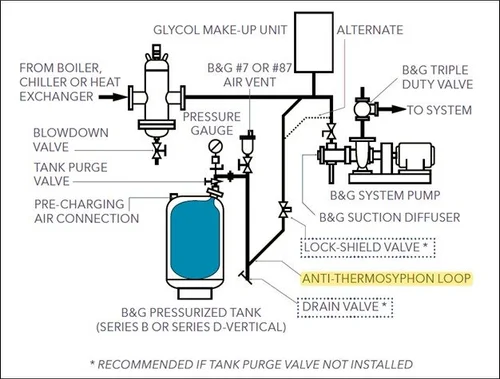
Expansion Tank In Chilled Water System

Expansion Tanks in Chilled Water Systems: A Guide to Efficiency & Savings
Chilled water systems are gaining traction, not just in massive commercial buildings, but also in energy-conscious homes and businesses. One component often overlooked is the expansion tank. While seemingly simple, this unassuming device plays a crucial role in system efficiency, longevity, and ultimately, your energy bill. Understanding its function and importance is key to maximizing your return on investment (ROI) in a chilled water system.
What is an Expansion Tank and Why is it Needed?
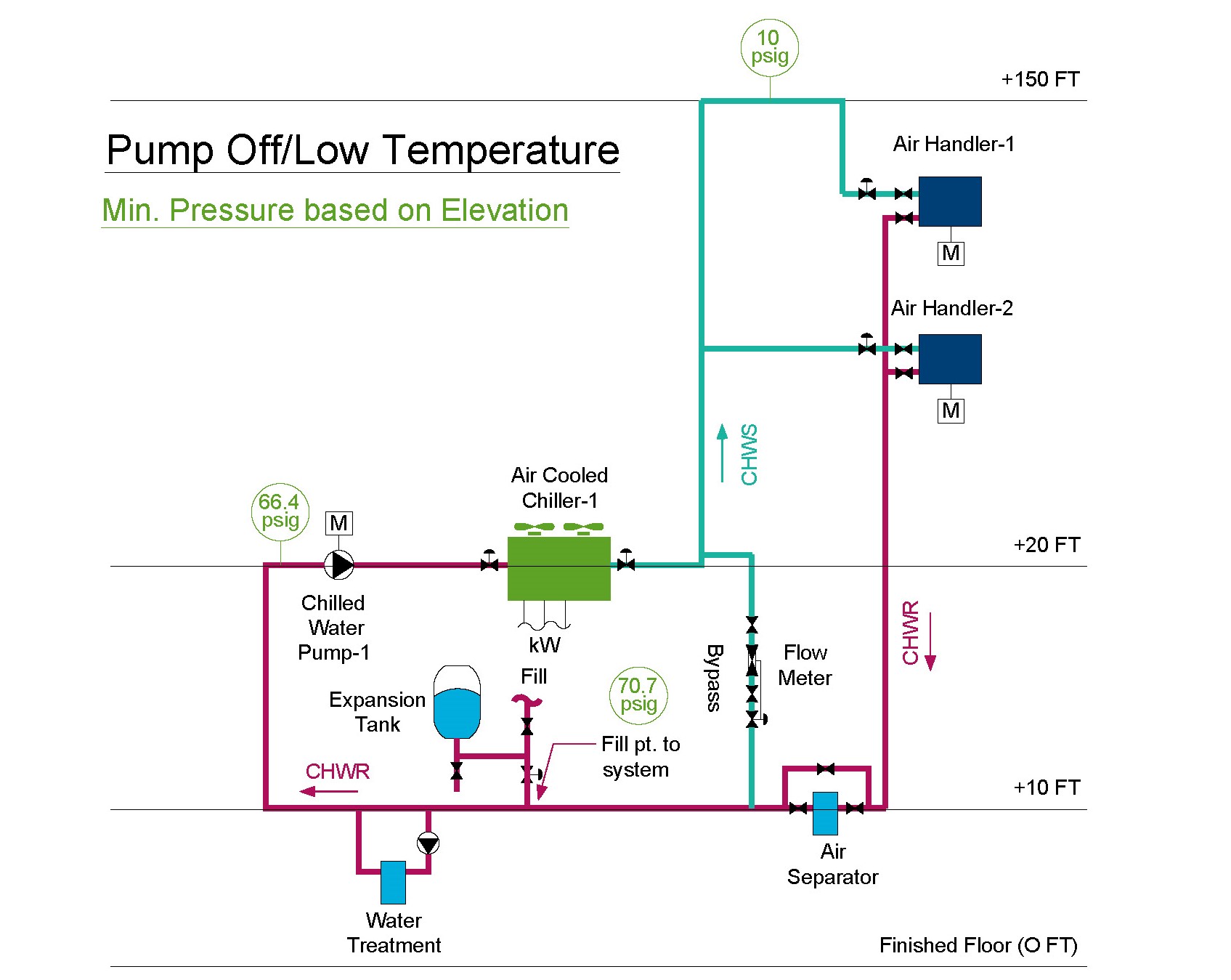
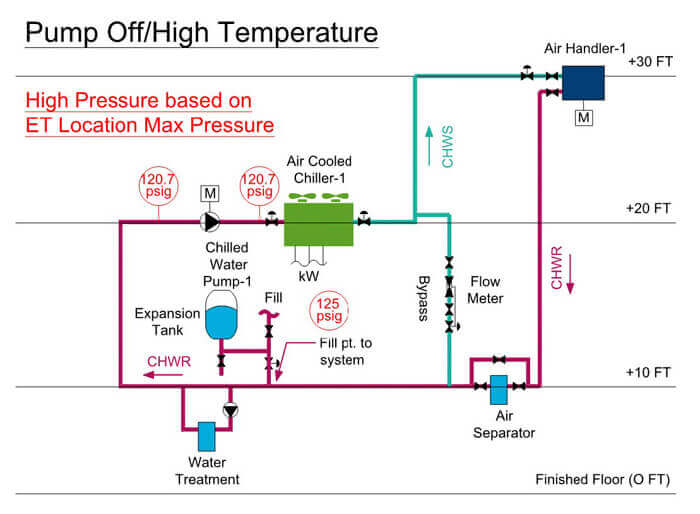
In any closed-loop water system, like a chilled water system, the water volume changes with temperature. As water cools, it contracts; as it warms, it expands. Without an expansion tank, this volume change would create immense pressure fluctuations. Too much pressure can damage pipes, pumps, chillers, and other system components. Too little pressure can lead to cavitation in pumps, reducing their lifespan and efficiency. The expansion tank provides a buffer, accommodating these volume changes and maintaining a stable pressure within the system.
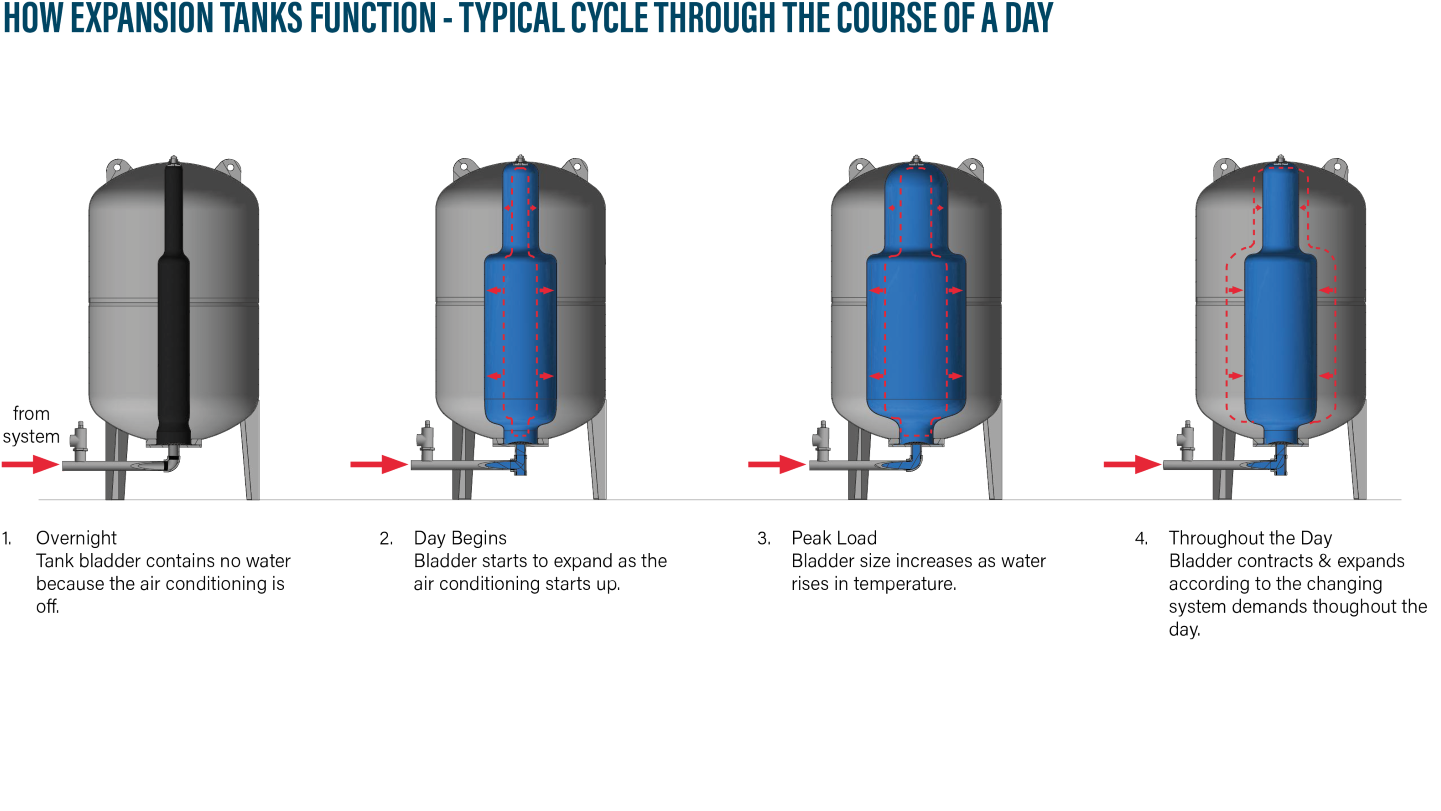
Think of it like a shock absorber for your chilled water system. It's typically a steel tank divided into two sections: one filled with system water and the other pre-charged with compressed air or nitrogen, separated by a flexible diaphragm or bladder. As the water volume changes, the bladder expands or contracts, absorbing the excess water volume or releasing stored pressure to compensate for the contraction.
Types of Expansion Tanks
There are primarily two types of expansion tanks used in chilled water systems:
- Bladder-Type Expansion Tanks: These tanks use a flexible bladder to separate the system water from the compressed gas. This design prevents the gas from dissolving into the water, maintaining the tank's effectiveness over time. Bladder-type tanks are generally preferred for smaller to medium-sized systems due to their reliability and ease of maintenance.
- Non-Bladder (Conventional) Expansion Tanks: These tanks allow direct contact between the system water and the compressed air. While they are less expensive upfront, the air gradually dissolves into the water, requiring periodic draining and recharging of the air cushion. This can lead to inconsistent system pressure and reduced efficiency. They are less common in modern chilled water systems due to the higher maintenance requirements.
Sizing Your Expansion Tank: Critical for Performance
Choosing the correct size expansion tank is paramount. An undersized tank won't adequately accommodate volume changes, leading to pressure fluctuations and potential damage. An oversized tank, on the other hand, can be inefficient and take up unnecessary space. Here are some factors affecting tank size:
- System Water Volume: The total volume of water in the entire chilled water system is the most significant factor.
- Operating Temperature Range: The larger the temperature difference between the warmest and coldest water temperatures, the greater the volume change, and the larger the tank needs to be.
- System Fill Pressure: This is the pressure at which the system is filled with water.
- Maximum Allowable System Pressure: This is the maximum pressure the system can safely withstand.
A qualified HVAC contractor should perform a detailed calculation, considering these factors, to determine the appropriate tank size. Many online calculators and software tools can assist with this calculation. Improper sizing can lead to significant energy waste and premature component failure, negating any potential energy savings.
Energy Savings and ROI: The Hidden Benefits
While the expansion tank itself doesn't directly consume energy, its proper functioning significantly impacts the overall energy efficiency of the chilled water system. Here's how:
- Stable System Pressure: Maintaining consistent pressure reduces strain on pumps, allowing them to operate more efficiently. Over time, this translates to significant energy savings and reduced pump maintenance costs. Imagine a car driving on a flat tire – it requires much more energy to move forward. A similar principle applies to pumps operating under fluctuating pressure.
- Reduced Water Loss: A properly functioning expansion tank prevents excessive pressure buildup, minimizing the risk of leaks and water loss. Water loss not only wastes water but also requires the chiller to work harder to maintain the desired temperature.
- Extended Equipment Lifespan: By preventing pressure surges and water hammer (a pressure surge caused by the sudden stop of water flow), the expansion tank protects the entire chilled water system, extending the lifespan of critical components like chillers, pumps, and pipes. Replacing these components is costly, so extending their lifespan through proper system maintenance, including a properly sized and functioning expansion tank, is a significant cost-saving measure.
Consider this example: A small business spends $5000 annually on chilled water system operation. A poorly maintained or undersized expansion tank causes pressure fluctuations that reduce pump efficiency by 10%. This translates to an extra $500 per year in energy costs. Replacing the tank with a correctly sized model, costing around $500 - $1500 (installed), would pay for itself within 1-3 years, offering a substantial long-term ROI. This doesn't even factor in the potential costs of repairing or replacing damaged equipment due to pressure issues.
Smart HVAC Integration: Monitoring and Optimization
Integrating your chilled water system with a smart HVAC system provides even greater control and optimization. Smart sensors can monitor system pressure, temperature, and water flow in real-time, providing valuable data for identifying potential problems before they escalate. Some key benefits include:
- Early Leak Detection: Smart sensors can detect even small leaks, allowing you to address them promptly and prevent water waste and potential damage.
- Predictive Maintenance: Analyzing pressure and temperature data can help predict when the expansion tank may need maintenance or replacement, preventing unexpected breakdowns.
- Automated Adjustments: Some smart systems can automatically adjust pump speeds and chiller settings based on real-time conditions, further optimizing energy efficiency.
Imagine receiving an alert on your smartphone that your system pressure is fluctuating abnormally. This early warning allows you to investigate the issue (perhaps a low pre-charge in the expansion tank) before it leads to a major problem, saving you time, money, and stress. Smart thermostats can also interface with the chilled water system, adjusting cooling based on occupancy and weather conditions.
Maintenance and Troubleshooting
Regular maintenance is crucial for ensuring the long-term performance of your expansion tank. Here are some key maintenance tasks:
- Check Pre-Charge Pressure: Periodically check the pre-charge pressure of the tank using a standard tire pressure gauge. The pre-charge pressure should be set according to the manufacturer's specifications and the system's fill pressure. A low pre-charge can significantly reduce the tank's effectiveness.
- Inspect for Leaks: Regularly inspect the tank and its connections for leaks. Any leaks should be repaired promptly.
- Drain and Flush: For non-bladder tanks, periodically drain and flush the tank to remove accumulated sediment and restore the air cushion.
- Consider a Professional Inspection: Schedule an annual inspection by a qualified HVAC technician to ensure the entire chilled water system, including the expansion tank, is functioning correctly.
Common problems with expansion tanks include:
- Loss of Pre-Charge: This is the most common issue. The pre-charge gas can leak out over time.
- Bladder Failure: In bladder-type tanks, the bladder can rupture, rendering the tank ineffective.
- Corrosion: Corrosion can damage the tank and its connections, leading to leaks.
If you suspect a problem with your expansion tank, consult with a qualified HVAC technician. Replacing a faulty tank is often more cost-effective than attempting to repair it.
Rebates and Incentives
Many utility companies and government agencies offer rebates and incentives for installing energy-efficient HVAC equipment, including chilled water systems with properly sized and maintained expansion tanks. Check with your local utility company and the Energy Star program for available rebates and incentives in your area. Taking advantage of these programs can significantly reduce the upfront cost of upgrading your system and improve your ROI.
Conclusion: A Small Component, a Big Impact
The expansion tank is a vital component of any chilled water system. By understanding its function, selecting the correct size, and performing regular maintenance, you can ensure optimal system performance, reduce energy costs, extend equipment lifespan, and improve your overall ROI. Don't underestimate the power of this seemingly simple device – it plays a critical role in creating a comfortable, efficient, and sustainable environment. Investing in a well-maintained expansion tank is an investment in the long-term health and efficiency of your entire chilled water system.