Exterior Steps Handrail Code
Exterior steps and handrails might seem like a purely safety-related topic, but understanding and adhering to building codes can indirectly contribute to energy efficiency and cost savings. While seemingly unrelated, properly maintained and compliant structures prevent accidents that can lead to increased insurance premiums, home repairs, and even downtime for businesses. These indirect costs can quickly add up, impacting your bottom line. Let's delve into the world of exterior step and handrail codes and explore their surprising connection to your energy efficiency goals.
Understanding Exterior Step and Handrail Codes: A Primer
Building codes regarding exterior steps and handrails are primarily focused on safety, ensuring safe access to your home or business. These codes dictate dimensions, materials, and structural integrity, all aimed at preventing falls and injuries. These codes vary by location (city, county, and state), it's crucial to consult your local building department for the specific regulations in your area. However, there are some common themes and overarching principles.
Key Code Considerations
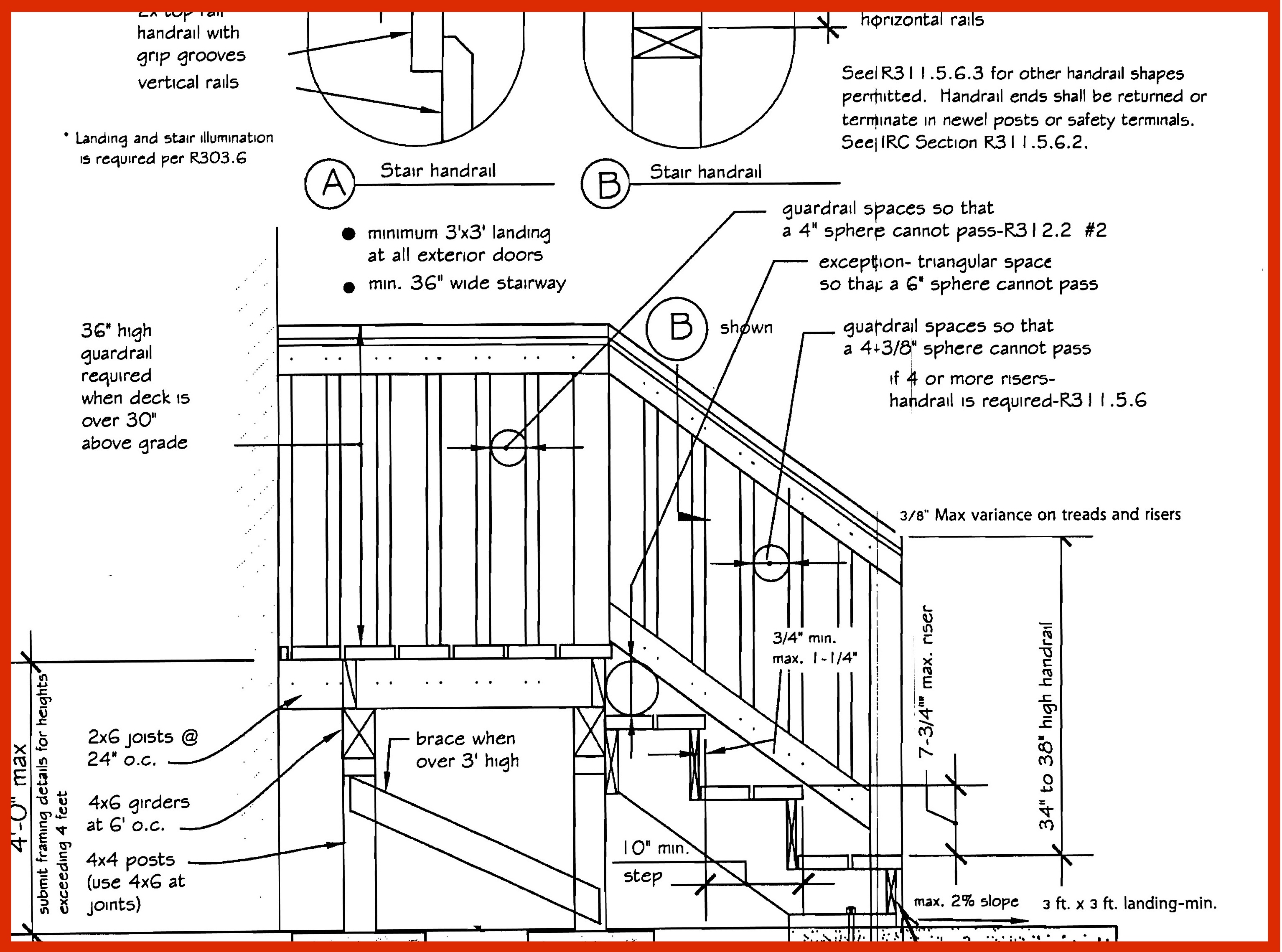
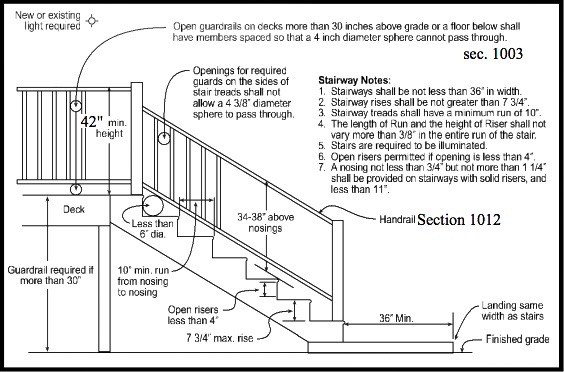
- Rise and Run: The rise (vertical height) and run (horizontal depth) of each step must be consistent throughout the staircase. Inconsistent steps are a major tripping hazard. Common requirements dictate a rise of around 7 inches and a run of around 11 inches, but confirm local specifics.
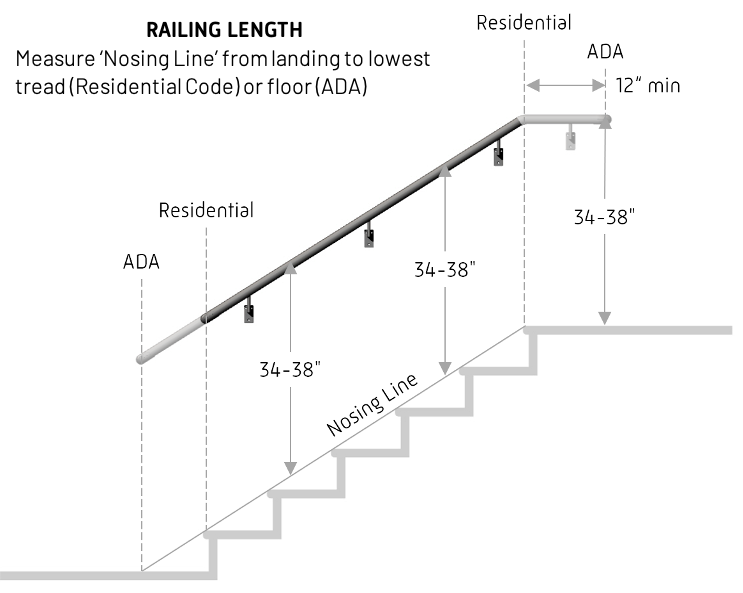
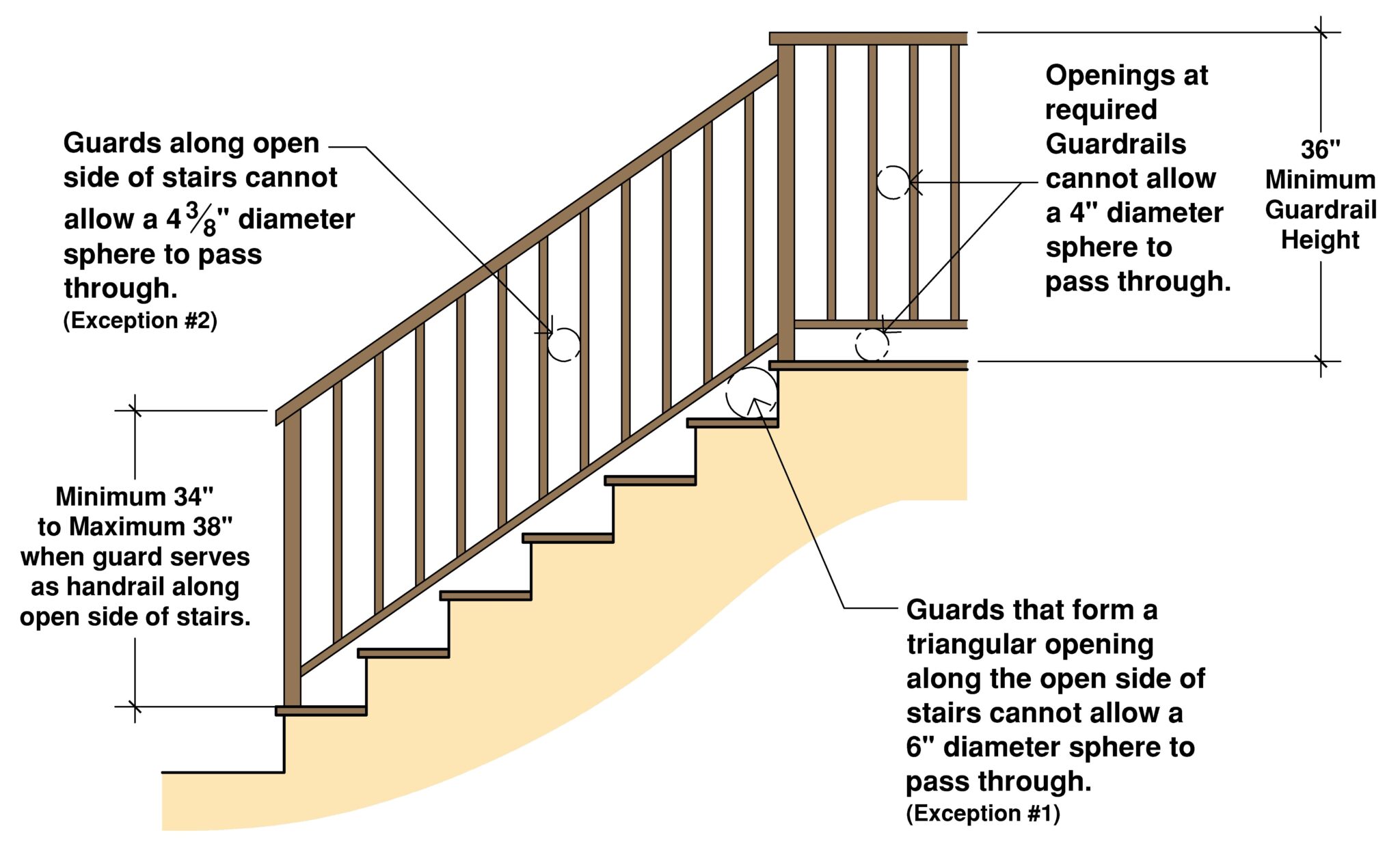
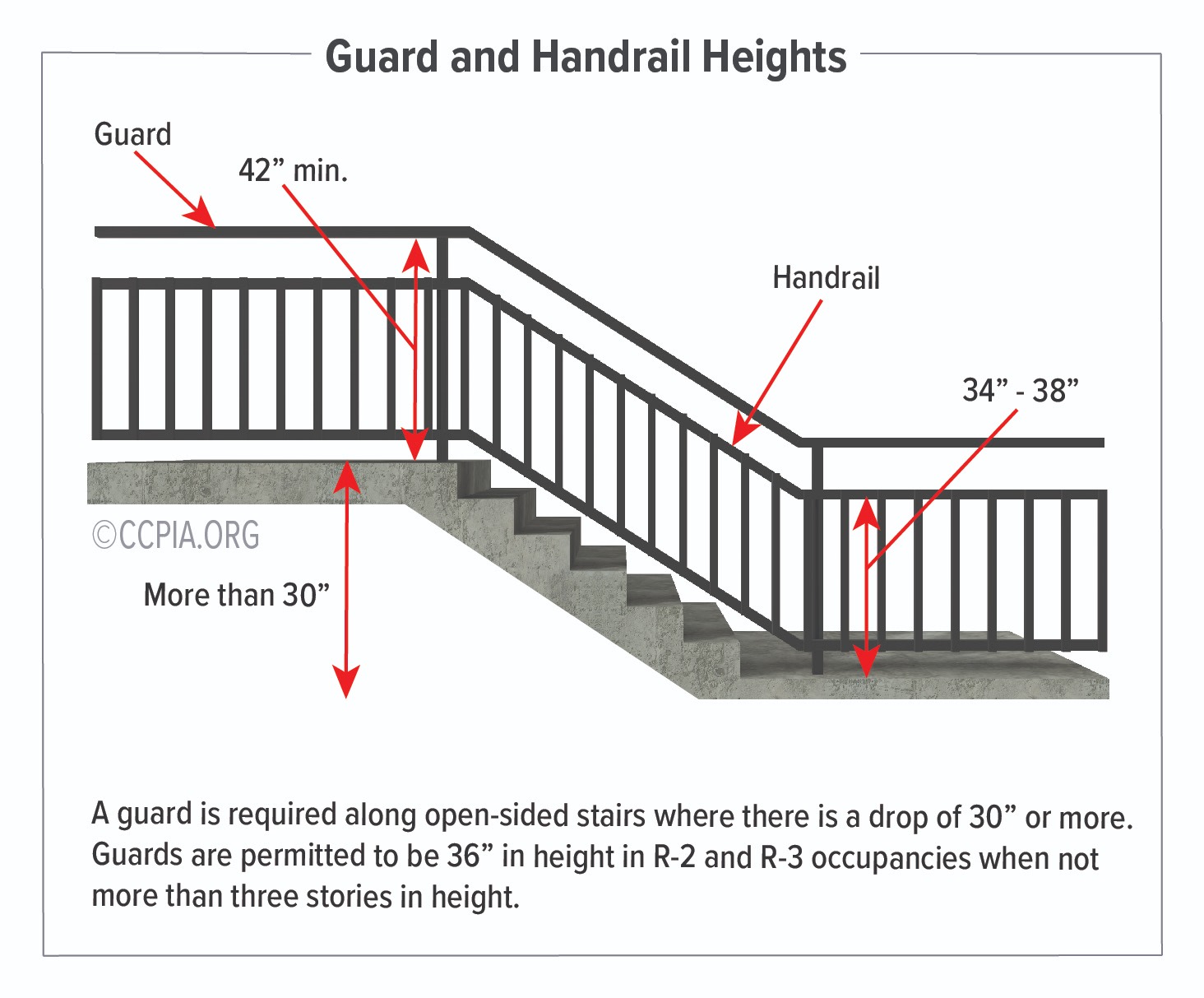
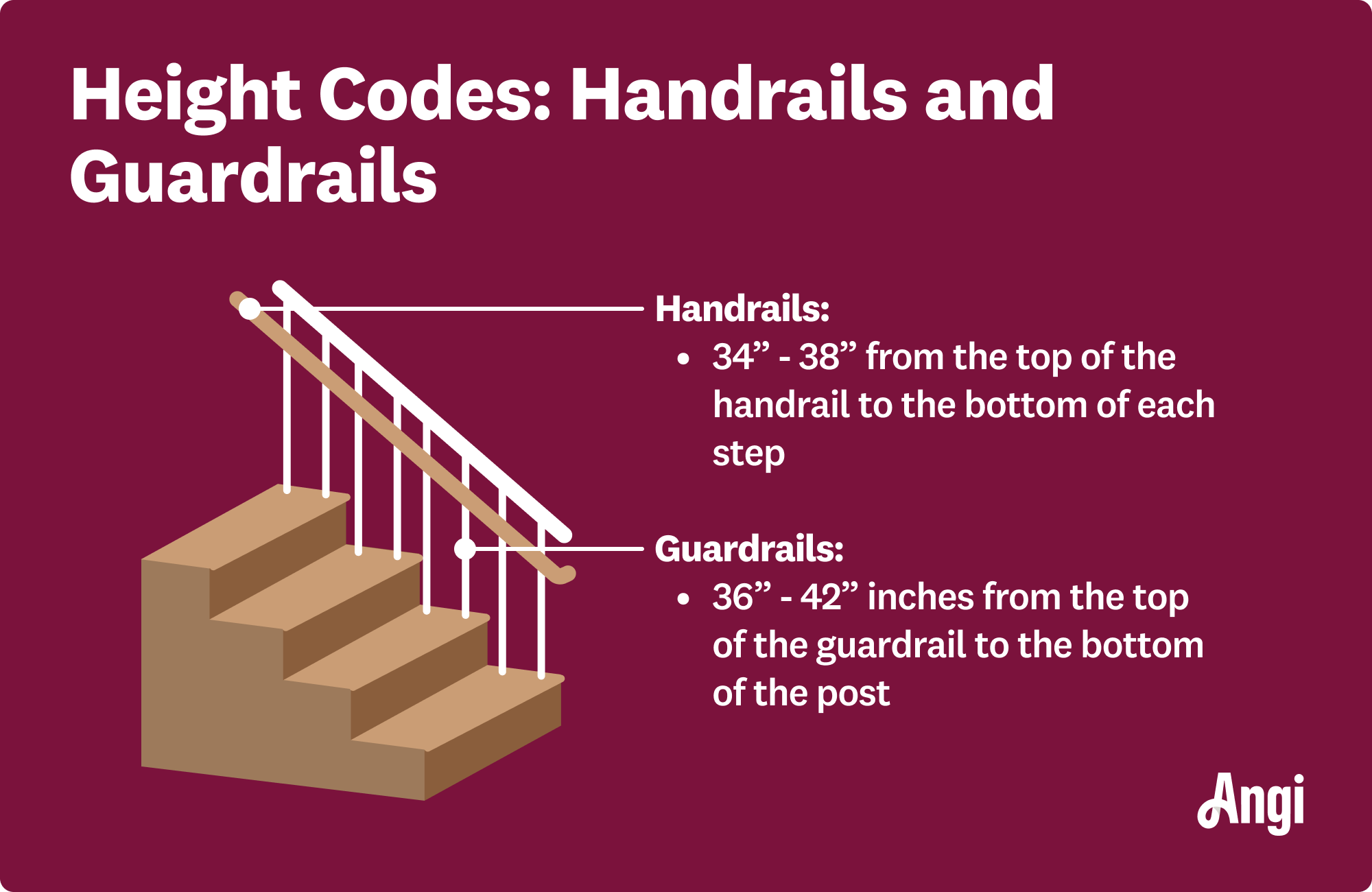
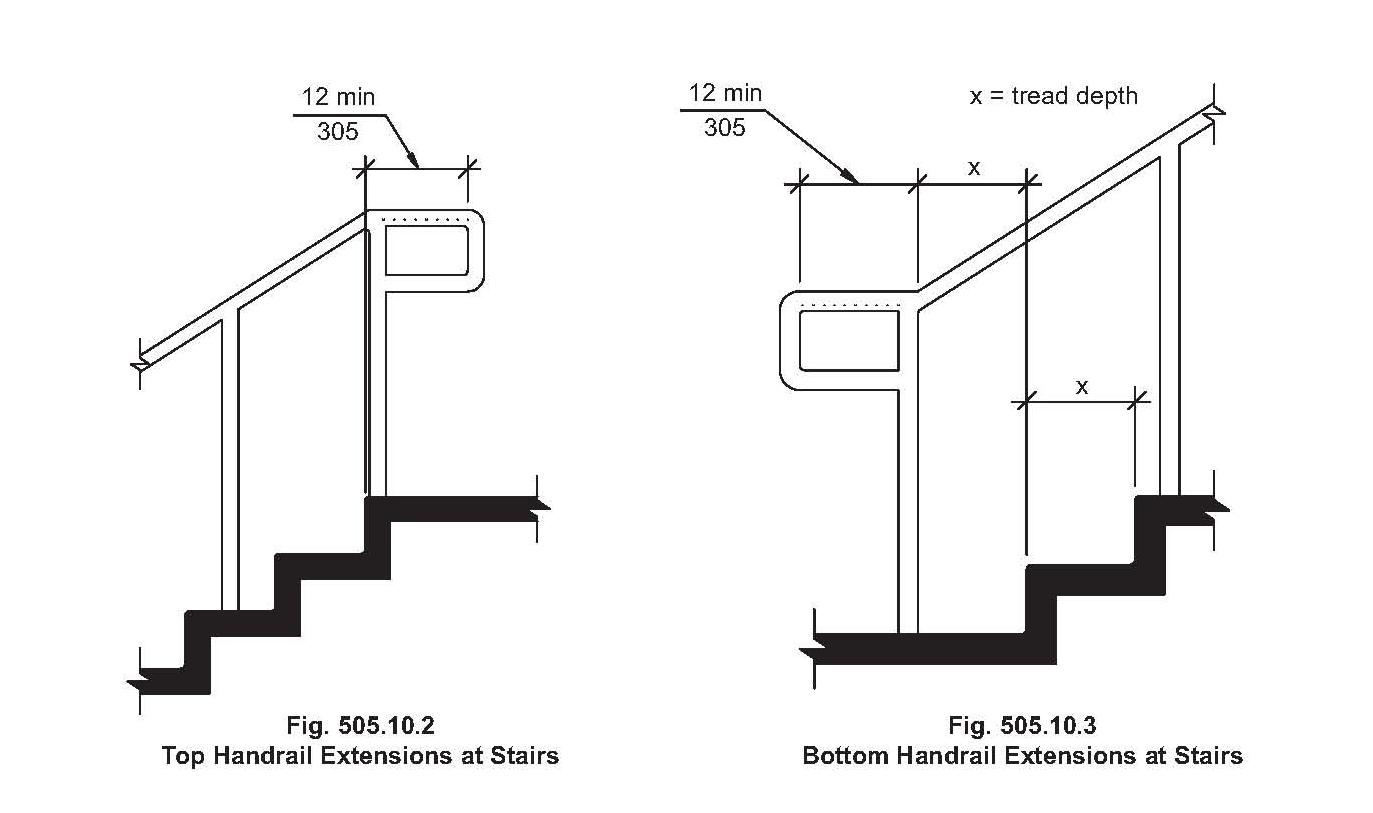
- Handrail Height and Gripping Surface: Handrails must be installed at a specific height (typically between 34 and 38 inches) above the stair nosing and provide a comfortable gripping surface. The handrail must be continuous and easily graspable along the entire length of the staircase.
- Guardrails: If the staircase has open sides or leads to a drop-off, guardrails are required to prevent falls. These guardrails must be a certain height (usually 42 inches) and have infill (balusters or panels) that prevent a sphere of a specific size (typically 4 inches) from passing through.
- Materials: Building codes often specify acceptable materials for steps and handrails, considering factors like durability, weather resistance, and fire safety. Pressure-treated lumber, composite decking, and metal are common choices.
- Load Capacity: The structure must be able to support a minimum specified load, ensuring it won't collapse under normal use. This includes the steps themselves and the handrail system.
- Lighting: Many codes require adequate lighting for exterior steps, particularly in areas with limited ambient light. Well-lit steps significantly reduce the risk of falls at night.
The Unexpected Link to Energy Efficiency
While seemingly unrelated, adhering to exterior step and handrail codes can contribute to energy efficiency in several indirect ways:
Preventing Accidents, Reducing Costs
A properly constructed and maintained staircase minimizes the risk of accidents. Falls can lead to injuries, medical bills, and potential lawsuits. These unforeseen expenses can quickly drain your budget and detract from investments in energy-efficient upgrades.
Maintaining Home Value, Attracting Buyers
A well-maintained property, including compliant exterior steps and handrails, is more attractive to potential buyers. Homes with structural issues or safety hazards often require price reductions, impacting your return on investment. Ensuring code compliance helps maintain your home's value and makes it easier to sell when the time comes.
Insurance Premiums and Liability
Insurance companies may increase premiums or deny coverage if your property has known safety hazards, such as non-compliant stairs. By addressing these issues proactively, you can avoid potential increases in your insurance costs and minimize your liability in case of an accident.
Facilitating Safe Access for Service Professionals
Energy-efficient upgrades often require the expertise of HVAC technicians, electricians, and other service professionals. Safe and accessible exterior steps and handrails ensure these professionals can safely access your property to perform their work. This can prevent delays, minimize the risk of accidents during service calls, and ensure the smooth implementation of your energy-saving projects.
The Smart Home Integration Angle: Enhanced Safety and Efficiency
Smart home technology can further enhance the safety and efficiency of your exterior steps and handrails:
Smart Lighting Systems
Integrating your exterior lighting with a smart home system allows for automated control based on time of day or motion detection. This ensures adequate lighting when needed, improving safety and deterring potential intruders. Consider using LED lighting with smart dimming capabilities for further energy savings. Many Energy Star certified fixtures are available that qualify for rebates.
Example: A motion-activated LED light fixture on your steps can illuminate the area when someone approaches, providing increased visibility and security.
Smart Sensors for Monitoring and Maintenance
While less common, sensors can be used to monitor the structural integrity of your steps and handrails. These sensors can detect changes in load-bearing capacity or material degradation, alerting you to potential problems before they become serious. This proactive approach can help prevent costly repairs and ensure the long-term safety of your staircase.
Integrating with Smart Thermostats and HVAC Systems
Although a direct link is limited, ensuring safe access to your HVAC units (often located outside) via compliant steps and handrails facilitates routine maintenance and repairs. This allows technicians to efficiently service your equipment, ensuring optimal performance and energy efficiency. A well-maintained HVAC system, particularly when paired with a smart thermostat, can significantly reduce your energy consumption.
Choosing the Right Materials for Durability and Sustainability
The materials you choose for your exterior steps and handrails play a crucial role in their longevity, safety, and environmental impact.
Sustainable Lumber
If you opt for wood, choose pressure-treated lumber certified by the Forest Stewardship Council (FSC). This ensures the wood comes from responsibly managed forests. Consider using naturally rot-resistant woods like cedar or redwood, though these may be more expensive.
Composite Decking
Composite decking is a popular alternative to wood, offering excellent durability and low maintenance. Look for products made from recycled materials to minimize their environmental footprint. These often come with extended warranties, ensuring long-term performance.
Metal Options
Steel and aluminum are strong and durable options for handrails and railings. Choose powder-coated finishes for added protection against rust and corrosion. Recycled aluminum is a sustainable choice that minimizes the energy required for production.
Finding Rebates and Incentives for Energy-Efficient Upgrades
While rebates specifically for exterior steps and handrails are rare, you may be able to find incentives for related energy-efficient upgrades, such as:
Exterior Lighting
Many utility companies offer rebates for installing Energy Star certified LED lighting fixtures. Check with your local utility provider for available programs.
Smart Home Devices
Some utility companies and government agencies offer rebates for purchasing and installing smart thermostats, smart lighting systems, and other energy-efficient smart home devices. These rebates can help offset the initial cost of these upgrades, making them more affordable.
Home Energy Audits
Consider scheduling a professional home energy audit to identify areas where you can improve your home's energy efficiency. The audit may reveal issues related to air leaks around doors and windows near your exterior steps, prompting you to address these problems and improve your home's insulation. Many local governments or utility companies offer subsidized audits.
Code Compliance: DIY vs. Professional Installation
While some homeowners may be tempted to tackle exterior step and handrail projects themselves, it's essential to consider the complexities of building codes and structural requirements.
DIY Considerations
If you're comfortable with carpentry and have a thorough understanding of building codes, a DIY installation may be feasible. However, it's crucial to obtain the necessary permits and follow all applicable regulations. Failure to comply with building codes can result in fines and require you to redo the work.
Professional Installation Advantages
Hiring a qualified contractor ensures that the project is done correctly and in compliance with all applicable building codes. A professional contractor will have the experience and expertise to handle complex installations, ensuring the safety and longevity of your staircase. They can also guide you through the permitting process and ensure that all inspections are passed.
Hiring a professional also transfers the liability to them. If there is an issue after they complete the project, they are responsible for fixing it, within reason of course, so long as it isn't damage caused by an outside source, or lack of regular maintenance by the homeowner.
Conclusion: Investing in Safety and Efficiency
While exterior step and handrail codes primarily focus on safety, adhering to these regulations can indirectly contribute to energy efficiency and cost savings. By preventing accidents, maintaining home value, and facilitating safe access for service professionals, you can minimize unforeseen expenses and ensure the smooth implementation of your energy-saving projects. By combining code compliance with smart home technology and sustainable materials, you can create a safer, more efficient, and more valuable property. Remember to always consult your local building department for specific code requirements in your area. Investing in both safety and efficiency is an investment in the long-term value and sustainability of your home or business.

:max_bytes(150000):strip_icc()/stair-handrail-and-guard-code-1822015-final-CJ-01-157768d7ac40439da36f9ba69faa00c6.png)