
Fan Facing In Or Out Window

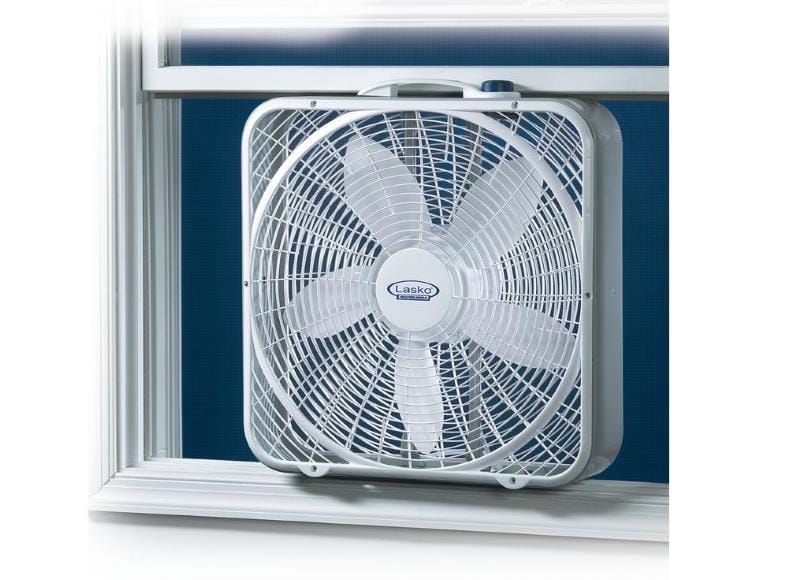
Window Fan Direction: In or Out? Understanding Airflow for Optimal Comfort
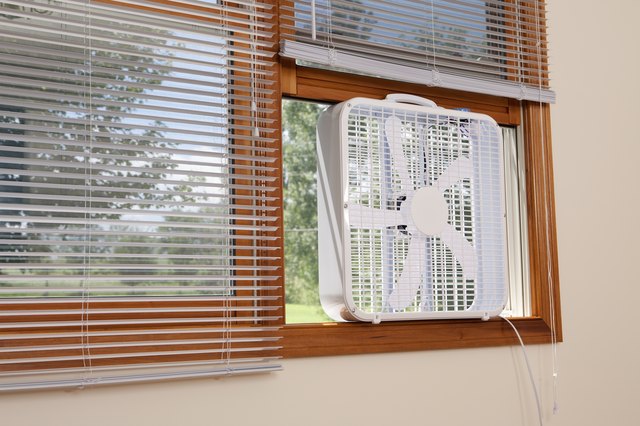
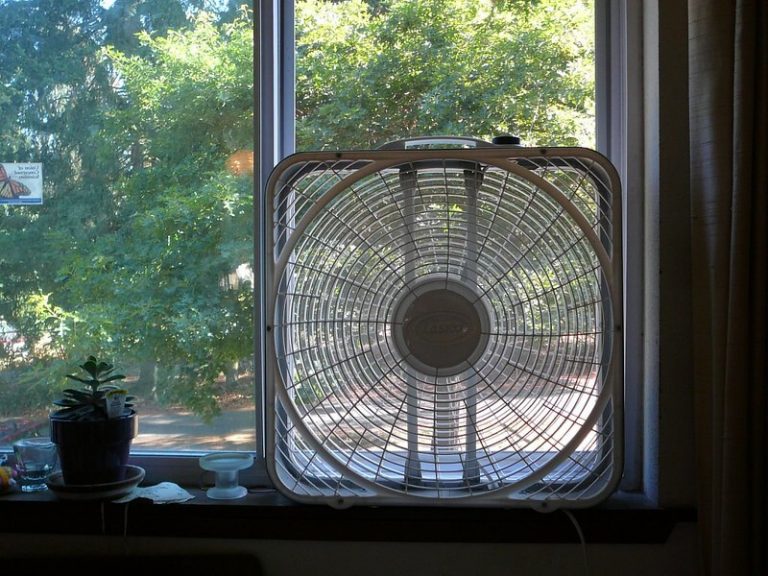
Dealing with a stuffy room or trying to save on energy bills? You might be considering using a window fan. But which way should it face – inwards or outwards? The answer isn't always straightforward and depends on several factors. Let's break down the scenarios and help you make the right decision for your situation.
Understanding the Basics of Airflow
Before diving into specific situations, let's clarify some fundamental concepts. Air naturally moves from areas of high pressure to areas of low pressure. Temperature also plays a crucial role; warm air rises, and cool air sinks. A fan simply accelerates this natural process. The goal is to leverage these principles to create a comfortable environment in your home.
Fan Facing Inwards: Bringing Air In
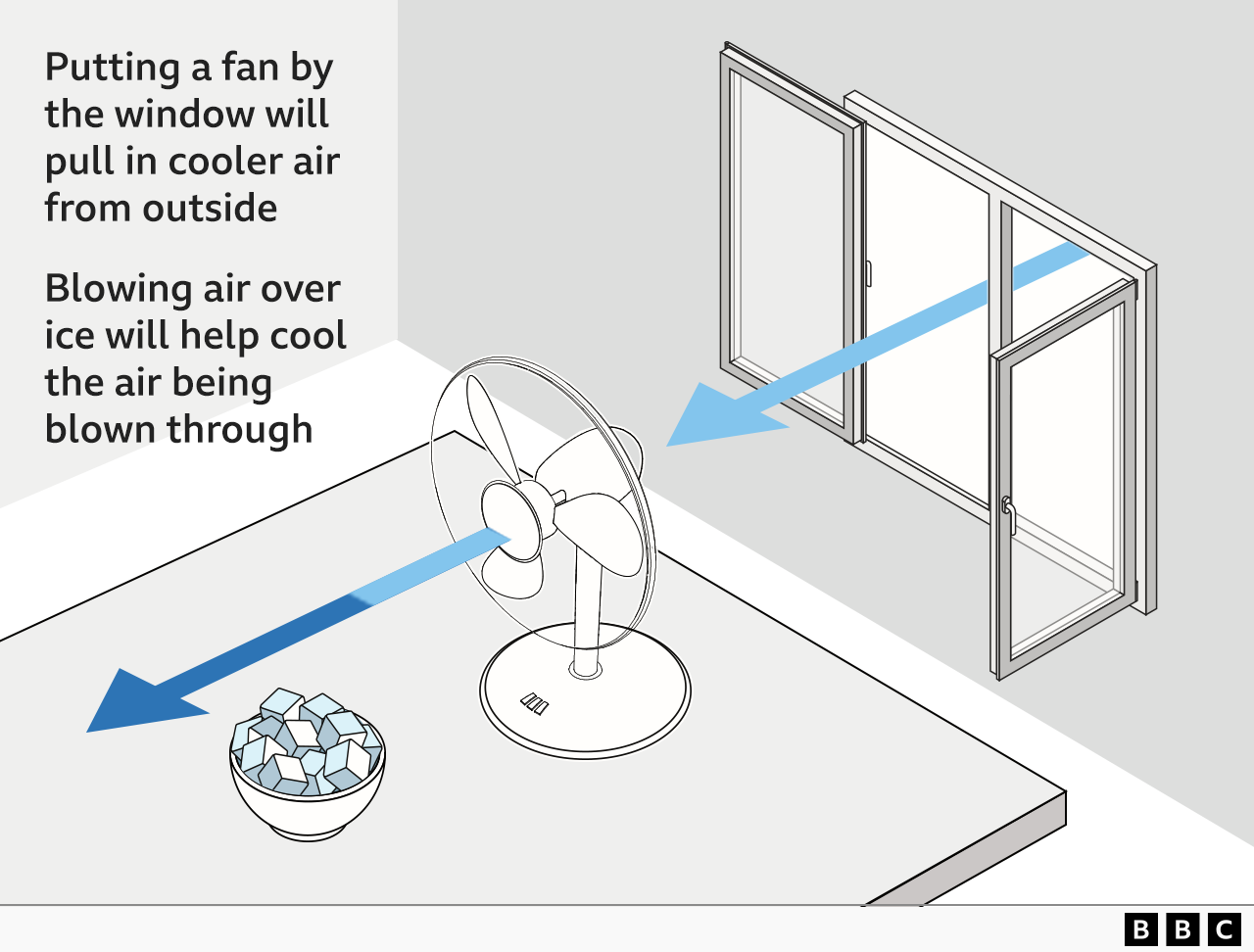
When a window fan is facing inwards, it's pulling air from the outside and pushing it into your room. This is most effective when:
- The air outside is cooler than the air inside: For example, using a fan to pull in cool night air after a hot day.
- You want to create positive pressure in the room: This can help prevent stale air from other parts of the house from entering the room.
- You want to improve ventilation: Introducing fresh air can help reduce stuffiness and odors.
However, there are drawbacks. If the outside air is humid or polluted, you'll be bringing those issues inside as well. Also, if other parts of your house have open windows, you might just be drawing air in from those areas, rather than truly pulling it from the outside.
Fan Facing Outwards: Exhausting Air Out
Facing the fan outwards makes it an exhaust fan, pushing air from inside your room to the outside. This is ideal when:
- The air inside is hotter or stuffier than the air outside: Remove warm air accumulated during the day.
- You want to remove odors or pollutants: Exhaust smoky air after cooking, or humidity from a bathroom.
- You want to create negative pressure in the room: This can help draw cooler air from other parts of the house into the room.
The downside? Facing the fan outward can draw in air from other parts of the house, potentially including undesirable areas. It can also prevent cooler outside air from entering if that air source is limited.
Creating a Whole-House Airflow Strategy
The most effective way to use window fans is to think about your entire house as a system. A single fan might not be as effective as strategically placing multiple fans to create a cross breeze.
Here's how to maximize the benefit of window fans:
- Identify cool air sources: Determine which windows receive the coolest air, typically those on the shaded side of the house.
- Identify hot air outlets: Choose windows on the sunny side or upper floors, where warm air naturally accumulates.
- Position fans accordingly: Place fans facing inwards in the cool air source windows and fans facing outwards in the hot air outlet windows.
- Open interior doors: Facilitate airflow between rooms.
By creating this kind of airflow, you are helping naturally create efficient whole-house ventilation, which reduces dependence on air conditioning. On moderate days and nights, you could even replace the need for AC altogether.
Troubleshooting Common Issues with Window Fans
Even with the best planning, you might encounter issues. Here are some common problems and how to address them:
- Fan not moving enough air: Check for obstructions blocking the fan blades. Ensure the fan is the right size for the window. Clean the fan blades, as dust buildup can reduce efficiency.
- Fan is noisy: Make sure the fan is securely mounted in the window frame. Loose parts can cause rattling. Lubricate the fan motor if necessary.
- Drafts around the fan: Seal any gaps around the fan with weather stripping or foam insulation.
- Fan motor is overheating: Turn off the fan immediately and allow it to cool down. Check for obstructions preventing the fan from spinning freely. A failing motor may need replacement.
DIY vs. Calling a Professional
Setting up and troubleshooting simple window fan issues is usually within the capabilities of most homeowners. However, there are situations where you should call a professional HVAC technician:
- Fan motor repairs: Repairing or replacing a fan motor requires specialized knowledge and tools. Incorrect wiring can be dangerous.
- Electrical issues: If you suspect an electrical problem with the fan or the outlet, do not attempt to fix it yourself. Call a qualified electrician.
- Concerns about indoor air quality: If you have concerns about mold, asbestos, or other air pollutants, consult with an indoor air quality specialist before using window fans to circulate air.
- System design for whole-house ventilation: While you can experiment with window fans to find what works best, getting professional advice can help achieve optimal airflow and energy efficiency for your entire home.
Safety First: Precautions When Using Window Fans
Safety should always be your top priority when using window fans:
- Never leave a window fan unattended in a room with small children or pets: The fan blades can pose a hazard.
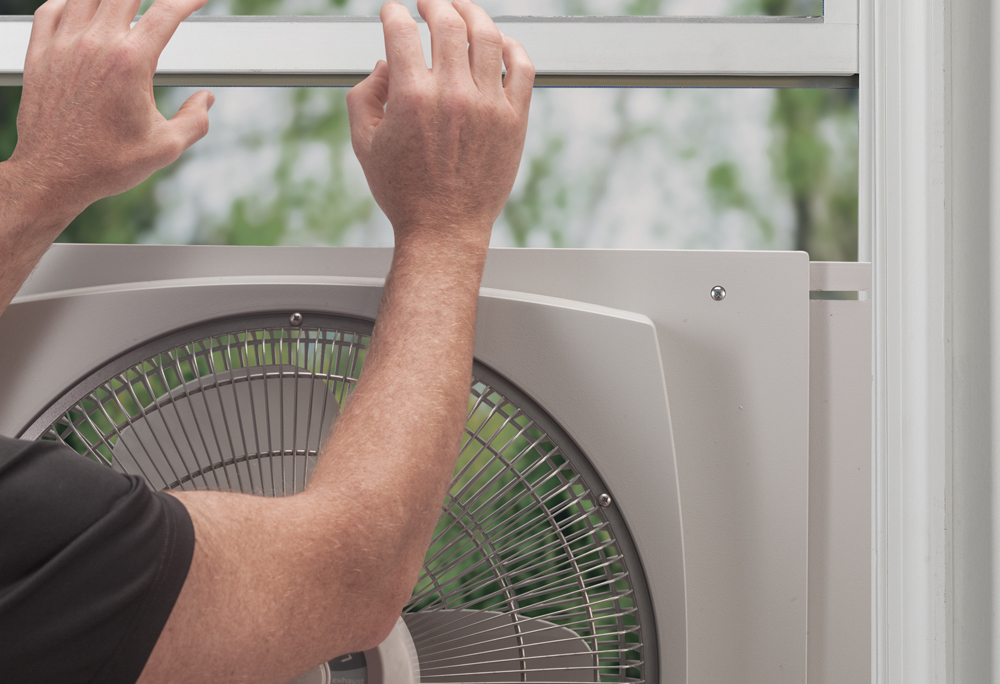
- Ensure the fan is securely mounted: A falling fan can cause serious injury.
- Do not use a fan in a bathroom or other wet environment unless it's specifically designed for such use: Risk of electric shock.
- Unplug the fan before cleaning: Prevent accidental start-up.
- Inspect the power cord regularly: Replace the fan if the cord is damaged.
Cost Considerations
Window fans are a relatively inexpensive way to improve ventilation. Basic models can cost as little as $20-$30, while more advanced models with features like reversible airflow, thermostats, and remote controls can range from $50-$100 or more. The cost of hiring a professional to diagnose and repair fan issues will vary depending on the complexity of the problem, but typical service call fees can range from $75 to $150, plus the cost of any parts or labor.
When to Consider Alternatives
Window fans aren't always the best solution. Here are some situations where you might want to consider alternative options:
- Extreme temperatures: Window fans are most effective when the temperature difference between inside and outside is moderate. During extreme heat waves or cold snaps, air conditioning or heating systems are usually more efficient.
- High humidity: If the humidity outside is high, using a window fan to bring air in can make your home feel even more uncomfortable. A dehumidifier might be a better option.
- Allergies: If you're allergic to pollen or other outdoor allergens, using a window fan to bring air in can exacerbate your symptoms. Consider using an air purifier with a HEPA filter instead.
- Noise pollution: If you live in a noisy area, opening windows to use a fan can let in unwanted noise.
Other alternatives to consider include:
- Air conditioners: Provide targeted cooling but can be energy-intensive.
- Dehumidifiers: Remove excess moisture from the air.
- Air purifiers: Remove pollutants and allergens from the air.
- Whole-house fans: Exhaust hot air from the attic, providing whole-house ventilation (requires professional installation).
- Heat recovery ventilators (HRVs) or energy recovery ventilators (ERVs): Bring fresh air into the house while recovering heat or energy from the exhaust air.
Conclusion
Choosing the right direction for your window fan depends on your specific needs and circumstances. By understanding the principles of airflow and considering the factors outlined above, you can effectively use window fans to improve ventilation and create a more comfortable living environment. Remember safety precautions and know when to call a professional for help. By following these guidelines, you'll be able to make the most of this simple yet effective cooling solution.




:max_bytes(150000):strip_icc()/ceiling-fan-rotate-direction-1907533-v4-5ba94e6346e0fb002576cebf.png)