Fan To Move Air Between Floors

Balancing Temperatures: A Guide to Using Fans to Move Air Between Floors
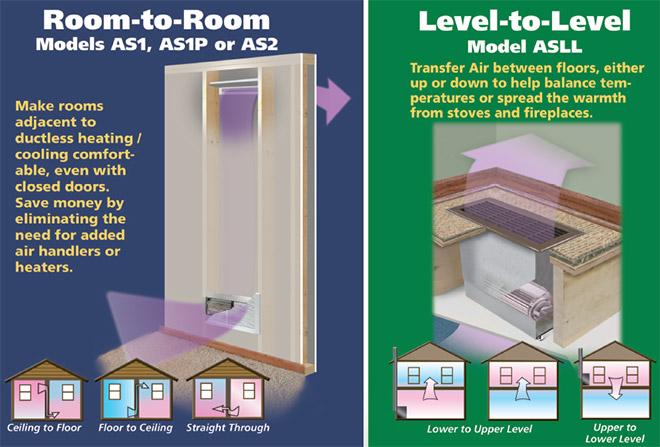
Many homeowners struggle with uneven temperatures throughout their houses. It's a common problem: the upstairs swelters in the summer while the basement remains chilly, and in winter, the reverse happens. An imbalanced HVAC system, poor insulation, and natural convection all contribute. While upgrading your entire HVAC system might seem like the only solution, strategic use of fans to move air between floors can offer a cost-effective and energy-efficient alternative or supplement.
The Problem: Temperature Stratification
Understanding why temperature stratification occurs is the first step to addressing it. Hot air rises due to its lower density compared to cooler air. In summer, the sun's heat amplifies this effect, causing the upper floors to become significantly warmer. Conversely, in winter, heat rises, leaving the lower levels feeling cold. This imbalance puts a strain on your HVAC system, forcing it to work harder and consume more energy to maintain a comfortable temperature throughout the entire house. This translates directly to higher energy bills and increased wear and tear on your equipment.
The Solution: Forced Air Circulation
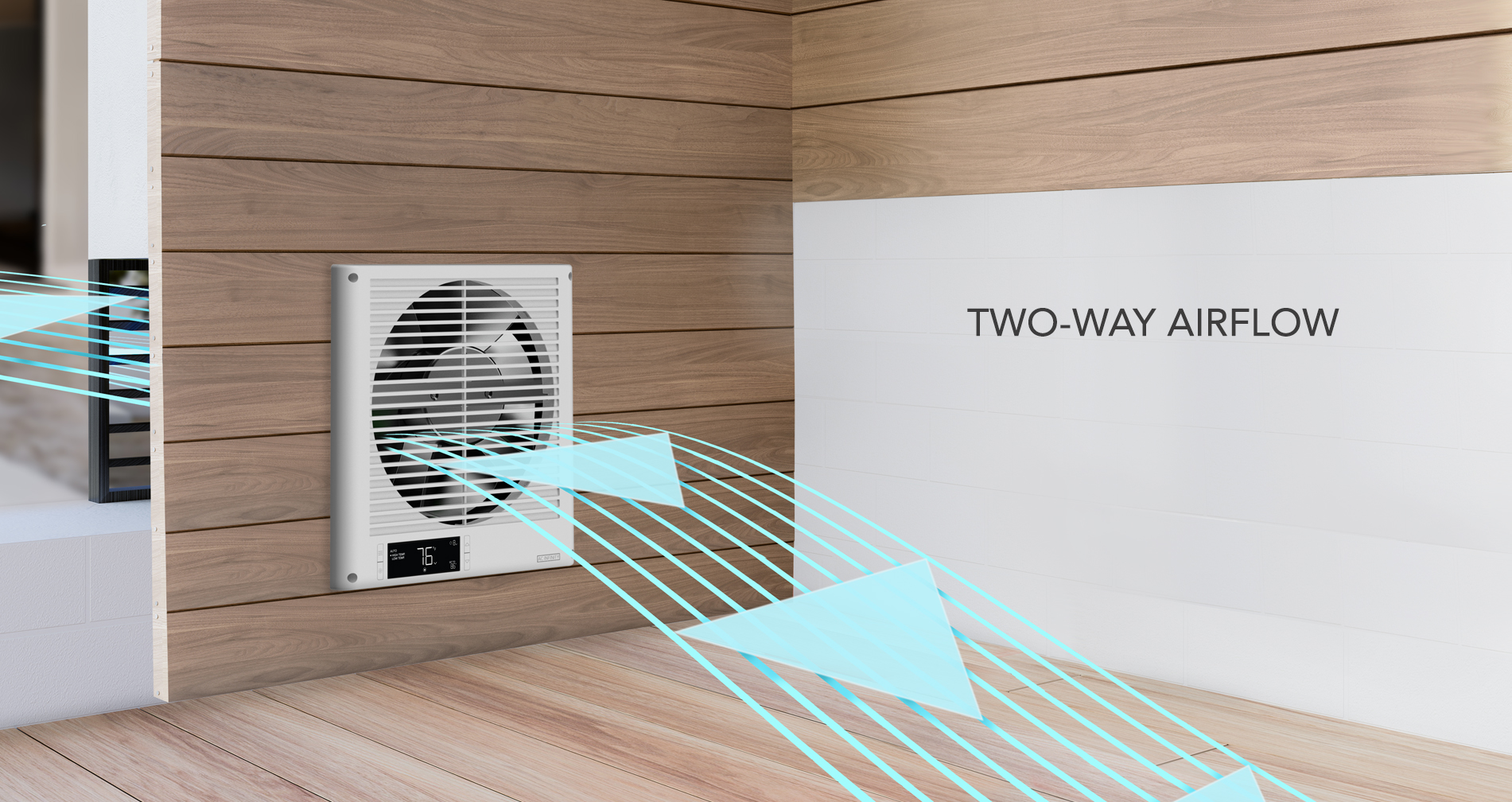
Forced air circulation involves using fans to actively move air from one floor to another, disrupting the natural stratification process. This distributes warm and cool air more evenly, reducing temperature differences and improving overall comfort. Several fan options cater to different needs and architectural layouts.
Fan Options for Inter-Floor Air Movement
Choosing the right type of fan depends on factors like your home's layout, the severity of the temperature imbalance, and your budget. Here's a breakdown of the most common options:
1. Ceiling Fans: A Versatile Solution
Pros:
- Year-round Use: Ceiling fans can be used in both summer and winter. In summer, they create a cooling breeze by circulating air downwards. In winter, reversing the fan direction pushes warm air down from the ceiling.
- Energy Efficiency: Ceiling fans consume very little electricity compared to air conditioners or furnaces.
- Aesthetic Appeal: Modern ceiling fans come in various styles and finishes to complement any décor.
- Relatively Inexpensive: The cost of a ceiling fan and installation is generally lower than other air movement solutions.
Cons:
- Limited Reach: Ceiling fans are most effective within the room they are installed. Their ability to move air to other floors is limited unless strategically placed in open stairwells.
- Installation Required: Installation typically requires electrical wiring and structural support.
Brands and Models: Hunter, Casablanca, and Minka-Aire are popular ceiling fan brands known for their quality and design. Look for models with energy-efficient DC motors and multiple speed settings. Prices range from $100 to $500+ depending on size, features, and design.
2. Window Fans: Targeted Air Exchange
Pros:
- Easy Installation: Window fans are typically easy to install and require no permanent modifications to your home.
- Adjustable Airflow: Many window fans have multiple speed settings and directional control, allowing you to customize the airflow.
- Relatively Inexpensive: Window fans are generally affordable, ranging from $30 to $100.
Cons:
- Limited Effectiveness: Window fans are most effective when used in conjunction with other fans or HVAC systems.
- Security Concerns: Window fans can potentially compromise security if not properly secured.
- Weather Dependent: Their effectiveness is limited by outside temperature and humidity.
Brands and Models: Bionaire and Holmes are well-known brands offering a variety of window fan models. Consider a twin window fan with independently controlled fans for optimal airflow.
3. Floor Fans: Portable and Flexible
Pros:
- Portability: Floor fans can be easily moved from room to room as needed.
- Adjustable Airflow: Most floor fans have multiple speed settings and adjustable tilt angles.
- Affordable: Floor fans are a budget-friendly option, with prices ranging from $20 to $150.
Cons:
- Space Consumption: Floor fans take up floor space, which can be a concern in smaller rooms.
- Noise: Some floor fans can be noisy, especially at higher speeds.
- Limited Reach: Their ability to move air between floors is limited unless strategically placed.
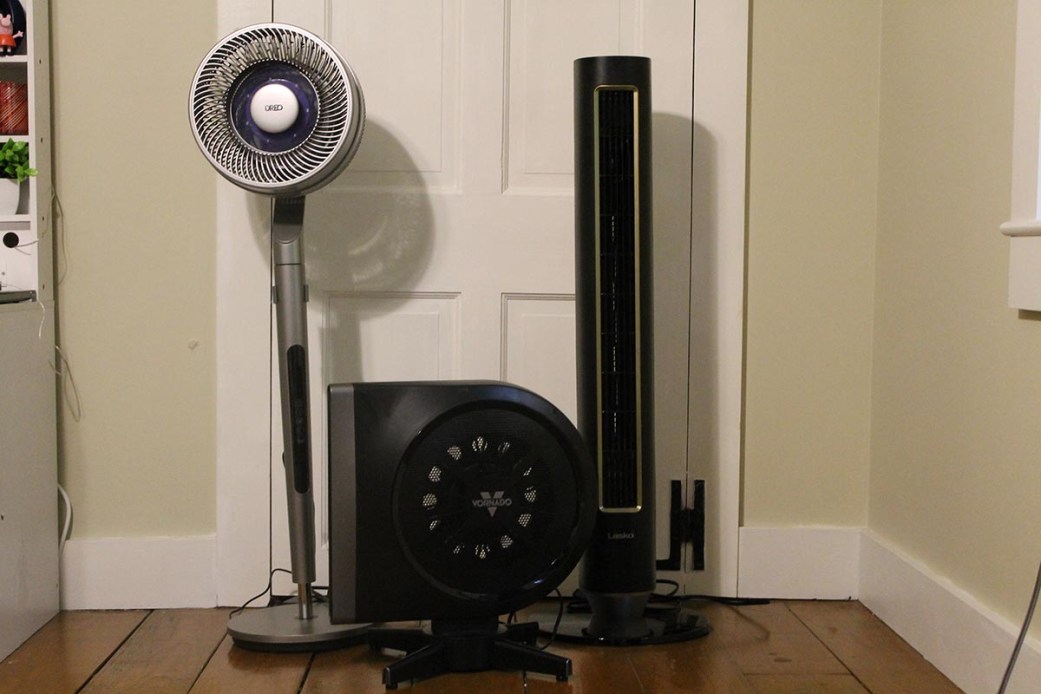
Brands and Models: Vornado and Lasko are popular floor fan brands known for their performance and durability. Consider a tower fan for a more space-saving design.
4. Stairwell Fans: Specifically Designed for Inter-Floor Circulation
This option is less common but highly effective. These are specifically designed to be placed at the top or bottom of stairwells to force air upwards or downwards. They often come with variable speed controls and can be integrated with smart home systems.
Pros:
- Targeted Airflow: Designed specifically for moving air between floors through stairwells.
- Effective: Can significantly reduce temperature imbalances.
Cons:
- Installation: May require professional installation and potentially some minor structural modifications.
- Aesthetics: Integration into existing decor can be challenging.
- Cost: Generally more expensive than other fan options.
Brands and Models: While not as widely available, some specialty HVAC suppliers offer these types of fans. Research and compare models based on airflow capacity and noise levels.
5. Whole-House Fans: Powerful Ventilation (Considerations)
While primarily used for ventilation and cooling by drawing cool outside air in, whole-house fans can contribute to inter-floor air movement indirectly. However, they are generally used for a different purpose.
Pros:
- Powerful Airflow: Capable of moving large volumes of air quickly.
- Energy Savings: Can reduce reliance on air conditioning in milder climates.
Cons:
- Installation: Requires professional installation and attic modifications.
- Noise: Can be noisy during operation.
- Not Ideal for Humid Climates: Can draw in humid air, increasing humidity levels indoors.
- Primary Function: Best suited for whole-house ventilation, not just inter-floor air balancing.
Brands and Models: QuietCool and Tamarack Technologies are popular whole-house fan brands.
Strategic Fan Placement for Optimal Results
Regardless of the type of fan you choose, strategic placement is crucial for achieving optimal results. Here are some tips:
- Open Stairwells: Place a fan at the top or bottom of open stairwells to facilitate air movement between floors.
- Common Areas: Position fans in central locations, such as living rooms or hallways, to maximize air circulation.
- Problem Areas: Focus on areas that consistently experience temperature imbalances, such as bedrooms on upper floors or basements.
- Experiment: Don't be afraid to experiment with different fan placements to find what works best for your home.
Beyond Fans: Addressing Underlying Issues
While fans can help alleviate temperature imbalances, it's essential to address any underlying issues that may be contributing to the problem. Consider the following:
1. Insulation: A Key Factor
Proper insulation is crucial for maintaining consistent temperatures throughout your home. Ensure that your attic, walls, and floors are adequately insulated to prevent heat loss in winter and heat gain in summer. Check for air leaks around windows, doors, and other openings and seal them with caulk or weather stripping.
2. Ductwork: Proper Sealing and Insulation
Leaky or poorly insulated ductwork can significantly reduce the efficiency of your HVAC system and contribute to temperature imbalances. Have your ductwork inspected and sealed by a professional to prevent air loss.
3. HVAC System Sizing and Performance
An improperly sized HVAC system can struggle to maintain consistent temperatures throughout your home. Consult with an HVAC professional to ensure that your system is appropriately sized for your home's square footage and climate. Consider a system with variable speed capabilities for more precise temperature control.
AFUE (Annual Fuel Utilization Efficiency) ratings for furnaces measure heating efficiency. Look for higher AFUE ratings for greater energy savings. SEER (Seasonal Energy Efficiency Ratio) ratings for air conditioners and heat pumps measure cooling efficiency. Higher SEER ratings indicate better efficiency. HSPF (Heating Seasonal Performance Factor) ratings for heat pumps measure heating efficiency. Again, higher HSPF ratings mean better performance.
4. Zoning Systems: Targeted Temperature Control
Zoning systems allow you to divide your home into different temperature zones, providing more precise control over heating and cooling. This can be particularly beneficial for homes with multiple stories or rooms with varying heating and cooling needs.
Warranty and Maintenance Considerations
When purchasing fans or HVAC equipment, pay attention to the warranty terms. A comprehensive warranty provides peace of mind and protects you from unexpected repair costs. Regular maintenance is also essential for ensuring the longevity and efficiency of your equipment. Schedule annual maintenance appointments with a qualified HVAC technician to inspect and clean your system.
Proper maintenance includes cleaning or replacing air filters regularly, inspecting ductwork for leaks, and checking refrigerant levels. Neglecting maintenance can lead to reduced efficiency, increased energy bills, and premature equipment failure.
Conclusion
Using fans to move air between floors can be a simple and effective way to address temperature imbalances in your home. By choosing the right type of fan, strategically placing it, and addressing any underlying issues, you can create a more comfortable and energy-efficient living environment. Remember to consider factors like your home's layout, budget, and personal preferences when making your decision. Consulting with an HVAC professional can provide valuable insights and ensure that you choose the best solution for your specific needs. Ultimately, a combination of strategic fan use and addressing underlying issues is the most effective approach to achieving balanced temperatures throughout your home.