Fire Retardant Spray Foam For Houses
As an HVAC professional, I see firsthand how important a well-insulated home is for both comfort and energy efficiency. One product that’s been gaining popularity is fire retardant spray foam. It's not just about insulation; it's about safety too. Let's dive into what you need to know about using fire retardant spray foam in your home, focusing on HVAC-related applications and safety.
Understanding Fire Retardant Spray Foam
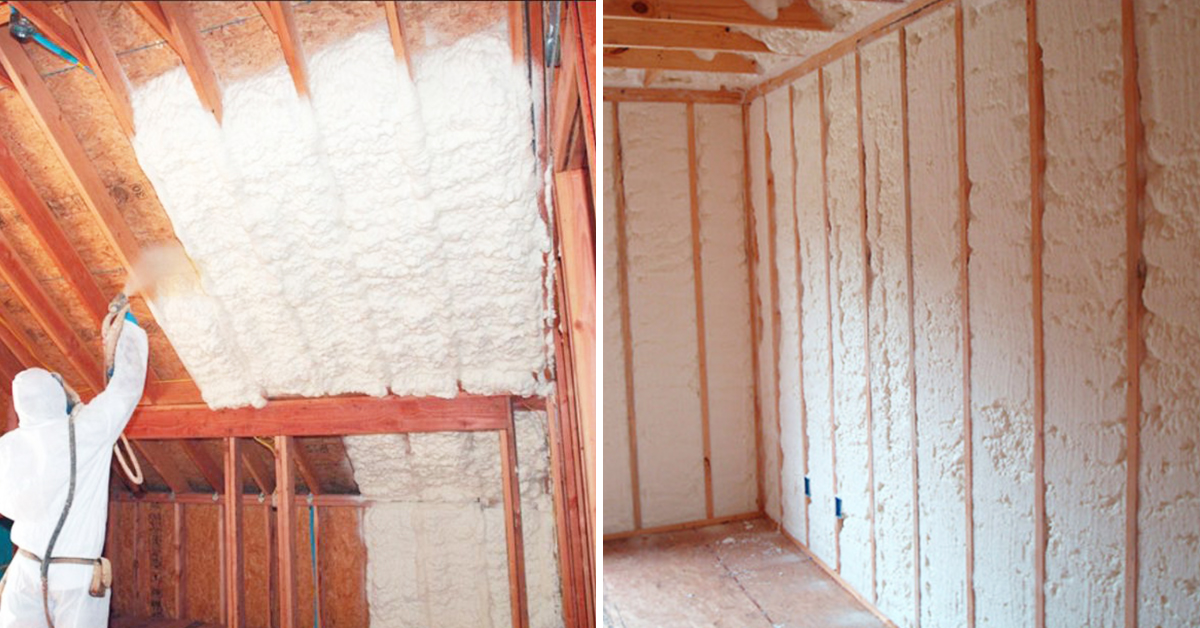
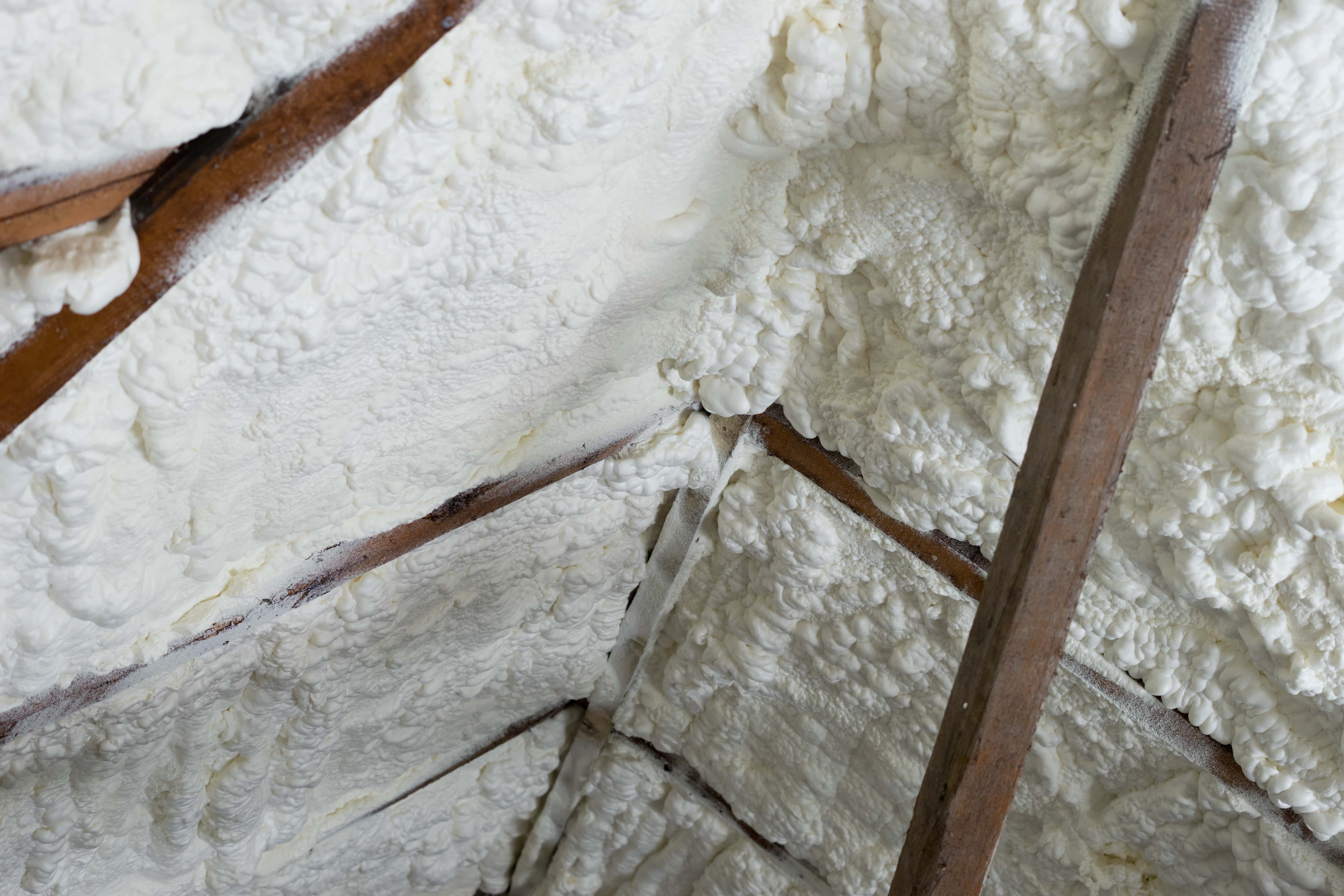
Fire retardant spray foam is a type of insulation that expands upon application, filling gaps and cracks to create an airtight seal. The key difference between standard spray foam and fire retardant varieties lies in their chemical composition. Fire retardant foams are treated with chemicals that slow down or prevent the spread of flames. They may also self-extinguish, adding an extra layer of protection to your home.
There are two main types of spray foam: open-cell and closed-cell. Each has different properties and is suitable for different applications:
- Open-cell spray foam: Less dense, more flexible, and allows moisture to pass through. It has a lower R-value (insulation value) per inch but is generally more affordable.
- Closed-cell spray foam: Denser, more rigid, and resistant to moisture. It boasts a higher R-value per inch, making it a great choice for areas where space is limited or moisture control is crucial.
When choosing fire retardant spray foam, always check for certifications like ASTM E84, which indicates the product has been tested for surface burning characteristics. Look for a low flame spread index and smoke developed index for better safety.
Why Use Fire Retardant Spray Foam Around Your HVAC System?
Your HVAC system is a critical part of your home, and ensuring its safety is paramount. Fire retardant spray foam offers several benefits when used correctly around HVAC components:
- Improved Energy Efficiency: Sealing air leaks around ductwork and vents prevents conditioned air from escaping, reducing energy waste and lowering utility bills.
- Enhanced Fire Protection: In the event of a fire, the fire retardant properties of the foam can help slow the spread of flames, giving you valuable time to escape and minimizing damage.
- Reduced Condensation and Mold Growth: Closed-cell spray foam, in particular, can help prevent condensation buildup around ducts, reducing the risk of mold and mildew growth, which can negatively impact indoor air quality.
- Noise Reduction: Spray foam can dampen sound transmission, making your HVAC system run quieter.
Where to Apply Fire Retardant Spray Foam (HVAC Focus)
Here are some specific areas where you can use fire retardant spray foam to improve the performance and safety of your HVAC system:
- Ductwork Seams and Joints: Seal any gaps or cracks in your ductwork to prevent air leakage. This is especially important in unconditioned spaces like attics and crawl spaces.
- Around Vents and Registers: Seal the space between the vent or register and the wall or ceiling to prevent air from escaping into wall cavities.
- Where Pipes and Wires Penetrate Walls: Seal any openings around pipes and wires that pass through walls to prevent drafts and potential fire spread.
- Around the HVAC Unit: If your HVAC unit is located in an unconditioned space, consider insulating the area around it with spray foam to improve energy efficiency. Caution: Ensure adequate ventilation for the unit and never block access for maintenance.
DIY Application: A Step-by-Step Guide
While professional installation is always recommended, especially for large-scale projects, some homeowners may choose to tackle smaller spray foam applications themselves. If you decide to go the DIY route, follow these steps carefully:
- Gather Your Supplies:
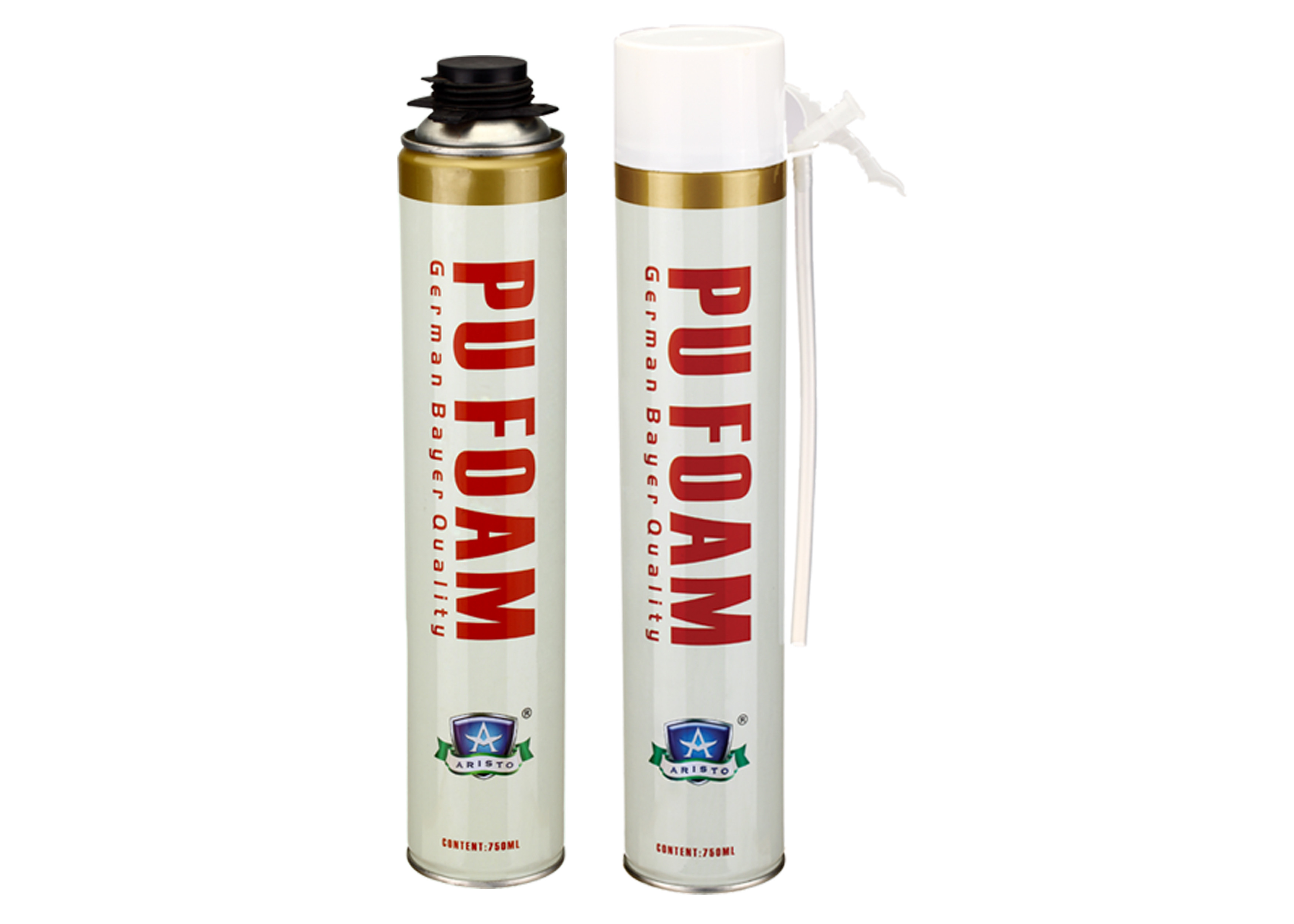
- Fire retardant spray foam kit (choose the appropriate type for your application)
- Safety glasses
- Gloves
- Respirator (essential!)
- Protective clothing (long sleeves and pants)
- Utility knife
- Caulk gun (for some types of spray foam)
- Drop cloths or plastic sheeting
- Ventilation fan
- Prepare the Area: Cover surrounding surfaces with drop cloths or plastic sheeting to protect them from overspray. Ensure the area is well-ventilated by opening windows and using a fan.
- Read the Instructions Carefully: Every spray foam kit is different, so follow the manufacturer's instructions precisely. Pay attention to mixing ratios, application temperatures, and curing times.
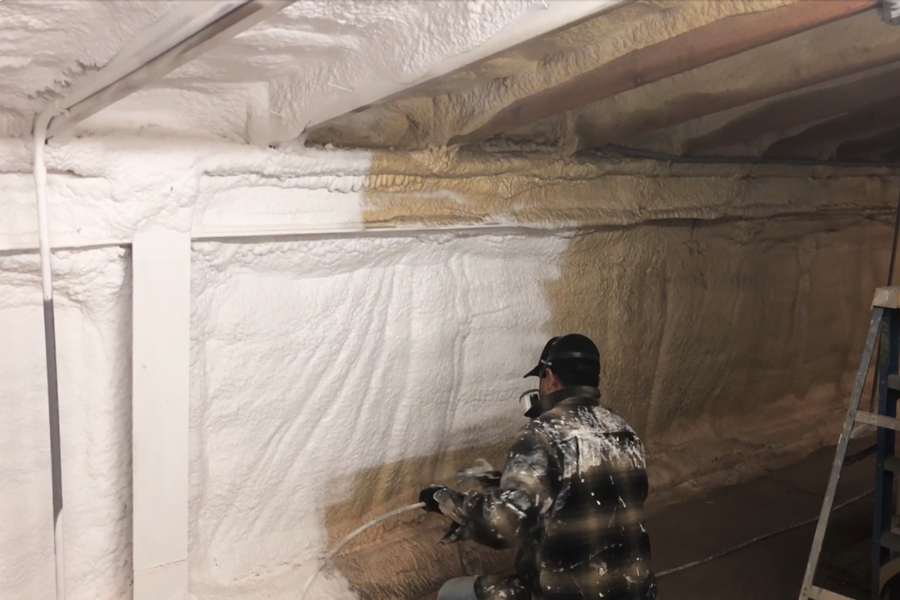
- Apply the Spray Foam: Hold the nozzle a few inches from the surface and apply a thin, even layer. Remember that the foam will expand, so don't over-apply.
- Allow the Foam to Cure: Let the foam cure completely according to the manufacturer's instructions. This may take several hours or even days.
- Trim Excess Foam: Once the foam is cured, use a utility knife to trim away any excess.
- Dispose of Waste Properly: Follow the manufacturer's instructions for disposing of empty containers and leftover foam.
Safety Precautions
Working with spray foam requires strict adherence to safety guidelines. Ignoring these precautions can lead to serious health problems.
- Ventilation is Key: Spray foam releases potentially harmful fumes during application and curing. Always work in a well-ventilated area. Use a ventilation fan to circulate fresh air.
- Wear Protective Gear: Always wear safety glasses, gloves, a respirator, and protective clothing to prevent skin and respiratory irritation.
- Avoid Contact with Skin and Eyes: If spray foam comes into contact with your skin or eyes, wash immediately with plenty of water. Seek medical attention if irritation persists.
- Fire Hazards: Although the foam is fire retardant, the blowing agents can be flammable. Keep away from open flames and sparks during application.
- Read the MSDS: The Material Safety Data Sheet (MSDS) provides detailed information about the hazards and safe handling of the product. Always read and understand the MSDS before using spray foam.
Common Problems and Troubleshooting
Even with careful planning and execution, problems can arise during spray foam application. Here are some common issues and how to address them:
- Foam Not Expanding Properly: This could be due to incorrect mixing ratios, low temperatures, or expired product. Check the manufacturer's instructions and ensure the product is within its expiration date.
- Foam Shrinking After Application: This is often caused by over-application or applying the foam in excessively thick layers. Apply the foam in thin layers and allow each layer to cure before applying the next.
- Strong Odor Persisting: This indicates that the foam is not curing properly or that ventilation is inadequate. Ensure adequate ventilation and allow the foam more time to cure.
- Skin Irritation: This is usually caused by direct contact with uncured foam. Wash the affected area with soap and water. Wear gloves and protective clothing to prevent future contact.
When to Call a Professional
While small DIY projects can be manageable, certain situations warrant professional assistance. Consider hiring a professional spray foam installer if:
- You're dealing with a large-scale project: Insulating an entire attic or crawl space is a complex task that requires specialized equipment and expertise.
- You have limited experience: If you're not comfortable working with spray foam, it's best to leave it to the professionals.
- You're unsure about the proper type of foam to use: A professional can assess your specific needs and recommend the appropriate type of spray foam for your application.
- You're concerned about safety: Professionals are trained to handle spray foam safely and can minimize the risk of health problems.
- You need to meet specific building codes: Professional installers are familiar with local building codes and can ensure that your insulation meets all requirements.
Cost Considerations
The cost of fire retardant spray foam insulation can vary depending on several factors, including:
- Type of foam: Closed-cell foam is generally more expensive than open-cell foam.
- Thickness of insulation: The thicker the insulation, the more it will cost.
- Size of the area to be insulated: Larger projects will obviously cost more.
- Labor costs: Professional installation will add to the overall cost.
Generally, DIY spray foam kits range from $50 to $300, depending on the size and type. Professional installation can cost anywhere from $1 to $4 per square foot, depending on the complexity of the project.
While the initial cost of spray foam insulation may be higher than other types of insulation, the long-term energy savings and improved comfort can make it a worthwhile investment.
Conclusion
Fire retardant spray foam is a valuable tool for improving the energy efficiency and safety of your home, especially when used around your HVAC system. By understanding the different types of foam, following safety precautions, and knowing when to call a professional, you can make informed decisions about using this product in your home. Remember that safety should always be your top priority. When in doubt, consult with a qualified HVAC professional or insulation contractor.