Fireplace Blower Wiring Diagram
Fireplace blowers can dramatically increase the efficiency of your fireplace, turning it from a primarily aesthetic feature into a supplemental heating source. However, installing or troubleshooting a fireplace blower often involves understanding its wiring. This guide provides a comprehensive look at fireplace blower wiring diagrams, helping you understand the components, connections, and safety considerations involved.
Understanding Fireplace Blower Basics
Before diving into wiring diagrams, let's clarify what a fireplace blower does and its key components.
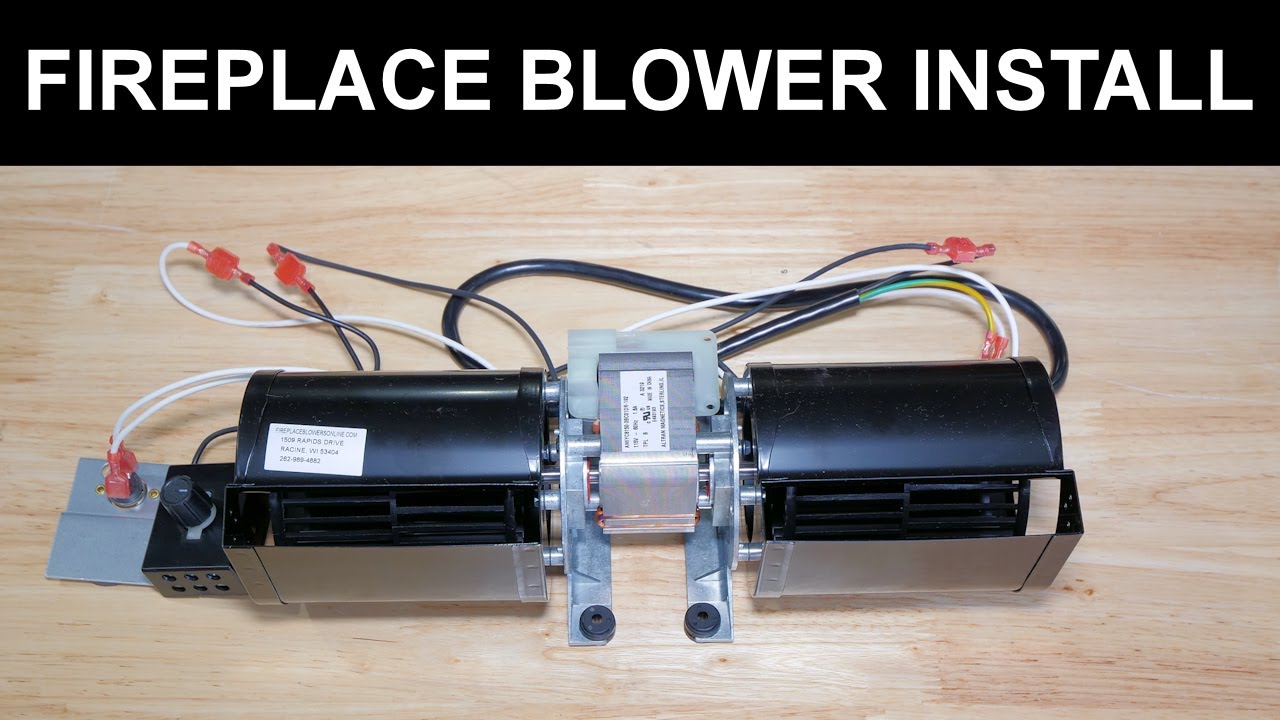
A fireplace blower, also known as a fireplace fan, is designed to circulate the heat produced by your fireplace into the room. Without a blower, much of the heat rises up the chimney, wasted. A blower draws cool air from the room, passes it over the heated firebox, and then blows the warmed air back into the room.
Key Components:
- Blower Motor: The heart of the system, responsible for powering the fan.
- Fan Blade: Circulates the air.
- Power Cord: Connects the blower to an electrical outlet.
- Thermostat (Optional): Automatically turns the blower on and off based on the firebox temperature.
- Speed Control (Optional): Allows you to adjust the fan speed.
- Wiring: Connects all the components together.
The Importance of a Fireplace Blower Wiring Diagram
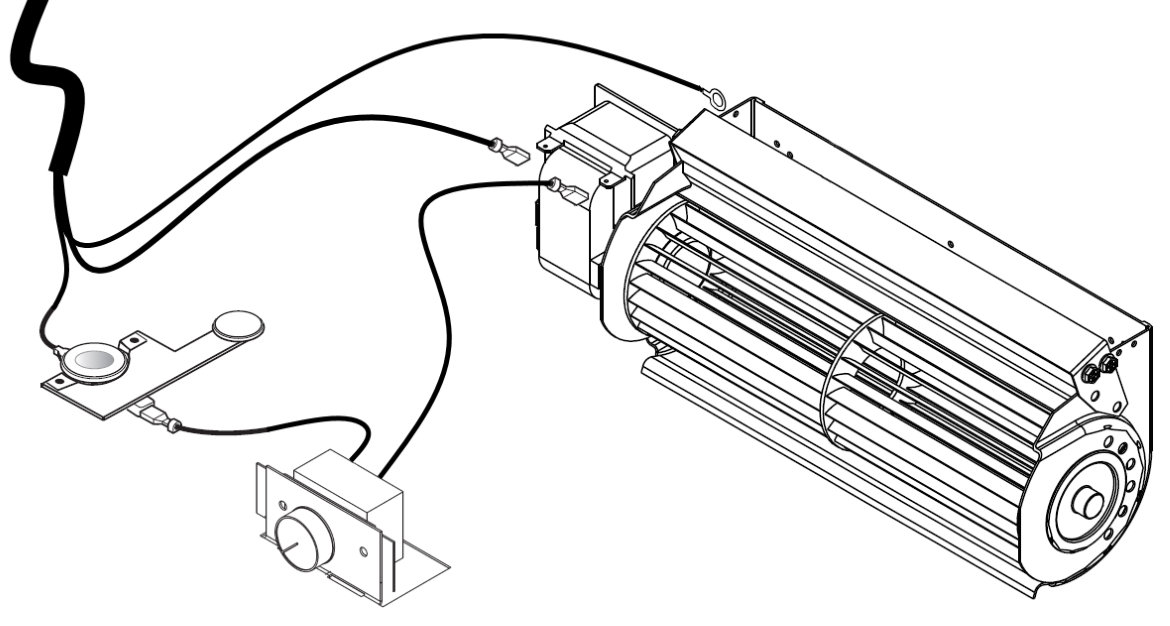
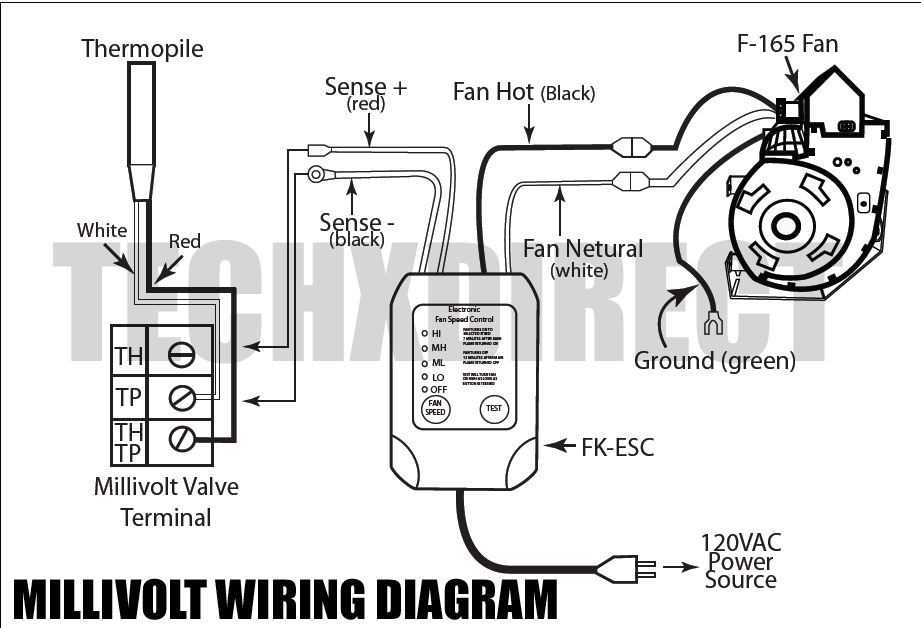
A wiring diagram is a visual representation of how the components of the fireplace blower are electrically connected. It shows the wires, their connections, and the location of each component. Understanding this diagram is crucial for:
- Safe Installation: Ensuring correct wiring prevents electrical hazards.
- Troubleshooting: Identifying the source of a problem when the blower isn't working.
- Repair: Replacing faulty components with the correct connections.
Common Fireplace Blower Wiring Configurations
While specific wiring diagrams can vary depending on the blower model and features, here are some common configurations you'll likely encounter.
Basic Blower Wiring (No Thermostat or Speed Control)
This is the simplest configuration, typically found in older or basic blower models.
In this setup, the power cord is directly wired to the blower motor. One wire from the power cord (typically the black or "hot" wire) connects to one terminal on the motor. The other wire (typically the white or "neutral" wire) connects to the other motor terminal. A ground wire (usually green or bare copper) is connected to the blower housing for safety.
Blower Wiring with Thermostat
A thermostat adds a layer of automation. It senses the temperature of the firebox and automatically turns the blower on when the fire is hot enough and off when it cools down.
In this configuration, the hot wire from the power cord connects to one terminal on the thermostat. The other terminal of the thermostat connects to one terminal of the blower motor. The neutral wire from the power cord connects directly to the other terminal of the blower motor. The ground wire is connected to the blower housing.
The thermostat acts as a switch in the hot wire circuit. When the firebox is hot, the thermostat closes the circuit, allowing power to flow to the blower motor. When the firebox cools, the thermostat opens the circuit, cutting off power to the motor.
Blower Wiring with Speed Control
A speed control allows you to adjust the fan speed, giving you more control over the airflow and heat output.
The speed control is typically wired in series with the blower motor. The hot wire from the power cord connects to one terminal of the speed control. The other terminal of the speed control connects to one terminal of the blower motor. The neutral wire from the power cord connects directly to the other terminal of the blower motor. The ground wire is connected to the blower housing.
Speed controls usually use a potentiometer or a series of resistors to reduce the voltage supplied to the motor, thereby reducing its speed.
Blower Wiring with Thermostat and Speed Control
This is the most versatile configuration, offering both automatic operation and adjustable fan speed.
The hot wire from the power cord connects to one terminal of the thermostat. The other terminal of the thermostat connects to one terminal of the speed control. The other terminal of the speed control connects to one terminal of the blower motor. The neutral wire from the power cord connects directly to the other terminal of the blower motor. The ground wire is connected to the blower housing.
In this setup, the thermostat controls whether the blower is on or off, while the speed control determines the fan speed when the blower is on.
Reading a Fireplace Blower Wiring Diagram
Understanding the symbols and conventions used in wiring diagrams is essential for interpreting them correctly.
- Wires: Represented by lines. Different colors may indicate different functions (e.g., black for hot, white for neutral, green for ground).
- Components: Represented by symbols. Common symbols include circles for motors, rectangles for thermostats, and variable resistors for speed controls.
- Connections: Shown as dots or intersections of lines.
- Labels: Identify the components and wires.
Always refer to the specific wiring diagram that came with your fireplace blower. If you don't have the diagram, try searching online using the blower's model number. Many manufacturers provide digital copies of their manuals and wiring diagrams.
Troubleshooting Common Wiring Issues
Here are some common issues you might encounter and how to troubleshoot them using the wiring diagram.
- Blower Not Working:
- Check the power cord for damage.
- Ensure the outlet is working.
- Check the thermostat (if applicable) to see if it's in the "on" position or if the firebox is hot enough to trigger it.
- Use a multimeter to check for voltage at the blower motor terminals. If there's no voltage, trace the wiring back to the power source, checking for loose connections or broken wires along the way.
- Blower Runs Continuously:
- If the blower has a thermostat, the thermostat may be faulty and stuck in the "on" position.
- Check for any short circuits in the wiring.
- Blower Runs at Only One Speed:
- If the blower has a speed control, the speed control may be faulty.
- Check the wiring connections to the speed control.
Safety Precautions
Working with electrical wiring can be dangerous. Always follow these safety precautions:
- Disconnect Power: Before working on any wiring, disconnect the power to the fireplace blower at the circuit breaker.
- Use Proper Tools: Use insulated tools designed for electrical work.
- Wear Safety Gear: Wear safety glasses and gloves.
- Double-Check Connections: Ensure all connections are tight and secure.
- When in Doubt, Consult a Professional: If you are not comfortable working with electrical wiring, consult a qualified electrician.
Popular Fireplace Blower Brands
Several brands offer high-quality fireplace blowers. Here are a few to consider:
- Fasco: Known for durable and reliable blower motors.
- Rotom: Offers a wide range of blower models for various fireplace sizes.
- US Stove Company: Provides complete fireplace and stove solutions, including blowers.
Cost Considerations
The cost of a fireplace blower can vary depending on the size, features, and brand. Expect to pay anywhere from $50 to $200 or more. Installation costs can add to the overall expense if you hire a professional electrician.
Warranty and Maintenance
Most fireplace blowers come with a limited warranty, typically covering defects in materials and workmanship. Read the warranty carefully to understand what is covered and for how long. Regular maintenance, such as cleaning the fan blades and ensuring proper ventilation, can help extend the life of your blower.
Conclusion
Understanding fireplace blower wiring diagrams is essential for safe installation, troubleshooting, and repair. By familiarizing yourself with the common wiring configurations, symbols, and safety precautions, you can confidently work on your fireplace blower and enjoy the added comfort and efficiency it provides. Always remember safety first, and when in doubt, consult a qualified electrician.