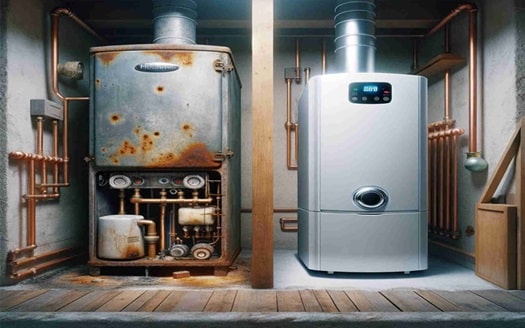
Fitting New Boiler To Old System
Navigating the Nuances of Retrofitting: Fitting a New Boiler to an Old System
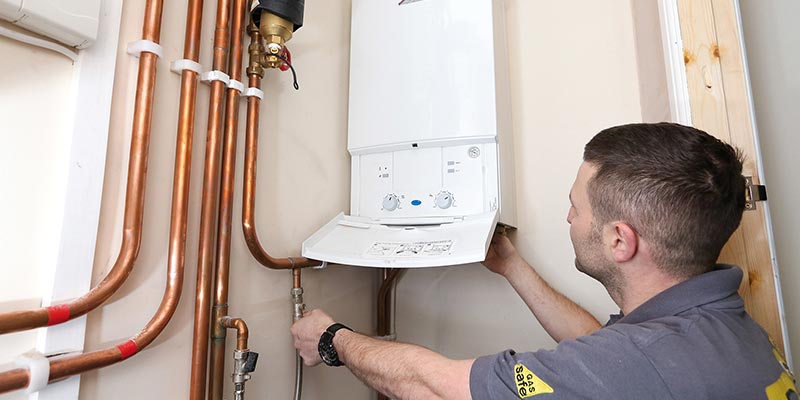
As the demand for energy-efficient heating solutions rises, HVAC professionals are increasingly tasked with replacing aging boilers. However, simply swapping out an old boiler for a new one isn't always a straightforward process. Retrofitting a new boiler to an existing system requires careful consideration, expertise, and a thorough understanding of both the old and new technologies. This article delves into the critical aspects of fitting a new boiler to an old system, providing insights for HVAC students, seasoned technicians, and employers seeking skilled professionals.
Why Retrofit? The Push for Efficiency and Reliability
Older boiler systems, often decades old, can suffer from significant efficiency losses. Statistics show that upgrading to a modern, high-efficiency boiler can reduce energy consumption by 20-40%, translating to substantial cost savings for homeowners and businesses. Furthermore, aging boilers are more prone to breakdowns, leading to costly repairs and potential disruptions. Retrofitting offers a way to improve energy efficiency, enhance reliability, and reduce environmental impact.
Compatibility Considerations: A Crucial First Step
Before installing a new boiler, a comprehensive assessment of the existing system is paramount. This includes evaluating the following:
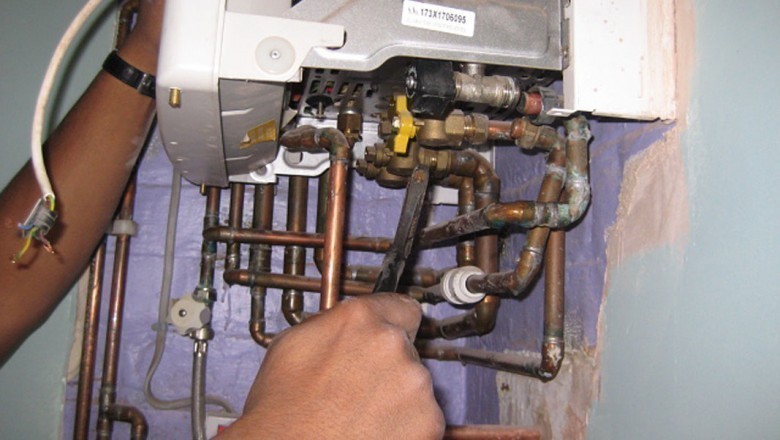
- Piping System: Is the existing piping compatible with the new boiler's flow rates and temperature requirements? Older systems might have narrow pipes that restrict flow, potentially causing issues with high-efficiency condensing boilers.
- Radiators or Heat Distribution: Are the radiators or baseboards adequately sized for the new boiler's output? An oversized boiler can lead to short cycling, reducing efficiency and lifespan.
- Chimney or Venting: Older boilers often rely on natural draft chimneys, which may not be suitable for the sealed combustion systems of modern high-efficiency boilers. Proper venting is crucial for safety and performance. Condensing boilers typically require PVC or CPVC venting.
- Electrical System: The existing electrical system must be able to handle the new boiler's power requirements. This includes ensuring adequate voltage and amperage.
- Controls: Consider the compatibility of existing thermostats and control systems with the new boiler. Upgrading to smart thermostats can further enhance efficiency and convenience.
Ignoring these compatibility factors can lead to performance issues, premature failure, and even safety hazards. A thorough inspection and consultation with experienced professionals are essential.
Types of Boilers and Their Applications
Selecting the right type of boiler is critical for a successful retrofit. Here's a brief overview:
- Conventional Boilers: These are the traditional type of boiler, less efficient than condensing models.
- Condensing Boilers: These high-efficiency boilers capture latent heat from exhaust gases, significantly reducing energy waste. They typically have AFUE (Annual Fuel Utilization Efficiency) ratings of 90% or higher.
- Combi Boilers: These boilers provide both heating and domestic hot water, eliminating the need for a separate water heater. They are ideal for smaller homes with limited space.
The choice of boiler depends on factors such as heating load, space constraints, and budget. Condensing boilers are generally preferred for their superior efficiency, but they may require more extensive modifications to the existing system.
Essential Skills and Certifications for HVAC Professionals
Retrofitting boilers requires a diverse skillset, including:
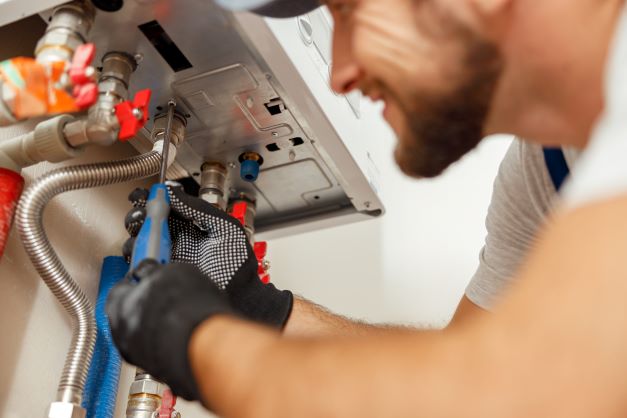
- Plumbing: Understanding piping systems, soldering, and brazing techniques are essential for connecting the new boiler to the existing infrastructure.
- Electrical: Knowledge of electrical wiring, circuit diagrams, and safety procedures is crucial for connecting the boiler to the electrical system.
- HVAC Fundamentals: A solid understanding of thermodynamics, heat transfer, and combustion principles is necessary for diagnosing and troubleshooting boiler systems.
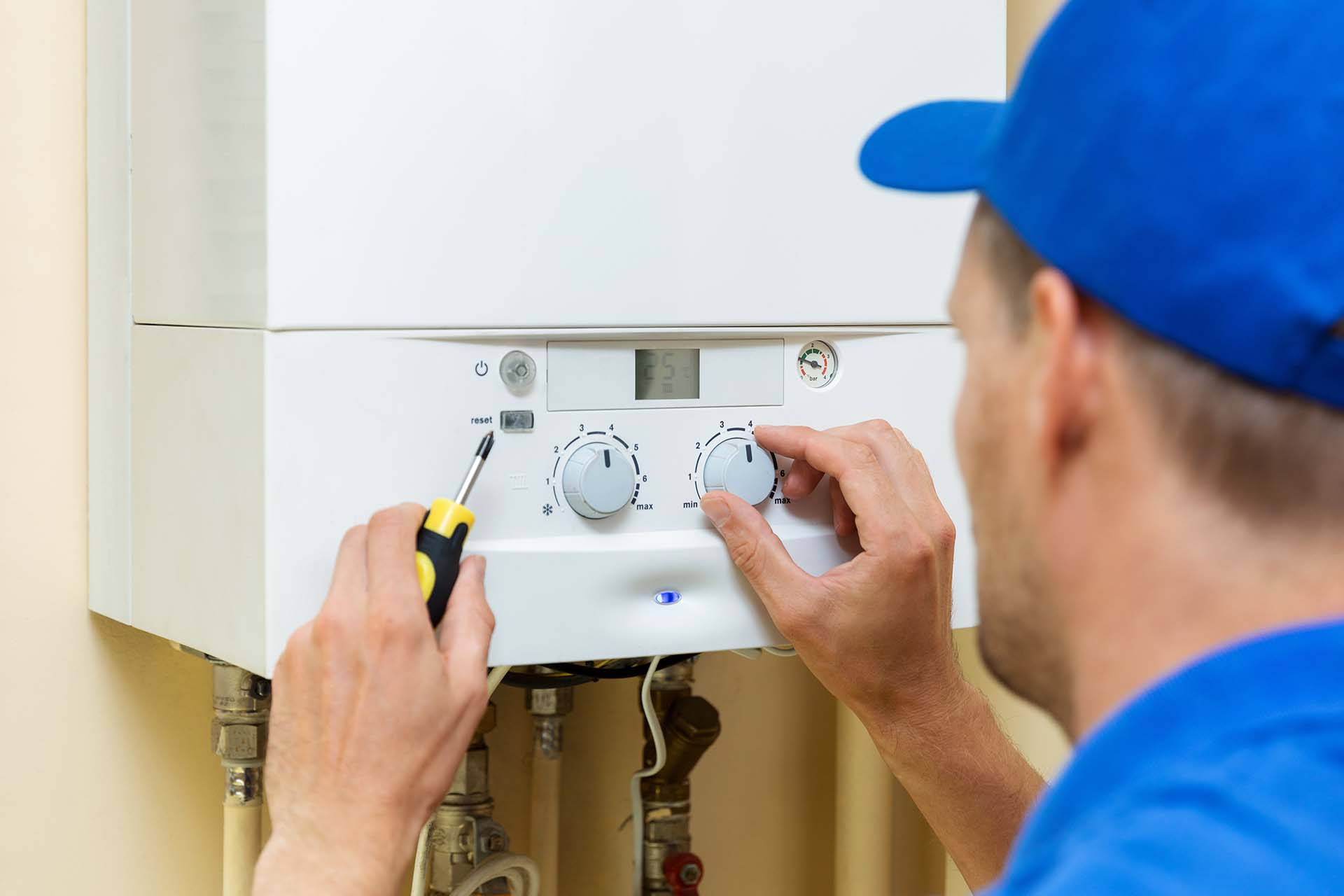
- Controls: Familiarity with various control systems, including thermostats, sensors, and control boards, is essential for optimizing boiler performance.
- Code Compliance: Staying up-to-date with local building codes and regulations is critical for ensuring a safe and compliant installation.
Several certifications can enhance an HVAC professional's credibility and expertise:
- NATE (North American Technician Excellence): NATE certification demonstrates a technician's knowledge and skills in specific HVAC areas, including boiler installation and service. According to recent industry surveys, NATE-certified technicians often command higher salaries and have better job prospects.
- EPA 608 Certification: Required for handling refrigerants, this certification is relevant if the boiler system includes a chiller or other refrigerant-based components.
- Manufacturer-Specific Training: Many boiler manufacturers offer training programs on their specific products. These programs can provide valuable insights into installation, operation, and troubleshooting.
Career Paths and Salary Expectations
The demand for skilled HVAC technicians is projected to grow significantly in the coming years. The U.S. Bureau of Labor Statistics projects a 6% growth in employment for HVAC mechanics and installers from 2022 to 2032. This growth is driven by factors such as the increasing demand for energy-efficient heating and cooling systems, as well as the need to replace aging equipment.
Entry-level HVAC technicians can expect to earn a median annual salary of around $51,390, according to the U.S. Bureau of Labor Statistics (May 2023 data). However, experienced technicians with specialized skills and certifications can earn significantly more. Top earners in the field can command salaries exceeding $80,000 per year, particularly those specializing in complex boiler systems and energy-efficient technologies.
Here are a few potential career paths for HVAC professionals specializing in boiler systems:
- Boiler Technician: Focuses on the installation, maintenance, and repair of boiler systems.
- HVAC Service Manager: Oversees a team of technicians and manages service operations.
- Energy Efficiency Specialist: Assesses building energy performance and recommends upgrades, including boiler replacements.
- HVAC Sales Engineer: Sells HVAC equipment and services to commercial and industrial clients.
Example Career Path: Sarah started as an HVAC apprentice after completing a vocational program. She earned her NATE certification after three years of experience and then specialized in boiler systems through manufacturer-specific training. Today, she works as a senior boiler technician for a large commercial HVAC company, earning over $75,000 per year.
The Employer's Perspective: Hiring and Training Considerations
Employers seeking to hire skilled HVAC technicians for boiler retrofits should prioritize candidates with:
- Relevant Experience: Look for candidates with proven experience in boiler installation, maintenance, and repair.
- Technical Skills: Assess candidates' knowledge of plumbing, electrical, and HVAC fundamentals.
- Certifications: Prioritize candidates with NATE and EPA 608 certifications.
- Problem-Solving Skills: Evaluate candidates' ability to diagnose and troubleshoot complex boiler systems.
- Communication Skills: Effective communication is essential for interacting with clients and collaborating with other team members.
Employers should also invest in ongoing training for their technicians to ensure they stay up-to-date with the latest technologies and best practices. This can include providing access to manufacturer-specific training programs, industry conferences, and online resources.
Statistics on Training Investment: Companies that invest in employee training experience 24% higher profit margins and 218% higher income per employee, according to the Association for Talent Development (ATD).
Real-World Example: Addressing Challenges in a Historic Building
Imagine retrofitting a new high-efficiency condensing boiler into a historic building with a gravity-fed heating system. The existing system has large-diameter cast iron radiators and a single-pipe steam system converted to hot water decades ago. Challenges include:
- Limited Space: The boiler room is small and has limited ventilation.
- Old Piping: The cast iron piping is corroded and may not be compatible with the new boiler's flow rates.
- Chimney Issues: The existing chimney is not suitable for the condensing boiler's venting requirements.
The solution might involve:
- Installing a compact, wall-mounted condensing boiler to save space.
- Adding a secondary pumping system to overcome the resistance of the old piping.
- Installing a direct-vent system that vents directly through an exterior wall, eliminating the need for a chimney.
- Cleaning and flushing the existing piping to remove corrosion and debris.
This example highlights the importance of adaptability, problem-solving skills, and a deep understanding of both old and new technologies.
Conclusion: The Future of Boiler Retrofits
Fitting a new boiler to an old system is a complex but rewarding endeavor. As the demand for energy-efficient heating solutions continues to grow, skilled HVAC professionals will be in high demand. By mastering the essential skills, obtaining relevant certifications, and staying up-to-date with industry trends, HVAC technicians can build successful and fulfilling careers in this dynamic field. Employers who invest in training and prioritize skilled workers will be well-positioned to meet the challenges and opportunities of the future.
Embrace the challenge, invest in your skills, and contribute to a more sustainable and energy-efficient future.