Flexible Pvc Pipe For Swimming Pools

Flexible PVC pipe is a common material used in swimming pool plumbing systems. It offers a convenient and often more cost-effective alternative to rigid PVC pipe, particularly for navigating tight spaces or making curved connections. However, understanding its properties, advantages, and disadvantages is crucial before incorporating it into your pool's plumbing.
What is Flexible PVC Pipe?
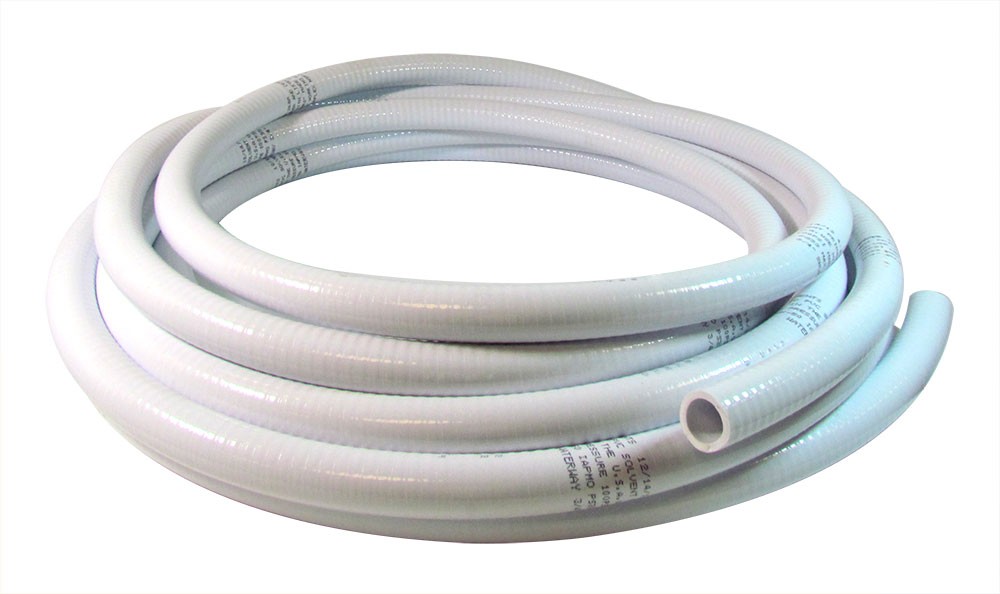
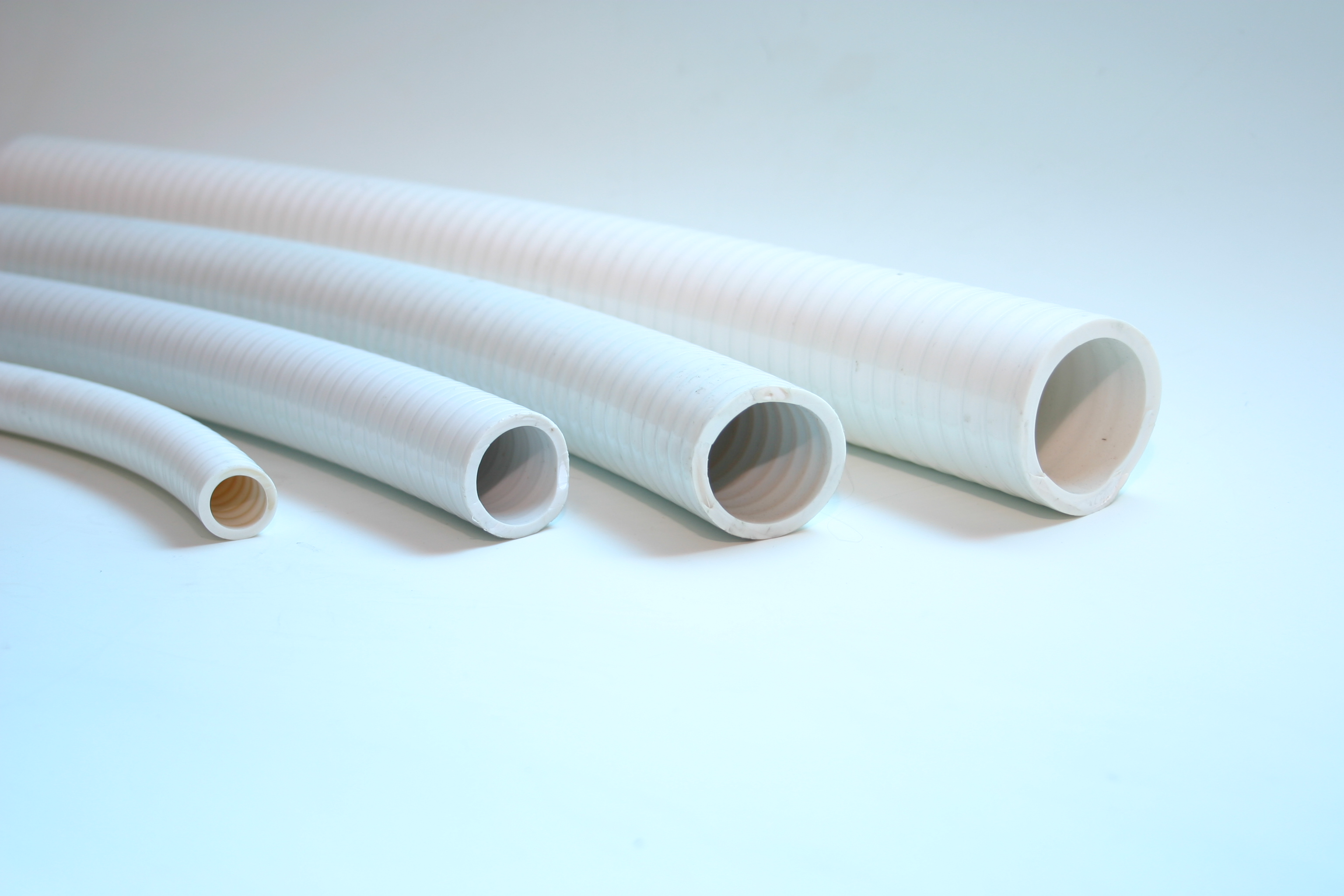
Flexible PVC pipe, often called "flex PVC" or "spa flex," is a type of polyvinyl chloride (PVC) pipe formulated to be more pliable than its rigid counterpart. It's still made of PVC, but the manufacturing process includes additives that increase its flexibility. Think of it like the difference between a hard plastic toy and a bendable rubber toy – both are plastic, but they behave very differently.
Key Characteristics:
- Flexibility: The defining characteristic, allowing it to bend and curve without requiring multiple fittings.
- Material: Still PVC, meaning it inherits PVC's resistance to corrosion and many chemicals commonly found in pool water.
- Sizes: Available in standard pool plumbing sizes (1.5 inch, 2 inch, etc.).
- Color: Typically white or gray, though variations might exist.
- Connections: Requires special PVC cement specifically formulated for flexible PVC. Regular PVC cement might not create a strong, lasting bond.
Advantages of Using Flexible PVC Pipe in Pool Plumbing
Flexible PVC pipe presents several advantages that make it a popular choice for pool owners and installers.
Reduced Number of Fittings
This is the primary benefit. Because it can bend, you need fewer elbows, tees, and couplings. Fewer fittings mean:
- Reduced Leak Points: Each fitting is a potential leak point. Less fittings drastically reduces that possibility.
- Faster Installation: Connecting fewer pieces saves time and labor.
- Cost Savings: Fittings can add up in cost. Using less of them saves money on materials.
- Improved Flow: Each fitting creates some resistance to water flow. By minimizing the use of fittings, you’re maximizing the efficiency of waterflow in your pool system.
Easier Installation in Confined Spaces
Pool equipment areas are often cramped. Flexible PVC's ability to bend makes it easier to route pipes around obstacles and into tight corners where rigid PVC would require multiple angled fittings, or be impossible to install. This is particularly useful when retrofitting or repairing existing plumbing.
Vibration Dampening
Pumps and other pool equipment can generate vibrations. Flexible PVC can absorb some of these vibrations, reducing noise and stress on the plumbing system. Think of it as a shock absorber for your pipes.
Less Prone to Cracking from Ground Movement
In areas with unstable soil, ground movement can put stress on rigid pipes, potentially leading to cracks. Flexible PVC has some give, allowing it to better withstand minor ground shifts without cracking. However, it’s crucial to note this doesn’t make it immune to damage from significant ground movement.
Disadvantages of Using Flexible PVC Pipe in Pool Plumbing
Despite its advantages, flexible PVC pipe also has some drawbacks that must be considered.
Lower Pressure Rating
Flexible PVC generally has a lower pressure rating than rigid PVC. This means it's more susceptible to bursting under high pressure. Therefore, it's crucial to choose a pipe with a pressure rating that meets or exceeds the requirements of your pool system.
Potential for Kinking
If bent too sharply, flexible PVC can kink, restricting water flow. Kinks can drastically reduce the pipe's inner diameter at that point, acting like a blockage. Careful routing and the use of gradual bends are essential to prevent kinking. Furthermore, once kinked, it is very difficult to "unkink" and the pipe is usually ruined.
Permeability
Some studies suggest flexible PVC is slightly more permeable than rigid PVC, meaning it might allow small amounts of chemicals to leach through the pipe over time. While this is generally not a significant concern, it's something to be aware of, especially when dealing with aggressive pool chemicals.
Not Suitable for All Applications
Flexible PVC is generally not recommended for long, straight runs or for use in areas where the pipe will be exposed to direct sunlight for extended periods. UV exposure can degrade PVC over time, making it brittle. For long runs, rigid PVC is generally a better choice.
More Expensive than Rigid PVC
In some cases, flexible PVC pipe can be more expensive than rigid PVC per foot, although the reduced need for fittings can offset this cost. It's essential to compare prices and factor in the total cost of the project, including materials and labor.
Choosing the Right Flexible PVC Pipe
Selecting the appropriate flexible PVC pipe is crucial for a successful and reliable pool plumbing system. Consider the following factors:
Pressure Rating
Ensure the pipe's pressure rating meets or exceeds the maximum pressure of your pool system. Consult your pump's specifications and other equipment manuals to determine the required pressure rating. Using a pipe with an insufficient pressure rating can lead to bursts and leaks.
Size
Match the pipe size to the existing plumbing and equipment connections. Using the wrong size pipe can restrict water flow and damage your equipment. Standard pool plumbing sizes are 1.5 inch and 2 inch, but other sizes might be required depending on your specific setup.
Brand and Quality
Choose a reputable brand known for producing high-quality flexible PVC pipe. Read reviews and consult with pool professionals to get recommendations. Lower-quality pipe may be more prone to kinking, cracking, or leaking.
Certifications
Look for pipes that meet relevant industry standards and certifications, such as NSF International certification. These certifications ensure the pipe has been tested and meets specific performance requirements.
Installing Flexible PVC Pipe
Proper installation is essential for ensuring the longevity and reliability of your flexible PVC pipe system. Here are some key tips:
Use the Correct PVC Cement
Flexible PVC requires a special PVC cement specifically formulated for it. Regular PVC cement may not create a strong bond. Read the cement label carefully to ensure it's compatible with flexible PVC.
Prepare the Surfaces Properly
Before applying cement, clean and prime both the inside of the fitting and the outside of the pipe. This removes dirt, grease, and other contaminants that can interfere with the bonding process. Use a PVC cleaner and primer recommended by the cement manufacturer.
Apply Cement Evenly
Apply a generous and even coat of cement to both surfaces being joined. Avoid gaps or thin spots. Follow the cement manufacturer's instructions regarding application technique and drying time.
Make a Smooth, Gradual Bend
Avoid sharp bends that can kink the pipe. Make smooth, gradual curves instead. If you need to make a tight turn, consider using a rigid PVC elbow instead of bending the flexible pipe too sharply.
Support the Pipe Properly
Support the pipe at regular intervals to prevent sagging and stress on the connections. Use pipe hangers or straps specifically designed for PVC pipe. Proper support helps prevent the pipe from kinking or breaking.
Allow Adequate Drying Time
Before pressurizing the system, allow the cement to fully cure according to the manufacturer's instructions. Rushing this process can lead to leaks.
Consider Professional Installation
If you're not comfortable working with plumbing, consider hiring a qualified pool professional to install the flexible PVC pipe. A professional will have the experience and expertise to ensure the job is done correctly.
Maintenance and Repair
Regular inspection and maintenance can help prevent problems and extend the life of your flexible PVC pipe system.
Inspect Regularly
Periodically inspect the pipes for signs of damage, such as cracks, kinks, or leaks. Pay close attention to connections and areas where the pipe is under stress.
Protect from Sunlight
If possible, protect the pipe from direct sunlight to prevent UV degradation. You can use pipe insulation or paint the pipe with a UV-resistant paint.
Repair Leaks Promptly
If you find a leak, repair it immediately. Small leaks can quickly become larger problems. Depending on the severity of the leak, you may be able to repair it with PVC cement and a patch, or you may need to replace the damaged section of pipe.
Winterize Properly
If you live in an area with freezing temperatures, winterize your pool plumbing system properly to prevent damage from freezing water. This typically involves draining the pipes and adding antifreeze.
Conclusion
Flexible PVC pipe can be a valuable tool in swimming pool plumbing, offering flexibility and ease of installation in certain situations. By understanding its advantages and disadvantages, choosing the right pipe for the application, and following proper installation and maintenance practices, you can ensure a reliable and efficient pool plumbing system. Always prioritize safety and consult with a pool professional if you have any questions or concerns. Making an informed decision about flexible PVC pipe can contribute to a smooth-running and enjoyable pool experience.