Float Switch On Ac Unit
In the dynamic world of HVAC (Heating, Ventilation, and Air Conditioning), understanding the intricacies of each component is crucial for success. From aspiring technicians to seasoned professionals, a deep knowledge of safety mechanisms and preventative measures is highly valued. One such vital component is the float switch, a seemingly simple device with a significant impact on the longevity and efficiency of air conditioning systems. This article delves into the purpose, function, troubleshooting, and importance of float switches in AC units, providing insights for students, experienced technicians, and employers alike.
What is a Float Switch and Why is it Important?
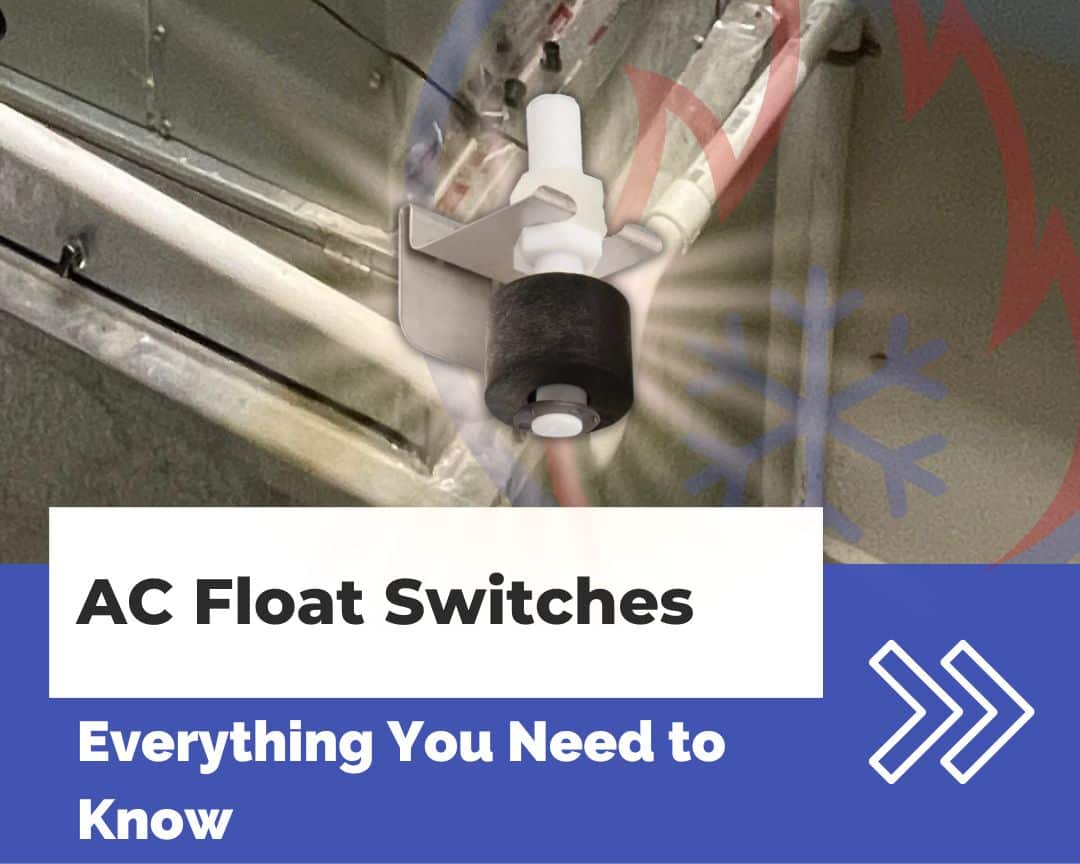
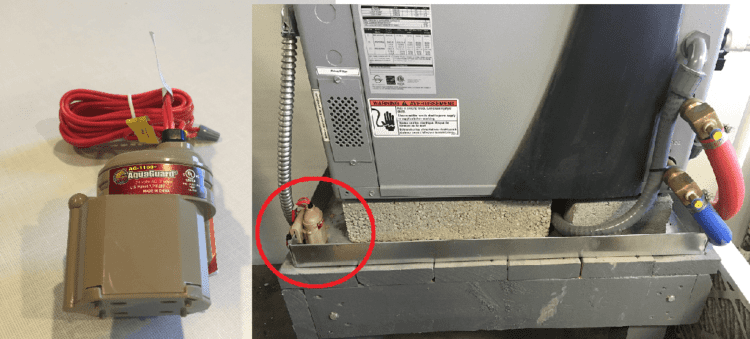
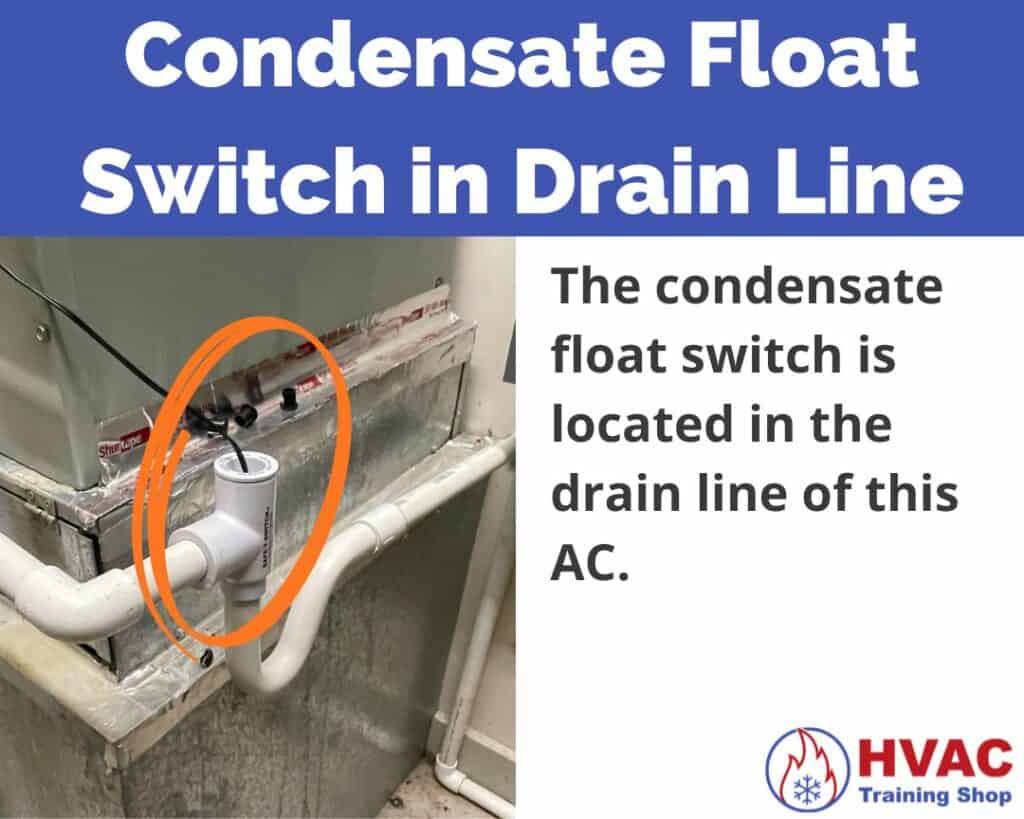
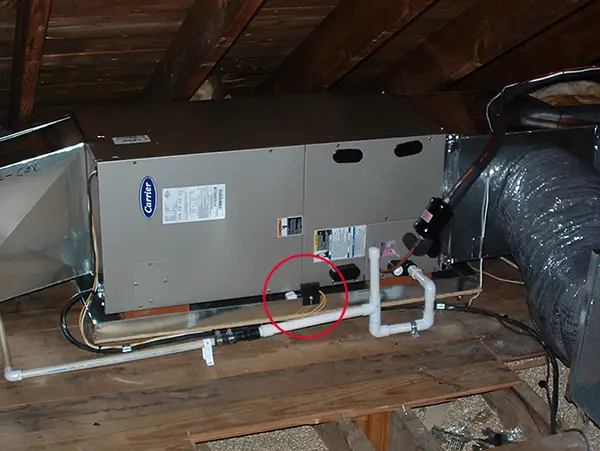
A float switch is a safety device commonly found in the condensate drain lines of air conditioning systems. Its primary function is to detect when the condensate drain pan is full of water. Condensation is a natural byproduct of the cooling process, and this water needs to be effectively drained away from the unit. If the drain line becomes clogged or the pump malfunctions, the condensate pan will overflow. This overflow can lead to water damage in ceilings, walls, and floors, resulting in costly repairs. The float switch acts as a sensor; when the water level rises, it triggers the switch, which in turn cuts off power to the air conditioning unit.
The importance of the float switch goes beyond preventing property damage. It also safeguards the AC unit itself. Continuous operation with a clogged drain can lead to corrosion, mold growth within the system, and eventual component failure. By preventing these issues, the float switch contributes to the overall lifespan and efficiency of the air conditioning system.
How a Float Switch Works
The mechanics of a float switch are relatively straightforward. It typically consists of a buoyant float, a switch mechanism, and wiring. The float rests on the water level in the condensate pan. As the water level rises, the float rises with it. When the water reaches a predetermined level (indicating a potential overflow), the float activates the switch mechanism. This switch, typically a single-pole single-throw (SPST) or single-pole double-throw (SPDT) switch, breaks the circuit that powers the compressor and blower motor, effectively shutting down the AC unit.
There are different types of float switches available, including mechanical float switches and electronic float switches. Mechanical float switches rely on the physical movement of the float to activate the switch. Electronic float switches use sensors to detect the water level and trigger a relay to cut off power. Some advanced systems may even incorporate smart float switches that can send alerts to a homeowner or HVAC technician via a mobile app.
Troubleshooting Float Switch Problems
Diagnosing issues with a float switch requires a systematic approach. Here are some common problems and troubleshooting steps:
- AC Unit Not Turning On: This is the most common symptom of a tripped float switch. First, check the condensate pan for standing water. If water is present, clear the drain line using a wet/dry vacuum, a drain snake, or pressurized air (exercise caution to avoid damaging the drain line). Once the drain line is clear and the water level has dropped, reset the float switch (if applicable) or manually test it by pushing the float down to its lowest position and ensuring the unit starts.
- Faulty Float Switch: Even if the drain line is clear, the float switch itself may be defective. Use a multimeter to test the continuity of the switch. With the float in the "up" position (simulating an overflow), the switch should show an open circuit (no continuity). In the "down" position, it should show a closed circuit (continuity). If the switch fails to meet these criteria, it needs to be replaced.
- Wiring Issues: Check the wiring connections to the float switch. Look for loose connections, corrosion, or damaged wires. Repair or replace any faulty wiring.
- Float Obstruction: Sometimes, debris or mineral buildup can obstruct the movement of the float. Clean the float and the surrounding area to ensure free movement.
Important Safety Note: Always disconnect power to the AC unit before attempting any troubleshooting or repairs. If you are not comfortable working with electrical components, it is best to call a qualified HVAC technician.
Certifications and Training for HVAC Technicians
For aspiring and experienced HVAC technicians, obtaining relevant certifications is crucial for career advancement and demonstrating expertise. Some key certifications include:
- EPA Section 608 Certification: This certification is mandatory for technicians who handle refrigerants. It covers the proper handling, recovery, and disposal of refrigerants to protect the ozone layer.
- NATE (North American Technician Excellence) Certification: NATE certification is a voluntary certification that demonstrates a technician's knowledge and skills in specific areas of HVAC, such as air conditioning, heating, and refrigeration. NATE-certified technicians are often preferred by employers and customers.
- HVAC Excellence Certification: Similar to NATE, HVAC Excellence offers various certifications that validate a technician's competency.
- State and Local Licensing: Many states and municipalities require HVAC technicians to be licensed. The requirements vary depending on the location, so it is important to check with the relevant authorities.
In addition to certifications, continuous training is essential to stay up-to-date with the latest technologies and best practices in the HVAC industry. Many trade schools, community colleges, and manufacturers offer training programs for HVAC technicians.
Career Paths and Job Outlook in HVAC
The HVAC industry offers a wide range of career paths, from entry-level installer to senior service technician and beyond. Some common career paths include:
- HVAC Installer: Installs new HVAC systems in residential and commercial buildings.
- HVAC Service Technician: Diagnoses and repairs HVAC systems.
- HVAC Maintenance Technician: Performs routine maintenance on HVAC systems to ensure optimal performance and prevent breakdowns.
- HVAC Sales Engineer: Designs and sells HVAC systems to commercial and industrial clients.
- HVAC Project Manager: Manages the installation and commissioning of large-scale HVAC projects.
The job outlook for HVAC technicians is excellent. According to the U.S. Bureau of Labor Statistics, the employment of HVAC mechanics and installers is projected to grow 6 percent from 2022 to 2032, about as fast as the average for all occupations. About 41,500 openings for HVAC mechanics and installers are projected each year, on average, over the decade. The median annual wage for HVAC mechanics and installers was $59,690 in May 2023. The best job prospects are expected to be for technicians with formal training and certification.
Experienced technicians with specialized skills and certifications, such as those related to building automation systems or energy efficiency, can command higher salaries. Employers are actively seeking qualified technicians to meet the growing demand for HVAC services.
The Employer's Perspective: Hiring and Training
For HVAC companies, hiring and retaining skilled technicians is a top priority. Employers should look for candidates with the following qualifications:
- Formal Training: Completion of a vocational program or apprenticeship.
- Certifications: EPA Section 608, NATE, or HVAC Excellence certifications.
- Technical Skills: Proficiency in diagnosing and repairing HVAC systems, including knowledge of electrical and mechanical components.
- Soft Skills: Excellent communication, customer service, and problem-solving skills.
- Safety Consciousness: A strong commitment to safety procedures and practices.
In addition to hiring qualified candidates, employers should invest in ongoing training and development for their employees. This can include providing access to manufacturer-sponsored training programs, offering tuition reimbursement for continuing education, and encouraging employees to pursue certifications.
By investing in their workforce, HVAC companies can improve employee retention, increase productivity, and enhance the quality of their services. This, in turn, leads to greater customer satisfaction and profitability.
Conclusion
The float switch, though small, plays a vital role in protecting air conditioning systems and preventing costly water damage. A thorough understanding of its function, troubleshooting, and maintenance is essential for HVAC professionals. By investing in training, certifications, and a commitment to continuous learning, HVAC technicians can build successful careers in this growing and rewarding industry. For employers, prioritizing the hiring and development of skilled technicians is key to providing high-quality services and maintaining a competitive edge. As the HVAC industry continues to evolve, staying informed about the latest technologies and best practices is crucial for success at all levels.