Floating Deck On Flat Roof
Floating Deck on Flat Roof: Your Questions Answered
Considering adding a floating deck to your flat roof? It's a fantastic way to transform unused space into a beautiful and functional outdoor area. However, it's crucial to understand the specifics before you begin. This FAQ will address the most common questions about floating decks on flat roofs to help you make informed decisions.
Frequently Asked Questions
1. What exactly is a "floating deck" on a flat roof?
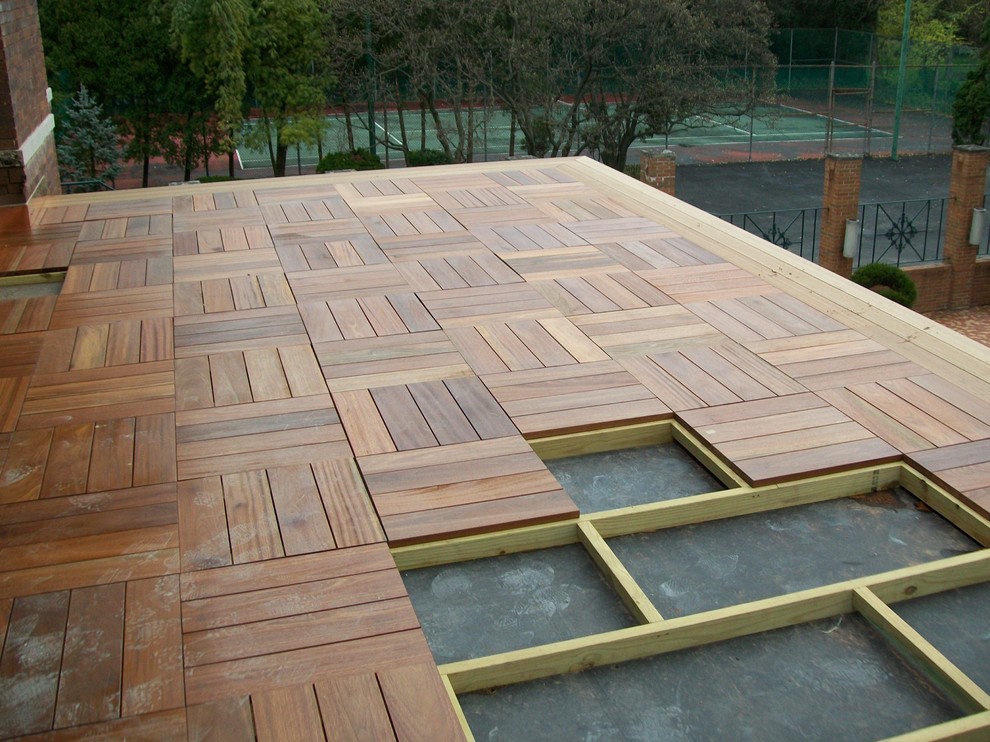
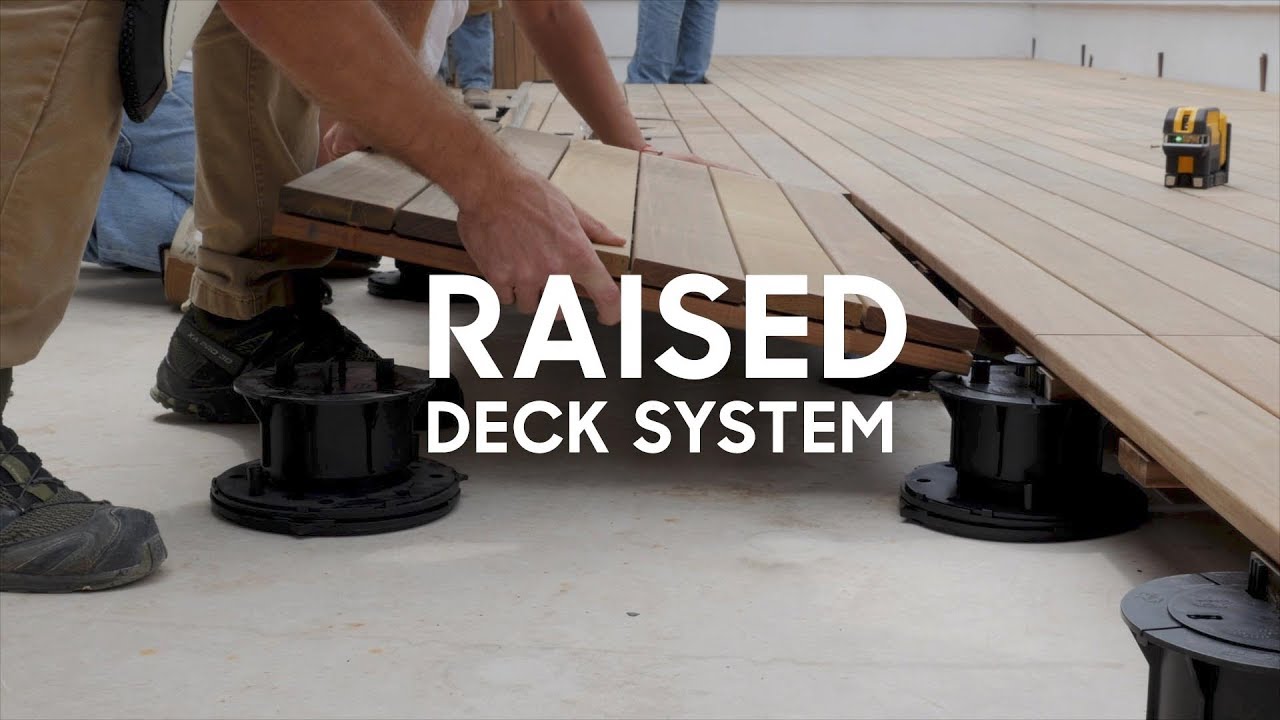
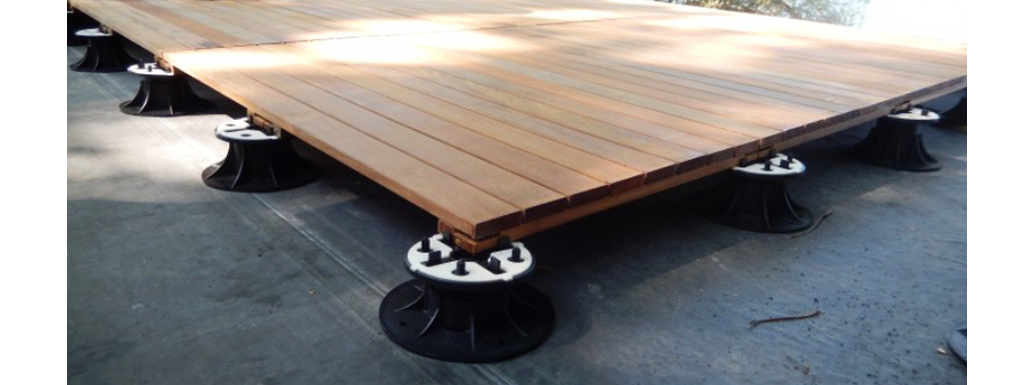
A floating deck, also known as a pedestal deck or roof deck, is a deck that is not directly attached to the roof surface. Instead, it's built on a system of adjustable pedestals or supports that raise the decking material above the roof. This creates a level walking surface while allowing for critical drainage and ventilation beneath the deck structure.
Key Features:
- Pedestal System: Adjustable pedestals provide a stable and level platform.
- Independent Structure: The deck is independent of the roof's structural integrity.
- Drainage and Ventilation: Space between the decking and the roof allows water to drain away and air to circulate, preventing moisture buildup.
2. Why should I consider a floating deck instead of a traditional deck on my flat roof?
Floating decks offer several advantages over traditional decks directly attached to a flat roof:
- Roof Protection: They protect the roof membrane from damage caused by foot traffic, furniture, and the elements. The pedestals distribute weight evenly and avoid direct contact.
- Drainage: They allow for efficient water drainage, preventing ponding and potential leaks.
- Ventilation: The airflow beneath the deck helps to keep the roof cool and dry, reducing the risk of mold and mildew growth.
- Accessibility: Provides easy access to the roof membrane for inspection and maintenance.
- Weight Distribution: Pedestals distribute weight evenly across the roof structure, reducing stress on any single point.
- Aesthetics: Creates a clean and modern look.
- Easier Installation and Repairs: Generally easier to install and repair compared to decks directly attached to the roof. Individual components can be replaced without disturbing the entire deck.
Traditional decks attached directly to the roof often require penetrating the roof membrane, which can void warranties and create potential leak points. Floating decks avoid these issues.
3. Is my flat roof suitable for a floating deck? What factors should I consider?
Not all flat roofs are created equal. Here are the crucial factors to consider before installing a floating deck:
- Roof Load Capacity: Consult a structural engineer to determine if your roof can support the added weight of the deck, including the materials, furniture, and people. This is non-negotiable for safety.
- Roof Membrane Type: Different roof membranes (e.g., EPDM, TPO, PVC, BUR) have varying sensitivities. Choose pedestal materials compatible with your specific membrane to avoid chemical reactions or damage.
- Roof Slope: While "flat" roofs aren't perfectly flat, the slope should be minimal. Excessive slope can make leveling the deck difficult and potentially unstable. Check local building codes for maximum allowable slope.
- Drainage: Ensure your roof has adequate drainage outlets and that the deck design won't obstruct them. Proper drainage is critical to prevent water damage.
- Accessibility: Consider how you'll access the roof and whether you need to incorporate stairs or other access points into the deck design.
- Building Codes and Permits: Research local building codes and obtain the necessary permits before starting any construction. This will help ensure compliance and avoid potential fines.
- Warranty: Check your roof warranty to see if installing a floating deck will void it. You may need to use specific installation methods or materials to maintain the warranty.
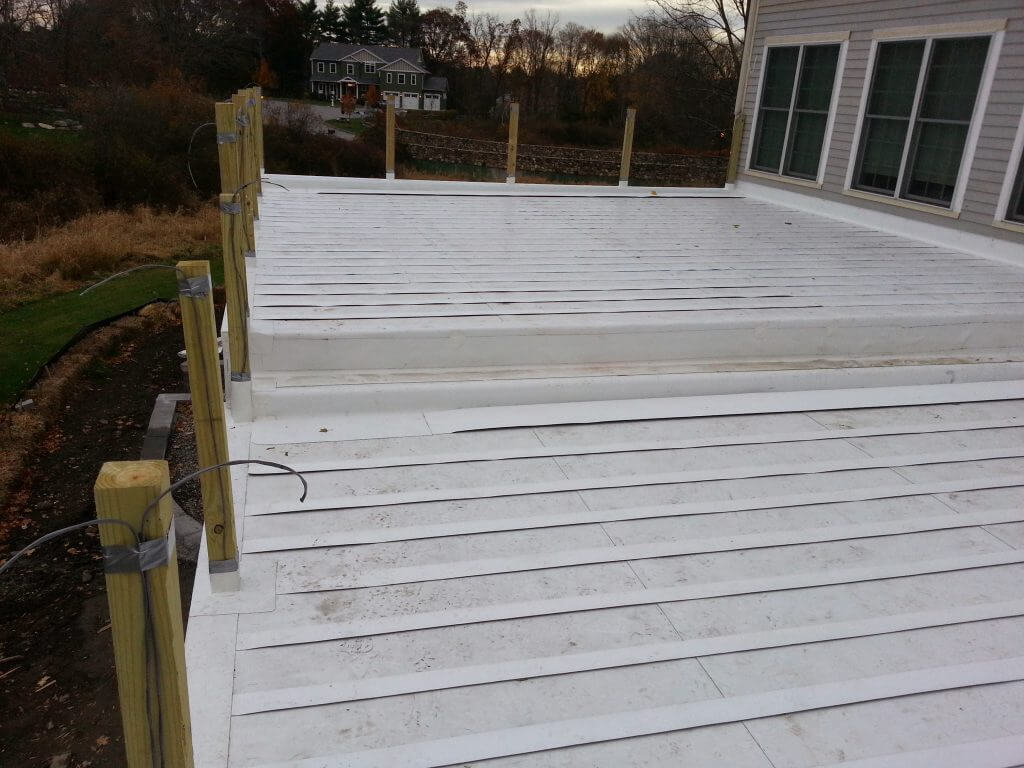
- Existing Roof Condition: Assess the existing condition of the roof membrane. Address any leaks or damage before installing the deck. A professional roof inspection is highly recommended.
It is always recommended to engage with qualified professionals, like structural engineers and licensed contractors, for assessment and guidance.
4. What materials are commonly used for floating decks on flat roofs?
Choosing the right materials is essential for durability, aesthetics, and compatibility with your roof. Here are some popular options:
- Decking:
- Wood: Pressure-treated lumber, cedar, redwood, and exotic hardwoods are common choices. Wood offers a natural look but requires regular maintenance.
- Composite Decking: Made from recycled plastic and wood fibers, composite decking is durable, low-maintenance, and resistant to rot and insects.
- Tile or Pavers: Porcelain pavers or concrete tiles offer a durable and stylish surface. They are heavy but can be a good option if your roof can support the weight.
- Synthetic Turf: Provides a soft and green surface, requiring minimal maintenance.
- Pedestals:
- Adjustable Plastic Pedestals: Made from high-density polyethylene (HDPE), these pedestals are lightweight, durable, and adjustable to compensate for minor roof imperfections. They come in various heights and weight capacities.
- Concrete Pavers as Pedestals: Can be used under paver decks, adding to the "floating" element.
- Support Structure (Optional):
- Screed Rails: Optional aluminum or galvanized steel rails that connect pedestals and provide a framework for the decking.
When selecting materials, consider factors like cost, aesthetics, maintenance requirements, weight, and compatibility with your roof membrane. Consider UV resistance for long life.
5. How are floating decks installed on flat roofs? Can I DIY it?
While some homeowners may be tempted to DIY a floating deck, it's generally recommended to hire a qualified contractor with experience in roof decks. Improper installation can lead to leaks, structural damage, and voided warranties.
Here's a general overview of the installation process:
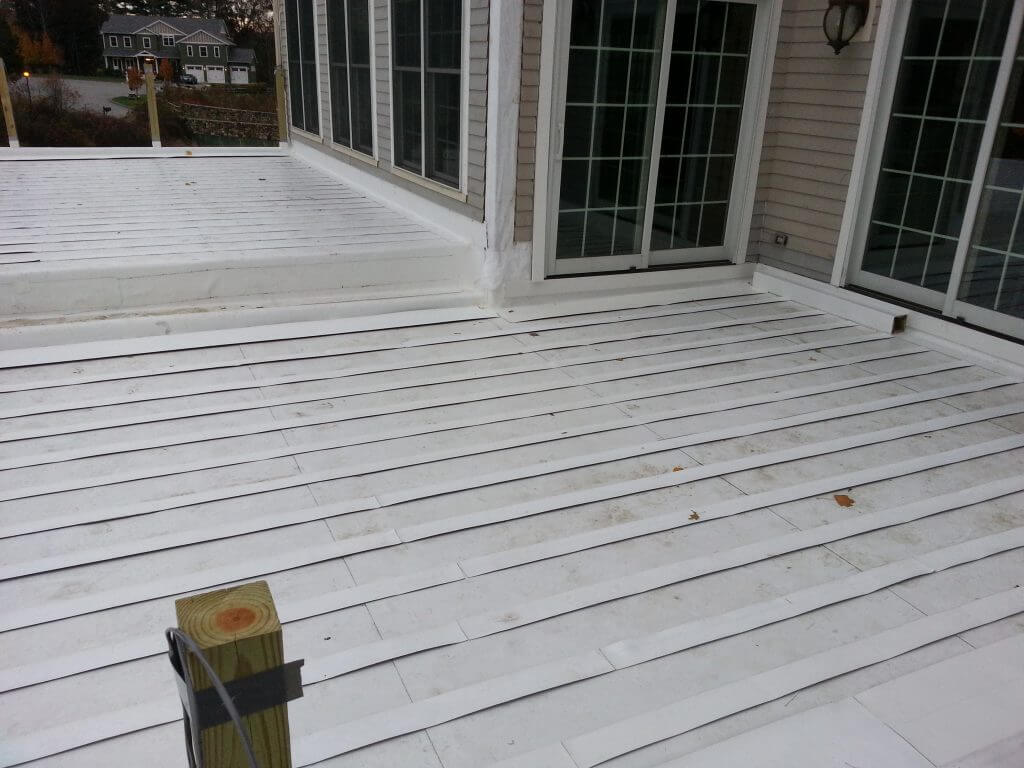
- Preparation: Clean the roof surface and inspect it for any damage. Repair any leaks or imperfections.
- Planning & Layout: Plan the deck layout, marking the location of pedestals and drainage points.
- Pedestal Placement: Position the pedestals according to the layout, adjusting their height to create a level surface. Use shims if needed to fine-tune the leveling. Make sure pedestals are compatible with roof membrane.
- Decking Installation: Install the decking material, following the manufacturer's instructions. Secure the decking to the pedestals or support structure (if used).
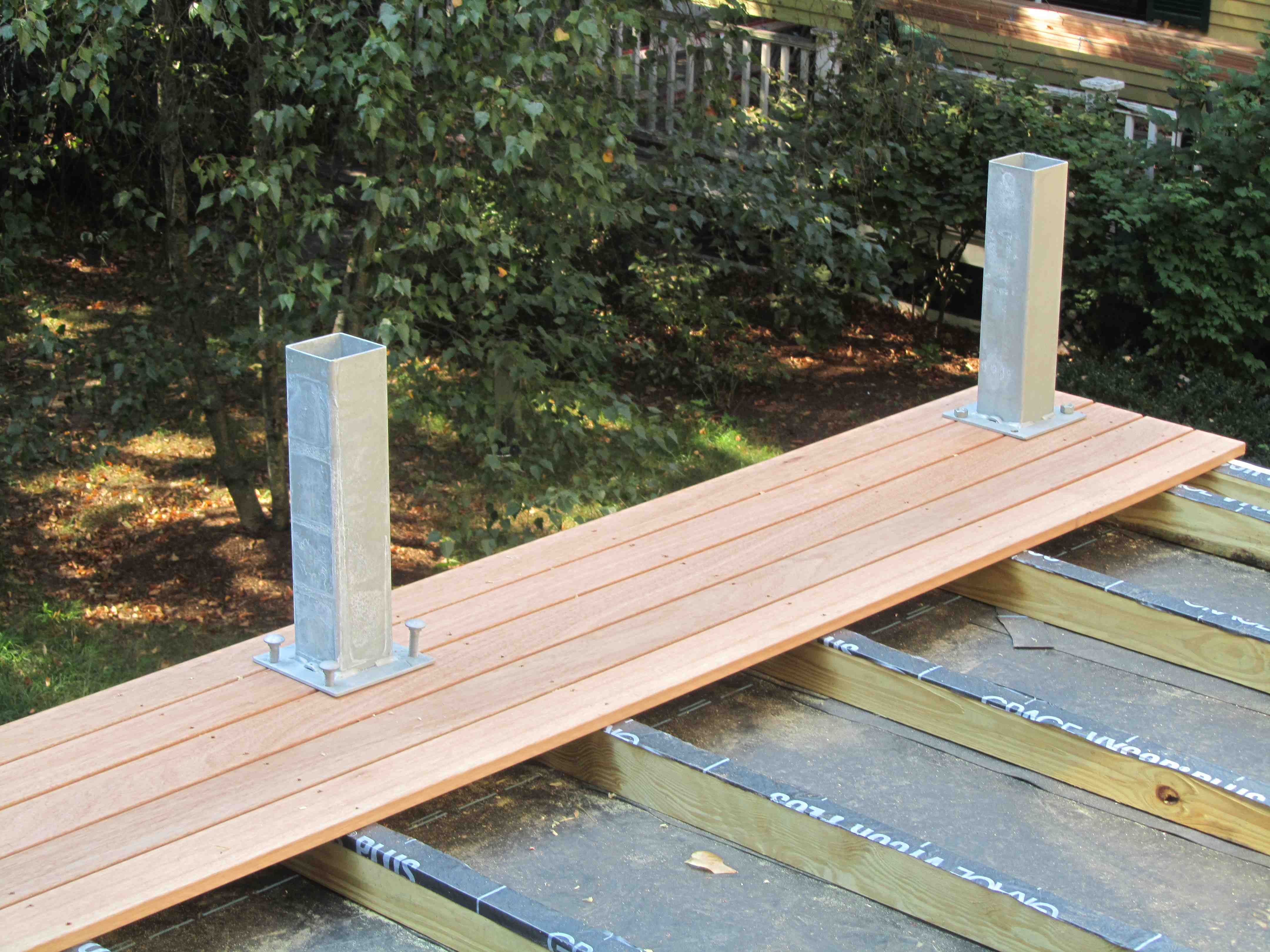
- Finishing Touches: Add any desired railings, stairs, or other accessories.
Why professional installation is often necessary:
- Structural Integrity: Ensuring the deck is structurally sound and can safely support the intended load.
- Proper Drainage: Maintaining proper drainage to prevent water damage.
- Warranty Compliance: Adhering to manufacturer's installation guidelines to maintain warranties.
- Code Compliance: Meeting all local building codes and regulations.
If you're comfortable with basic construction skills and have a thorough understanding of roof systems, you might consider a DIY approach. However, proceed with caution and consult with a professional if you have any doubts.
6. What maintenance is required for a floating deck on a flat roof?
While floating decks require less maintenance than traditional decks, regular upkeep is still essential to ensure their longevity and performance. Here are some key maintenance tasks:
- Regular Cleaning: Sweep or hose down the deck surface regularly to remove dirt, leaves, and debris. Use a mild detergent if needed. Avoid harsh chemicals that could damage the decking material or the roof membrane.
- Inspect for Debris: Check the gaps between the decking boards and around the pedestals for any accumulated debris. Clear any obstructions to ensure proper drainage.
- Check Pedestals: Periodically inspect the pedestals for stability and adjust them as needed to maintain a level surface.
- Inspect Roof Membrane: Regularly inspect the exposed portions of the roof membrane for any signs of damage, such as cracks, blisters, or punctures. Repair any damage promptly.
- Wood Treatment (if applicable): If you have a wood deck, apply a sealant or stain every few years to protect it from the elements.
- Check for Leaks: Periodically check for leaks inside the building below the deck, especially after heavy rain or snow.
- Snow Removal: If you live in an area with heavy snowfall, remove snow from the deck to prevent excessive weight buildup. Use a plastic shovel to avoid damaging the decking material or the roof membrane.
Consistent maintenance will help prevent problems and extend the lifespan of your floating deck and roof.
7. How much does a floating deck on a flat roof typically cost?
The cost of a floating deck on a flat roof can vary significantly depending on several factors:
- Deck Size: Larger decks will naturally cost more.
- Materials: The choice of decking material (e.g., wood, composite, tile) will significantly impact the cost.
- Pedestal Type: Adjustable pedestals are more expensive than fixed pedestals.
- Labor Costs: Hiring a professional contractor will add to the cost, but it's often worth the investment for proper installation and warranty compliance.
- Roof Condition: If your roof requires repairs before installing the deck, this will add to the overall cost.
- Complexity of Design: Intricate designs with curves or multiple levels will be more expensive to build.
- Permits: The cost of building permits can vary depending on your location.
General Cost Estimates (These are broad estimates and can vary greatly):
- DIY Project (Materials Only): $15 - $40+ per square foot.
- Professionally Installed: $30 - $100+ per square foot.
It's best to get multiple quotes from different contractors to get a more accurate estimate for your specific project. Remember to factor in the long-term cost of maintenance when comparing different materials.
Investing in professional consultation and installation offers long-term protection and peace of mind for your investment.