Floor Furnace Heating
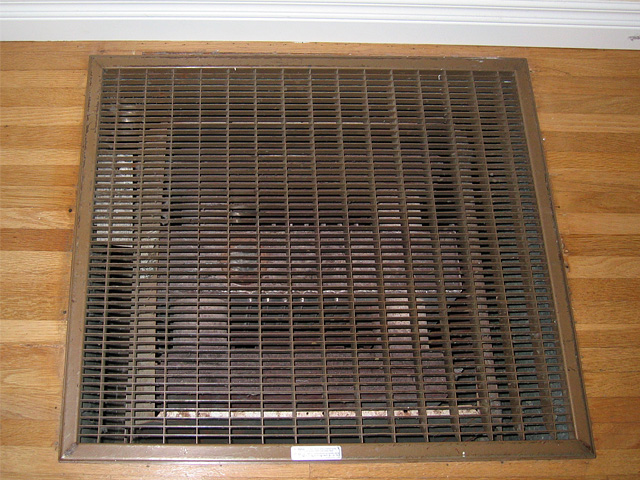
Floor furnaces, while less common in new construction, are still found in many older homes, providing a unique heating solution. Understanding how they work, their potential issues, and how to maintain them can save you money and ensure your home stays warm during the colder months. This guide will walk you through everything you need to know about floor furnaces, from basic operation to troubleshooting and maintenance tips.
Understanding Floor Furnace Operation
A floor furnace is a self-contained heating unit installed beneath the floor, typically in a central location like a living room or hallway. They operate by drawing in cool air from the room, heating it within the furnace, and then releasing the warmed air through a floor-level register. The hot air rises, providing radiant heat to the room.
Key Components of a Floor Furnace:
- Burner Assembly: This is where the fuel (usually natural gas or propane) is burned to generate heat.
- Heat Exchanger: The heat exchanger transfers the heat from the burner to the air circulating through the furnace.
- Thermocouple or Flame Sensor: This safety device ensures that the gas valve shuts off if the pilot light or main burner flame goes out.
- Gas Valve: Controls the flow of gas to the burner.
- Blower (Optional): Some floor furnaces have a small blower to assist in circulating the heated air; others rely solely on natural convection.
- Pilot Light Assembly: A small, continuous flame that ignites the main burner when heat is called for.
- Thermostat: Controls the furnace's operation by sensing the room temperature and signaling the gas valve to open or close.
- Floor Register: The grille or vent through which heated air enters the room.
Safety First: Important Precautions
Before working on any gas appliance, always prioritize safety:
- Turn off the gas supply: Locate the gas shut-off valve near the furnace and turn it to the "off" position.
- Disconnect the power: Turn off the circuit breaker that supplies power to the furnace.
- Carbon Monoxide Detector: Ensure you have a working carbon monoxide detector in your home, especially near sleeping areas.
- Ventilation: Work in a well-ventilated area to avoid inhaling any fumes or gases.
- When in doubt, call a professional: If you are uncomfortable or unsure about any step, contact a qualified HVAC technician.
Troubleshooting Common Floor Furnace Problems
Many floor furnace issues can be resolved with simple troubleshooting. Here are some common problems and how to address them:
Pilot Light Won't Stay Lit
This is a frequent issue with floor furnaces. Here's how to troubleshoot it:
- Check the Thermocouple: The thermocouple is a small metal rod located near the pilot light. If it's dirty or damaged, it may not be generating enough voltage to keep the gas valve open. Clean the thermocouple with fine steel wool or replace it if necessary.
- Clean the Pilot Light Orifice: A clogged pilot light orifice can restrict gas flow. Use a small wire or needle to carefully clean the orifice.
- Check the Gas Pressure: Low gas pressure can also cause the pilot light to go out. Contact your gas company to check the pressure if you suspect this is the problem. (Call a professional)
- Drafts: A strong draft can blow out the pilot light. Check for drafts near the furnace and try to eliminate them.
Furnace Won't Turn On
If the pilot light is lit but the furnace won't turn on, consider these possibilities:
- Check the Thermostat: Ensure the thermostat is set to "heat" and the temperature is set higher than the current room temperature. Also, check the thermostat's batteries if it is battery-powered.
- Inspect the Limit Switch: The limit switch is a safety device that shuts off the furnace if it overheats. It may have tripped. Locate the limit switch (usually a small button or lever near the burner) and reset it. (Call a professional)
- Check the Gas Valve: The gas valve may be faulty and not opening to allow gas to flow to the burner. This usually requires a professional to diagnose and repair. (Call a professional)
Furnace Cycles On and Off Frequently (Short Cycling)
Short cycling can indicate several issues:
- Dirty Filter: A dirty filter restricts airflow, causing the furnace to overheat and shut off prematurely. Replace the filter regularly.
- Oversized Furnace: If the furnace is too large for the space, it will heat the room too quickly and then shut off, resulting in short cycles. This requires a professional assessment. (Call a professional)
- Faulty Thermostat: A malfunctioning thermostat can send incorrect signals to the furnace, causing it to cycle on and off frequently. Replace the thermostat.
Unusual Noises
Strange noises can indicate various problems:
- Banging or Popping: Can be caused by expanding and contracting ductwork or a delayed ignition of the burner.
- Rattling: Loose components or debris inside the furnace.
- Whistling: Air leaks in the ductwork or around the burner.
Investigate the source of the noise. Turn off the furnace and carefully inspect the components. Tighten any loose screws or connections. If you can't identify the source or the noise persists, consult a professional.
Burning Smell
A burning smell is often caused by:
- Dust Accumulation: Dust on the heat exchanger can burn off when the furnace is first turned on for the season. This is usually temporary.
- Dirty Filter: A very dirty filter can cause the furnace to overheat and produce a burning smell.
- Electrical Problems: A burning smell could also indicate an electrical problem, such as a short circuit. Immediately turn off the furnace and call a professional. (Call a professional)
Regular Maintenance for Floor Furnaces
Preventative maintenance is crucial for extending the life of your floor furnace and ensuring its efficient operation:
- Replace the Filter Regularly: Change the filter every 1-3 months, depending on usage and air quality. A clean filter improves airflow and prevents overheating.
- Clean the Burner Assembly: Annually, clean the burner assembly to remove any debris or soot. Use a brush and vacuum cleaner.
- Inspect the Flue Pipe: Check the flue pipe for rust, corrosion, or leaks. Ensure it is properly connected and venting properly. (Call a professional)
- Clean the Floor Register: Regularly clean the floor register to remove dust and debris, ensuring proper airflow.
- Professional Inspection: Schedule a professional inspection and tune-up annually to ensure your furnace is operating safely and efficiently.
Tools and Materials You Might Need
- Screwdrivers (Phillips and flathead)
- Wrenches
- Vacuum cleaner
- Brush (for cleaning burner assembly)
- Fine steel wool
- Multimeter (for electrical testing - use with caution and proper knowledge)
- Replacement filter
- New Thermocouple (if needed)
- Safety glasses
- Gloves
Estimating Repair Costs
The cost of repairing a floor furnace can vary widely depending on the problem and the cost of labor in your area. Here are some rough estimates:
- Pilot Light Issues (Cleaning/Thermocouple Replacement): $75 - $200
- Thermostat Replacement: $100 - $300
- Gas Valve Replacement: $200 - $500
- Limit Switch Replacement: $100 - $250
- Heat Exchanger Repair/Replacement: $500 - $1500 (can be more cost-effective to replace the entire unit) (Call a professional)
- Annual Inspection and Tune-up: $100 - $300
Note: These are just estimates. Always get a quote from a qualified HVAC technician before proceeding with any repairs.
When to Call a Professional
While some floor furnace issues can be handled DIY, certain situations require the expertise of a qualified HVAC technician:
- Gas Leaks: If you suspect a gas leak, immediately evacuate your home and call your gas company or 911.
- Complex Electrical Problems: Do not attempt to repair electrical issues unless you are a qualified electrician.
- Heat Exchanger Problems: Heat exchanger repairs can be complex and require specialized tools and knowledge.
- Refrigerant Leaks (If Applicable): Some floor furnaces may incorporate a cooling system. Handling refrigerant requires EPA certification.
- If you are unsure or uncomfortable: It's always better to err on the side of caution and call a professional if you're not confident in your ability to safely and effectively repair your floor furnace.
Conclusion
Floor furnaces offer a unique heating solution for many older homes. By understanding their operation, performing regular maintenance, and knowing when to call a professional, you can keep your floor furnace running efficiently and safely for years to come. Remember to always prioritize safety and seek professional help when dealing with complex repairs or gas-related issues.