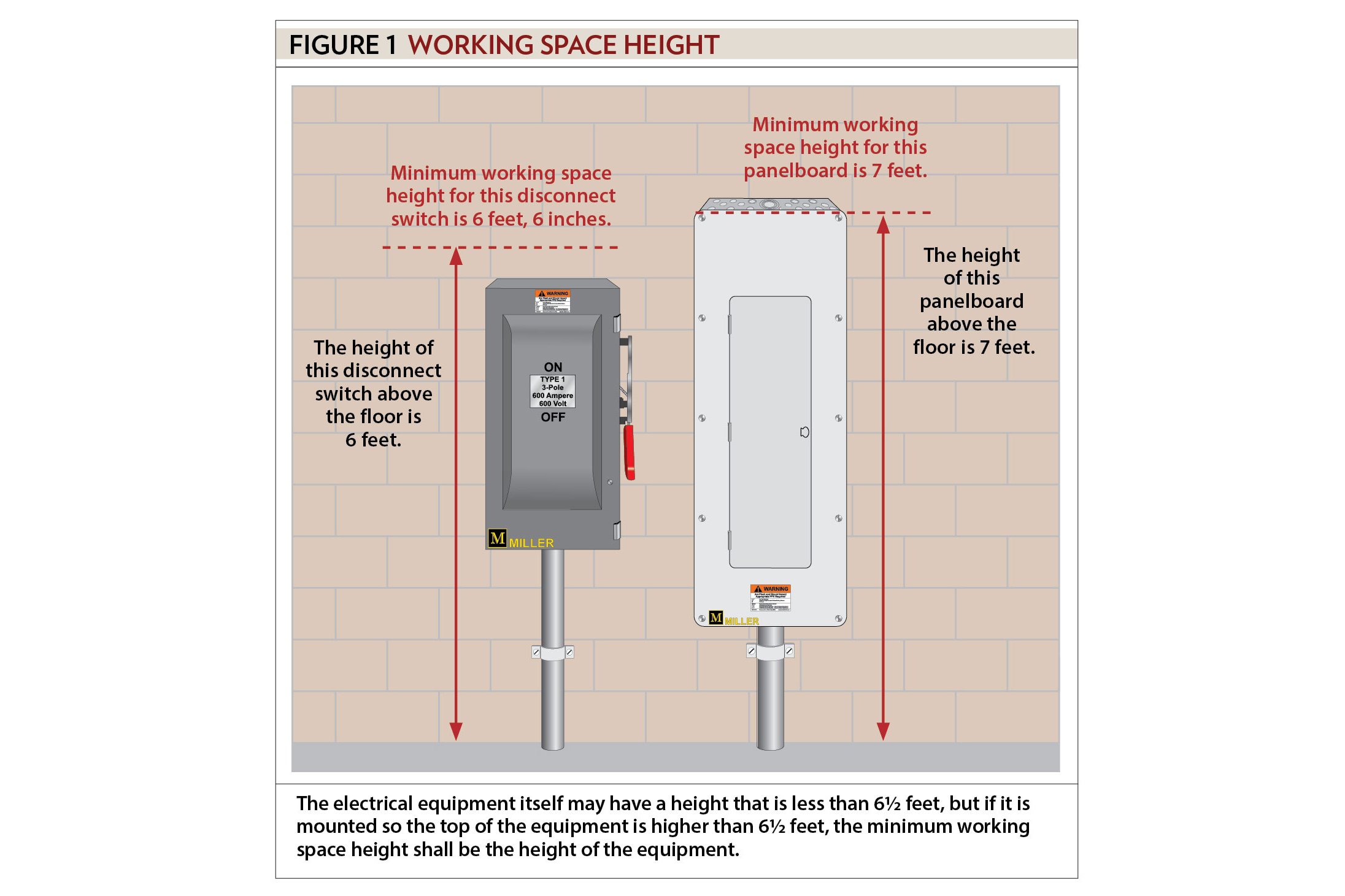
Floor Mounted Receptacle Requirements
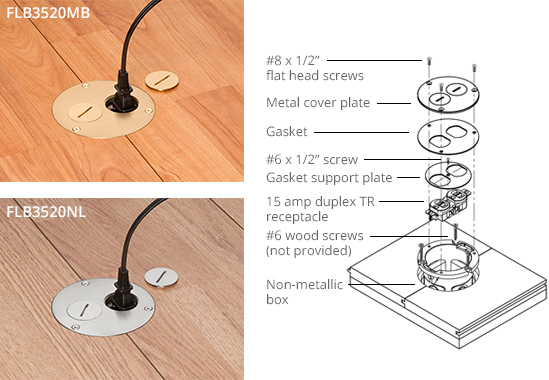
Imagine this: You're vacuuming the living room, and suddenly, the vacuum cleaner sputters and dies. The floor-mounted receptacle seems to be the culprit. Before you call an electrician, let's explore some safe, DIY troubleshooting steps. This guide will focus on common problems with floor-mounted receptacles, providing practical solutions you can try at home. Remember, when in doubt, always consult a qualified professional.
Understanding Floor-Mounted Receptacles
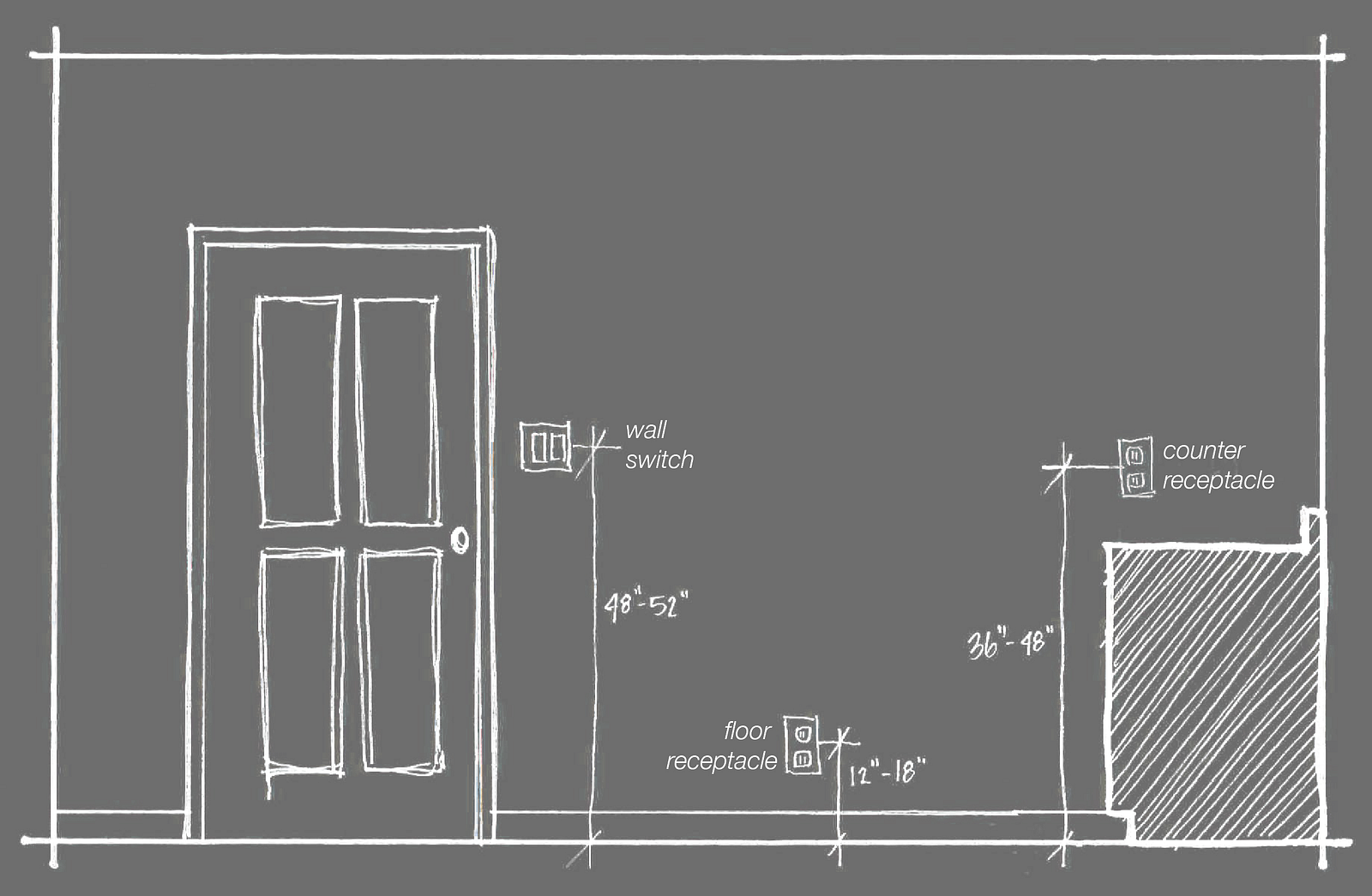
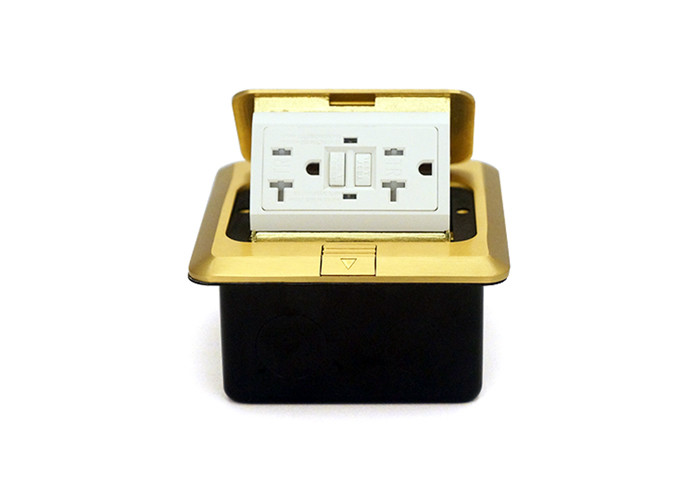
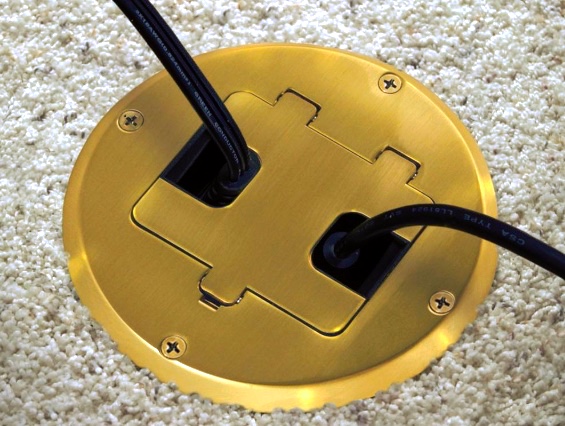
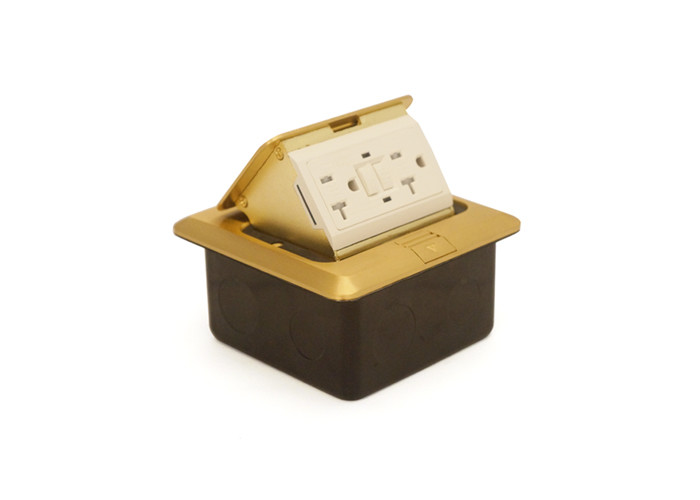
Floor-mounted receptacles are convenient, especially in areas without readily available wall outlets. They're often found in living rooms, dining rooms, and open-concept spaces. However, their location makes them susceptible to dust, debris, and accidental spills. Understanding their construction and typical problems is the first step to effective troubleshooting.
Safety First!
Before you begin any troubleshooting, turn off the circuit breaker controlling the floor-mounted receptacle. This is absolutely crucial to prevent electric shock. If you're unsure which breaker controls the outlet, test it using a non-contact voltage tester. If the tester lights up, you've got the wrong breaker. Turn it off and test again. Never work on electrical components without verifying the power is off.
Step-by-Step Troubleshooting Guide
1. Visual Inspection: The Obvious Clues
Start with a thorough visual inspection of the receptacle and its surrounding area.
- Look for physical damage: Is the receptacle cracked, broken, or showing signs of burning? Damage indicates a potentially serious issue requiring professional attention.
- Check for debris: Dust, dirt, and pet hair can accumulate inside the receptacle, interfering with the electrical connection. Use a small brush or vacuum cleaner attachment to carefully remove any visible debris.
- Inspect the cord: Examine the appliance's cord and plug for damage. A frayed cord or loose plug prongs could be the problem, not the receptacle itself. Try plugging the appliance into a different, known-good outlet. If it works, the appliance cord is likely the issue.
- Check the receptacle cover: Ensure the cover is properly seated and sealed. A loose or damaged cover can allow moisture and debris to enter the receptacle.
2. Testing the Receptacle with a Multimeter
If the visual inspection reveals no obvious issues, use a multimeter to test the receptacle's voltage. If you are not comfortable using a multimeter, please consult an electrician.
- Set the multimeter: Set your multimeter to AC voltage (VAC) in a range appropriate for household voltage (typically 120V or 240V in North America).
- Insert the probes: Carefully insert the multimeter probes into the receptacle slots. The black probe goes into the neutral slot (the wider one), and the red probe goes into the hot slot (the narrower one).
- Read the voltage: A reading close to your region's standard voltage (e.g., 120V) indicates that the receptacle is receiving power. A reading of zero or significantly lower suggests a problem with the circuit.
- Check the ground: Test between the hot slot and the ground slot (the round one). You should get a similar voltage reading to the hot-to-neutral test. If not, there may be a grounding issue.
If you don't get a proper voltage reading, the problem likely lies upstream in the electrical circuit, requiring professional diagnosis.
3. Testing with a Circuit Tester
A simpler alternative to a multimeter is a circuit tester. These testers are inexpensive and easy to use. They typically have lights that indicate whether the receptacle is properly wired and receiving power.
- Insert the tester: Plug the circuit tester into the receptacle.
- Interpret the lights: Refer to the tester's instructions to understand the light patterns. Common indications include "correct wiring," "open ground," "hot/neutral reversed," and "open hot."
- Address the issues: If the tester indicates a wiring problem (e.g., open ground, reversed polarity), do not attempt to fix it yourself. Contact a qualified electrician. These issues can be dangerous and require specialized knowledge and equipment.
4. Checking the Circuit Breaker
Even if you turned off the breaker initially, it's worth double-checking it, especially if the receptacle isn't receiving power. Sometimes, breakers can trip partially, appearing to be on but not fully engaged.
- Visually inspect the breaker: Look for any signs of tripping, such as the breaker being in the "middle" position (between "on" and "off").
- Reset the breaker: Fully switch the breaker to the "off" position and then firmly back to the "on" position.
- Retest the receptacle: After resetting the breaker, retest the receptacle with a multimeter or circuit tester to see if power is restored.
5. Inspecting the Receptacle Connections (Advanced - Professional Recommended)
This step involves working directly with electrical wiring and should only be attempted by individuals with experience and a thorough understanding of electrical safety. If you are not comfortable with this, contact an electrician.
- Turn off the circuit breaker: Absolutely crucial!
- Remove the receptacle cover plate: Use a screwdriver to remove the screws holding the cover plate in place.
- Carefully remove the receptacle from the box: Gently pull the receptacle out of the electrical box. Be careful not to damage the wires.
- Inspect the wiring connections: Check the wires connected to the receptacle terminals. Look for loose wires, corroded connections, or damaged insulation.
- Tighten loose connections: If you find any loose wires, carefully tighten the terminal screws. Ensure the wires are securely connected.
- Replace damaged wiring: If you find any damaged wiring, it's best to have an electrician replace it. Attempting to repair damaged wiring without proper knowledge can be dangerous.
- Reassemble the receptacle: Carefully push the receptacle back into the electrical box, ensuring the wires are neatly tucked away. Replace the cover plate and tighten the screws.
- Turn on the circuit breaker: Restore power to the circuit and retest the receptacle.
6. Addressing Common Issues Specific to Floor Receptacles
Floor receptacles are uniquely vulnerable to certain problems due to their location.
- Water damage: Spills and cleaning fluids can seep into floor receptacles, causing corrosion and short circuits. If you suspect water damage, immediately turn off the circuit breaker and contact an electrician. Do not attempt to use the receptacle until it has been inspected and repaired.
- Debris accumulation: As mentioned earlier, dust, dirt, and pet hair can accumulate inside floor receptacles. Regular cleaning with a vacuum cleaner attachment can help prevent this.
- Loose mounting: Floor receptacles can sometimes become loose over time, especially if they are frequently stepped on. Ensure the receptacle is securely mounted to the floor. If it's loose, you may need to tighten the mounting screws or replace the receptacle.
When to Call a Professional Electrician
While some minor issues with floor-mounted receptacles can be addressed with basic DIY troubleshooting, certain problems require the expertise of a qualified electrician. Here are some situations where you should always call a professional:
- You are uncomfortable working with electricity. Your safety is paramount.
- You suspect water damage. Water and electricity are a dangerous combination.
- You find damaged wiring. Damaged wiring can cause fires and electric shocks.
- The circuit breaker trips repeatedly. This indicates an underlying electrical problem.
- The receptacle feels hot to the touch. This could indicate a short circuit or overloaded circuit.
- You detect a burning smell. This is a sign of a serious electrical issue.
- The circuit tester indicates a wiring problem (e.g., open ground, reversed polarity). These issues require specialized knowledge and equipment to resolve.
- You are unsure about any aspect of the troubleshooting process. It's always better to be safe than sorry.
Preventative Maintenance Tips
Preventing problems with your floor-mounted receptacles is always easier than fixing them. Here are some tips to keep them in good working order:
- Regularly clean the receptacles: Use a vacuum cleaner attachment to remove dust and debris.
- Use receptacle covers when not in use: This helps prevent dust, debris, and moisture from entering the receptacle.
- Avoid overloading the circuit: Do not plug too many appliances into the same circuit.
- Periodically inspect the receptacles for damage: Look for cracks, breaks, or signs of corrosion.
- Consider installing GFCI receptacles: Ground Fault Circuit Interrupter (GFCI) receptacles provide added protection against electric shock, especially in areas prone to moisture.
Empowering You to Troubleshoot, Safely
By following these steps, you can confidently troubleshoot many common problems with floor-mounted receptacles. Remember to prioritize safety, and don't hesitate to call a professional electrician when needed. With a little knowledge and caution, you can keep your floor receptacles working properly and safely.
Disclaimer: This article provides general troubleshooting advice. Electrical work can be dangerous. Always prioritize safety and consult with a qualified electrician if you are unsure about any aspect of the troubleshooting process.
:max_bytes(150000):strip_icc()/Electrical-code-for-outlets-1821513_color-8f7918755f194def8d0197088306df5f.jpg)
-Figure-1.png)