Foam Blocks For Crawl Space Vents
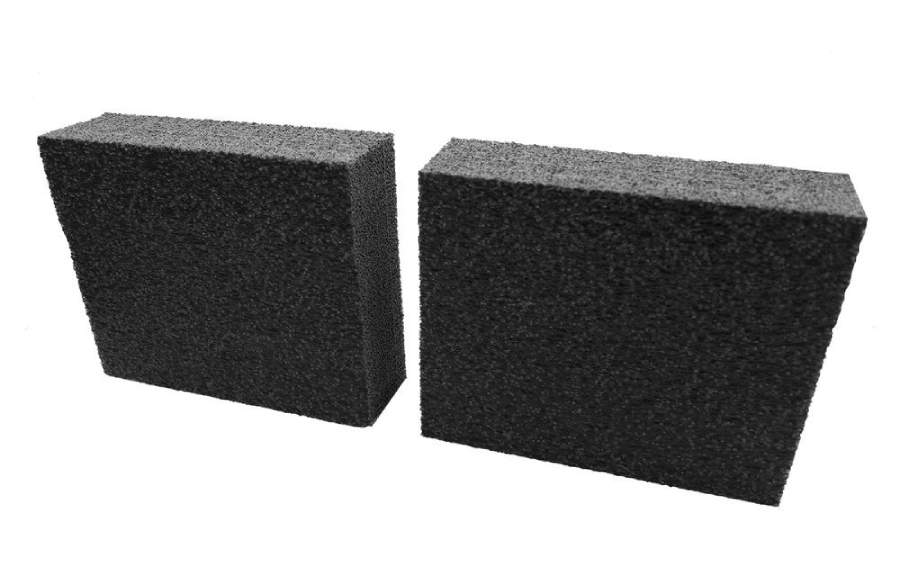
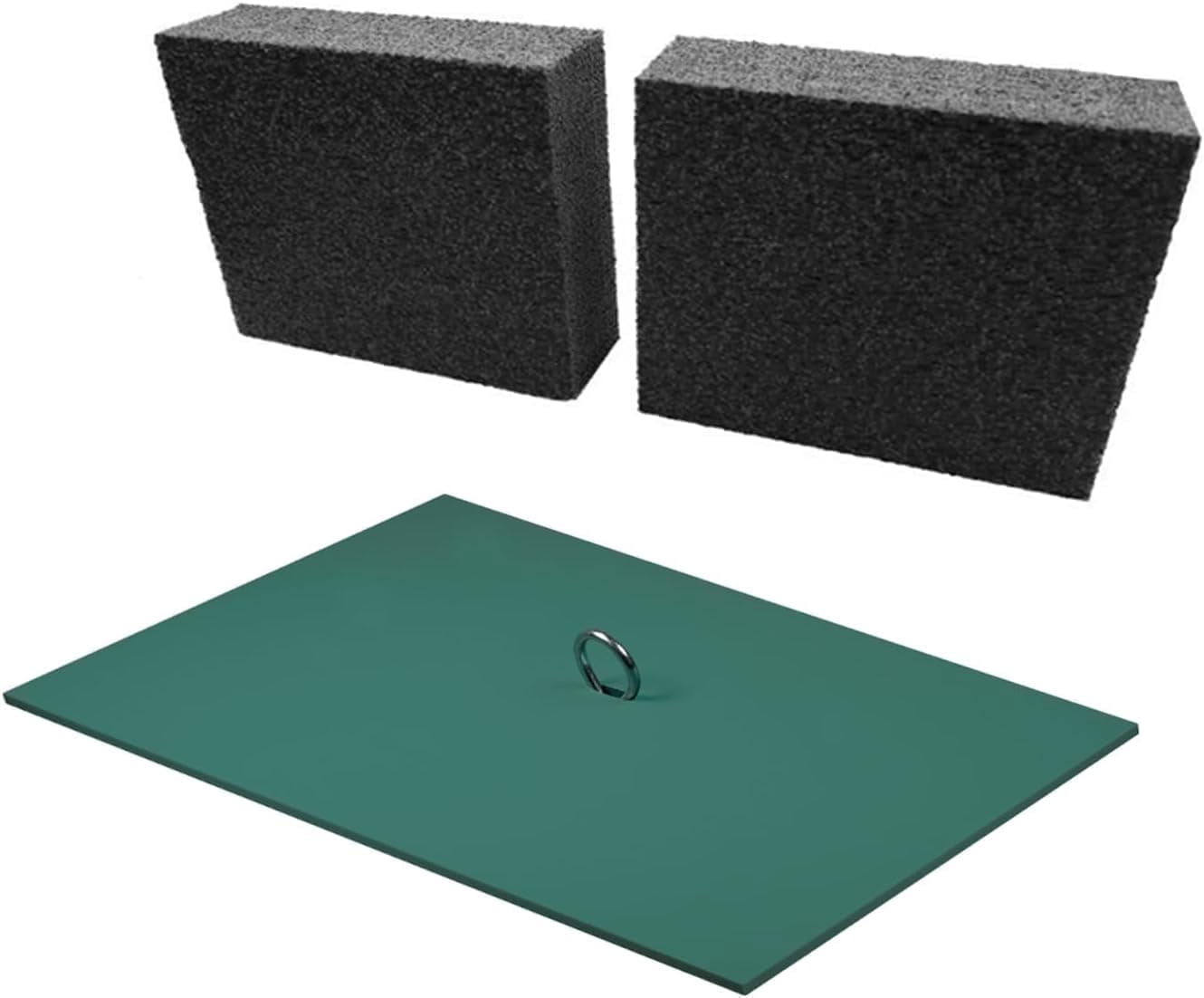
Many homeowners face the challenge of managing moisture and temperature in their crawl spaces. A common, and often frustrating, issue involves the foam blocks used to seal crawl space vents. These seemingly simple devices play a crucial role in preventing drafts and moisture buildup during colder months, but when they fail, they can lead to problems like increased energy bills, mold growth, and even structural damage. This article provides a step-by-step guide to troubleshooting common issues with your crawl space vent foam blocks, empowering you to diagnose and address them effectively.
Identifying the Problem: Signs Your Foam Blocks Are Failing
Before you even start poking around in your crawl space, pay attention to the warning signs that your vent foam blocks aren't doing their job. Early detection is key to preventing larger, more costly issues.
- Drafts: Do you feel a cold draft coming from the floor, especially near exterior walls? This suggests air is leaking through or around the foam blocks.
- High Energy Bills: An unexplained spike in your heating bill, even when you haven't drastically changed your thermostat settings, can indicate that your heating system is working harder to compensate for heat loss through poorly sealed vents.
- Visible Mold or Mildew: Musty odors or visible mold/mildew growth in the crawl space or nearby areas are strong indicators of excessive moisture, which could be caused by inadequate vent sealing.
- Condensation: Check for condensation on pipes, ductwork, or the crawl space walls. This is another sign of high humidity and potential vent sealing issues.
- Damaged Foam Blocks: Physically inspect the foam blocks themselves. Are they cracked, crumbling, or misshapen? Have animals been chewing on them?
Step-by-Step Troubleshooting Guide
Once you suspect a problem, it's time to get your hands dirty (figuratively – wear gloves!). Follow these steps to diagnose and address the issue:
Step 1: Gather Your Supplies
Before heading to the crawl space, gather the necessary tools and materials. This will save you time and prevent unnecessary trips back and forth.
- Gloves: Protect your hands from dirt, spiders, and other creepy crawlies.
- Flashlight or Headlamp: Essential for navigating the dark crawl space.
- Measuring Tape: For measuring vents if replacement foam blocks are needed.
- Utility Knife or Saw: To trim foam blocks if necessary.
- Caulk or Spray Foam (optional): For sealing small gaps around the foam blocks.
- Replacement Foam Blocks (if needed): Purchase the correct size and type.
- Eye Protection: Recommended to protect from debris.
- Kneepads or a Cushion: To make crawling more comfortable.
Step 2: Inspect the Foam Blocks
Carefully examine each foam block in your crawl space. Pay close attention to the following:
- Fit: Is the foam block snugly fitted into the vent opening? Are there any gaps around the edges? A poor fit is the most common problem.
- Material Condition: Is the foam block intact? Look for cracks, crumbling, tears, or signs of animal damage. Even small damage can compromise its effectiveness.
- Type of Foam: Is it the right type of foam for your climate? Some foams are denser and more resistant to moisture than others. If you live in a very damp climate, you may need a higher-density foam.
- Proper Installation: Was the foam block installed correctly in the first place? Sometimes, improper installation can lead to premature failure.
Step 3: Addressing Minor Gaps
If you find small gaps around the foam blocks (less than ¼ inch), you can often seal them using caulk or spray foam. This is a simple and effective DIY fix.
- Clean the Area: Use a brush or cloth to remove any dirt, debris, or old caulk from around the vent opening.
- Apply Caulk or Spray Foam: Carefully apply a bead of caulk or a thin layer of spray foam around the edges of the foam block, filling any gaps. Follow the manufacturer's instructions for application and drying time.
- Smooth the Seal: Use a finger or a damp cloth to smooth the caulk or spray foam, creating a neat and airtight seal.
Step 4: Replacing Damaged Foam Blocks
If the foam blocks are cracked, crumbling, or otherwise damaged, they need to be replaced. This is usually a straightforward process.
- Remove the Old Foam Block: Carefully remove the damaged foam block from the vent opening. You may need to use a utility knife to cut it into smaller pieces for easier removal.
- Measure the Vent Opening: Use a measuring tape to determine the exact dimensions of the vent opening. Accurate measurements are crucial for a proper fit.
- Purchase Replacement Foam Blocks: Buy new foam blocks that match the dimensions of your vent openings. You can find these at most home improvement stores. Consider purchasing higher-density foam if you live in a particularly damp climate.
- Install the New Foam Block: Carefully insert the new foam block into the vent opening, ensuring a snug fit. If necessary, you can use a utility knife or saw to trim the foam block to the correct size.
- Seal Any Gaps (optional): If there are any small gaps around the new foam block, seal them with caulk or spray foam as described in Step 3.
Step 5: Preventing Animal Damage
Animals, especially rodents, sometimes chew on foam blocks, creating holes and compromising their effectiveness. Here's how to prevent this:
- Hardware Cloth: Install hardware cloth (a type of wire mesh) over the vents to prevent animals from accessing the foam blocks. Secure the hardware cloth with screws or nails.
- Deterrents: Consider using animal repellents specifically designed for crawl spaces. These repellents are typically non-toxic and safe for use around pets and children.
- Seal Entry Points: Inspect your foundation for any cracks or openings that animals could use to enter the crawl space. Seal these entry points with caulk, spray foam, or wire mesh.
Step 6: Addressing Persistent Moisture Problems
If you continue to experience moisture problems in your crawl space despite properly sealing the vents, you may need to investigate other potential sources of moisture, such as:
- Leaky Pipes: Check for any leaks in your plumbing system, including water pipes and drain lines.
- Poor Drainage: Ensure that rainwater is properly directed away from your foundation. Check your gutters and downspouts to make sure they are functioning correctly.
- Groundwater Seepage: If you have a high water table, groundwater may be seeping into your crawl space. This can be a more complex issue that may require professional intervention.
When to Call a Professional
While many foam block issues can be resolved with DIY solutions, there are situations where it's best to call a professional. Don't hesitate to seek expert help if you encounter any of the following:
- Extensive Mold Growth: If you find significant mold growth in your crawl space, it's crucial to have it professionally remediated. Mold can pose serious health risks, and proper removal requires specialized equipment and techniques.
- Structural Damage: If you notice any signs of structural damage to your foundation, such as cracks, bowing walls, or sagging floors, consult with a structural engineer or foundation repair specialist.
- Persistent Moisture Problems: If you've addressed the vent sealing and other obvious sources of moisture, but the crawl space remains damp, you may have an underlying issue that requires professional diagnosis and treatment. This could involve groundwater seepage, poor drainage, or other complex problems.
- You Are Uncomfortable or Unable to Access the Crawl Space: Crawl spaces can be cramped, dirty, and potentially hazardous environments. If you are uncomfortable working in a crawl space, or if you have any physical limitations that make it difficult, it's best to hire a professional.
- Unsure About the Problem: If you've followed the troubleshooting steps and are still unsure about the cause of the problem, or how to fix it, don't hesitate to call a professional for an inspection and assessment.
Preventative Maintenance
The best way to avoid problems with your crawl space vent foam blocks is to perform regular preventative maintenance. This includes:
- Annual Inspection: Inspect the foam blocks at least once a year, preferably in the fall before the onset of cold weather. Check for damage, gaps, and proper fit.
- Seal Small Gaps Promptly: Address any small gaps or cracks as soon as you notice them. This will prevent them from becoming larger problems.
- Replace Worn or Damaged Blocks: Replace any foam blocks that are showing signs of wear or damage.
- Maintain Proper Drainage: Ensure that your gutters and downspouts are clean and functioning correctly, and that rainwater is directed away from your foundation.
- Control Vegetation: Keep bushes and other vegetation trimmed back from your foundation to allow for proper ventilation and prevent moisture buildup.
By following these troubleshooting steps and implementing preventative maintenance measures, you can keep your crawl space vents properly sealed, prevent moisture problems, and protect your home from damage. Remember, a little proactive effort can save you a lot of time, money, and headaches in the long run.