Foam Insulation For Concrete Block Walls
Foam Insulation for Concrete Block Walls: A Comprehensive Guide to Energy Savings
Concrete block walls, while structurally sound, can be notorious culprits for energy loss. Their porous nature and lack of inherent insulation mean that homes and businesses with concrete block construction often struggle with high heating and cooling bills. The good news? Installing foam insulation can dramatically improve energy efficiency, comfort, and even indoor air quality. This article delves into the world of foam insulation for concrete block walls, exploring types, benefits, installation, and cost considerations.
Understanding the Energy Efficiency Challenge with Concrete Block
Concrete blocks, or CMUs (Concrete Masonry Units), have a relatively low R-value compared to framed walls with traditional insulation. The R-value is a measure of thermal resistance; the higher the R-value, the better the insulation. Uninsulated concrete block walls can allow significant heat transfer in both directions: heat escaping in the winter and entering in the summer. This leads to increased energy consumption to maintain a comfortable indoor temperature.
According to the U.S. Department of Energy (DOE), properly insulating concrete block walls is crucial for energy efficiency, especially in climates with extreme temperatures. Failure to do so can result in energy bills that are significantly higher than necessary.
Types of Foam Insulation for Concrete Block Walls
Several types of foam insulation are suitable for concrete block walls, each with its own advantages and disadvantages:
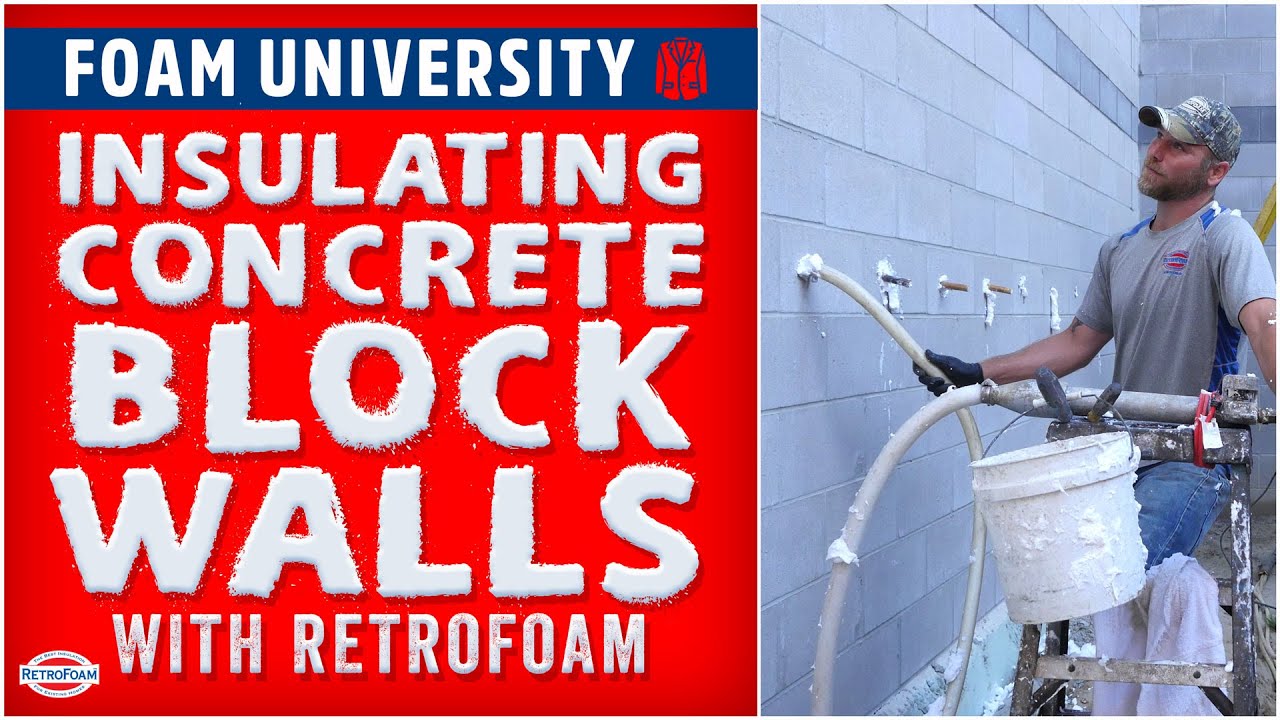
Spray Foam Insulation
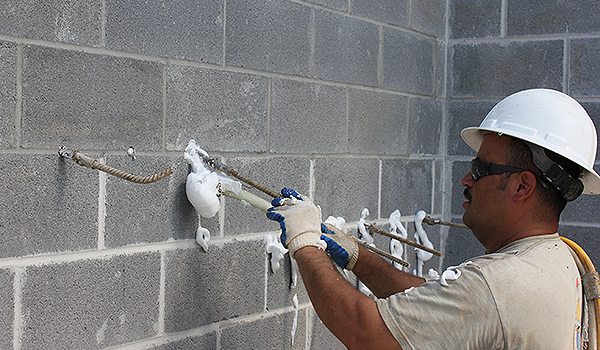
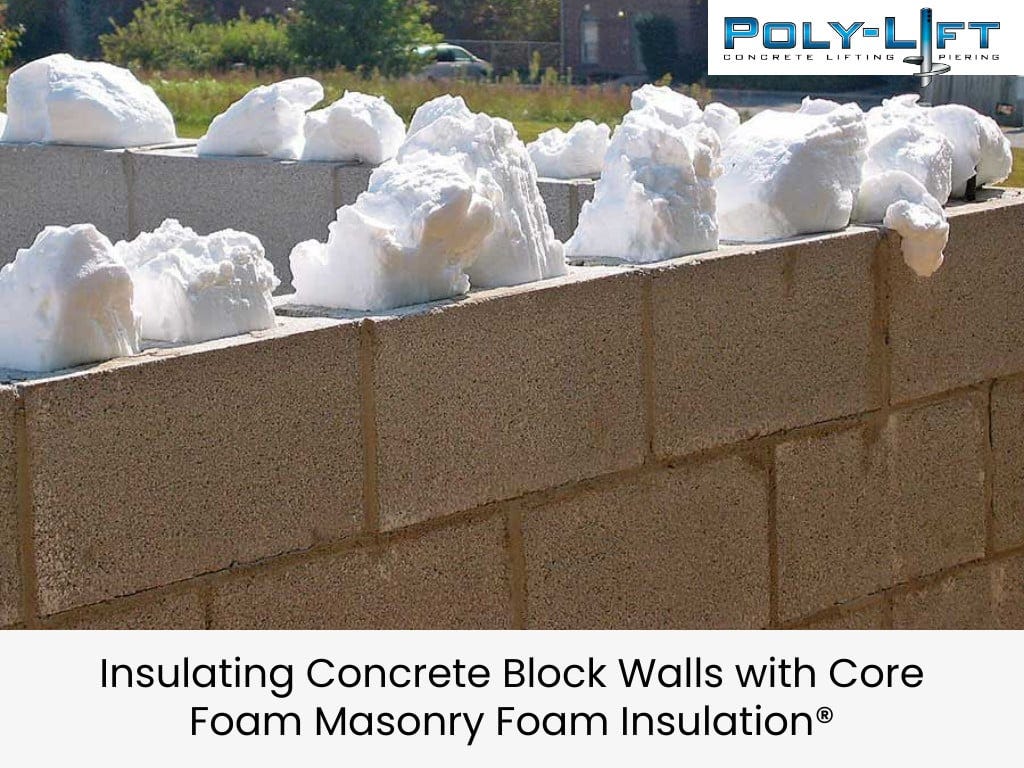
Spray foam insulation is a popular choice due to its excellent air-sealing capabilities. It expands to fill cracks and crevices, creating a tight barrier against air infiltration. There are two main types of spray foam:
- Closed-Cell Spray Foam: This type has a higher R-value per inch (around R-6 to R-7) and is moisture-resistant. It's ideal for exterior walls and areas prone to moisture. Closed-cell foam also adds structural integrity to the wall.
- Open-Cell Spray Foam: Open-cell foam has a lower R-value (around R-3.5 to R-4.5 per inch) but is more affordable. It's best suited for interior walls and areas where moisture is not a major concern.
Benefits of Spray Foam:
- Superior air sealing
- High R-value per inch (especially closed-cell)
- Can add structural support (closed-cell)
- Reduces moisture and mold growth
Considerations for Spray Foam:
- Higher upfront cost compared to other insulation types
- Requires professional installation
- Off-gassing potential (ensure proper ventilation after installation)
Rigid Foam Board Insulation
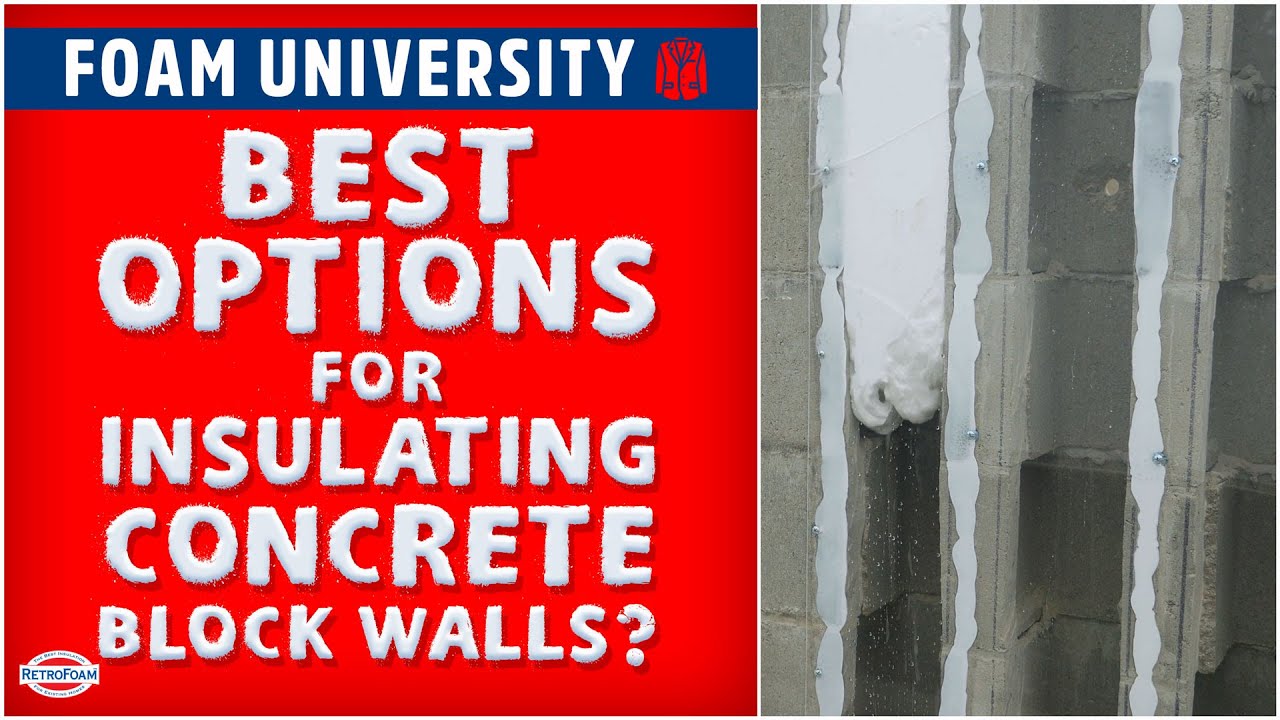
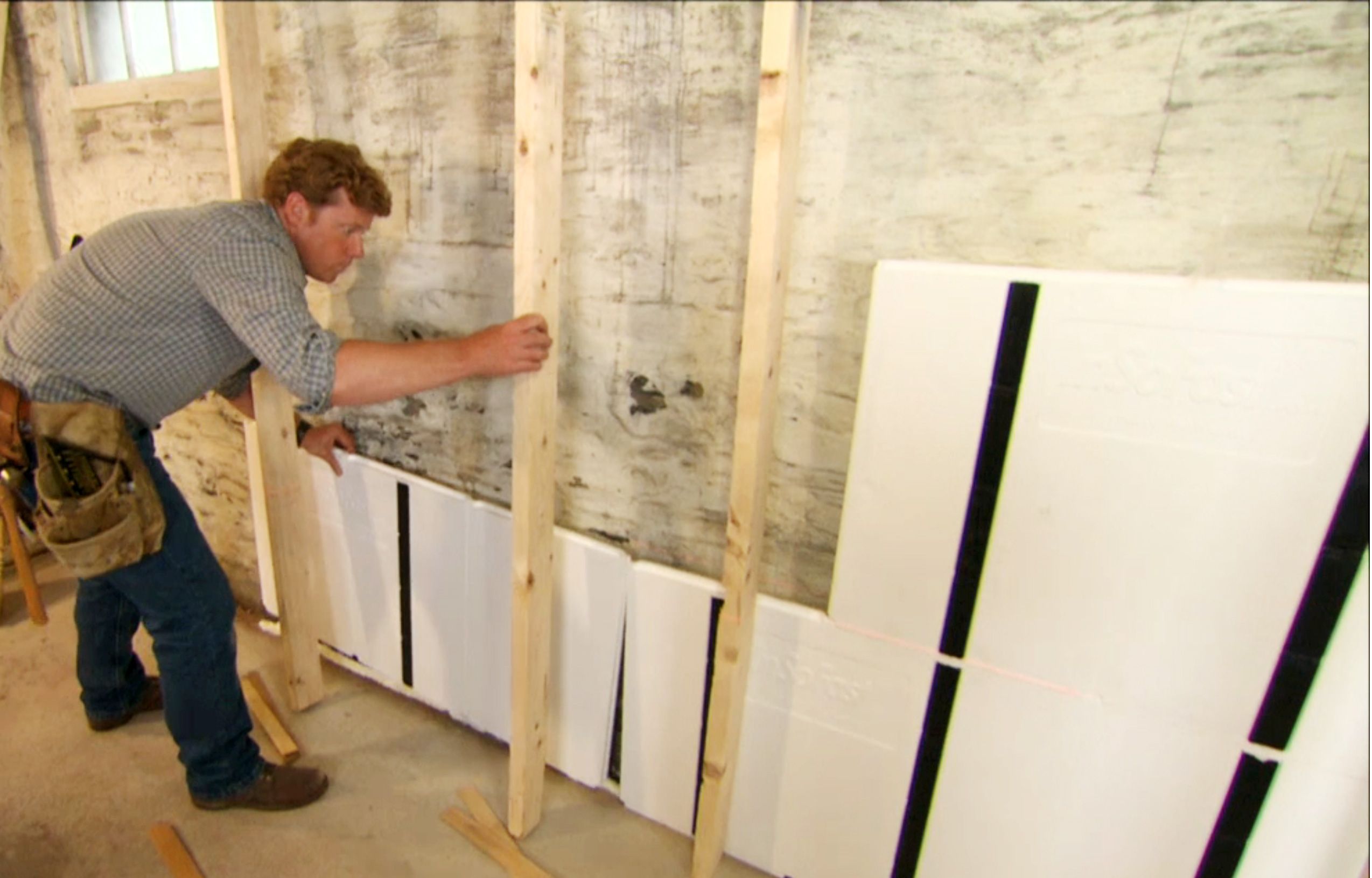
Rigid foam boards, such as expanded polystyrene (EPS), extruded polystyrene (XPS), and polyisocyanurate (polyiso), are another viable option for insulating concrete block walls. These boards are typically attached to the interior or exterior of the wall.
- EPS (Expanded Polystyrene): EPS is the most economical option, offering an R-value of around R-4 per inch.
- XPS (Extruded Polystyrene): XPS has a higher R-value than EPS (around R-5 per inch) and is more water-resistant.
- Polyiso (Polyisocyanurate): Polyiso boasts the highest R-value of the rigid foam boards (around R-6.5 to R-7 per inch) and is fire-resistant.
Benefits of Rigid Foam Boards:
- Relatively easy to install (especially for DIYers)
- Good R-value (especially polyiso)
- Resistant to moisture and pests
Considerations for Rigid Foam Boards:
- Requires careful sealing of seams and edges to prevent air leaks
- Can be bulky and take up space
- May require additional finishing (e.g., drywall)
Foam Insulation Blocks
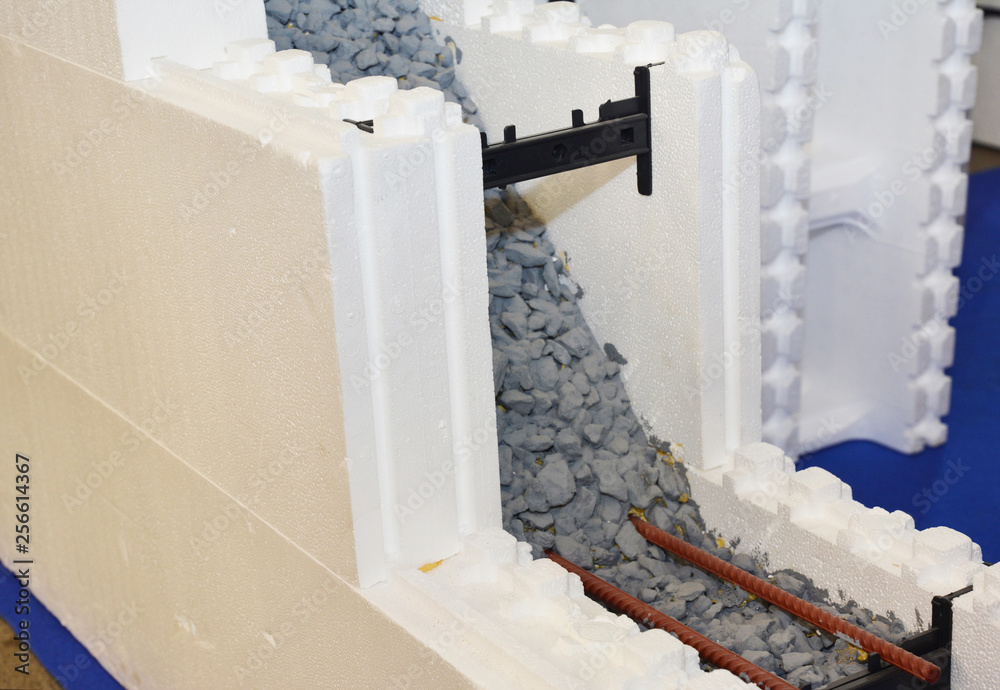
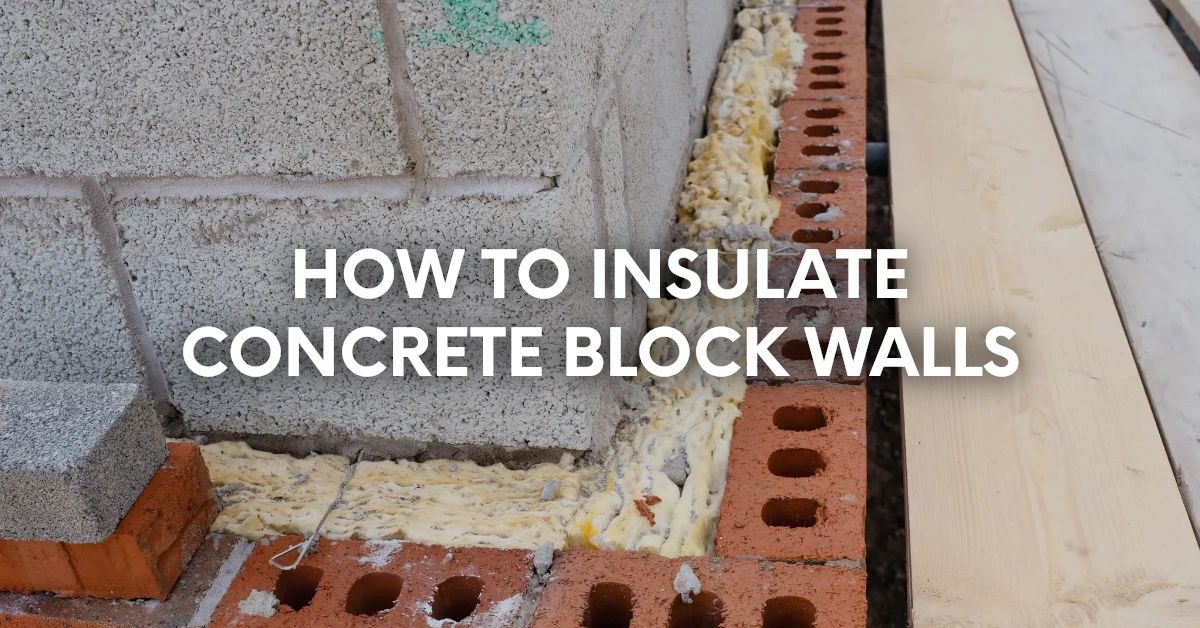
Foam insulation blocks are pre-formed blocks made of expanded polystyrene (EPS) or other foam materials, designed to interlock and create a continuous layer of insulation. They are often used in new construction but can also be retrofitted to existing walls.
Benefits of Foam Insulation Blocks:
- Easy to install and create a continuous insulation layer
- Good R-value
- Can be used in new construction or retrofit projects
Considerations for Foam Insulation Blocks:
- Can be more expensive than other insulation options
- May require specialized tools and techniques for installation
Installation Methods for Foam Insulation
The installation method for foam insulation depends on the type of foam and the location of the wall (interior or exterior).
Interior Insulation
Interior insulation is often the most practical option for existing homes. Spray foam can be applied directly to the interior surface of the concrete block wall. Rigid foam boards can be attached using adhesives or mechanical fasteners. A finished wall (e.g., drywall) is typically installed over the insulation.
Exterior Insulation
Exterior insulation offers several advantages, including preventing thermal bridging and protecting the concrete block from the elements. Rigid foam boards are typically used for exterior insulation, attached to the wall and then covered with siding or stucco.
ROI, Energy Savings, and Rebates
Investing in foam insulation for concrete block walls offers a significant return on investment (ROI) through reduced energy consumption and lower utility bills. The exact savings will vary depending on factors such as climate, insulation type, and energy prices. However, homeowners can typically expect to see a 10-30% reduction in heating and cooling costs after properly insulating their concrete block walls.
Many utility companies and government agencies offer rebates and incentives for energy-efficient upgrades, including foam insulation. Check with your local utility company and the DSIRE (Database of State Incentives for Renewables & Efficiency) website to find available rebates in your area. Taking advantage of these programs can significantly reduce the upfront cost of insulation.
Smart HVAC Integration
Foam insulation works exceptionally well with smart HVAC systems. A properly insulated home requires less energy to heat and cool, allowing smart thermostats to operate more efficiently. Smart thermostats can learn your heating and cooling preferences and adjust the temperature automatically, further reducing energy consumption. Pairing foam insulation with smart sensors that monitor temperature and humidity levels throughout the house can optimize HVAC performance and ensure consistent comfort.
Cost Considerations
The cost of foam insulation for concrete block walls varies depending on the type of foam, the size of the area to be insulated, and the installation method. Spray foam is generally more expensive than rigid foam boards. Professional installation will also add to the overall cost. However, it’s important to consider the long-term energy savings and potential rebates when evaluating the cost-effectiveness of different insulation options.
Here's a general cost estimate:
- Spray Foam: $1.00 - $4.00 per square foot
- Rigid Foam Boards: $0.50 - $2.00 per square foot
These are just estimates, and actual costs may vary. It's always a good idea to get multiple quotes from qualified contractors before making a decision.
DIY vs. Professional Installation
While installing rigid foam boards can be a DIY project for experienced homeowners, spray foam insulation typically requires professional installation. Improper installation of spray foam can lead to problems such as inadequate insulation, off-gassing issues, and structural damage. Hiring a qualified contractor ensures that the insulation is installed correctly and safely, maximizing its energy-saving benefits.
Finding a Qualified Contractor
When hiring a contractor to install foam insulation, it's essential to choose a reputable and experienced professional. Look for contractors who are licensed, insured, and certified by industry organizations such as the Spray Polyurethane Foam Alliance (SPFA). Check online reviews and ask for references to ensure that the contractor has a proven track record of quality workmanship.
Conclusion
Foam insulation is a highly effective solution for improving the energy efficiency of concrete block walls. By choosing the right type of foam and ensuring proper installation, homeowners and businesses can significantly reduce their energy bills, enhance comfort, and create a more sustainable living or working environment. Combining foam insulation with smart HVAC technologies further amplifies these benefits, leading to a more efficient and comfortable home or business.