Forced Air Furnace Diagram

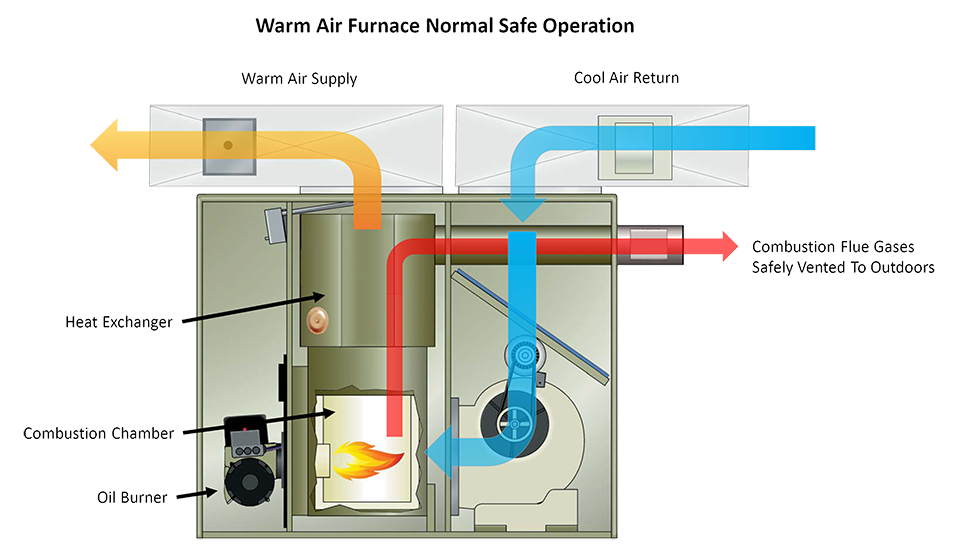
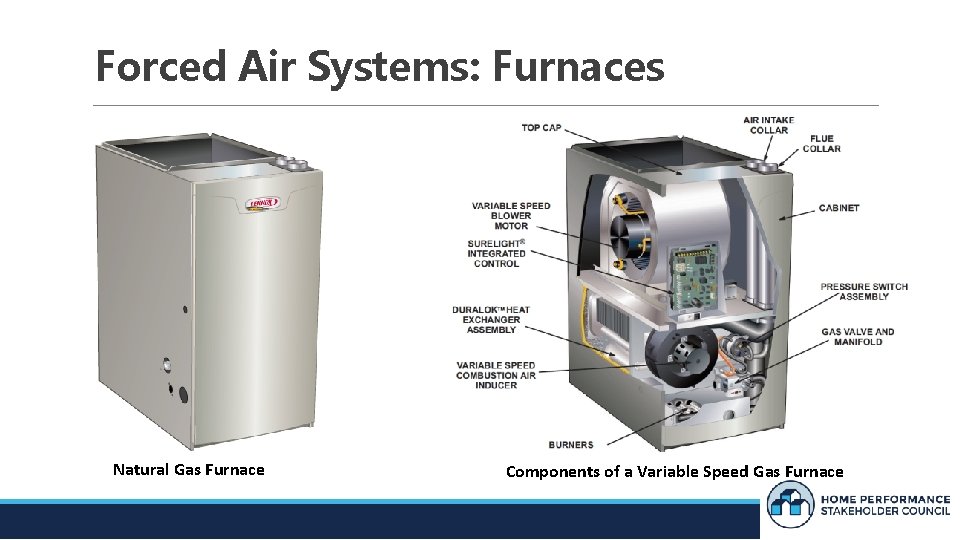
Imagine this: It's a freezing winter evening, and your forced air furnace suddenly stops working. The house starts getting colder, and panic sets in. Before calling a repair technician, let's walk through some basic troubleshooting steps you can safely perform yourself. This guide uses a simplified forced air furnace diagram to help you understand the components we'll be discussing.
Understanding Your Forced Air Furnace (Simplified Diagram)
A forced air furnace works by heating air and then distributing it throughout your home via ductwork. Here's a simplified breakdown of the key components:
- Thermostat: Your control center, telling the furnace when to turn on and off.
- Gas Valve: Controls the flow of natural gas or propane to the burner. (Never tamper with this directly without proper training.)
- Burner: Where the gas is ignited, creating heat.
- Heat Exchanger: A metal structure that heats up from the burner's flame without mixing the combustion gases with the air circulating in your home.
- Blower Motor: A fan that pushes air across the heat exchanger, warming it up.
- Ductwork: The network of pipes that distributes the heated air to vents in your home.
- Flue/Vent Pipe: Carries exhaust gases safely outside your home.
- Air Filter: Cleans the air before it enters the furnace.
- Control Board: The “brain” of the furnace, managing the various components.
- Flame Sensor: Detects the presence of a flame and allows the gas valve to stay open.
- Limit Switch: A safety device that shuts down the furnace if it gets too hot.
Step-by-Step Troubleshooting Guide
Follow these steps in order. Safety first! Before you begin, turn off the power to the furnace at the breaker box. This is crucial to prevent electric shock. Locate the breaker labeled "Furnace" or "HVAC" and switch it to the OFF position.
1. Check the Thermostat
The simplest problems are often overlooked. Make sure your thermostat is:
- Set to HEAT: Seems obvious, but double-check.
- Set to a temperature higher than the current room temperature: If the thermostat is set lower than the room temperature, the furnace won't turn on.
- Powered on and functioning correctly: Check the batteries (if applicable). A low battery can cause erratic behavior. Try replacing them with fresh ones.
- Programmed correctly: Is it set to "hold" or "run"? Is it programmed for a lower temperature at night or during the day when you're away?
If the thermostat screen is blank, even after replacing the batteries, there may be a wiring issue or a faulty thermostat. This might require professional attention.
2. Check the Power Supply
After verifying the thermostat, ensure the furnace is receiving power:
- Breaker Box: Go back to your breaker box and ensure the furnace breaker is in the ON position. If it's tripped (in the middle or OFF position), flip it fully to the OFF position, wait a few seconds, and then flip it back to ON. If it trips again immediately, do not keep resetting it. This indicates a short circuit, and you need to call an electrician.
- Furnace Switch: Some furnaces have a separate on/off switch located on or near the unit. Make sure it's in the ON position. It often looks like a standard light switch.
3. Check the Air Filter
A clogged air filter is one of the most common causes of furnace problems. It restricts airflow, causing the furnace to overheat and shut down. It can also damage other components.
- Locate the Air Filter: It's usually located in a slot near the furnace or in the return air duct.
- Inspect the Filter: If it's dirty, dusty, or clogged, replace it with a new filter of the correct size. The size is usually printed on the filter frame.
- Replace Regularly: Aim to replace your air filter every 1-3 months, depending on how often you use your furnace and the air quality in your home.
4. Check the Furnace's Safety Features
Furnaces have safety features designed to shut them down if something goes wrong. The most common is the limit switch.
- Locate the Limit Switch: It's usually a small, rectangular box mounted on the furnace near the blower motor or heat exchanger.
- Resetting the Limit Switch (If Applicable): Some limit switches have a reset button. If yours does, try pressing it. Only do this after you've addressed the cause of the overheat, like a clogged air filter. Resetting the switch without fixing the underlying problem will only cause it to trip again.
- Checking for Blocked Vents or Registers: Ensure that none of the vents in your home are blocked by furniture, rugs, or other objects. This can restrict airflow and cause the furnace to overheat.
Important: If the limit switch trips repeatedly, there's a serious problem that needs professional attention. Do not bypass or disable the limit switch, as this could create a fire hazard.
5. Inspect the Blower Motor
The blower motor circulates air through the furnace. If it's not working, the furnace won't heat your home effectively.
- Listen for the Blower Motor: When the furnace is supposed to be running, listen closely for the blower motor. If you don't hear anything, it could be faulty.
- Check the Blower Motor Capacitor: The capacitor helps start the blower motor. A failing capacitor can prevent the motor from starting. This involves working with electricity and should only be attempted if you are comfortable and knowledgeable about electrical circuits. Otherwise, call a professional. The capacitor is a cylindrical component, usually located near the blower motor. It may have a bulge or leak if it's bad. Replacing the capacitor is a relatively simple repair, but requires disconnecting and reconnecting wires correctly. Always discharge the capacitor before handling it to avoid electric shock.
Warning: Working with electrical components can be dangerous. If you're not comfortable, call a qualified HVAC technician.
6. Listen for Unusual Noises
Pay attention to any unusual noises coming from the furnace. These can be clues to specific problems:
- Banging or Popping: Could indicate ductwork issues or problems with the heat exchanger.
- Squealing: Could indicate a worn-out blower motor belt (if your furnace has one) or a problem with the blower motor bearings.
- Rattling: Could indicate loose components or debris in the blower motor.
Document any unusual noises and be prepared to describe them to the technician if you need to call for professional help.
7. Check the Flame Sensor (Pilot Light Area)
If your furnace uses a flame sensor (some older models use a pilot light instead), it's crucial for safe operation. The flame sensor detects the presence of a flame. If it doesn't detect a flame, it shuts off the gas supply to prevent gas buildup.
- Locate the Flame Sensor: It's a small, thin metal rod located near the burner.
- Inspect the Flame Sensor: It can become dirty and coated with carbon deposits, preventing it from working properly.
- Cleaning the Flame Sensor (with caution): Turn off the gas supply to the furnace before attempting this. Carefully remove the flame sensor. Use a piece of fine-grit sandpaper or steel wool to gently clean the metal rod. Be careful not to damage it. Reinstall the flame sensor and turn the gas supply back on.
Important: If your furnace has a pilot light that keeps going out, there may be a problem with the gas valve or the thermocouple. This requires professional attention.
8. Check the Gas Valve (Professionals Only!)
The gas valve controls the flow of gas to the burner. This is a critical component, and tampering with it can be extremely dangerous. Do not attempt to repair or adjust the gas valve yourself unless you are a qualified HVAC technician.
Signs of a potential gas valve problem include:
- The furnace fails to ignite.
- The furnace ignites but then shuts off immediately.
- You smell gas near the furnace (if you smell gas, immediately leave the area and call your gas company or 911).
When to Call a Professional
While many simple furnace problems can be fixed with basic troubleshooting, some issues require the expertise of a qualified HVAC technician. Call a professional if:
- You smell gas.
- The furnace is making loud or unusual noises that you can't identify.
- The furnace is tripping the breaker repeatedly.
- You suspect a problem with the gas valve, heat exchanger, or other major components.
- You're not comfortable working with electricity or gas.
- You've tried the troubleshooting steps above and the furnace still isn't working.
Remember, your safety and the safety of your home are paramount. When in doubt, call a professional.
Preventative Maintenance
The best way to avoid furnace problems is to perform regular preventative maintenance. This includes:
- Replacing the air filter regularly.
- Having your furnace inspected and cleaned annually by a qualified HVAC technician.
- Keeping the area around the furnace clear of obstructions.
- Checking the flue pipe for any signs of damage or blockage.
By following these tips, you can keep your forced air furnace running smoothly and efficiently for years to come, ensuring a warm and comfortable home throughout the winter.