Forced Air Gas Fireplace
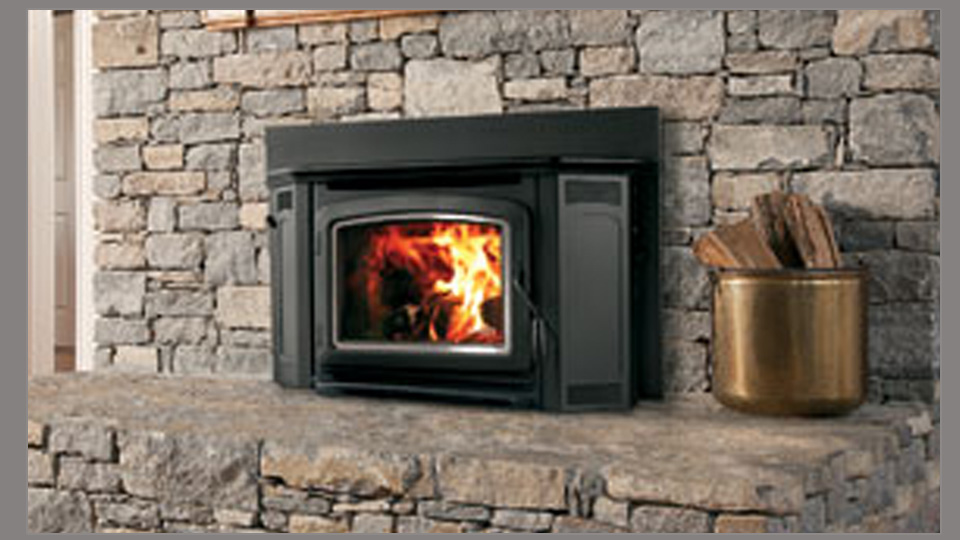
One of the most frustrating issues homeowners experience with their forced-air gas fireplace is inconsistent heating: the unit runs, but either doesn't produce enough heat, cycles on and off too frequently, or only heats certain areas of the room effectively. This can leave you shivering even when the fireplace is supposedly working. Before calling in a costly repair, let's walk through some troubleshooting steps you can take yourself.
Initial Assessment: Is it Really a Fireplace Problem?
Before diving into the fireplace itself, ensure the issue truly originates there. Consider these external factors:
- Check Thermostat Settings: Is the thermostat set appropriately for the desired room temperature? A thermostat set too low, or a malfunctioning thermostat, can prevent the fireplace from reaching its full heating potential. Try increasing the setpoint by a few degrees to see if the fireplace responds accordingly. If you have a smart thermostat, ensure it's communicating correctly with the fireplace system.
- Inspect Air Vents and Registers: Are all air vents and registers in the room open and unobstructed? Closed or blocked vents restrict airflow, hindering the fireplace's ability to distribute heat effectively. Ensure furniture, rugs, or other objects aren't blocking the vents.
- Assess Room Insulation: Is the room adequately insulated? Poor insulation allows heat to escape quickly, making it difficult for the fireplace to maintain a comfortable temperature. Check for drafts around windows and doors. Consider adding weather stripping or caulking to seal any gaps.
If these external factors are ruled out, it's time to investigate the fireplace itself.
Troubleshooting Steps: A Methodical Approach
We'll follow a step-by-step approach, starting with simple checks that require no tools and progressing to slightly more involved diagnostics. Safety is paramount. Always turn off the gas supply to the fireplace before performing any maintenance or inspection beyond visual checks. If you smell gas at any point, evacuate the area and call your gas company or a qualified HVAC technician immediately.
Step 1: Visual Inspection (No Tools Required)
This step involves carefully examining the fireplace components for obvious signs of damage or malfunction. Here's what to look for:
- Pilot Light Status: Is the pilot light lit? A pilot light that's out is a common cause of fireplace failure. If it's out, relight it following the manufacturer's instructions (usually located on a sticker near the pilot light assembly). If it repeatedly goes out, there may be an underlying issue with the gas supply or the thermocouple (more on that later).
- Burner Flame Appearance: Is the burner flame blue and steady? A healthy burner flame should be blue with minimal yellow or orange flickering. A yellow or orange flame indicates incomplete combustion, which can be caused by a dirty burner or insufficient air supply. Look for soot buildup around the burner.
- Ventilation System Obstructions: Is the venting system clear of obstructions? Inspect the vent termination point outside your home for any blockages, such as bird nests, leaves, or snow. A blocked vent can prevent proper exhaust and cause the fireplace to malfunction.
- Physical Damage: Are there any visible signs of damage to the fireplace components? Check for cracked glass, broken burner components, or damaged wiring. Any physical damage should be addressed by a qualified technician.
Step 2: Cleaning and Basic Maintenance (Minimal Tools Required)
If the visual inspection doesn't reveal any obvious problems, performing some basic cleaning and maintenance can often resolve common issues. Remember to turn off the gas supply before proceeding.
- Clean the Burner: Use a soft brush or vacuum cleaner with a brush attachment to remove dust and debris from the burner. Be gentle to avoid damaging the burner ports. A clean burner ensures proper gas flow and combustion.
- Clean the Air Inlet: Locate the air inlet on the fireplace (usually near the bottom) and clean it with a brush or vacuum. A blocked air inlet restricts airflow, leading to incomplete combustion and reduced heating efficiency.
- Inspect and Clean the Glass: If the fireplace has glass doors, clean them with a fireplace glass cleaner. Dirty glass can reduce heat radiation into the room.
Tools Required: Soft brush, vacuum cleaner with brush attachment, fireplace glass cleaner (optional).
Step 3: Checking the Thermocouple/Thermopile (Basic Tools Required)
The thermocouple or thermopile is a safety device that senses the pilot light flame. If the pilot light goes out, the thermocouple/thermopile shuts off the gas supply to prevent a gas leak. A malfunctioning thermocouple/thermopile can cause the pilot light to extinguish repeatedly or prevent the main burner from igniting. This is a slightly more technical step that requires a multimeter.
- Locate the Thermocouple/Thermopile: It's usually a small, copper rod located near the pilot light.
- Test with a Multimeter: Set your multimeter to millivolts (mV). Disconnect the thermocouple/thermopile from the gas valve (follow manufacturer's instructions - be careful not to damage the connection). Place the multimeter probes on the terminals of the thermocouple/thermopile. Light the pilot light and hold it down. The multimeter should read a minimum voltage (typically 20-30 mV for a thermocouple and 350-750 mV for a thermopile - consult your fireplace's manual for specific values). If the voltage is below the minimum, the thermocouple/thermopile is likely faulty and needs replacement.
Tools Required: Multimeter, screwdriver (possibly).
Important Note: Replacing a thermocouple/thermopile is a relatively straightforward DIY task, but it involves working with gas. If you're not comfortable with this, it's best to call a qualified technician.
Step 4: Inspecting the Blower Fan (Basic Tools Required)
Many forced-air gas fireplaces have a blower fan that helps circulate warm air into the room. A malfunctioning blower fan can significantly reduce heating efficiency. If your fireplace has a blower, check the following:
- Listen for Unusual Noises: Does the blower fan make any unusual noises, such as squealing or grinding? These noises can indicate a worn-out motor or damaged bearings.
- Check for Obstructions: Is the blower fan blade free of obstructions? Debris can accumulate around the fan blade, preventing it from spinning freely.
- Inspect the Wiring: Check the wiring connections to the blower fan motor for any loose or damaged wires.
Tools Required: Screwdriver, possibly a wire stripper/crimper if wiring repairs are needed.
Important Note: Disconnect the power to the fireplace before inspecting or working on the blower fan. Replacing a blower fan motor is usually a relatively simple DIY task, but ensure you purchase the correct replacement motor for your fireplace model.
When to Call a Professional
While many fireplace problems can be resolved with basic troubleshooting and maintenance, certain issues require the expertise of a qualified HVAC technician. Here are some situations where you should seek professional help:
- Gas Leaks: If you smell gas at any time, evacuate the area and call your gas company or a qualified HVAC technician immediately. Gas leaks are extremely dangerous and should never be handled by an untrained individual.
- Complex Gas Valve Issues: If you suspect a problem with the gas valve, do not attempt to repair it yourself. Gas valve repairs require specialized knowledge and tools.
- Ignition Problems: If you've tried relighting the pilot light multiple times and it still won't stay lit, or if the main burner won't ignite, there may be an underlying issue with the gas supply or ignition system that requires professional attention.
- Control Board Malfunctions: If your fireplace has an electronic control board and you suspect it's malfunctioning, do not attempt to repair it yourself. Control board repairs require specialized knowledge and tools.
- Cracked Heat Exchanger: A cracked heat exchanger is a serious safety hazard that can release carbon monoxide into your home. If you suspect a cracked heat exchanger, turn off the fireplace immediately and call a qualified HVAC technician.
- You're Uncomfortable or Unsure: If you're not comfortable performing any of these troubleshooting steps, or if you're unsure about anything, it's always best to err on the side of caution and call a professional.
Preventative Maintenance
The best way to avoid fireplace problems is to perform regular preventative maintenance. Here are some tips:
- Annual Inspection and Cleaning: Have your fireplace inspected and cleaned annually by a qualified HVAC technician. This will help identify and address potential problems before they become major issues.
- Regular Cleaning: Clean the burner, air inlet, and glass doors regularly to maintain optimal performance.
- Check Ventilation: Inspect the ventilation system regularly for obstructions.
- Follow Manufacturer's Recommendations: Follow the manufacturer's recommendations for maintenance and operation.
By following these troubleshooting steps and performing regular maintenance, you can keep your forced-air gas fireplace running safely and efficiently for years to come. Remember, your safety is the top priority. If you're ever unsure about anything, don't hesitate to call a qualified HVAC technician.