Free Online Hvac Courses With Certificates
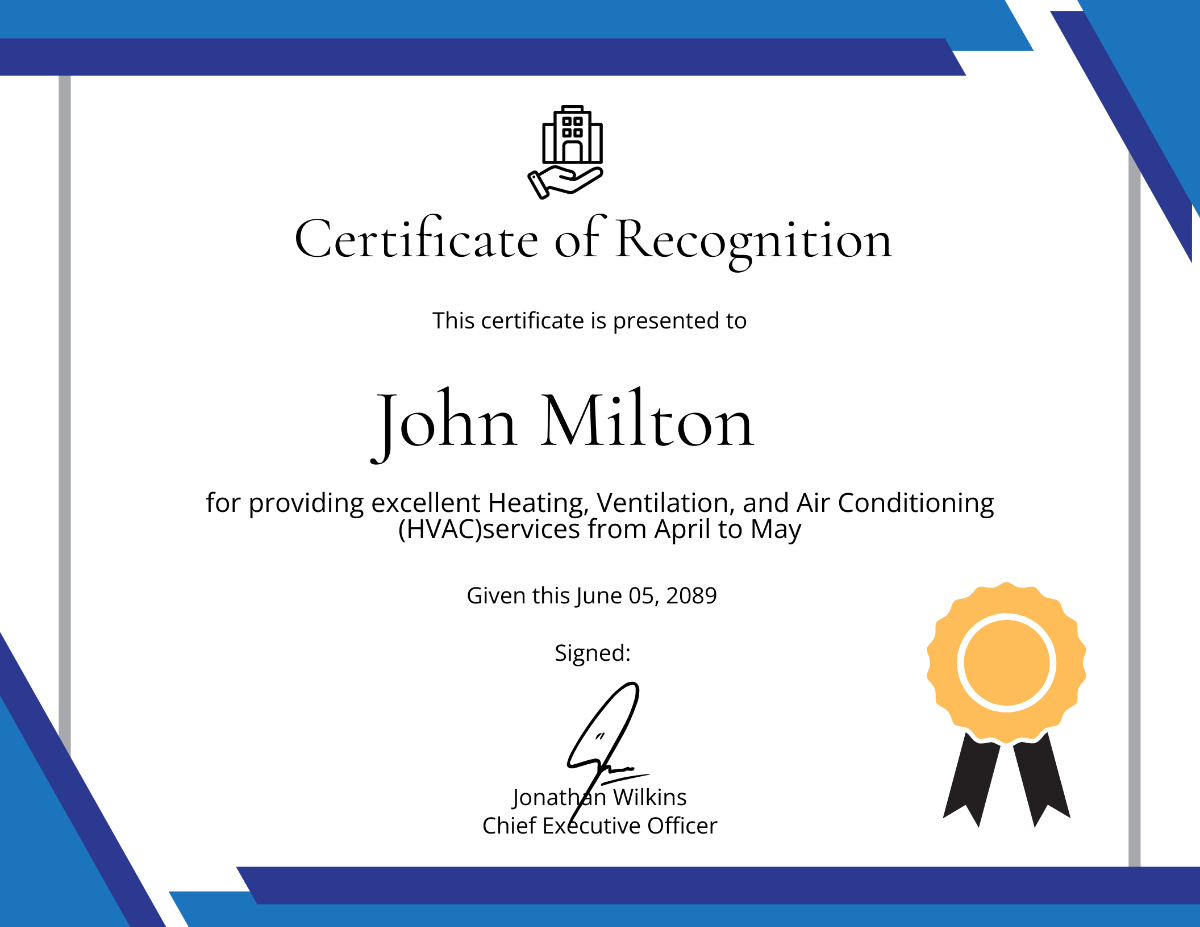
The world of Heating, Ventilation, and Air Conditioning (HVAC) is constantly evolving. New technologies, regulations, and best practices emerge regularly, making continuous learning crucial for homeowners, seasoned technicians, and property managers alike. While comprehensive HVAC training often involves formal schooling and apprenticeships, numerous free online resources offer valuable knowledge and, in some cases, even certificates to demonstrate acquired skills.
Understanding the Value of HVAC Knowledge
Before diving into the specifics of free online courses, let's understand why expanding your HVAC knowledge is beneficial for different audiences:
- Homeowners: A basic understanding of HVAC systems empowers you to make informed decisions about maintenance, repairs, and upgrades. You can troubleshoot minor issues, communicate effectively with technicians, and potentially save money on energy bills by optimizing system settings. Knowing the difference between a SEER 14 and a SEER 20 air conditioner, for example, can significantly impact your long-term cooling costs.
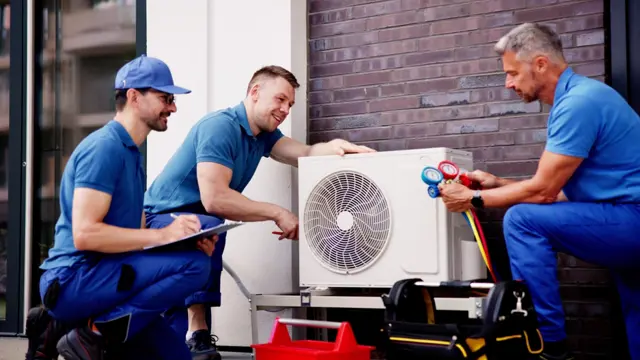
- HVAC Technicians: Continuing education is vital for staying current with industry advancements. Free online courses can supplement formal training, allowing technicians to specialize in specific areas like ductless mini-split systems, smart thermostats, or energy efficiency audits. These courses can also prepare technicians for advanced certifications.
- Property Managers: Managing HVAC systems in large buildings requires a broad understanding of various equipment types, maintenance schedules, and energy management strategies. Free online resources can help property managers optimize system performance, reduce operating costs, and ensure tenant comfort. Understanding preventative maintenance schedules and the common causes of HVAC failure can minimize downtime and costly emergency repairs.
Exploring Free Online HVAC Courses
While a fully accredited HVAC certification typically requires hands-on training, several reputable platforms offer free online courses covering various aspects of HVAC. These courses often provide a solid foundation in HVAC principles and can be a stepping stone to more advanced studies. However, it's crucial to carefully evaluate the course content and the credibility of the provider. Look for courses that are aligned with industry standards and taught by experienced professionals.
Key Topics Covered in Free Courses
Free online HVAC courses often cover the following essential topics:
- HVAC Fundamentals: These courses introduce basic concepts like heat transfer, refrigeration cycles, psychometrics (the study of air properties), and system components. You'll learn about different types of HVAC systems, including furnaces, air conditioners, heat pumps, and ventilation systems.
- Refrigeration Principles: Understanding the refrigeration cycle is crucial for anyone working with or managing air conditioning and refrigeration equipment. These courses explain the roles of the compressor, condenser, evaporator, and expansion valve in the cooling process. They may also touch upon different types of refrigerants and their environmental impact.
- Electrical Fundamentals for HVAC: HVAC systems rely heavily on electrical components. Courses in this area cover basic electrical principles, wiring diagrams, and troubleshooting electrical issues in HVAC equipment. Understanding voltage, amperage, and resistance is critical for safe and effective HVAC maintenance and repair.
- HVAC System Components: Courses might focus on specific components, such as compressors, motors, fans, coils, and controls. You'll learn about their function, maintenance requirements, and common failure modes.
- HVAC System Design and Installation: While a full system design course is unlikely to be free, some introductory courses provide an overview of the factors involved in designing and installing HVAC systems, including load calculations, ductwork sizing, and equipment selection.
- Energy Efficiency and HVAC: With growing concerns about energy consumption and environmental impact, courses on energy-efficient HVAC technologies and practices are becoming increasingly popular. These courses may cover topics such as SEER ratings, HSPF ratings, variable speed compressors, and building automation systems.
- Troubleshooting and Maintenance: Many free courses provide guidance on troubleshooting common HVAC problems, such as refrigerant leaks, compressor failures, and airflow restrictions. You'll also learn about preventative maintenance procedures to extend the lifespan of your HVAC equipment.
Platforms Offering Free HVAC Courses (with Potential Certificates)
Here are some platforms that frequently offer free HVAC-related courses. Keep in mind that course availability and certification options can change, so it's always best to check directly with the provider:
- Skillshare: While Skillshare operates on a subscription model, they often offer free trials that allow access to numerous HVAC courses. These courses may cover topics like HVAC maintenance, troubleshooting, and basic refrigeration principles.
- Coursera: Coursera partners with universities and colleges to offer online courses, some of which may be related to building systems or energy efficiency. While many Coursera courses require payment for a certificate, some offer audit options that allow you to access the course content for free.
- YouTube Channels: Many HVAC professionals and educators share their knowledge on YouTube. While these videos don't typically offer formal certificates, they can be a valuable source of information and practical tips. Search for channels specializing in HVAC training, troubleshooting, and equipment reviews.
- HVAC Manufacturer Websites: Some HVAC equipment manufacturers offer free online training courses on their specific products. These courses are often geared towards technicians who install and service their equipment. Completing these courses may qualify you for product-specific certifications.
- Local Community Colleges: While not strictly "online," some community colleges offer free introductory workshops or seminars on HVAC topics as part of their community outreach programs. Check with your local community college to see if they offer any relevant programs.
Caveats and Considerations
While free online HVAC courses can be a valuable resource, it's important to be aware of their limitations:
- Lack of Hands-On Training: Online courses cannot replace hands-on experience. HVAC work requires practical skills that can only be developed through real-world training.
- Limited Depth: Free courses typically cover introductory material and may not delve into advanced topics.
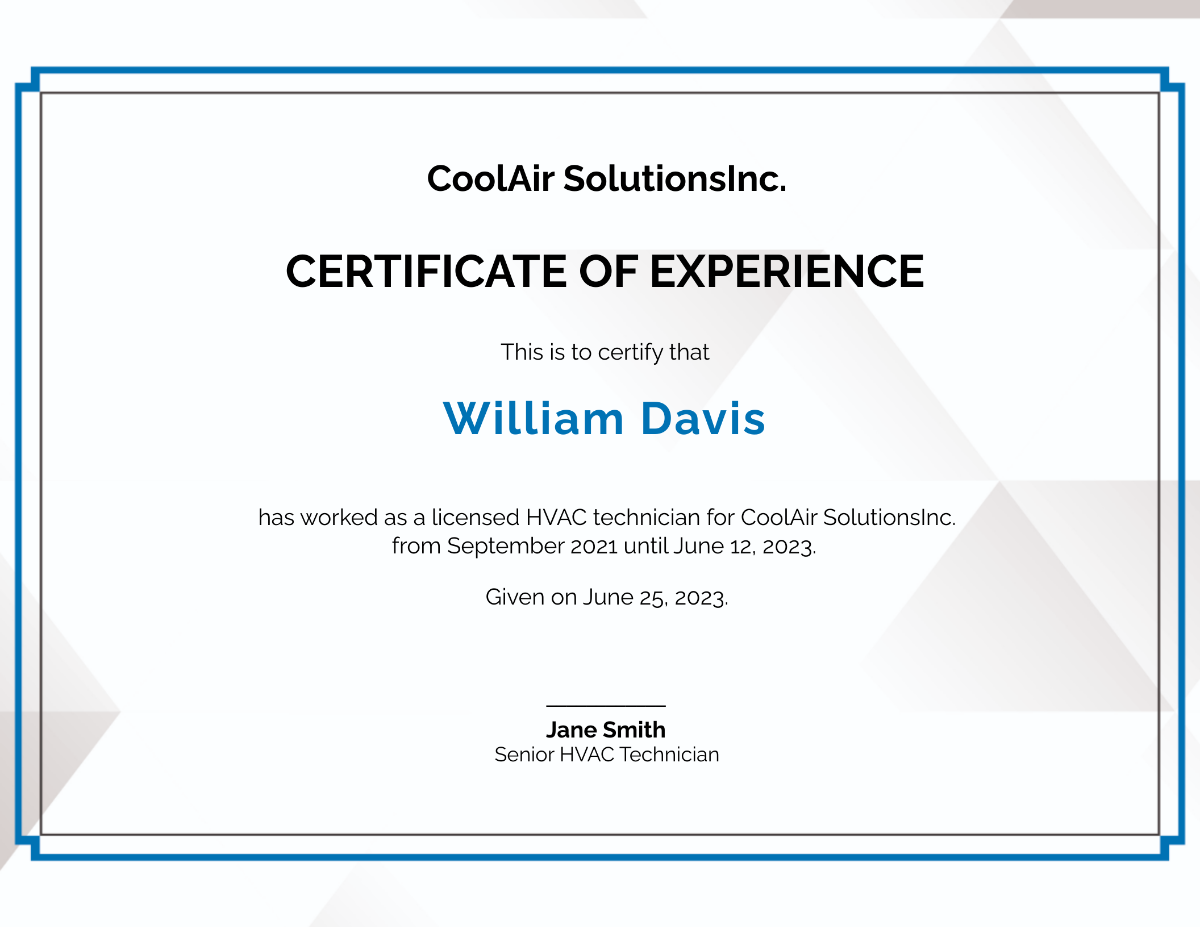
- Accreditation and Recognition: Certificates earned from free online courses may not be recognized by all employers or licensing agencies. If you need a formal HVAC certification, you'll likely need to complete a accredited program.
- Course Quality: The quality of free online courses can vary widely. It's important to research the instructor's credentials and read reviews before enrolling in a course.
Beyond Free Courses: Investing in Your HVAC Knowledge
For homeowners and property managers seeking in-depth knowledge, consider these options:
- Home Inspection Courses: Many home inspection courses include a section on HVAC systems. This can provide a valuable overview of system operation and potential issues.
- Energy Auditing Certifications: Becoming a certified energy auditor can provide you with a comprehensive understanding of building energy performance, including HVAC systems.
- Hire a Qualified HVAC Technician for Consultation: Schedule a consultation with a licensed HVAC technician to get personalized advice on your specific system and needs. A technician can assess your system's performance, identify potential problems, and recommend energy-saving upgrades.
For aspiring and practicing HVAC technicians, consider:
- Formal HVAC Training Programs: Enroll in a vocational school or community college program to receive comprehensive HVAC training and earn an accredited certification.
- Apprenticeships: An apprenticeship provides valuable on-the-job training under the guidance of experienced professionals.
- Industry Certifications: Obtain certifications from organizations like North American Technician Excellence (NATE) or the Environmental Protection Agency (EPA) to demonstrate your expertise and increase your earning potential. An EPA Section 608 certification, for example, is legally required for technicians who handle refrigerants.
Conclusion
Free online HVAC courses offer a valuable starting point for anyone seeking to expand their knowledge of heating, ventilation, and air conditioning systems. Whether you're a homeowner looking to save money on energy bills, an HVAC technician seeking to stay current with industry trends, or a property manager responsible for maintaining large buildings, these resources can provide a solid foundation in HVAC principles. However, remember to consider the limitations of free courses and supplement your learning with hands-on experience and formal training when necessary. The key is to find resources that meet your specific needs and help you achieve your goals in the ever-evolving world of HVAC.