Fresh Air Requirements For Commercial Buildings
Ensuring adequate fresh air intake in commercial buildings is not just about comfort; it's a cornerstone of health, productivity, and code compliance. Understanding the requirements and methods for achieving proper ventilation is crucial for building owners, facility managers, and HVAC technicians alike.
The Importance of Fresh Air
Commercial buildings, by their nature, often house a high density of occupants in relatively confined spaces. This leads to a buildup of indoor air pollutants, including:
- Carbon Dioxide (CO2): A natural byproduct of human respiration. High CO2 levels can cause drowsiness and reduced cognitive function.
- Volatile Organic Compounds (VOCs): Released from building materials, furniture, cleaning products, and even human activities like printing. VOCs can irritate the eyes, nose, and throat, and some are known carcinogens.
- Particulate Matter: Dust, pollen, and other airborne particles that can trigger allergies and respiratory problems.
- Bioaerosols: Bacteria, viruses, and mold spores that can spread illness.
Insufficient fresh air exacerbates these issues, leading to what's known as "sick building syndrome," characterized by headaches, fatigue, and respiratory irritation among occupants. Adequate ventilation dilutes these pollutants, improving indoor air quality (IAQ) and fostering a healthier and more productive environment.
Understanding Ventilation Requirements
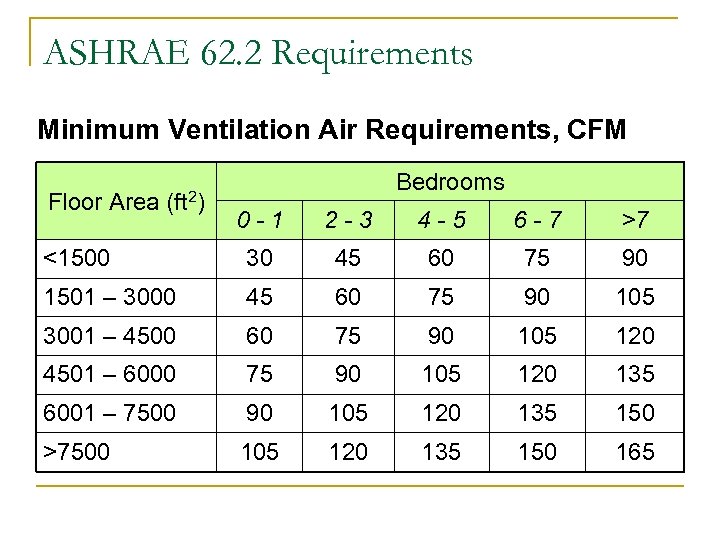
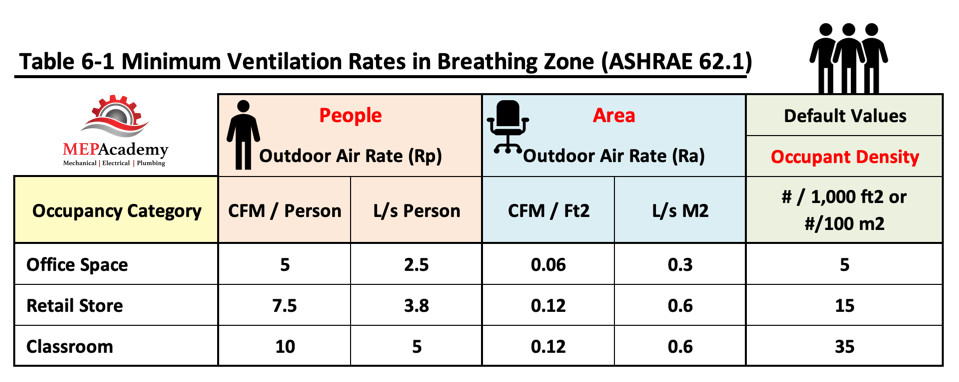
Ventilation requirements for commercial buildings are typically specified in building codes and standards, such as those published by ASHRAE (American Society of Heating, Refrigerating and Air-Conditioning Engineers). ASHRAE Standard 62.1, "Ventilation for Acceptable Indoor Air Quality," is a widely recognized benchmark. These standards outline the minimum amount of outdoor air that must be supplied to different types of spaces based on factors like:
- Occupancy: The number of people in the space.
- Area: The size of the space.
- Activity: The type of activities taking place (e.g., office work, food preparation).
The required ventilation rate is usually expressed in cubic feet per minute (CFM) per person or CFM per square foot. For example, an office space might require 5 CFM of outdoor air per person plus 0.06 CFM per square foot. A restaurant kitchen, with its higher levels of heat and pollutants, would require a significantly higher ventilation rate.
It is crucial to consult with a qualified HVAC professional to determine the specific ventilation requirements for your building based on local codes and the intended use of each space.
Ventilation Methods
There are several methods for introducing fresh air into a commercial building:
- Natural Ventilation: Relying on windows and doors to provide airflow. While this can be effective in mild climates, it's often unreliable due to weather conditions and can compromise security and energy efficiency.
- Mechanical Ventilation: Using fans and ductwork to supply and exhaust air. This is the most common and reliable method for commercial buildings.
Mechanical ventilation systems can be further categorized as:
- Supply Ventilation: Fans introduce outdoor air into the building, creating positive pressure that forces stale air out through leaks and exhaust vents.
- Exhaust Ventilation: Fans exhaust stale air from the building, creating negative pressure that draws outdoor air in through leaks and supply vents.
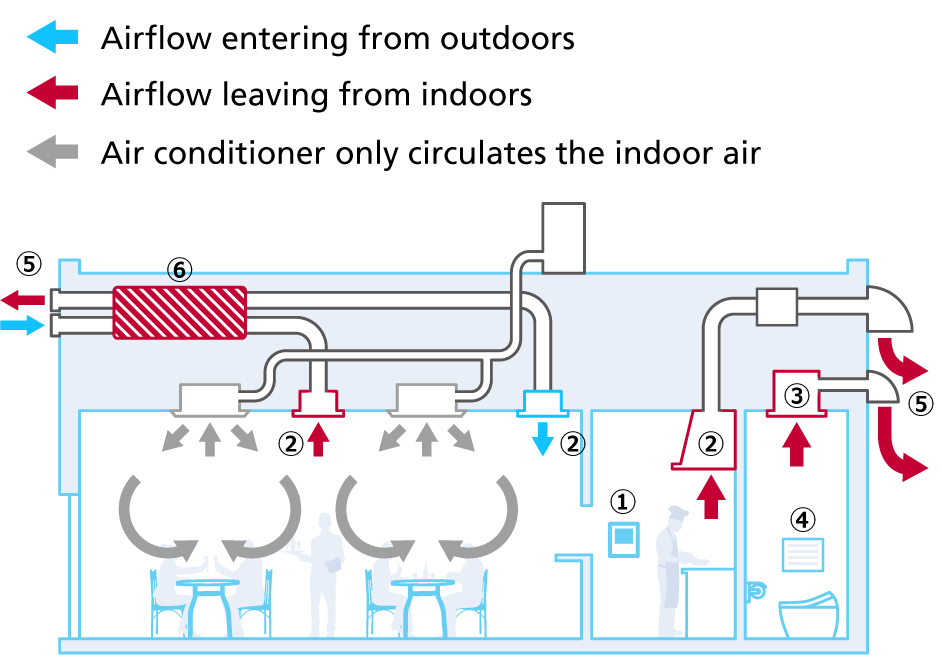
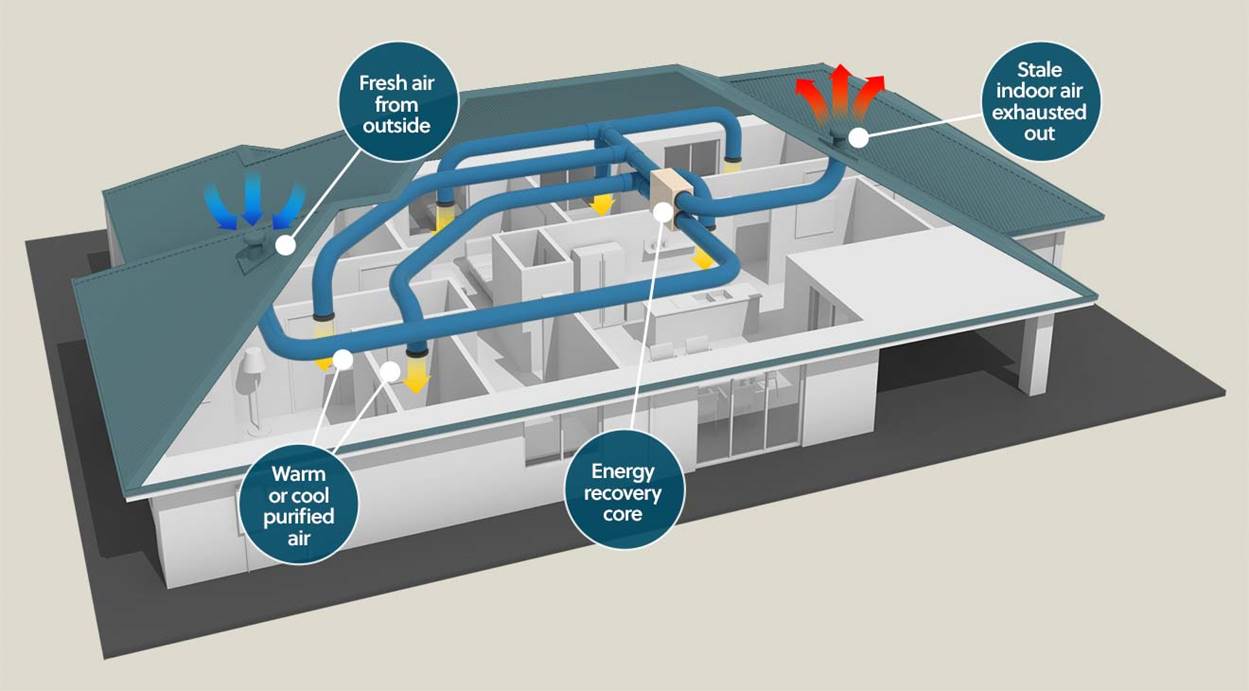
- Balanced Ventilation: Uses both supply and exhaust fans to maintain a neutral pressure within the building. This is generally the most energy-efficient and comfortable option.
Components of a Mechanical Ventilation System
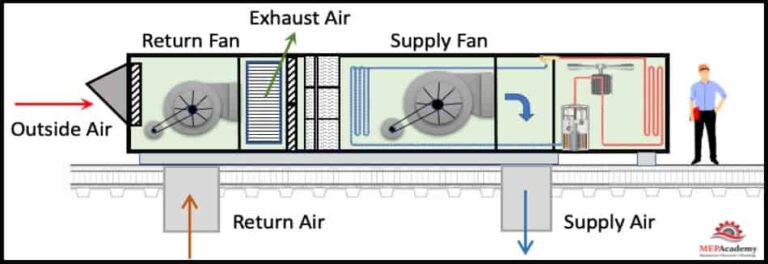
A typical mechanical ventilation system consists of the following components:
- Outdoor Air Intake: A screened opening that draws in outdoor air. It should be located away from potential sources of pollution, such as loading docks or exhaust vents.
- Air Filters: Remove dust, pollen, and other particles from the incoming air. Regular filter replacement is essential for maintaining IAQ and preventing equipment damage.
- Fans: Move air through the system. The size and type of fan will depend on the required ventilation rate and the resistance of the ductwork.
- Ductwork: Distributes the air throughout the building. Ductwork should be properly sized and sealed to prevent leaks and ensure efficient airflow.
- Exhaust Vents: Remove stale air from the building. They should be located in areas where pollutants are generated, such as restrooms and kitchens.
- Controls: Regulate the operation of the system based on occupancy, time of day, or other factors.
Energy Recovery Ventilation (ERV)
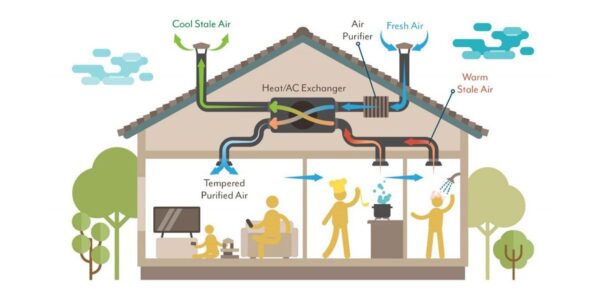
Energy Recovery Ventilation (ERV) systems are a highly efficient option for commercial buildings, especially in climates with extreme temperatures. ERVs transfer heat and moisture between the incoming outdoor air and the outgoing exhaust air. This reduces the energy required to heat or cool the incoming air, saving money on energy bills and improving overall system efficiency.
For example, in the winter, an ERV can preheat the incoming fresh air with heat recovered from the exhaust air, reducing the load on the heating system. In the summer, it can precool and dehumidify the incoming air, reducing the load on the air conditioning system. ERVs can recover up to 80% of the energy that would otherwise be lost through ventilation.
Maintaining Your Ventilation System
Proper maintenance is crucial for ensuring the effectiveness and longevity of your ventilation system. This includes:
- Regular Filter Replacement: Dirty filters restrict airflow and reduce IAQ. Replace filters according to the manufacturer's recommendations, or more frequently if necessary.
- Ductwork Inspection and Cleaning: Inspect ductwork for leaks and damage. Clean ductwork periodically to remove dust and debris.
- Fan Maintenance: Lubricate fan motors and check for worn belts.
- Control System Calibration: Ensure that the control system is properly calibrated and functioning as intended.
Consider hiring a qualified HVAC contractor to perform regular maintenance on your ventilation system. A professional can identify and address potential problems before they become major issues.
Cost Considerations
The cost of installing and operating a ventilation system varies depending on the size and complexity of the system, as well as the local climate. Factors to consider include:
- Equipment Costs: The cost of fans, ductwork, filters, and controls. ERV systems typically have a higher upfront cost than basic ventilation systems.
- Installation Costs: The cost of labor to install the system.
- Operating Costs: The cost of electricity to run the fans. ERV systems can reduce operating costs by recovering energy from the exhaust air.
- Maintenance Costs: The cost of regular maintenance, such as filter replacement and ductwork cleaning.
While the upfront cost of a ventilation system may seem significant, the long-term benefits of improved IAQ, increased productivity, and reduced energy consumption can outweigh the initial investment. Furthermore, failing to meet ventilation requirements can result in fines and legal liabilities.
Code Compliance and Final Thoughts
Meeting fresh air requirements is not just a matter of best practices; it's often mandated by building codes. Failure to comply can result in penalties and even the closure of your business. Partnering with a qualified HVAC professional who understands local codes and standards is essential for ensuring compliance and creating a healthy and productive indoor environment. By prioritizing adequate ventilation, commercial building owners and managers can protect the health and well-being of their occupants, improve building performance, and contribute to a more sustainable future.