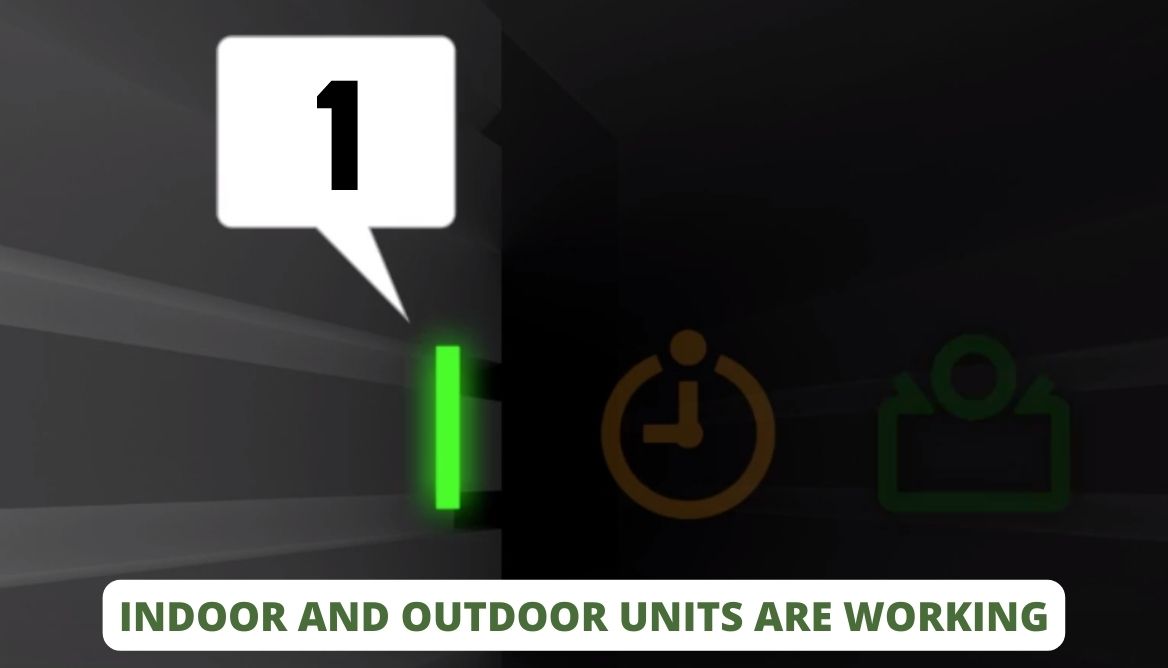
Fujitsu Fault Codes Flashing Lights 10 Times

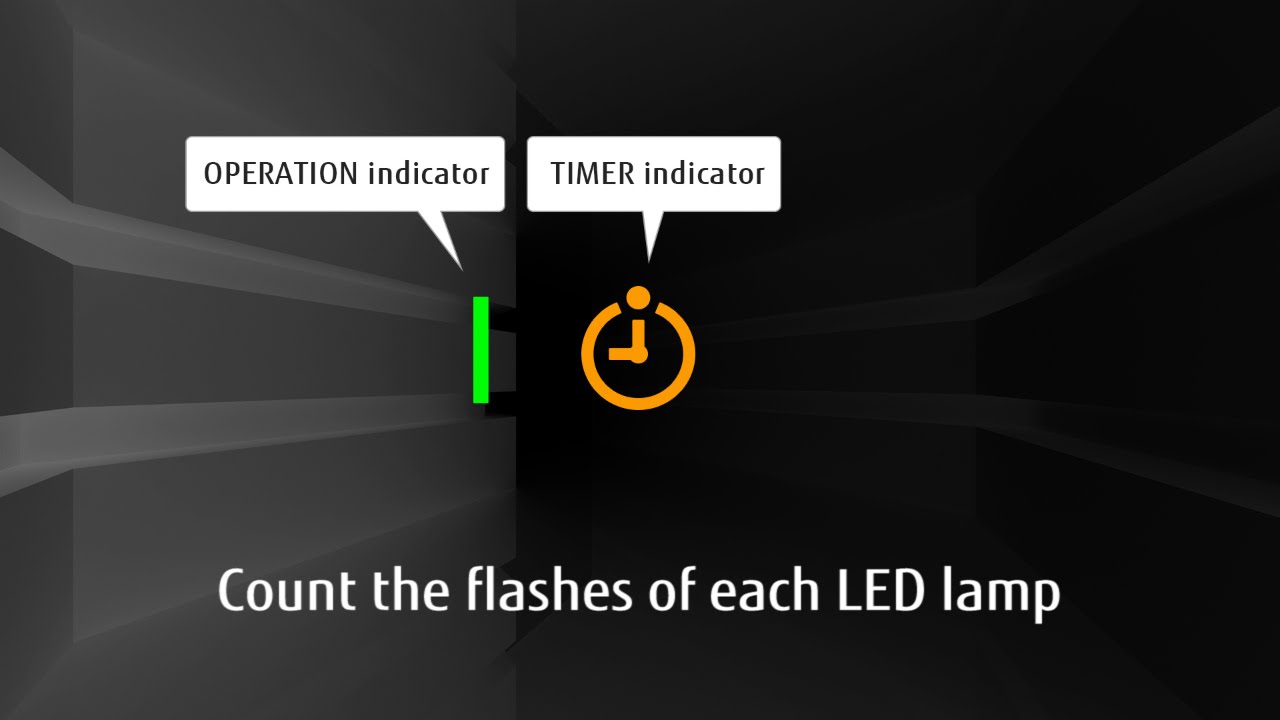
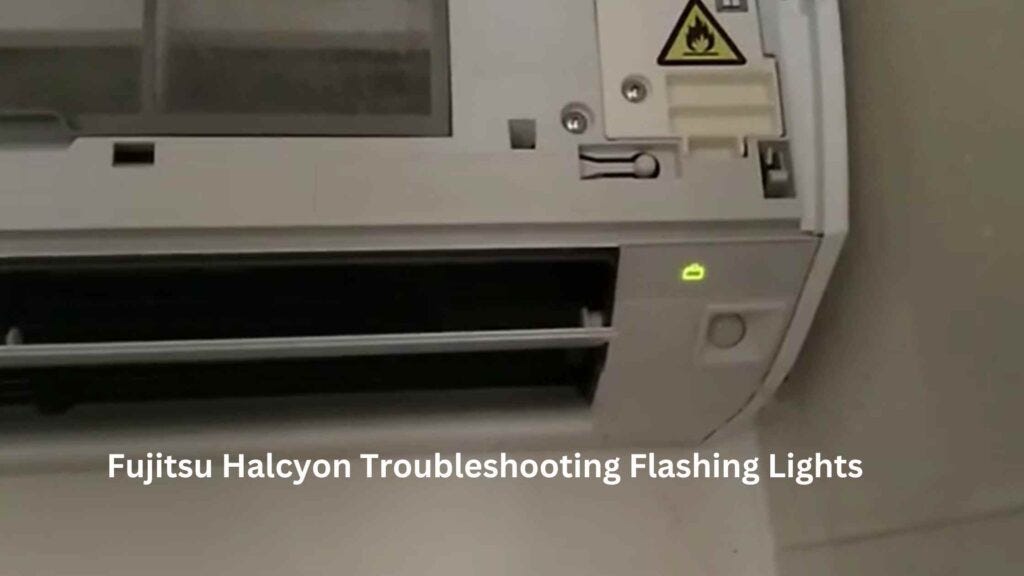
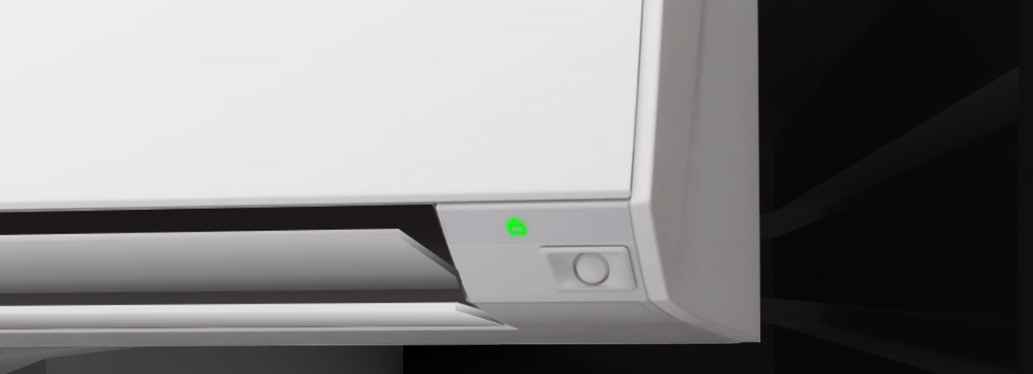
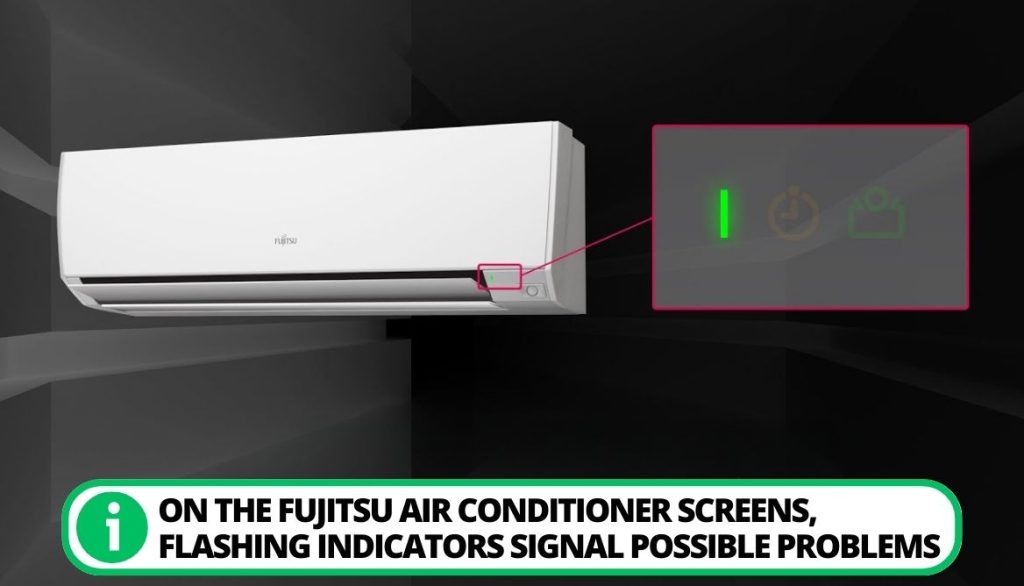
Seeing a blinking light code on your Fujitsu HVAC system can be frustrating. Especially when that light is flashing ten times! This article will guide you through understanding what the "10 flashes" code might indicate, provide troubleshooting steps you can take, and help you decide when it's time to call a qualified HVAC technician.
Understanding the Fujitsu Fault Code: 10 Flashes
Generally, when a Fujitsu unit displays a fault code by flashing a light ten times, it often indicates a problem related to the indoor unit fan motor or its related components. However, it’s crucial to remember that specific fault codes can vary depending on your exact Fujitsu model. Always refer to your unit's service manual for the most accurate interpretation.
Possible Causes Behind the 10 Flashes
Here are some common causes that could trigger a 10-flash fault code on your Fujitsu system:
- Fan Motor Malfunction: The fan motor itself could be failing or have a short circuit.
- Fan Motor Wiring Issues: Damaged or loose wiring connecting the fan motor to the control board can cause the error.
- Control Board Problems: The control board that regulates the fan motor's operation might be faulty.
- Obstruction in the Fan: Physical obstructions like dust, debris, or even small animals can prevent the fan from spinning properly.
- Overload Protection: The motor may be overheating and tripping its internal overload protection.
- Capacitor Failure: The capacitor that helps start and run the fan motor could be defective.
Troubleshooting Steps: A DIY Approach
Before calling a professional, you can try these troubleshooting steps. Always disconnect power to the unit at the breaker before attempting any repairs. Safety first!
Tools You Might Need
- Screwdrivers (Phillips head and flat head)
- Multimeter
- Vacuum cleaner or brush
- Flashlight
- Wire stripper/crimper (optional)
- Safety glasses
- Gloves
Step-by-Step Troubleshooting
- Power Down: Turn off the power to the indoor unit at the circuit breaker.
- Inspect the Air Filter: A clogged air filter restricts airflow and can overwork the fan motor. Replace or clean the filter if necessary. This is the easiest and most common fix for HVAC problems!
- Check for Obstructions: Carefully inspect the indoor unit's fan blades for any visible obstructions. Remove any debris, dust, or foreign objects.
- Visual Inspection of Wiring: Look for any loose, damaged, or corroded wires connected to the fan motor and the control board. Repair or replace any damaged wiring.
- Test the Fan Motor Capacitor (If you are comfortable and knowledgeable): Use a multimeter to test the capacitor's capacitance. A failed capacitor is a common cause of fan motor problems. Caution: Capacitors can hold an electrical charge even after the power is disconnected. Discharge the capacitor before handling it! If you are not comfortable with this, skip this step and call a professional.
- Check the Fan Motor Windings (If you are comfortable and knowledgeable): Use a multimeter to check the resistance of the fan motor windings. Open windings or short circuits can indicate a faulty motor. This step requires knowledge of electrical testing procedures.
- Restart the System: After completing the above steps, restore power to the unit and see if the error code clears.
Important Note: If you are not comfortable working with electrical components, or if you are unsure about any of these steps, please contact a qualified HVAC technician.
When to Call a Professional
While some issues can be resolved with DIY troubleshooting, certain situations require the expertise of a trained HVAC technician. Call a professional if:
- You are uncomfortable working with electrical components.
- You cannot identify the cause of the problem.
- The error code persists after attempting the troubleshooting steps.
- You suspect a faulty control board or fan motor.
- You lack the necessary tools or experience.
Trying to fix complex issues without proper knowledge can lead to further damage to your system and potentially dangerous situations.
Potential Repair Costs
The cost to repair a Fujitsu system displaying a 10-flash error code can vary depending on the specific problem and the cost of labor in your area. Here are some estimated cost ranges:
- Air Filter Replacement: $10 - $30 (DIY)
- Fan Motor Capacitor Replacement: $50 - $200 (Parts and Labor)
- Fan Motor Replacement: $200 - $600 (Parts and Labor)
- Control Board Replacement: $300 - $800 (Parts and Labor)
- Diagnostic Fee: $75 - $150 (Typically waived if you proceed with the repair)
These are just estimates. Always get a quote from a reputable HVAC contractor before proceeding with any repairs. Be sure to ask for a detailed breakdown of the costs involved.
Preventative Maintenance: Avoiding Future Issues
Regular maintenance can help prevent many HVAC problems, including issues that trigger the 10-flash error code. Here are some preventative maintenance tips:
- Change Air Filters Regularly: Replace or clean your air filters every 1-3 months, or more often if you have pets or allergies.
- Clean the Indoor Unit: Use a vacuum cleaner or brush to remove dust and debris from the indoor unit.
- Inspect the Outdoor Unit: Keep the outdoor unit free of debris, such as leaves, grass clippings, and snow.
- Schedule Annual Maintenance: Have a qualified HVAC technician inspect and service your system annually. This includes checking refrigerant levels, cleaning coils, and inspecting electrical components.
Understanding the Fujitsu Manual
Your Fujitsu system's service manual is your best resource for accurate information about fault codes and troubleshooting procedures. The manual will provide specific information about your model, including:
- Detailed fault code descriptions
- Wiring diagrams
- Component locations
- Troubleshooting flowcharts
If you don't have your manual, you can often find it online on the Fujitsu website or by searching for your model number online. Knowing where to find and how to use this information is invaluable in diagnosing and resolving issues.
Final Thoughts
Dealing with a Fujitsu HVAC system displaying a 10-flash error code can be a challenge. By understanding the potential causes, following the troubleshooting steps outlined in this article, and knowing when to call a professional, you can effectively address the issue and keep your system running smoothly. Remember, safety is paramount, and when in doubt, always consult with a qualified HVAC technician.