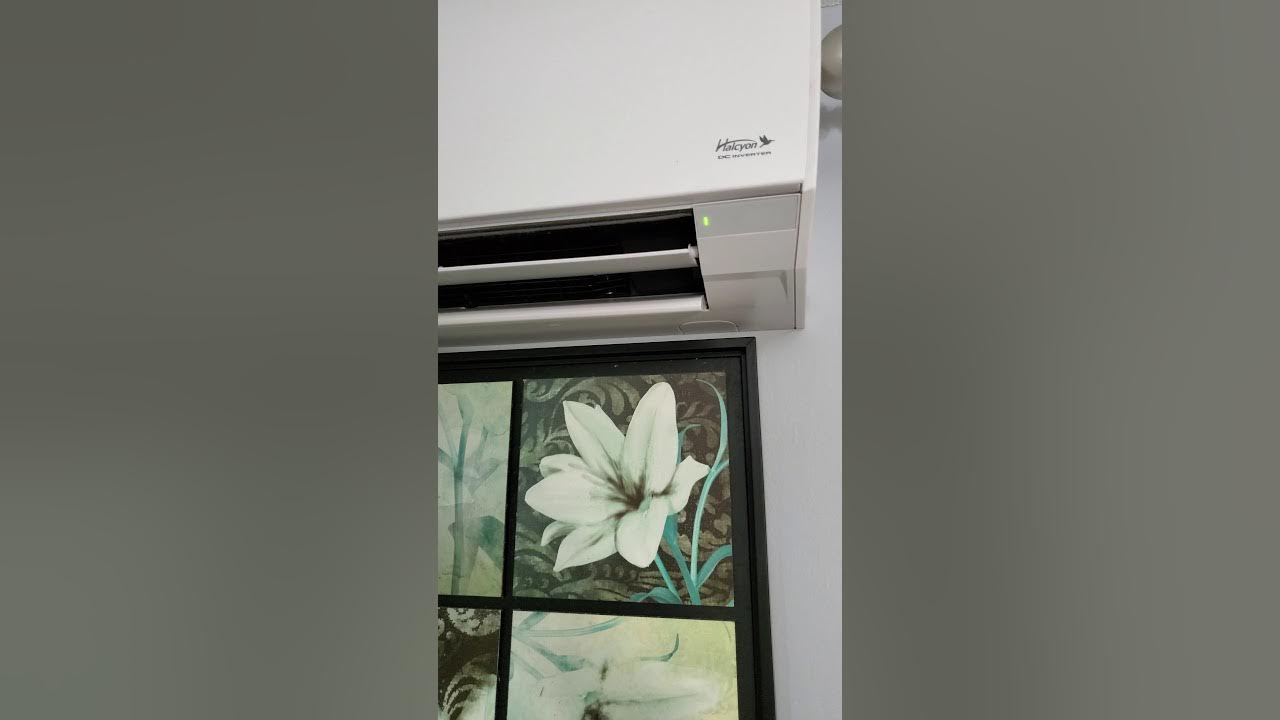
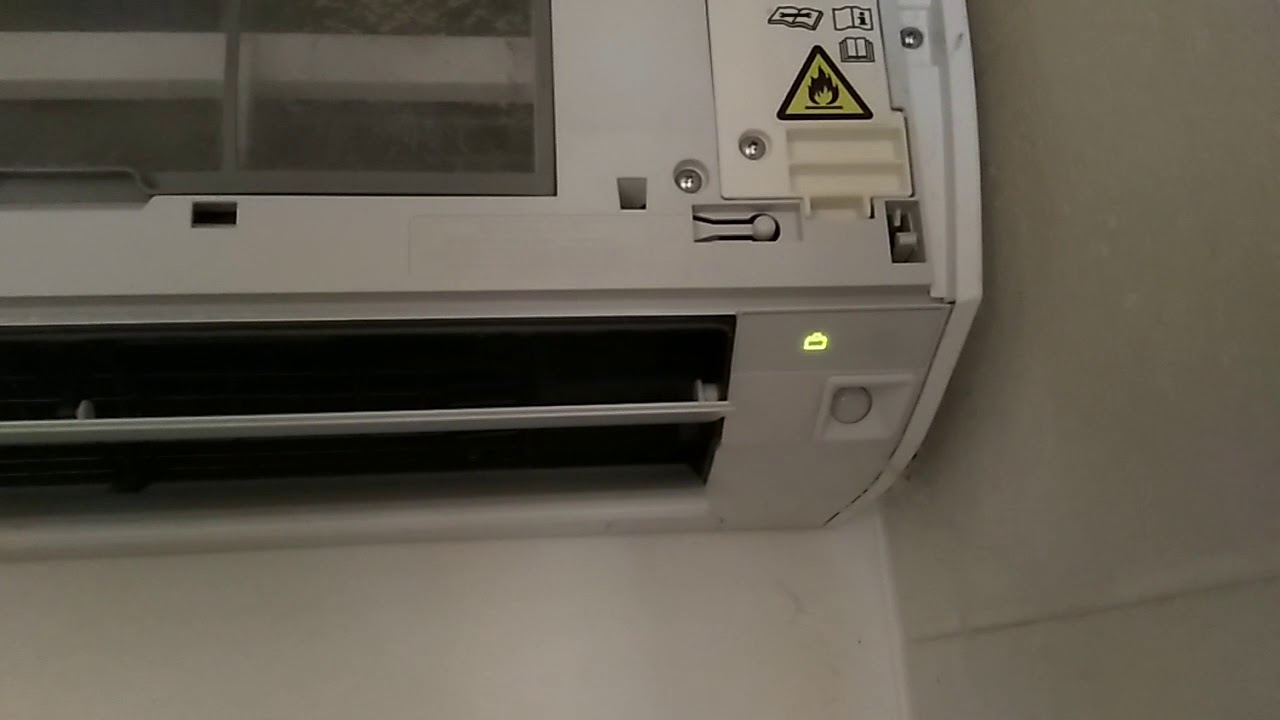
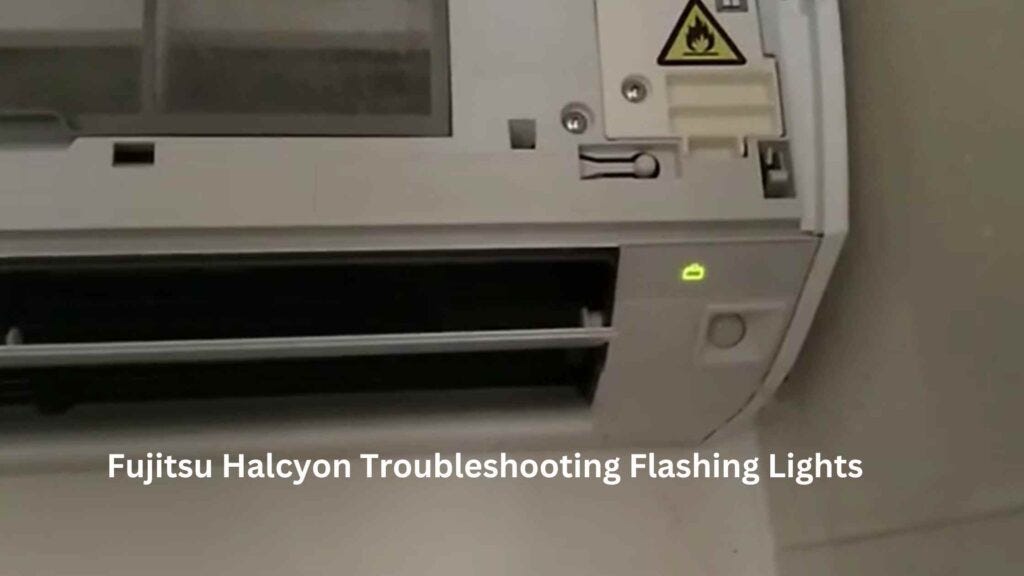
Fujitsu Mini Split Blinking Green Light

The blinking green light on your Fujitsu mini-split system can be a source of frustration, indicating anything from normal operation to a system error requiring immediate attention. Understanding what this light signifies is crucial for homeowners, HVAC technicians, and facility managers alike, ensuring efficient troubleshooting and maintaining optimal system performance.
Decoding the Fujitsu Mini-Split Green Light
Unlike a solid green light, which generally indicates the unit is operating normally (or in standby mode), a blinking green light usually points towards a specific condition or fault. The frequency and pattern of the blinking are key to diagnosing the issue. Fujitsu uses a specific blinking code system to communicate diagnostic information.
Understanding the Blinking Patterns
The precise meaning of the blinking light can vary depending on the specific Fujitsu model you have. However, some common interpretations exist. It's absolutely essential to consult your Fujitsu mini-split's user manual or technical documentation to identify the exact meaning associated with the blinking pattern you are observing. This documentation will provide a breakdown of the error codes and corresponding blink patterns.
Here are some common issues indicated by a blinking green light, along with potential causes:
- Slow Blink (e.g., once per second): This often signals a minor issue, like a dirty filter or a temporary sensor malfunction. It might also indicate that the system is in a defrost cycle.
- Fast Blink (e.g., multiple times per second): A rapid blinking pattern typically signifies a more serious problem, such as a refrigerant leak, compressor failure, or a communication error between the indoor and outdoor units.
- Specific Blink Sequences (e.g., two blinks, pause, repeat): These sequences are specific error codes designed to pinpoint a particular component or system fault. Your service manual will be key here.
Defrost Cycle: A Normal Occurrence
One of the most common reasons for a blinking green light, particularly during colder months, is the defrost cycle. Mini-splits operating in heating mode can accumulate frost on the outdoor unit's coil. To prevent ice buildup and maintain heating efficiency, the system periodically enters a defrost cycle.
During defrost, the unit temporarily switches to cooling mode to melt the frost. You might notice the outdoor fan stopping, steam rising from the unit, and a temporary decrease in indoor heating. This is entirely normal. The blinking green light indicates that the defrost cycle is in progress. Once the defrost cycle is complete (typically within a few minutes), the system will automatically return to heating mode, and the green light will likely return to solid or turn off.
Troubleshooting the Blinking Green Light: A Step-by-Step Approach
Before calling a technician, you can try some basic troubleshooting steps to resolve the issue. However, always prioritize safety and exercise caution when working with electrical appliances.
- Consult the User Manual: This is the first and most important step. Identify the specific meaning of the blinking pattern according to your model's documentation.
- Check the Air Filter: A dirty air filter restricts airflow, causing the system to work harder and potentially trigger error codes. Clean or replace the filter as needed. Many manufacturers recommend cleaning monthly and replacing every 3-6 months, depending on usage and air quality.
- Inspect the Outdoor Unit: Ensure the outdoor unit is free from debris, such as leaves, snow, or ice. Clear any obstructions that might be blocking airflow.
- Reset the System: Turn off the power to the indoor and outdoor units at the breaker for a few minutes, then turn them back on. This can sometimes clear minor errors and reset the system.
- Check for Obvious Leaks: Inspect the refrigerant lines for any signs of leaks, such as oil residue or hissing sounds. If you suspect a refrigerant leak, do not attempt to repair it yourself. Refrigerant handling requires specialized training and equipment.
When to Call a Professional HVAC Technician
If you've tried the basic troubleshooting steps and the blinking green light persists, or if the blinking pattern indicates a serious problem (e.g., refrigerant leak, compressor failure), it's time to call a qualified HVAC technician. Attempting to repair complex issues yourself can damage the system further and potentially void the warranty.
Here are some situations that definitely warrant professional help:
- Refrigerant Leaks: Refrigerant leaks require specialized tools and knowledge to repair safely and effectively.
- Compressor Problems: The compressor is the heart of the mini-split system. Compressor repairs are complex and often require replacing the entire unit.
- Electrical Issues: Any electrical problems, such as faulty wiring or blown fuses, should be handled by a qualified electrician or HVAC technician.
- Communication Errors: If the blinking light indicates a communication problem between the indoor and outdoor units, a technician can diagnose and repair the wiring or control board.
- Uncertainty: If you are unsure about the meaning of the blinking light or how to resolve the issue, it's always best to err on the side of caution and call a professional.
Mini-Split System Maintenance: Preventing Problems
Regular maintenance is key to preventing problems and extending the lifespan of your Fujitsu mini-split system. Here are some essential maintenance tasks:
- Regular Filter Cleaning/Replacement: As mentioned earlier, clean or replace the air filter regularly to maintain optimal airflow.
- Coil Cleaning: Periodically clean the indoor and outdoor coils to remove dirt and debris. You can use a soft brush or a fin comb designed for cleaning HVAC coils. Be careful not to damage the fins.
- Drain Line Cleaning: The condensate drain line can become clogged with algae and debris, leading to water leaks. Flush the drain line with a mixture of water and bleach or vinegar to prevent clogs.
- Professional Inspection: Schedule an annual professional inspection and tune-up to ensure the system is operating efficiently and identify any potential problems early on. A technician can check refrigerant levels, inspect electrical components, and lubricate moving parts.
Mini-Split Efficiency and Cost Considerations
Mini-split systems are known for their energy efficiency. Look for models with high SEER (Seasonal Energy Efficiency Ratio) and HSPF (Heating Seasonal Performance Factor) ratings. Higher ratings indicate greater energy efficiency. The initial cost of a mini-split system can be higher than traditional HVAC systems, but the long-term energy savings can often offset the initial investment. The lifespan of a well-maintained mini-split system is typically 15-20 years.
"Choosing the right mini-split system involves considering your heating and cooling needs, the size of the space, and the climate you live in."
Comparing Mini-Splits to Traditional HVAC Systems
Mini-split systems offer several advantages over traditional HVAC systems, including:
- Zoned Heating and Cooling: Mini-splits allow you to control the temperature in individual zones, providing greater comfort and energy savings.
- Ductless Installation: Mini-splits don't require ductwork, making them ideal for homes without existing duct systems or for adding heating and cooling to additions or renovations.
- Energy Efficiency: As mentioned earlier, mini-splits are generally more energy-efficient than traditional HVAC systems.
However, mini-splits also have some potential drawbacks:
- Higher Initial Cost: The initial cost of a mini-split system can be higher than traditional HVAC systems.
- Aesthetics: Some homeowners find the appearance of the indoor units less aesthetically pleasing than traditional vents.
Ultimately, the best HVAC system for your needs depends on your individual circumstances and preferences. Consider the factors mentioned above when making your decision.
Conclusion
The blinking green light on your Fujitsu mini-split system is a communication tool. Understanding its language empowers you to address simple issues and recognize when professional help is needed. Regular maintenance and prompt attention to warning signs ensure your system operates efficiently and provides years of reliable comfort.