Fujitsu Mini Split Troubleshooting Lights Flashing
Fujitsu Mini Split Troubleshooting: Decoding Those Flashing Lights
Fujitsu mini-split systems are known for their energy efficiency and quiet operation. However, like any complex appliance, they can sometimes experience issues. One of the first indicators of a problem is often flashing lights on the indoor or outdoor unit. These lights are a diagnostic tool, telling you something isn't quite right. Before you call a professional, let's explore how to interpret these signals and troubleshoot some common issues.
Safety First!
Before you begin any troubleshooting, ensure your safety:
- Turn off the power: Locate the circuit breaker for your mini-split system and switch it off. This prevents electric shock.
- Avoid touching electrical components: Unless you are a qualified technician, avoid direct contact with any wiring or internal components.
- Read your manual: Your Fujitsu owner’s manual contains specific information about your model, including error codes and troubleshooting steps.
Understanding Flashing Light Patterns
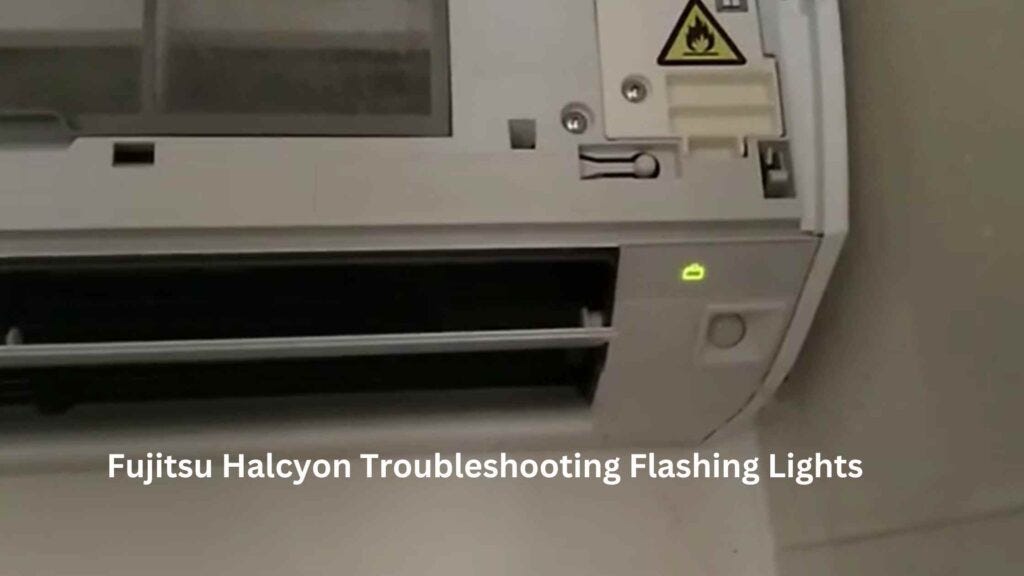
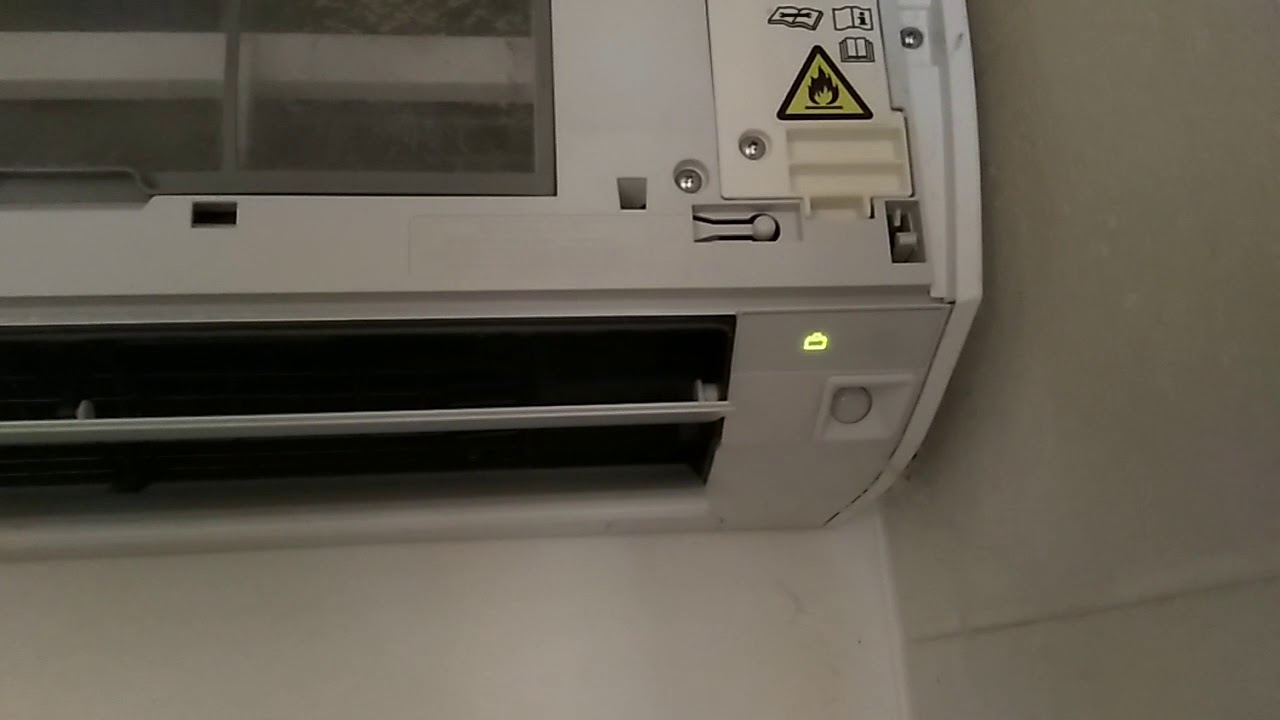
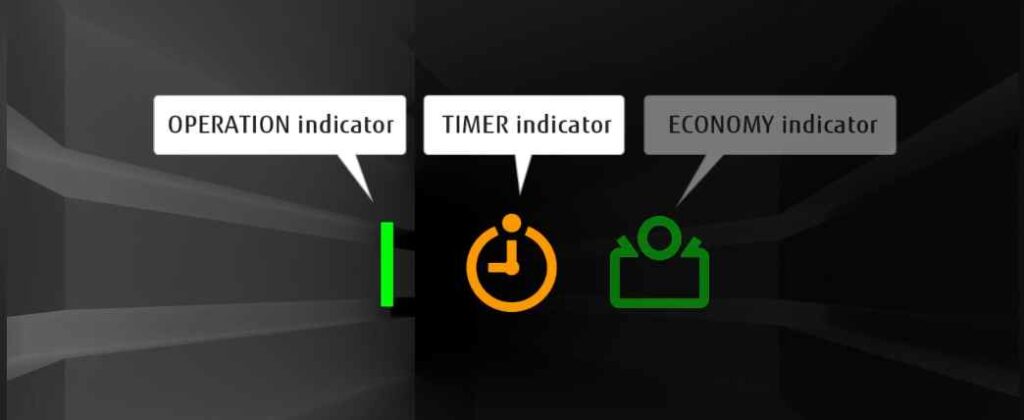
Fujitsu uses flashing lights to communicate error codes. The pattern of flashes, often combined with different colored lights, indicates a specific problem. You will need to identify which lights are flashing (e.g., power, timer, operation) and the sequence (e.g., slow blink, fast blink, number of blinks). Refer to your owner's manual for the error code definitions specific to your model. If you don't have the manual, search online using your unit's model number.
Common Error Codes and Their Meanings (General Examples)
Here are some general examples of what common flashing light patterns might indicate. Remember: Always consult your specific model's manual for accurate error code definitions.
- Power Light Flashing: May indicate a power supply issue, low voltage, or internal fault.
- Timer Light Flashing: Often points to a problem with the temperature sensor or communication between the indoor and outdoor units.
- Operation Light Flashing: Can signal refrigerant leaks, compressor issues, or fan motor problems.
- Multiple Lights Flashing: Usually indicates a more complex system error requiring professional diagnosis.
DIY Troubleshooting Steps
Before calling a professional, try these basic troubleshooting steps:
- Check the Power Supply:
- Ensure the unit is receiving power. Check the circuit breaker and reset it if necessary.
- Verify the voltage supply is correct.
- Clean the Filters:
- Dirty air filters are a common cause of mini-split problems. Restricted airflow can lead to overheating and other issues.
- Remove and clean the air filters according to the manufacturer's instructions. Typically, you can vacuum or wash them with mild soap and water. Allow them to dry completely before reinstalling.
- Check the Outdoor Unit:
- Ensure the outdoor unit is free from obstructions like leaves, snow, or debris.
- Make sure the fan blades can spin freely.
- Inspect the Refrigerant Lines:
- Look for any signs of leaks, such as oily residue or ice buildup on the refrigerant lines. If you suspect a refrigerant leak, do not attempt to repair it yourself. Refrigerant handling requires specialized equipment and training. Call a licensed HVAC technician immediately.
- Restart the System:
- After completing the above checks, turn off the power to the mini-split for a few minutes, then turn it back on. This may reset the system and clear the error code.
- Check Remote Control Batteries:
- Sometimes, the remote control can cause the unit to act erratically if the batteries are low. Replace them with fresh batteries.
When to Call a Professional
While some issues can be resolved with DIY troubleshooting, certain problems require the expertise of a qualified HVAC technician. Call a professional if:
- The flashing lights persist after trying the troubleshooting steps.
- You suspect a refrigerant leak.
- You hear unusual noises coming from the unit (e.g., grinding, hissing).
- The unit is not heating or cooling properly.
- You are uncomfortable working with electrical components.
Potential Repair Costs
The cost of repairing a Fujitsu mini-split system can vary depending on the problem. Here are some approximate estimates:
- Refrigerant Recharge: $200 - $600 (depending on the amount of refrigerant needed and leak location)
- Compressor Replacement: $800 - $2,000 (this is a major repair)
- Fan Motor Replacement: $300 - $800
- Control Board Replacement: $250 - $600
- Temperature Sensor Replacement: $100 - $300
- Basic Diagnostic Fee: $75 - $150 (most HVAC companies charge a fee to diagnose the problem)
Note: These are just estimates. The actual cost may vary depending on your location, the HVAC company you choose, and the specific model of your mini-split system. Always get multiple quotes before committing to a repair.
Preventative Maintenance
Regular maintenance can help prevent problems and extend the lifespan of your Fujitsu mini-split system.
- Clean the air filters regularly (every 1-3 months, or more often if you have pets or allergies).
- Keep the outdoor unit free from debris.
- Schedule annual professional maintenance to inspect the system, clean the coils, and check the refrigerant levels.
Tools You Might Need
Here's a list of tools that can be helpful for basic mini-split troubleshooting:
- Screwdrivers (Phillips and flathead)
- Vacuum cleaner with brush attachment
- Soft brush
- Multimeter (for testing voltage - use with caution and only if you are comfortable working with electricity)
- Wrench set
- Owner's manual
Common Parts You Might Need (and where to get them)
If you determine that you need to replace parts, here are some typical components.
- Air filters (available at most hardware stores or online)
- Remote control batteries (available everywhere)
- Replacement fan blades (check with Fujitsu dealer)
- Fuses (available at most hardware stores or online)
By understanding the flashing light codes and following these troubleshooting steps, you can potentially resolve minor issues with your Fujitsu mini-split system. However, always prioritize safety and don't hesitate to call a professional when needed. Keeping your system well-maintained will ensure it continues to provide efficient and reliable comfort for years to come.
Important Reminder: Working with HVAC systems can be dangerous. If you are not comfortable with any of these steps, please contact a qualified HVAC technician. Improper repairs can lead to further damage, personal injury, or even void your warranty.