Function Of Ac Capacitor
Frequently Asked Questions: Understanding Your AC Capacitor
Your air conditioner is a complex piece of machinery, and the capacitor is a vital, yet often overlooked, component. This FAQ addresses common questions about AC capacitors, their function, and what you should know as a homeowner or facility manager.
Question 1: What Exactly Is an AC Capacitor and What Does it Do?
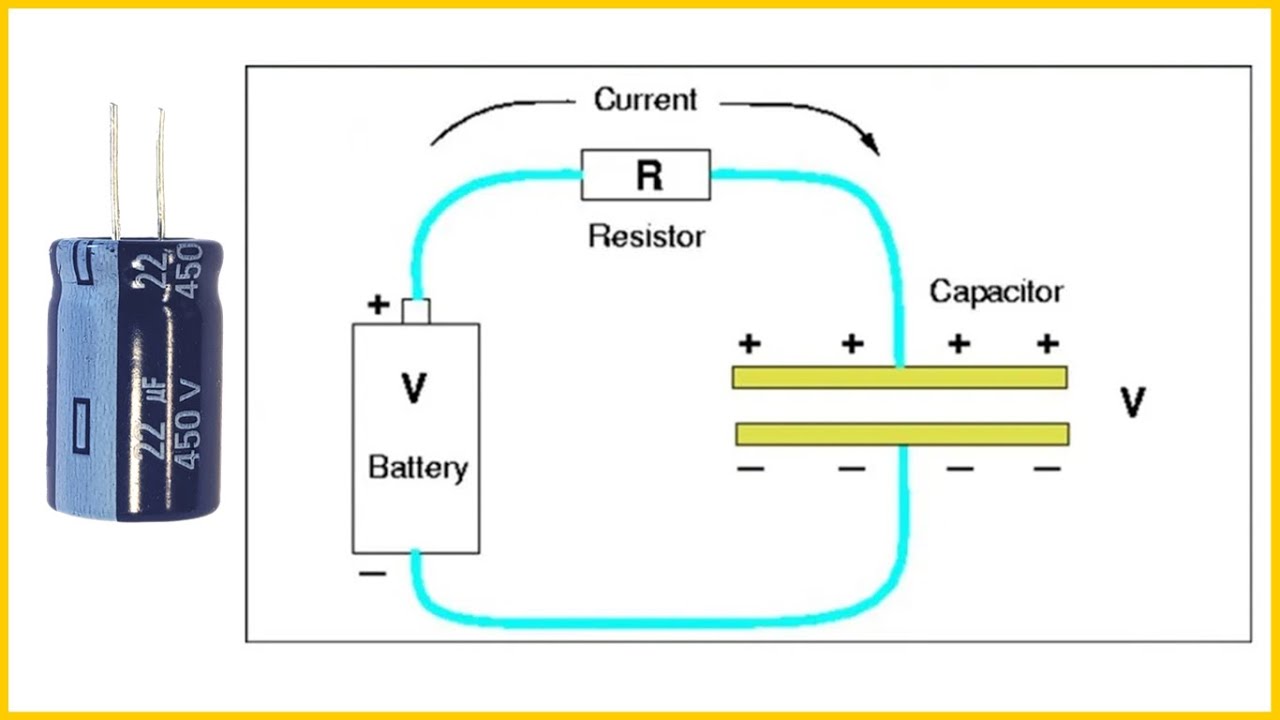
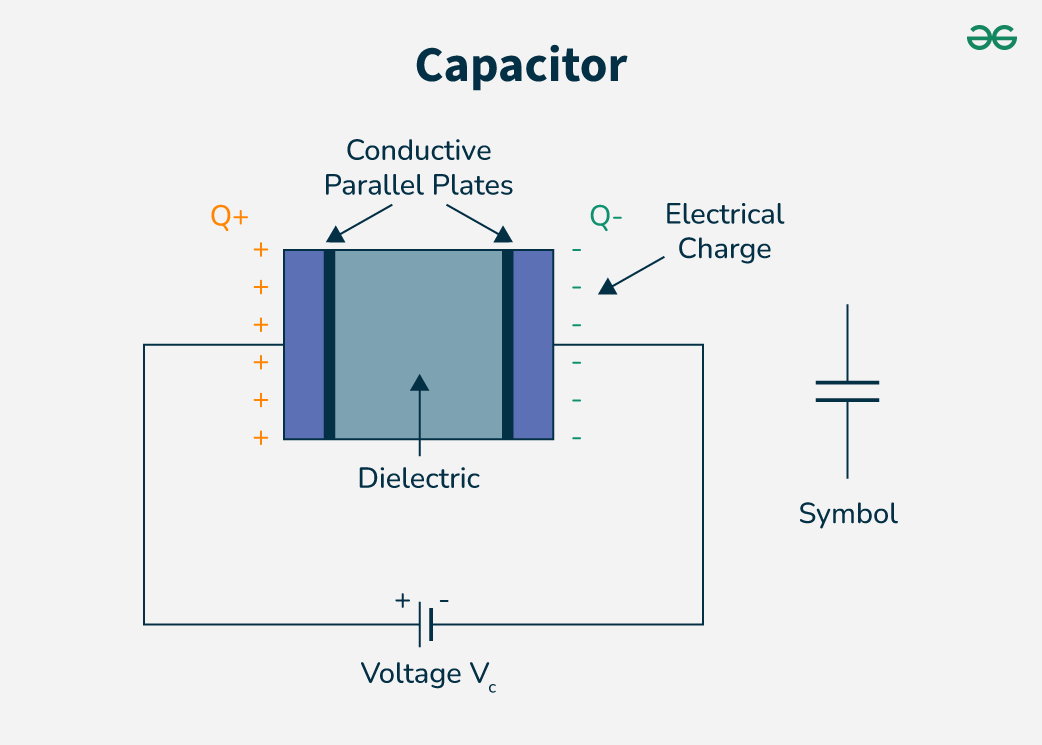
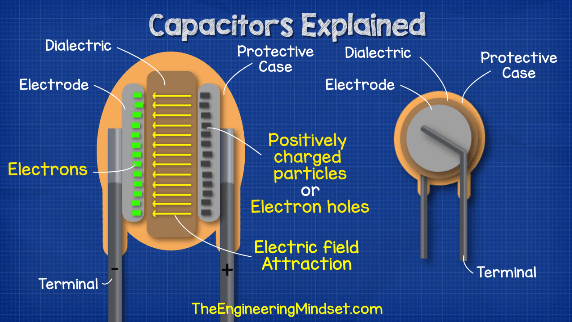
Think of the capacitor as a small, temporary battery for your air conditioner's motors. Specifically, it's an electrical component that stores energy and then releases it in a powerful surge to start and run the motors that power your AC unit. This allows the motors to operate efficiently and reliably.
Here's a breakdown:
- Starting Capacitor: Provides a powerful jolt of energy to initially start the compressor and fan motors. These motors require significantly more energy to get going than they do to keep running.
- Running Capacitor: Helps the motor run more efficiently and consistently by providing a smoother electrical current. This can translate to lower energy bills and a longer lifespan for your AC unit.
Without a functioning capacitor, your AC unit's motors would struggle to start, and could potentially burn out, leading to costly repairs.
Question 2: Where is the AC Capacitor Located?
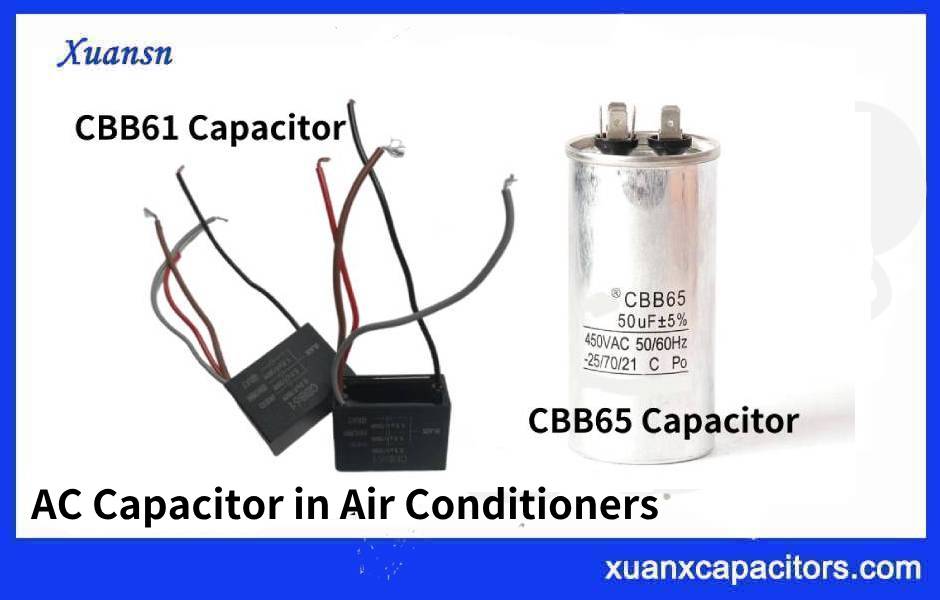
The AC capacitor is typically found inside the outdoor unit of your air conditioning system. It's usually housed within the electrical control panel, along with other components like the contactor and wiring. The capacitor is usually a cylindrical component and can be easily identified.
Important Note: Do not attempt to open or tamper with the outdoor unit's electrical panel yourself. Capacitors can store a dangerous electrical charge, even when the unit is turned off. Always call a qualified HVAC technician for any repairs or inspections.
Question 3: How Do I Know if My AC Capacitor is Bad? What are the Symptoms?
A failing or failed capacitor can cause a variety of problems with your air conditioner. Recognizing these symptoms early can help you prevent further damage to your system.
Here are some common signs of a bad AC capacitor:
- Humming Noise: The AC unit may hum, but the fan or compressor doesn't start. This often indicates that the capacitor is not providing enough power to start the motor.
- Slow Start or Failure to Start: The compressor or fan motor may start slowly or fail to start at all. You might hear a clicking sound.
- Increased Energy Bills: A struggling motor due to a weak capacitor can draw more power, leading to higher energy bills.
- Unit Shuts Down Frequently: The AC unit may run for a short time and then shut down. This can be caused by the motor overheating due to the capacitor not providing sufficient power.
- Burning Smell: A burning smell coming from the outdoor unit can indicate that the motor is overheating due to a failing capacitor. This is a serious issue and requires immediate attention.
- Visible Damage: Sometimes, you can visually inspect the capacitor (only if you are a trained professional and have disconnected the power supply). A bulging, leaking, or cracked capacitor is a clear sign of failure.
If you notice any of these symptoms, it's crucial to contact a qualified HVAC technician for diagnosis and repair.
Question 4: Can I Replace the AC Capacitor Myself?
While it might seem like a simple task, replacing an AC capacitor yourself is strongly discouraged unless you are a qualified and experienced HVAC technician. Here's why:
- Electrical Shock Hazard: Capacitors store a significant amount of electrical energy, even when the unit is turned off. Mishandling a capacitor can result in serious electrical shock or even death.
- Incorrect Installation: Installing the wrong type of capacitor or wiring it incorrectly can damage your AC unit or create a safety hazard.
- Voiding Warranty: Attempting to repair your AC unit yourself may void the manufacturer's warranty.
- Refrigerant Handling: Some repairs require handling refrigerant, which requires specialized training and equipment due to environmental regulations.
It's always best to leave AC repairs to the professionals. The cost of hiring a qualified technician is a small price to pay for your safety and the longevity of your AC system.
Question 5: What is the Lifespan of an AC Capacitor and How Can I Extend It?
The lifespan of an AC capacitor typically ranges from 5 to 15 years, but this can vary depending on several factors, including:
- Quality of the Capacitor: Higher-quality capacitors tend to last longer.
- Operating Conditions: Extreme temperatures, high humidity, and voltage fluctuations can shorten the lifespan of a capacitor.
- Usage: Frequent use of the AC unit can put more stress on the capacitor.
- Proper Maintenance: Regular maintenance can help extend the lifespan of your capacitor.
Here are some tips to help extend the life of your AC capacitor:
- Regular Maintenance: Schedule annual maintenance with a qualified HVAC technician. They can inspect the capacitor and other components for signs of wear and tear.
- Keep the Unit Clean: Keep the outdoor unit free of debris, such as leaves, grass clippings, and dirt. This will improve airflow and reduce stress on the components.
- Use a Surge Protector: A surge protector can help protect your AC unit from voltage spikes, which can damage the capacitor.
- Consider a Whole-House Fan: Using a whole-house fan can reduce the workload on your AC unit, especially during mild weather.
Question 6: How Much Does it Cost to Replace an AC Capacitor?
The cost to replace an AC capacitor can vary depending on several factors, including:
- Type of Capacitor: Different types of capacitors have different costs.
- Labor Costs: Labor costs vary depending on the location and the HVAC technician's rates.
- Accessibility: If the capacitor is difficult to access, the labor costs may be higher.
- Contractor: Different contractors have different pricing strategies and may offer varied warranties on their work and parts.
Generally, you can expect to pay anywhere from $150 to $450 for a capacitor replacement. It's always a good idea to get quotes from multiple HVAC technicians before making a decision. Ask for a detailed breakdown of the costs, including the price of the capacitor and the labor charges. Be wary of significantly lower quotes, as they may indicate low-quality parts or inexperienced technicians.
Question 7: What is a "Microfarad" (uF or MFD) and Why is it Important When Replacing a Capacitor?
A microfarad (uF or MFD) is the unit of measurement for capacitance, which essentially describes the capacitor's ability to store an electrical charge. It's a crucial specification when replacing a capacitor because using the incorrect capacitance can severely damage your AC unit's motor.
Here's why it's important:
- Matching the Motor's Requirements: The motor in your AC unit is designed to operate with a specific capacitance range. The capacitor provides the necessary electrical boost to start and run the motor efficiently.
- Incorrect Capacitance = Damage: Using a capacitor with a significantly higher or lower microfarad rating than the original can lead to motor overheating, inefficient operation, or even motor failure.
- Voltage Rating Matters Too: In addition to microfarads, the capacitor's voltage rating is critical. Always use a replacement capacitor with a voltage rating equal to or higher than the original.
Always use a replacement capacitor with the exact same microfarad (uF or MFD) rating as the original. This information is clearly printed on the side of the old capacitor. The voltage rating should also be the same or higher. If you're unsure, consult with a qualified HVAC technician. They will ensure that the replacement capacitor is the correct one for your AC unit, protecting your investment and ensuring safe operation.