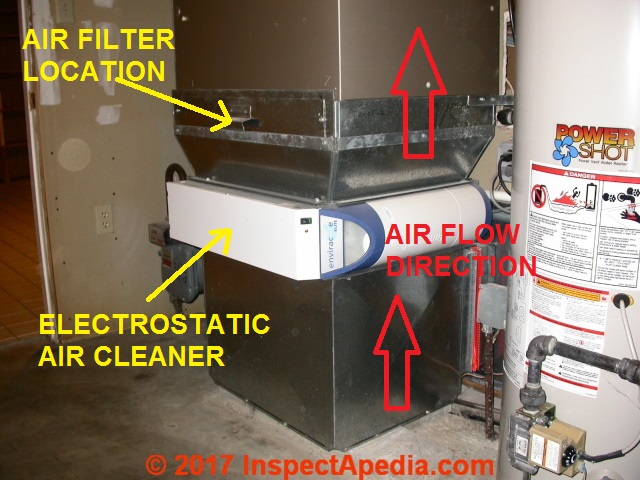
Furnace Air Filter Location
The unsung hero of a comfortable and efficient home heating system is often the humble air filter. Located strategically within the furnace system, this component plays a vital role in maintaining air quality, protecting equipment, and ensuring optimal performance. Understanding furnace air filter location is essential for homeowners, HVAC professionals, and anyone seeking a career in the heating, ventilation, and air conditioning industry.
Why Finding the Furnace Air Filter Matters
Locating and regularly replacing the furnace air filter is crucial for several reasons:
- Improved Air Quality: The filter traps dust, pollen, pet dander, and other airborne particles, preventing them from circulating throughout your home. This is especially important for individuals with allergies or respiratory issues.
- Furnace Protection: A clean filter prevents debris from entering the furnace components, such as the blower motor and heat exchanger. This protects these parts from damage, extending the lifespan of your heating system.
- Energy Efficiency: A clogged filter restricts airflow, forcing the furnace to work harder to heat your home. This leads to increased energy consumption and higher utility bills. According to the U.S. Department of Energy, replacing a dirty filter can lower your energy consumption by 5% to 15%.
- Preventative Maintenance: Regularly checking the filter allows you to identify potential problems early on, such as excessive dust accumulation that could indicate ductwork leaks.
Where to Find Your Furnace Air Filter: A Step-by-Step Guide
The location of the furnace air filter varies depending on the type and model of your furnace. However, here's a general guide to help you locate it:
1. The Furnace Cabinet
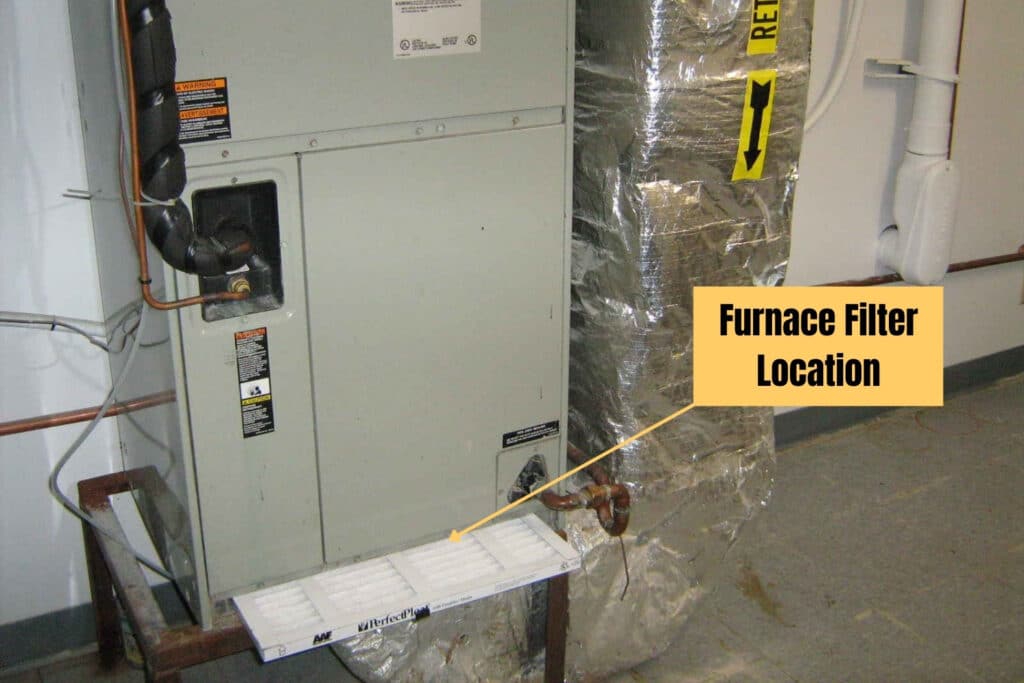
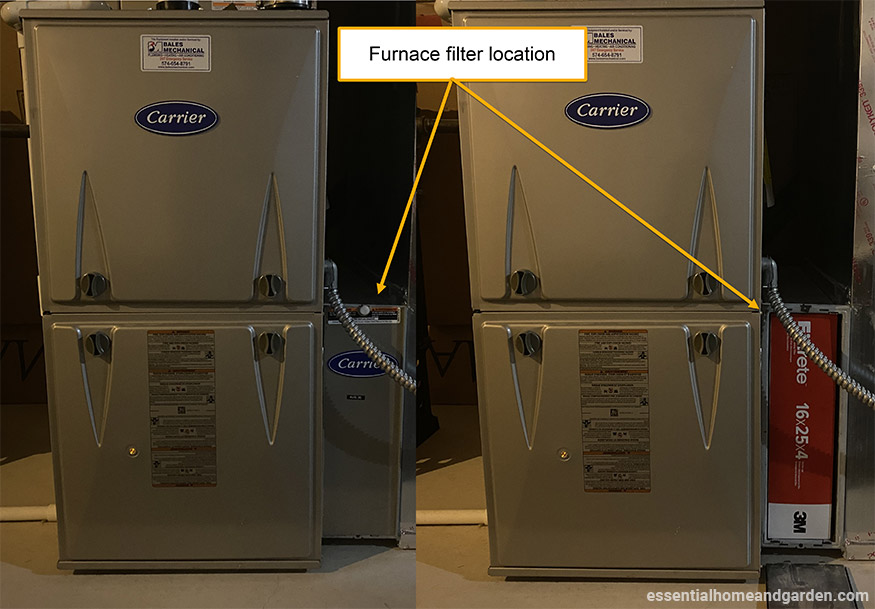
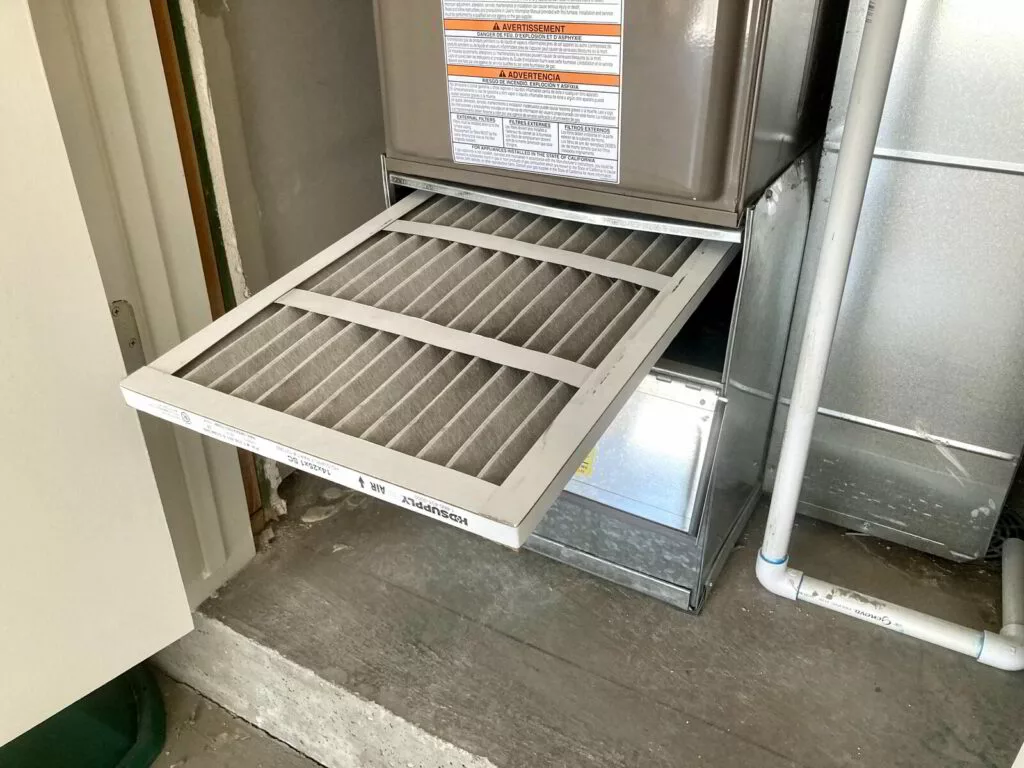
The most common location is within the furnace cabinet itself. Look for a slot or door, typically located on the side, bottom, or front of the furnace. This door often has clips or latches that you can easily open.
2. Return Air Vent
In some systems, the filter is located at the return air vent, which is where air is drawn into the furnace for heating. The return air vent is usually a large grille on a wall or ceiling.
3. Between the Furnace and the Return Duct
Occasionally, the filter might be located in a slot between the furnace and the return air duct. This requires a bit more searching, but look for a panel or housing attached to the ductwork near the furnace.
Detailed Instructions by Furnace Type
While the above provides general guidance, specific furnace types may have slightly different filter locations:
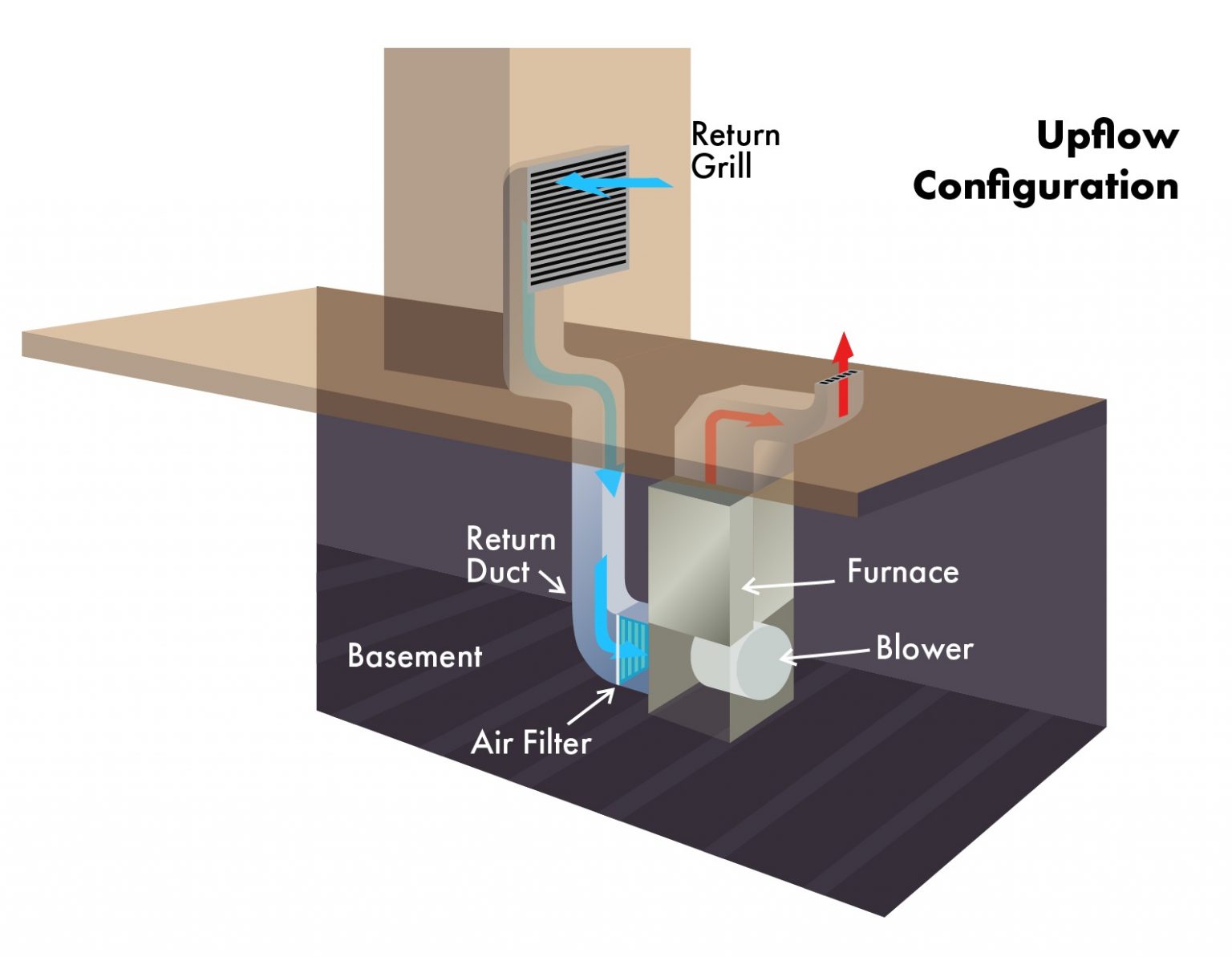
* **Upflow Furnaces:** Typically found in basements or utility closets, upflow furnaces draw air from the bottom and blow it upwards. The filter is often located at the bottom of the unit. * **Downflow Furnaces:** Common in attics or crawl spaces, downflow furnaces draw air from the top and blow it downwards. The filter is usually located at the top of the unit. * **Horizontal Furnaces:** These furnaces are often found in crawl spaces or attics, lying horizontally. The filter is typically located on the side of the unit.Tips for Locating the Filter
- Consult your furnace's manual: This is the best source of information for your specific model.
- Look for a filter access panel: It will usually be held in place by latches, clips, or screws.
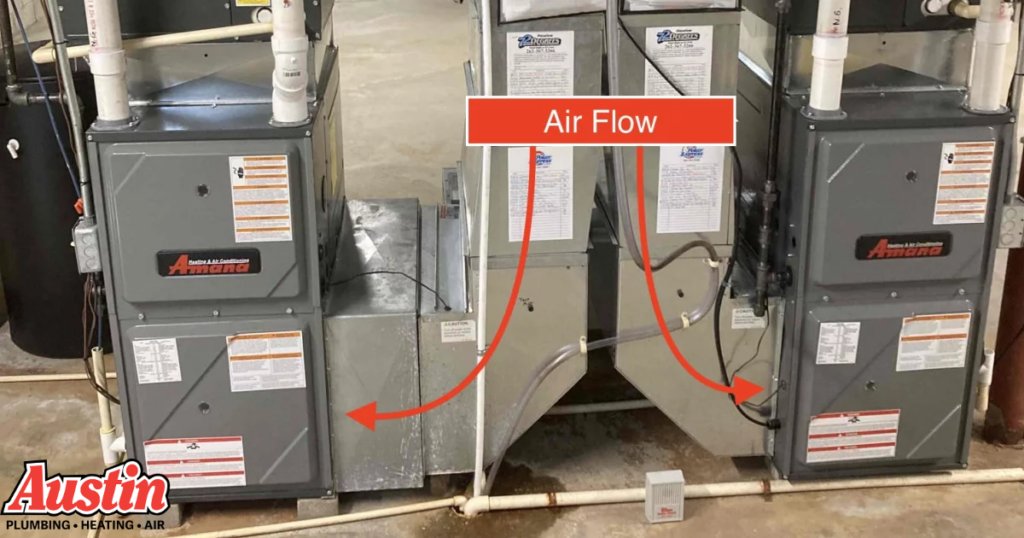
- Check for arrows: Some filters have arrows indicating the direction of airflow. Make sure the new filter is installed with the arrow pointing in the correct direction.
- If you're unsure, call an HVAC professional: A qualified technician can quickly locate the filter and provide guidance on replacement.
HVAC Career Paths and the Importance of Filter Knowledge
A thorough understanding of furnace components, including filter location and maintenance, is crucial for a successful career in the HVAC industry. The Bureau of Labor Statistics projects a 5% growth in employment for HVACR mechanics and installers from 2022 to 2032, resulting in about 38,300 openings each year, on average, over the decade. The median annual wage for these workers was $59,690 in May 2023.
Entry-Level Positions
Starting as an HVAC apprentice or helper often involves assisting experienced technicians with tasks such as filter replacements, ductwork cleaning, and equipment maintenance. This provides valuable hands-on experience and lays the foundation for a long-term career.
Technician Roles
As you gain experience and skills, you can progress to become a lead technician, responsible for diagnosing and repairing complex HVAC systems. This requires a strong understanding of HVAC principles, including airflow dynamics and filtration.
Specialized Roles
With further training and certification, you can specialize in areas such as:
* Indoor Air Quality (IAQ): Focusing on improving air quality through advanced filtration systems, ventilation solutions, and air purification technologies. This specialization is becoming increasingly important as awareness of IAQ grows. * Commercial HVAC: Working on large-scale HVAC systems in commercial buildings, requiring expertise in complex control systems and energy management. * HVAC Design: Designing and specifying HVAC systems for new construction or renovation projects, requiring knowledge of building codes, energy efficiency standards, and system optimization.Certifications and Training
Professional certifications enhance your credibility and demonstrate your competence to employers and clients. Some key certifications in the HVAC industry include:
* NATE (North American Technician Excellence): NATE certification is widely recognized as a mark of excellence in HVAC service and installation. It demonstrates that you have the knowledge and skills to perform your job effectively. * EPA Section 608 Certification: Required for technicians who handle refrigerants, this certification ensures that you understand and comply with regulations designed to protect the environment. * HVAC Excellence: Offers a range of certifications for various HVAC specialties, including residential air conditioning, light commercial refrigeration, and heat pumps.Career Paths: Real-World Examples
* John, the Apprentice: John started as an apprentice with a local HVAC company after completing a vocational training program. He learned the basics of HVAC systems, including filter replacement, ductwork inspection, and equipment maintenance. Over time, he gained more responsibilities and eventually became a lead technician. * Maria, the IAQ Specialist: Maria started as an HVAC technician and then pursued further training in indoor air quality. She now specializes in designing and installing advanced filtration systems and ventilation solutions for homes and businesses. She holds certifications from NATE and the Indoor Air Quality Association (IAQA). * David, the Business Owner: David worked as an HVAC technician for several years before starting his own business. He credits his success to his strong technical skills, his commitment to customer service, and his understanding of the HVAC market.The Future of Furnace Filtration
The HVAC industry is constantly evolving, and filtration technology is no exception. Emerging trends in furnace filtration include:
* Smart Filters: Filters equipped with sensors that monitor air quality and filter lifespan, providing alerts when replacement is needed. These “smart” systems can even automatically order replacement filters. * High-Efficiency Filters: Filters with higher MERV (Minimum Efficiency Reporting Value) ratings that capture smaller particles, such as bacteria and viruses. MERV ratings generally range from 1-20; a higher MERV indicates better filtration. * Electrostatic Filters: These filters use an electrostatic charge to attract and trap particles, offering improved filtration efficiency and longer lifespans. * UV-C Light Integration: Integrating UV-C lamps into HVAC systems to disinfect the air and surfaces, killing bacteria, viruses, and mold spores.Conclusion
Understanding furnace air filter location is essential for homeowners, HVAC professionals, and anyone seeking a career in the heating and cooling industry. By regularly replacing your filter, you can improve air quality, protect your furnace, and save money on energy bills. For those pursuing a career in HVAC, mastering filter maintenance is a fundamental skill that opens doors to numerous opportunities. With a growing demand for skilled HVAC technicians, now is an excellent time to pursue training, certification, and a rewarding career in this vital industry.