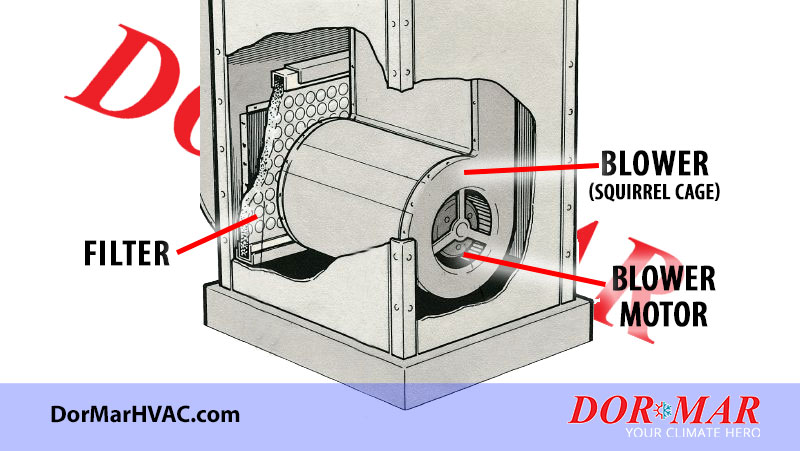
Furnace Blower With Housing Assembly & Motor

Furnace Blower with Housing Assembly & Motor: The Unsung Hero of Energy-Efficient HVAC
The furnace blower with housing assembly and motor, often overlooked, plays a pivotal role in your home's heating and cooling efficiency. It's the workhorse responsible for circulating conditioned air throughout your living spaces, and upgrading to a more efficient model can lead to substantial energy savings. This article delves into the workings of this crucial component, exploring its impact on your energy bill, the benefits of upgrading, and how to choose the right blower for your needs.
Understanding the Furnace Blower's Role
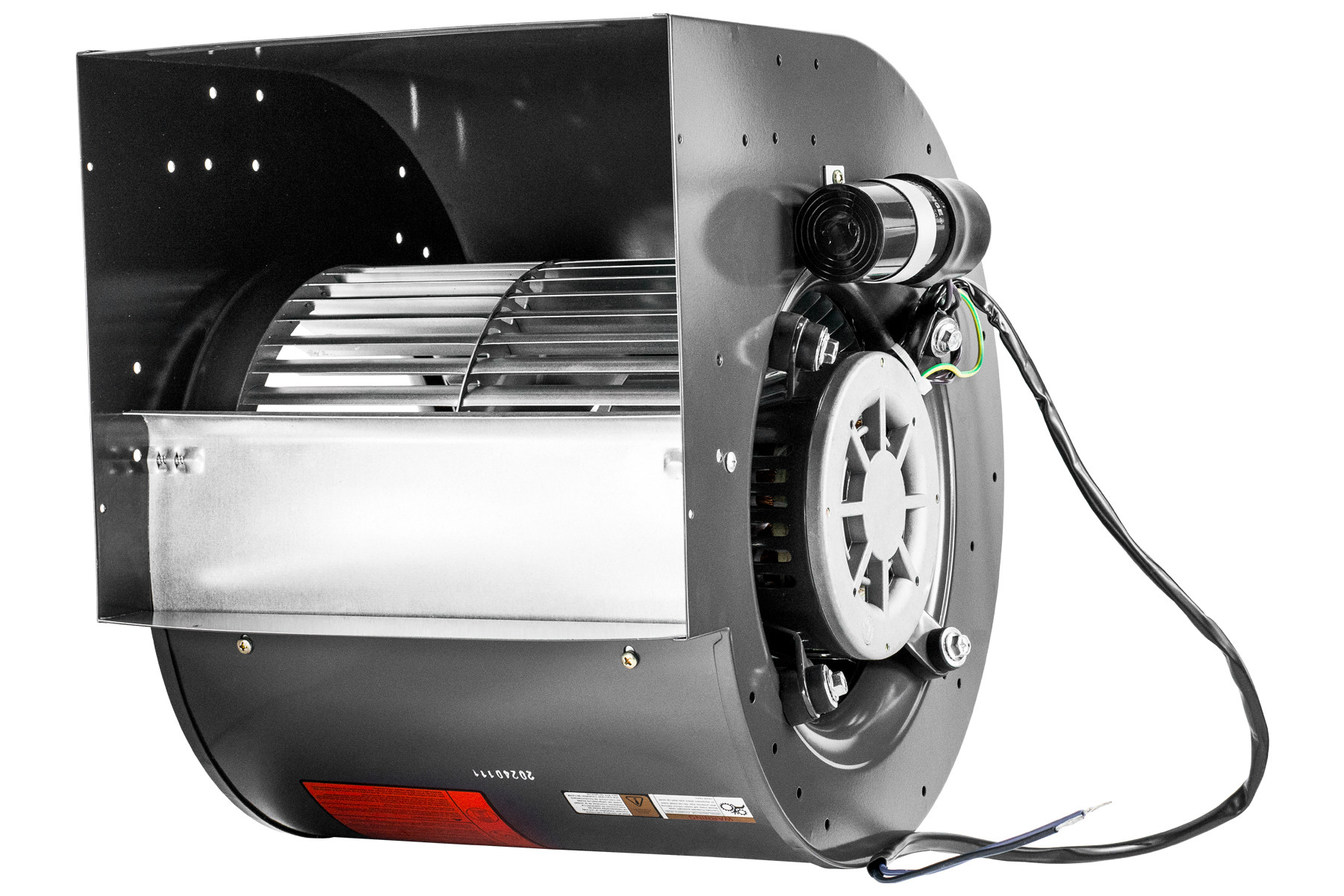
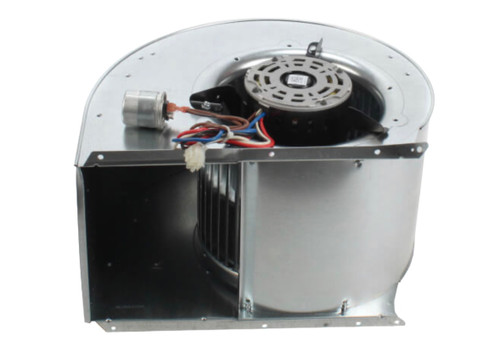
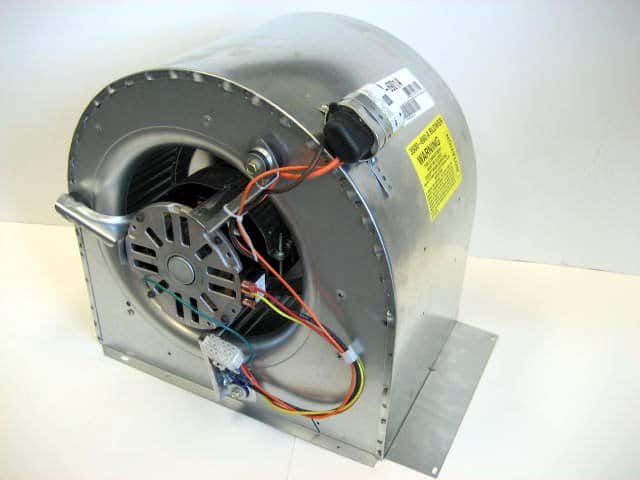
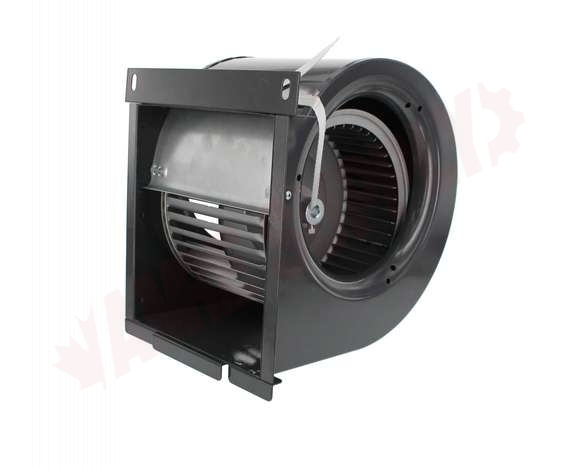
At its core, the furnace blower assembly is a simple yet powerful system. It consists of three main parts:
- The Blower Motor: This electric motor provides the power to spin the blower wheel. Older models often feature single-speed motors, while newer, more efficient options utilize variable-speed or ECM (Electronically Commutated Motor) technology.
- The Blower Wheel (or Fan): This is the bladed component that physically moves the air. The design and size of the wheel significantly impact airflow and efficiency.
- The Housing Assembly: This enclosure surrounds the blower wheel and motor, directing airflow and providing structural support. It’s designed to optimize airflow and minimize noise.
The blower motor drives the blower wheel, which draws air from the return ducts and pushes it across the furnace's heat exchanger (during heating) or the evaporator coil (during cooling). The now-conditioned air is then forced through the ductwork to vents throughout your home.
The Energy-Efficiency Advantage: ECM Motors
The biggest leap in furnace blower technology has been the introduction of ECM motors. Unlike traditional single-speed motors that operate at full power regardless of demand, ECMs can adjust their speed based on the heating or cooling needs of your home. This translates to significant energy savings in several ways:
- Reduced Energy Consumption: ECMs use significantly less electricity, especially during periods of low heating or cooling demand. This can lead to hundreds of dollars in savings per year, especially in climates with long heating or cooling seasons.
- Improved Temperature Consistency: Variable-speed blowers can maintain a more consistent temperature throughout your home by continuously circulating air at a lower speed. This eliminates the temperature swings often associated with single-speed systems.
- Enhanced Air Filtration: Continuous airflow allows for better air filtration, trapping more dust, pollen, and other allergens. This can improve indoor air quality and benefit allergy sufferers.
- Quieter Operation: ECMs are generally much quieter than single-speed motors, especially at lower speeds. This contributes to a more comfortable and peaceful home environment.
Data Point: According to the U.S. Department of Energy (DOE), replacing an old, inefficient furnace blower motor with a high-efficiency ECM can reduce energy consumption by up to 80% during fan-only operation (when the blower is running to circulate air but the furnace isn't actively heating or cooling).
Single Speed vs. Variable Speed: Which is Right for You?
Choosing between a single-speed and a variable-speed blower motor depends on your budget, your energy-saving goals, and the specific needs of your home. Here’s a breakdown:
| Feature | Single-Speed Blower | Variable-Speed (ECM) Blower |
|---|---|---|
| Cost | Lower initial cost | Higher initial cost |
| Energy Efficiency | Lower energy efficiency | Higher energy efficiency |
| Temperature Control | Less consistent temperature | More consistent temperature |
| Noise Level | Louder operation | Quieter operation |
| Air Filtration | Less effective air filtration | More effective air filtration |
| Best For | Budget-conscious homeowners, smaller homes | Homeowners prioritizing energy savings, larger homes, allergy sufferers |
Identifying the Need for an Upgrade
Several signs indicate that your furnace blower might be due for an upgrade:
- High Energy Bills: A sudden or gradual increase in your energy bills, especially during heating or cooling seasons, could point to an inefficient blower motor.
- Uneven Heating and Cooling: If some rooms in your home are consistently colder or warmer than others, it could be due to inadequate airflow from the blower.
- Noisy Operation: A rattling, squealing, or humming sound coming from your furnace could indicate a failing blower motor.
- Age of Your Furnace: If your furnace is over 15 years old, its blower motor is likely nearing the end of its lifespan and operating inefficiently.
- Frequent Repairs: If you're constantly calling an HVAC technician to repair your blower motor, it's probably more cost-effective to replace it altogether.
Smart HVAC Integration: The Future of Energy Efficiency
Integrating your furnace blower with a smart thermostat and other smart home devices can further enhance its energy efficiency. Smart thermostats can learn your heating and cooling patterns and automatically adjust the blower speed to optimize energy consumption. Some models also offer features like:
- Remote Control: Adjust the blower speed from your smartphone or tablet, even when you're away from home.
- Zoning: Control the temperature in different zones of your home independently, allowing you to heat or cool only the areas you're using.
- Energy Monitoring: Track your energy consumption in real-time and identify areas where you can save money.
- Integration with Smart Sensors: Use sensors to detect occupancy and adjust the blower speed accordingly.
By connecting your furnace blower to a smart home system, you can gain greater control over your home's climate and reduce your energy bills even further.
Choosing the Right Furnace Blower: Factors to Consider
Selecting the right furnace blower requires careful consideration of several factors:
- Furnace Compatibility: Ensure that the new blower assembly is compatible with your furnace model and size. Check the manufacturer's specifications or consult with an HVAC professional.
- Airflow Requirements (CFM): Determine the required airflow (measured in cubic feet per minute or CFM) for your home. This depends on the size of your home, the number of rooms, and the climate. An HVAC professional can perform a load calculation to determine the appropriate CFM for your needs.
- Motor Type: Choose between a single-speed or variable-speed (ECM) motor based on your budget and energy-saving goals.
- Efficiency Ratings: Look for blowers with high-efficiency ratings, such as those that meet Energy Star standards.
- Noise Level: Consider the noise level of the blower, especially if you're sensitive to noise. Look for models with sound-dampening features.
- Warranty: Check the warranty offered by the manufacturer. A longer warranty provides greater peace of mind.
Professional Installation vs. DIY
While some experienced homeowners may be tempted to install a furnace blower themselves, it's generally recommended to hire a qualified HVAC professional. Incorrect installation can lead to reduced efficiency, increased energy bills, and even safety hazards. A professional will ensure that the blower is properly sized, installed, and calibrated for optimal performance.
Rebates and Incentives
Many utility companies and government agencies offer rebates and incentives for upgrading to energy-efficient furnace blowers. Check with your local utility company and the Energy Star website to see what rebates are available in your area. These rebates can significantly offset the initial cost of upgrading to a more efficient blower.
ROI and Long-Term Savings
While the initial cost of upgrading to a high-efficiency furnace blower may be higher than a standard model, the long-term savings in energy bills can quickly offset the investment. By reducing energy consumption and improving temperature consistency, a new blower can pay for itself in just a few years. Furthermore, a more efficient blower can increase the value of your home and make it more attractive to potential buyers.
In conclusion, upgrading your furnace blower with housing assembly and motor is a smart investment that can save you money, improve your home's comfort, and reduce your environmental impact. By understanding the workings of this crucial component and choosing the right model for your needs, you can reap the many benefits of a more energy-efficient HVAC system.