Furnace Fan Speed Control

Understanding Furnace Fan Speed Control: A Comprehensive Guide
When upgrading your heating and cooling system, many homeowners focus on the headline numbers like AFUE, SEER, and HSPF. While those are crucial, understanding furnace fan speed control can significantly impact your comfort, energy bills, and the lifespan of your HVAC equipment. This guide breaks down everything you need to know, helping you make an informed decision.
Why Furnace Fan Speed Matters
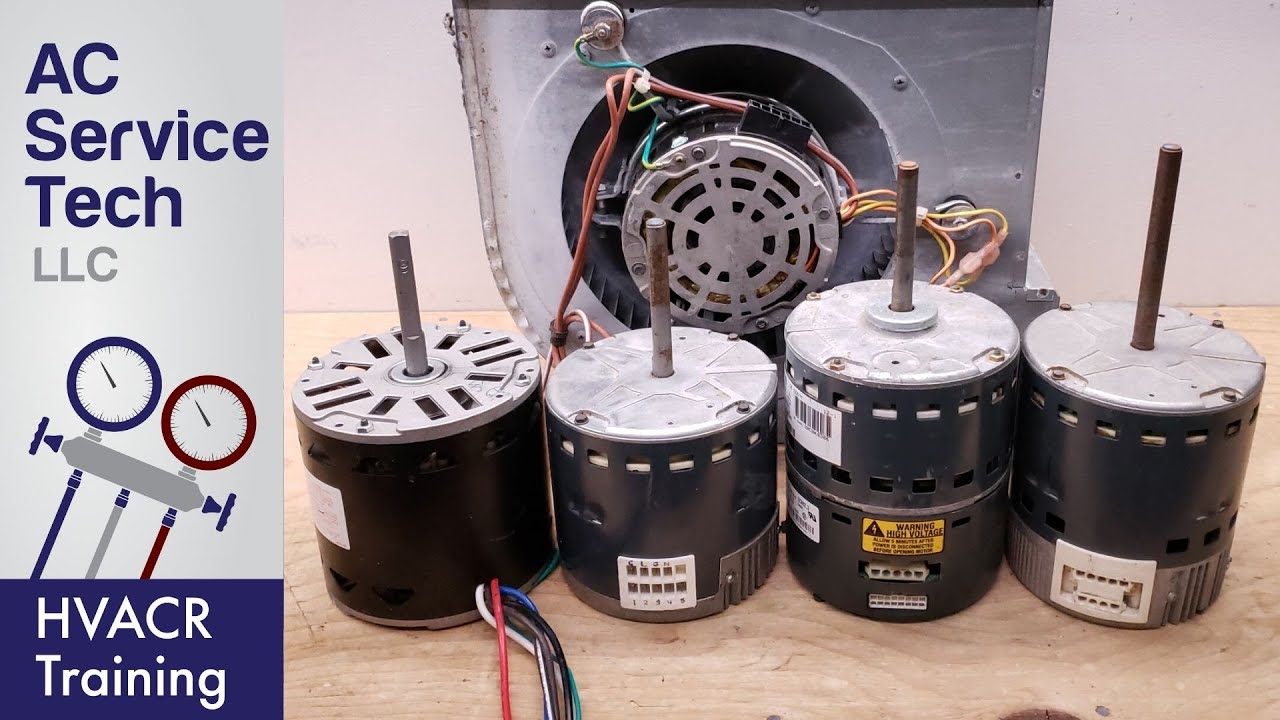
The furnace fan, or blower motor, circulates heated or cooled air throughout your home. Its speed dictates airflow, which affects temperature consistency, humidity levels, and system efficiency. Traditional furnaces have single-speed or multi-speed fans, while newer models often feature variable-speed technology. Each has its own advantages and disadvantages.
Single-Speed Furnaces: Simplicity and Affordability
Pros:
- Lower upfront cost: Single-speed furnaces are typically the most affordable option.
- Simpler technology: Fewer components mean potentially fewer repairs.
- Readily available parts: Replacement parts are generally easy to find.
Cons:
- On/off operation: The fan operates at full speed whenever the furnace is running, regardless of heating demand.
- Temperature fluctuations: Inconsistent airflow can lead to hot and cold spots.
- Higher energy consumption: Running the fan at full speed continuously wastes energy, especially during mild weather.
- Noisy operation: The sudden on/off cycle and constant high-speed airflow can be disruptive.
Single-speed furnaces are suitable for smaller homes with consistent heating needs or budget-conscious buyers who prioritize upfront cost over long-term energy savings and comfort.
Multi-Speed Furnaces: A Step Up in Efficiency
Pros:
- Improved comfort: Multiple speed settings allow for more consistent temperature control.
- Increased efficiency: Lower speed settings can reduce energy consumption during periods of low heating demand.
- Quieter operation: Lower fan speeds generally result in less noise.
Cons:
- Higher cost than single-speed furnaces: Multi-speed models come with a slightly higher price tag.
- Stepped speed changes: The fan speed adjusts in discrete steps, which may still result in noticeable temperature fluctuations.
- Not as efficient as variable-speed models: While more efficient than single-speed furnaces, multi-speed models don't offer the same level of precision.
Multi-speed furnaces offer a good balance of affordability and performance, making them a popular choice for many homeowners.
Variable-Speed Furnaces: The Gold Standard in Comfort and Efficiency
Pros:
- Optimal comfort: Variable-speed fans adjust airflow precisely to match heating demand, eliminating temperature fluctuations and maintaining consistent comfort.
- Maximum efficiency: The fan can operate at very low speeds during mild weather, significantly reducing energy consumption.
- Ultra-quiet operation: Low fan speeds are virtually silent.
- Improved air filtration: Continuous low-speed operation helps circulate air and remove pollutants.
- Enhanced dehumidification: When paired with an air conditioner, variable-speed fans can improve dehumidification by slowing airflow across the cooling coil.
Cons:
- Higher upfront cost: Variable-speed furnaces are the most expensive option.
- More complex technology: Increased complexity can potentially lead to higher repair costs.
- Requires compatible thermostat: Variable-speed furnaces typically require a more advanced thermostat to control fan speed.
Variable-speed furnaces are ideal for homeowners who prioritize comfort, energy savings, and air quality. They are particularly well-suited for larger homes, homes with multiple zones, and those with allergy or asthma sufferers.
AFUE, SEER, and HSPF: Understanding Efficiency Ratings
When shopping for a new furnace or air conditioner, you'll encounter terms like AFUE, SEER, and HSPF. These ratings indicate the system's energy efficiency.
- AFUE (Annual Fuel Utilization Efficiency): Measures the heating efficiency of a furnace. A higher AFUE rating indicates greater efficiency. Modern furnaces typically have AFUE ratings ranging from 80% to 98%.
- SEER (Seasonal Energy Efficiency Ratio): Measures the cooling efficiency of an air conditioner. A higher SEER rating indicates greater efficiency. The minimum SEER rating currently mandated by the U.S. Department of Energy is 14.
- HSPF (Heating Seasonal Performance Factor): Measures the heating efficiency of a heat pump. A higher HSPF rating indicates greater efficiency. The minimum HSPF rating is 8.2.
While a higher AFUE, SEER, or HSPF rating generally translates to lower energy bills, it's important to consider the upfront cost of the system and your individual heating and cooling needs. A system with a very high efficiency rating may not be cost-effective if you live in a mild climate with low heating and cooling demands.
Popular HVAC Brands and Models: A Comparison
Many reputable HVAC brands offer furnaces with different fan speed control options. Here are a few popular examples:
- Carrier: Known for its innovative technology and high-efficiency systems. Carrier offers a range of furnaces with variable-speed fans, including the Infinity series, which boasts AFUE ratings up to 98.5%.
- Trane: A well-respected brand with a long history of reliability. Trane's XV95 furnace features a variable-speed blower motor and an AFUE rating of up to 97%.
- Lennox: Offers a wide variety of furnaces to suit different budgets and needs. Lennox's SLP98DF furnace is a premium model with a variable-speed fan and an AFUE rating of up to 98%.
- Goodman: A budget-friendly brand that offers good value for the money. Goodman's GMVM97 furnace features a variable-speed blower motor and an AFUE rating of up to 98%.
When comparing models, consider the AFUE rating, fan speed control type, warranty, and price. Read customer reviews and consult with an HVAC professional to determine the best option for your home.
Warranty and Maintenance
HVAC systems typically come with two types of warranties: a parts warranty and a labor warranty. The parts warranty covers the cost of replacement parts if a component fails within a specified period. The labor warranty covers the cost of labor for repairs. Warranty terms vary by manufacturer and model. Be sure to read the warranty carefully before making a purchase.
Regular maintenance is essential to keep your HVAC system running efficiently and prevent costly repairs. Schedule annual maintenance checkups with a qualified HVAC technician. During a maintenance checkup, the technician will inspect the system, clean the components, and make any necessary adjustments.
Here are some basic maintenance tasks you can perform yourself:
- Replace air filters regularly (every 1-3 months).
- Keep the area around the outdoor unit clear of debris.
- Clean the air vents and registers.
Pricing Considerations
The cost of a new furnace or air conditioner depends on several factors, including the system's size, efficiency rating, brand, and installation costs. Single-speed furnaces are generally the least expensive, while variable-speed furnaces are the most expensive. Installation costs can vary depending on the complexity of the installation and the location of your home.
It's important to get multiple quotes from different HVAC contractors before making a decision. Be sure to ask for a detailed breakdown of the costs, including equipment, labor, and permits.
Financing Options and Rebates
Many HVAC contractors offer financing options to help homeowners afford new HVAC systems. Government rebates and tax credits may also be available for energy-efficient upgrades. Check with your local utility company and the U.S. Department of Energy for information on available incentives.
Making the Right Choice
Choosing the right furnace fan speed control is a crucial part of selecting a new heating system. By understanding the pros and cons of single-speed, multi-speed, and variable-speed options, you can make an informed decision that meets your needs and budget. Remember to consider AFUE ratings, warranty terms, and maintenance requirements. Consulting with a qualified HVAC professional is always recommended to ensure you select the best system for your home.