Furnace Filter Access Door
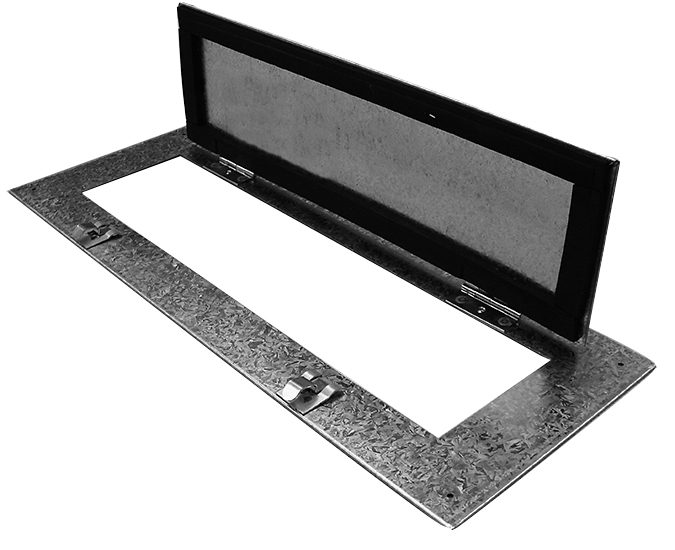
The humble furnace filter access door: seemingly insignificant, but a critical component impacting HVAC system efficiency, indoor air quality, and ultimately, your success as an HVAC professional. Understanding its nuances is vital for students, seasoned technicians, and employers alike. This article dives deep into the function, maintenance, and career implications surrounding this often-overlooked part.
The Importance of the Furnace Filter Access Door
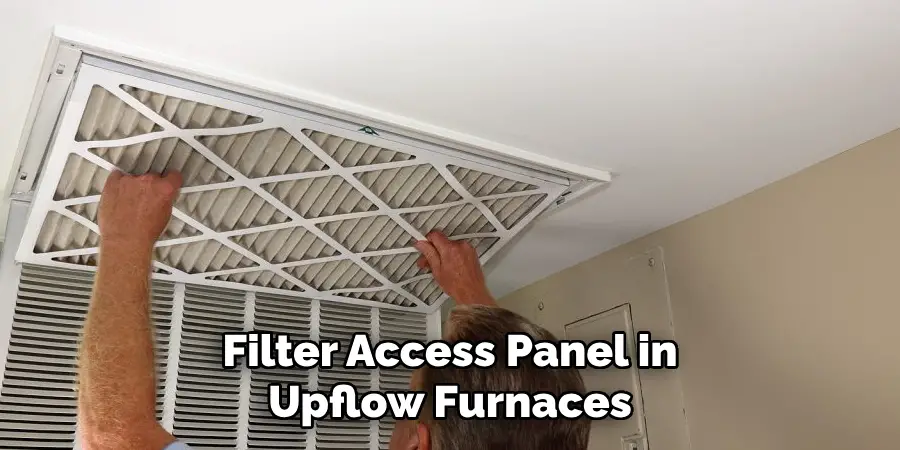
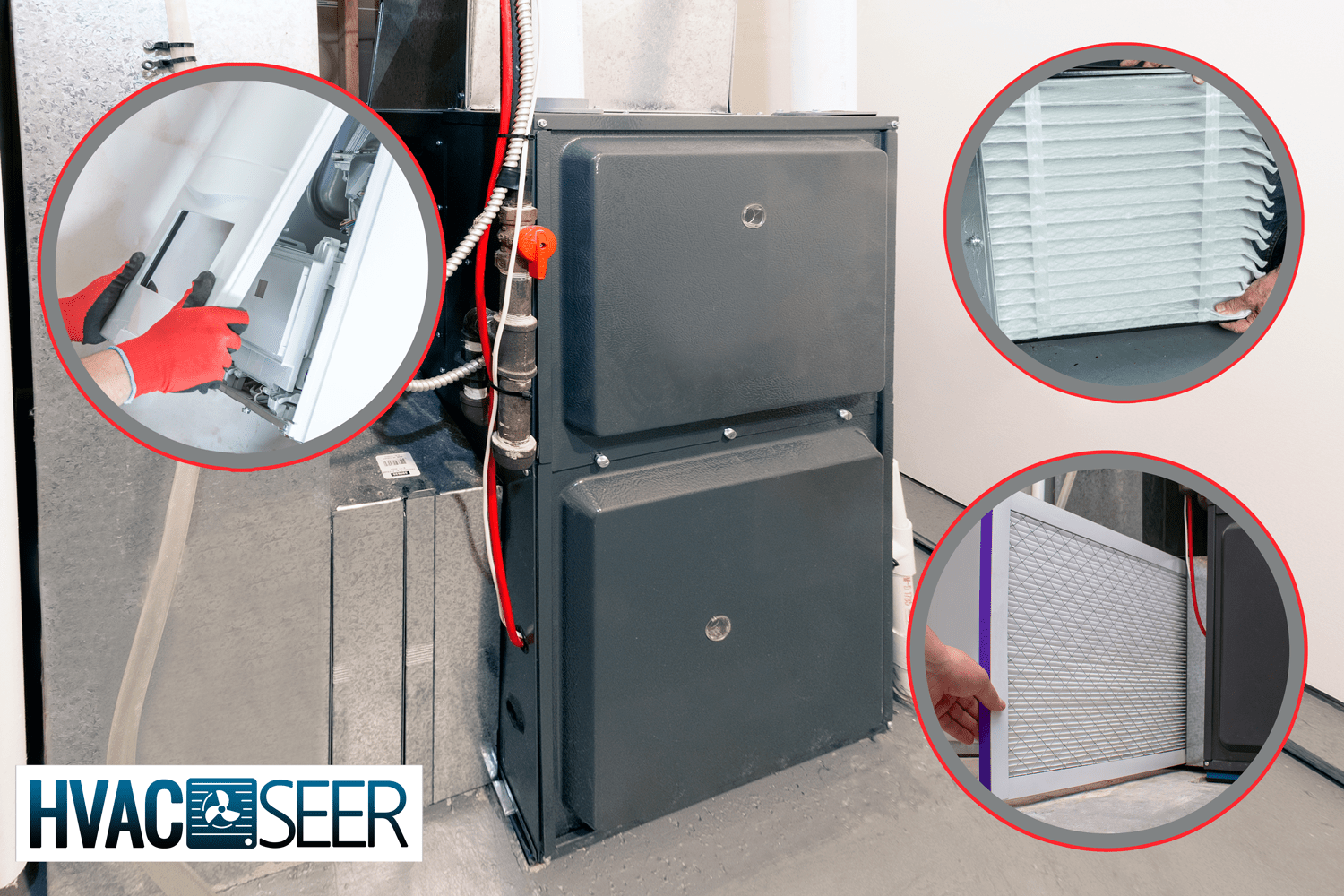
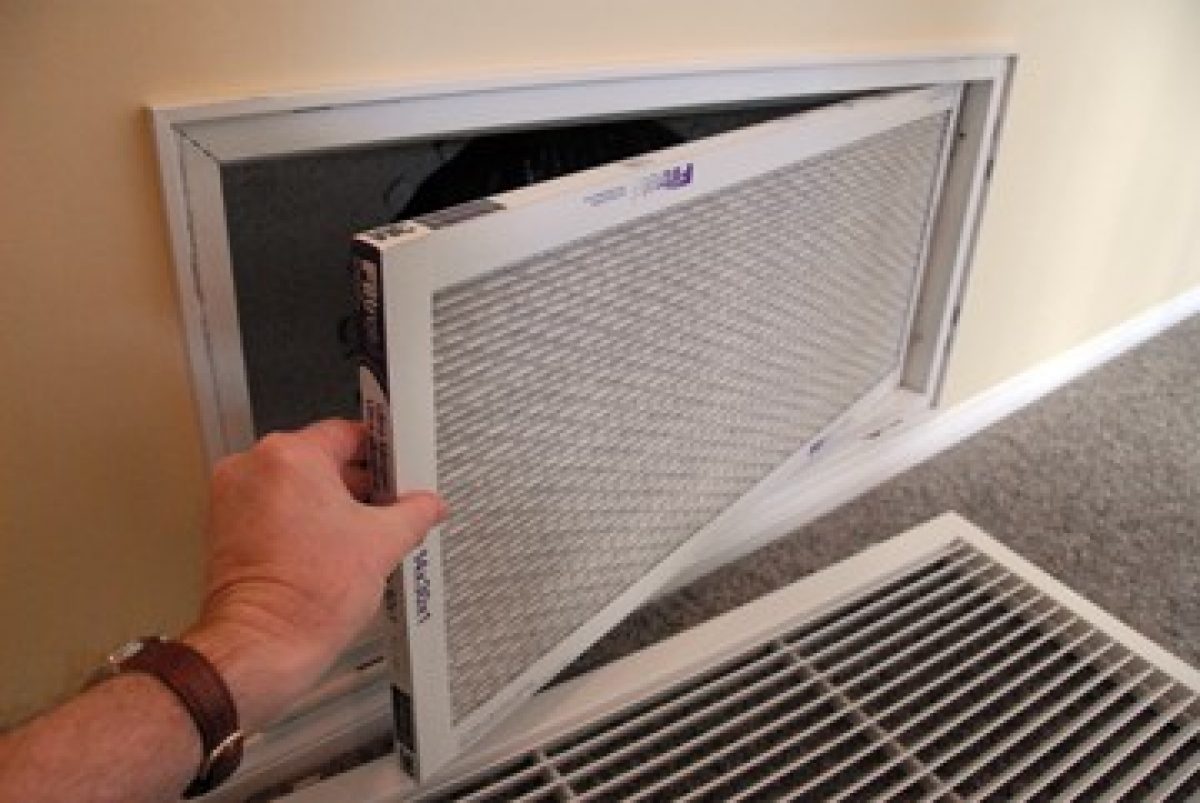
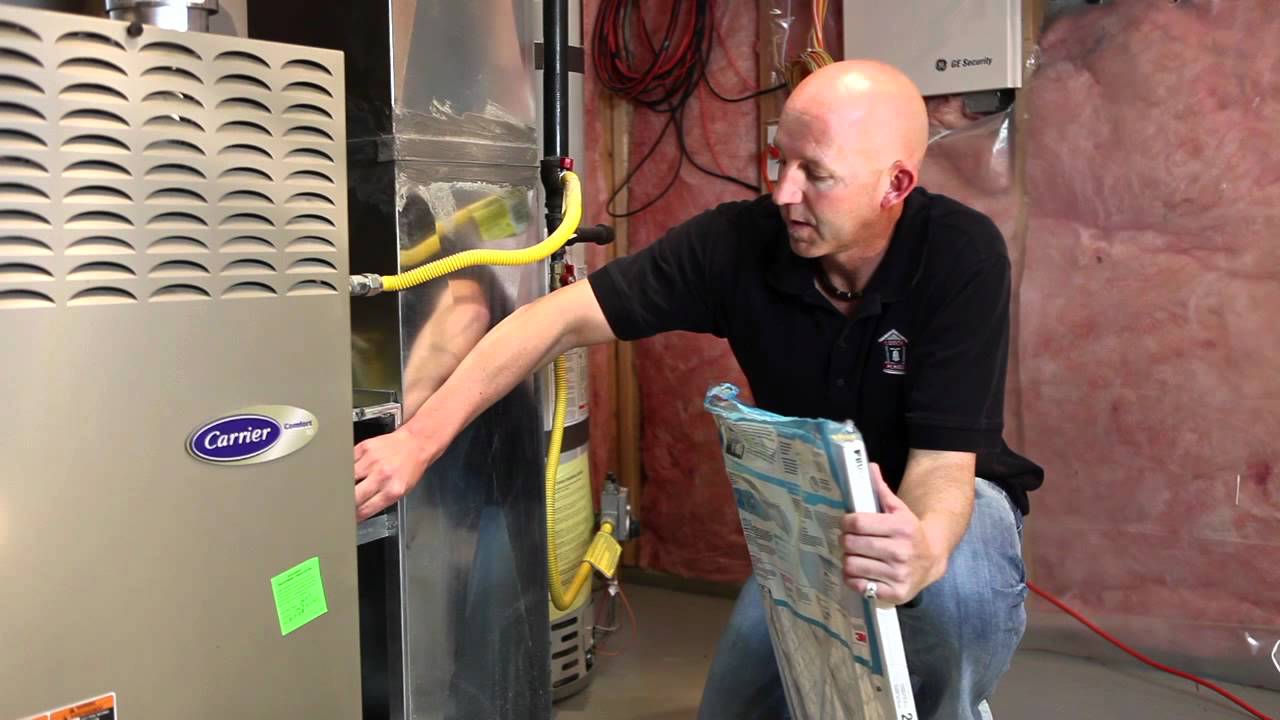
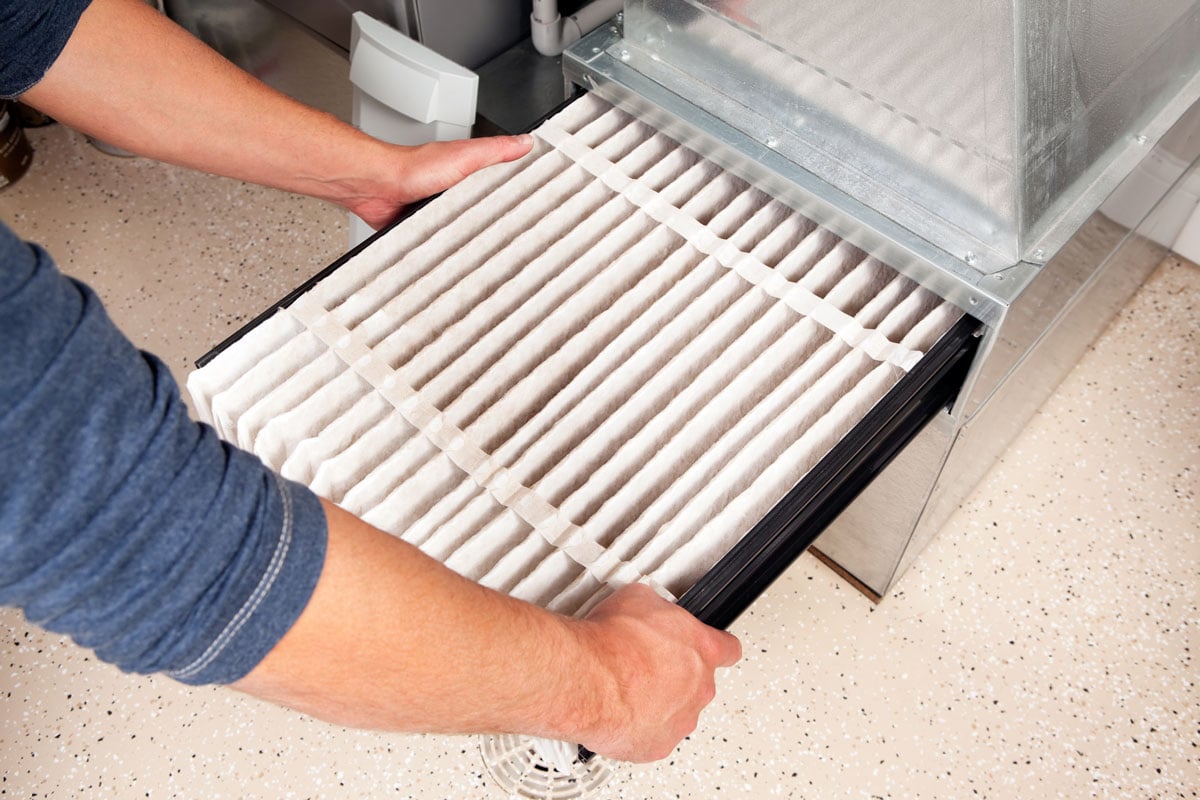
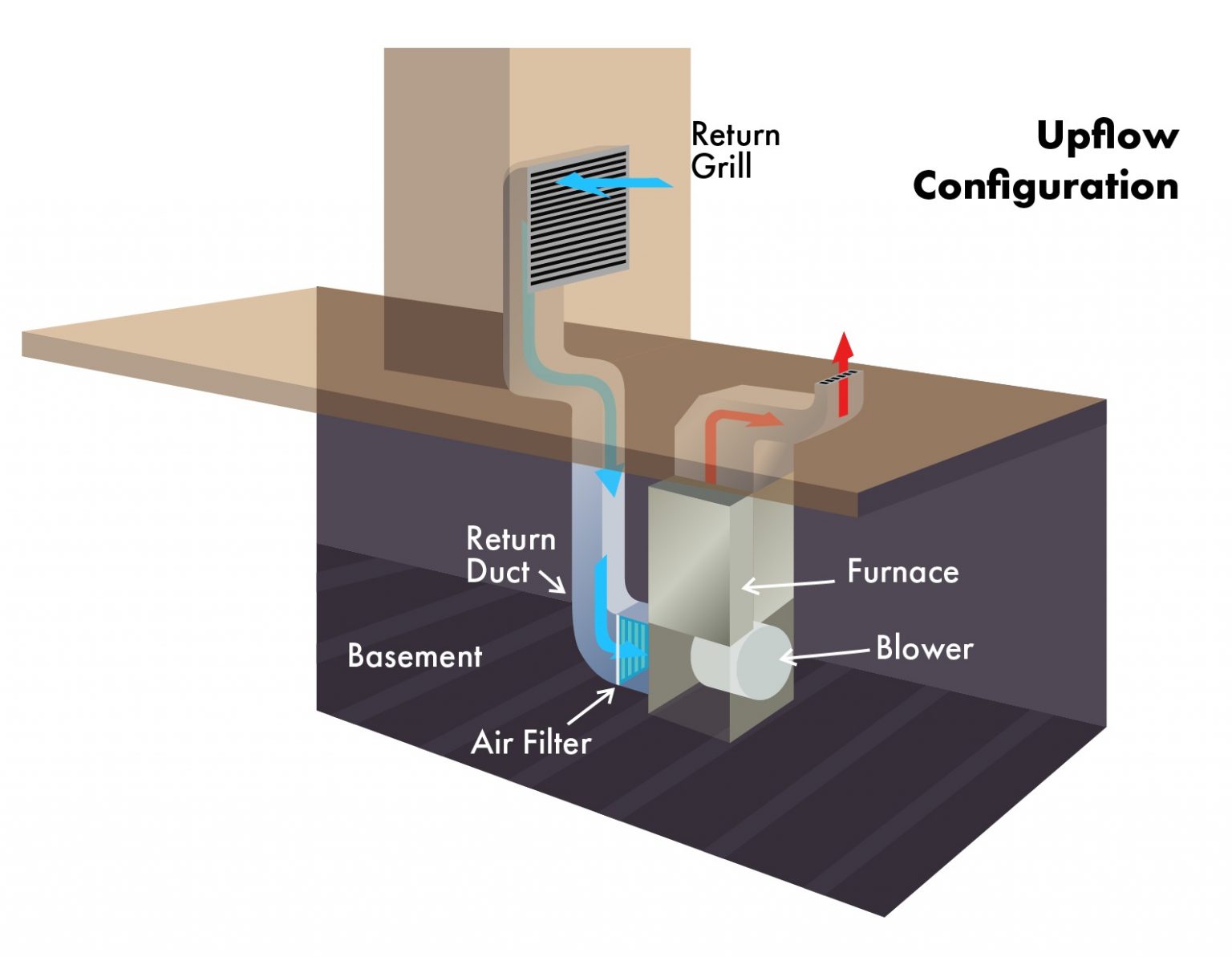
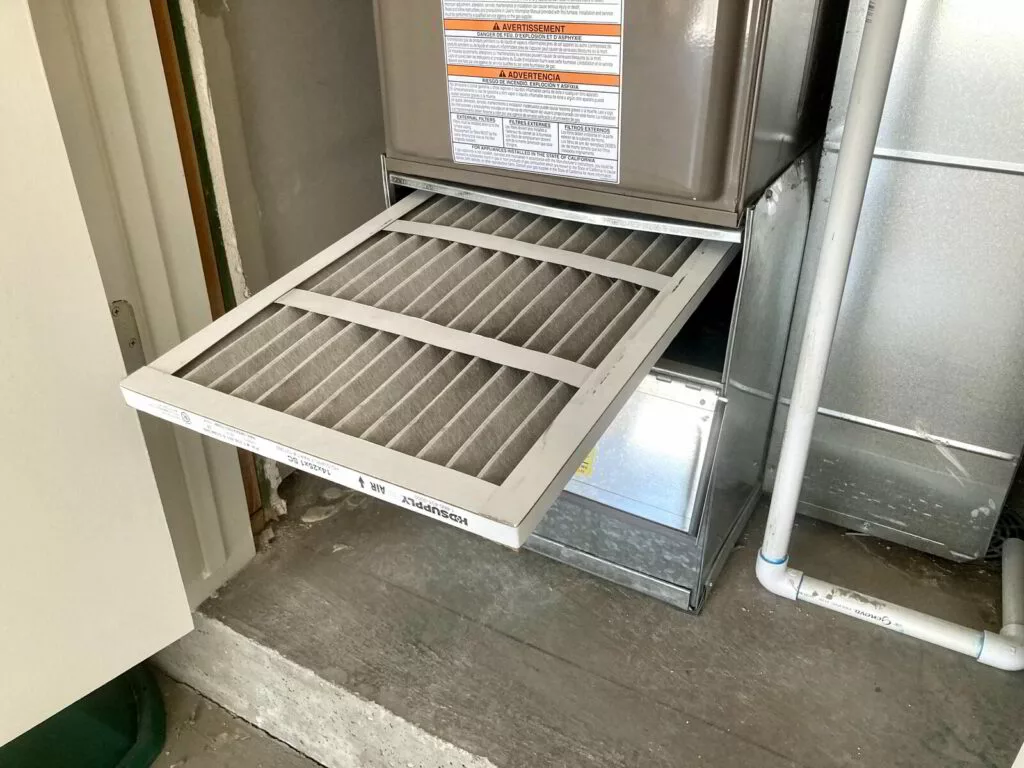
The furnace filter access door provides access to the furnace filter, a barrier preventing dust, pollen, pet dander, and other airborne particles from entering the heating system. A properly sealed access door ensures that all air drawn into the furnace passes through the filter, maximizing filtration and protecting sensitive components like the blower motor and heat exchanger. An improperly sealed or missing door can lead to:
- Reduced System Efficiency: Bypassed air doesn't get filtered, leading to dust buildup on the blower motor and heat exchanger. This reduces airflow and heat transfer, forcing the system to work harder and consume more energy. According to the U.S. Department of Energy, dirty filters can increase energy consumption by 5-15%.
- Poor Indoor Air Quality: Unfiltered air circulates throughout the home, exacerbating allergies, asthma, and other respiratory issues.
- Equipment Damage: Dust buildup on the blower motor can cause overheating and premature failure. Debris accumulating on the heat exchanger can lead to cracks and costly repairs.
- Increased Operating Costs: Reduced efficiency and potential equipment failures result in higher utility bills and repair expenses.
For employers, the consequences of neglecting filter access door maintenance translate to increased warranty claims, customer dissatisfaction, and reputational damage. Investing in properly trained technicians who understand the importance of this seemingly minor detail is crucial.
Types of Furnace Filter Access Doors
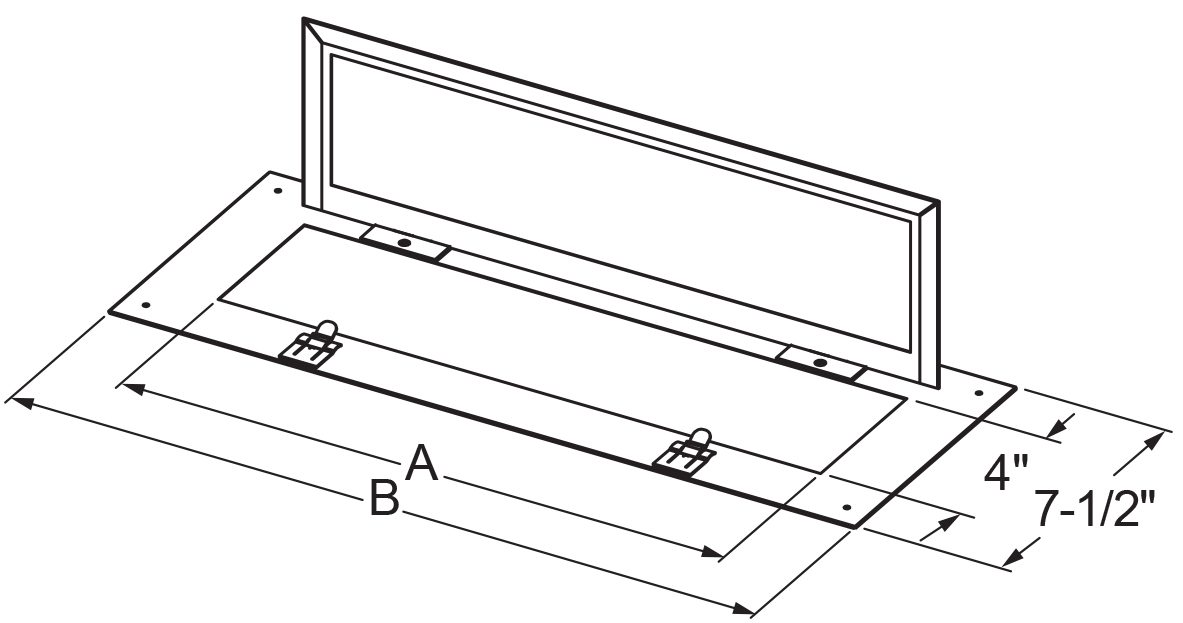
While the basic function remains the same, furnace filter access doors come in various designs:
- Slide-in Doors: These doors slide into a slot and are typically held in place by friction or a simple latch.
- Hinged Doors: Hinged doors swing open and are secured with a latch or screw.
- Screw-on Doors: These doors are attached with screws and offer a more secure seal.
- Magnetic Doors: Held in place by magnets, these doors offer easy access and a reasonably tight seal.
The material can also vary, from sheet metal to plastic. Understanding the different types allows technicians to properly assess their condition and perform necessary repairs or replacements.
Common Problems and Solutions
Several issues can arise with furnace filter access doors, requiring prompt attention:
- Missing Door: The most obvious problem. A replacement door should be installed immediately. Universal replacement doors are available, but matching the original is preferable for optimal fit.
- Damaged Door: Dents, rust, or cracks can compromise the seal. Depending on the severity, repair or replacement may be necessary.
- Loose Fit: A loose-fitting door allows air to bypass the filter. Bending the door slightly or adding weather stripping can improve the seal.
- Broken Latch: A broken latch prevents the door from staying securely closed. Replacing the latch is usually a straightforward repair.
Real-world Example: Imagine a technician responding to a "no heat" call. After troubleshooting, they discover a severely clogged filter and a missing access door. Replacing the filter and fabricating a temporary door improves airflow and restores heat. However, informing the homeowner about the long-term implications of a missing door and recommending a professional replacement demonstrates thoroughness and builds trust. This translates to repeat business and positive referrals – crucial for career advancement.
Career Paths and Certifications
A solid understanding of HVAC systems, including components like the furnace filter access door, opens doors to various career paths:
- HVAC Technician: Install, maintain, and repair heating, ventilation, and air conditioning systems. The median annual wage for HVAC technicians was $51,390 in May 2021, according to the Bureau of Labor Statistics. Job outlook is projected to grow 5% from 2021 to 2031, about average for all occupations.
- HVAC Installer: Specialize in installing new HVAC systems. This role often requires a strong understanding of building codes and ductwork design.
- HVAC Service Technician: Focus on maintaining and repairing existing HVAC systems. This path requires excellent troubleshooting skills and customer service abilities.
- HVAC Sales Engineer: Work with clients to design and sell HVAC systems that meet their specific needs. This role requires a combination of technical knowledge and sales skills.
Certifications significantly enhance career prospects and earning potential. Key certifications include:
- NATE (North American Technician Excellence): A widely recognized certification that demonstrates competency in HVAC installation, maintenance, and repair. Achieving NATE certification often leads to higher pay and more job opportunities.
- EPA Section 608 Certification: Required for technicians who handle refrigerants. This certification ensures that technicians understand proper refrigerant handling practices to protect the environment.
- HVAC Excellence: Another reputable certification program that offers a range of certifications for different HVAC specialties.
Apprenticeships offer valuable on-the-job training and can lead to a rewarding career in HVAC. According to the U.S. Department of Labor, apprenticeships can lead to higher wages and increased job security.
Salary Expectations and Career Advancement
Entry-level HVAC technicians can expect to earn around $35,000 to $45,000 per year. With experience and certifications, salaries can climb to $60,000 or more. Highly skilled technicians with specialized knowledge and leadership abilities can even earn over $80,000 annually.
Career advancement opportunities include:
- Lead Technician: Supervise a team of technicians and oversee projects.
- Service Manager: Manage the service department and ensure customer satisfaction.
- HVAC Contractor: Start your own HVAC business.
- HVAC Instructor: Train the next generation of HVAC professionals.
Example: Consider an HVAC apprentice starting their career. By diligently learning the fundamentals, including the importance of seemingly minor details like the furnace filter access door, and pursuing certifications like NATE, they can progress from an entry-level position to a lead technician or even start their own successful HVAC business within a few years.
The Employer's Perspective
For HVAC employers, investing in training and ensuring technicians understand the significance of components like the furnace filter access door is paramount. Properly maintained HVAC systems lead to increased customer satisfaction, reduced warranty claims, and a positive company reputation. Emphasize the following during training:
- Thoroughness: Encourage technicians to inspect all components, including the filter access door, during routine maintenance visits.
- Communication: Train technicians to clearly communicate the importance of proper maintenance to customers.
- Problem-Solving: Equip technicians with the skills to diagnose and resolve issues related to the filter access door, such as air leaks or damage.
Recruiting Tip: When hiring, prioritize candidates who demonstrate a strong understanding of HVAC fundamentals and a commitment to quality workmanship. Ask candidates specific questions about their experience with filter access doors, such as: "What are the potential consequences of a missing or damaged filter access door?" and "How would you address a loose-fitting filter access door?"
Industry Trends and the Future of HVAC
The HVAC industry is constantly evolving. Key trends include:
- Smart HVAC Systems: Connected thermostats and sensors allow for remote monitoring and control, optimizing energy efficiency and comfort.
- Energy Efficiency: Growing demand for energy-efficient HVAC systems is driving innovation and new technologies.
- Indoor Air Quality: Increased awareness of the importance of indoor air quality is leading to the development of advanced filtration and ventilation systems.
These trends underscore the need for HVAC professionals to stay up-to-date with the latest technologies and best practices. Continuous learning and professional development are essential for long-term career success.
In conclusion, the furnace filter access door, while seemingly a small detail, plays a crucial role in HVAC system performance and indoor air quality. Understanding its function, maintenance, and implications is essential for HVAC students, technicians, and employers alike. By prioritizing training, pursuing certifications, and staying abreast of industry trends, HVAC professionals can build successful and rewarding careers in this dynamic field.